Note: This article is written for web publication and is based on current U.S. guidance from sustainability, donation, repair, textile recycling, and consumer reuse resources.
Old clothes have a sneaky talent: they multiply in the back of the closet like fabric rabbits. One day you own “a few extra T-shirts,” and the next day you are hosting a cotton convention behind the laundry basket. But before you throw those worn jeans, faded tees, lonely socks, or stretched-out sweaters into the trash, pause for a moment. Many garments still have plenty of life left in them, even if that life no longer involves being worn in public without judgment from your most fashionable friend.
Learning how to reuse old clothes is one of the easiest ways to reduce waste, save money, refresh your home, and add personality to everyday items. According to national textile waste data, millions of tons of clothing and household textiles are discarded each year in the United States, while only a small percentage is recycled. That means your old hoodie is not just a hoodie. It is a tiny environmental decision wearing drawstrings.
The good news? Reusing clothes does not require a sewing degree, a craft room, or the patience of a monk threading a needle in a windstorm. Some ideas take five minutes. Others are weekend projects. A few are so simple you will wonder why you ever bought cleaning rags, gift wrap, or pet toys in the first place.
Why Reusing Old Clothes Matters
Textiles can be reused, repaired, resold, donated, recycled, or transformed into new household items. That is why old clothing should rarely be treated as ordinary trash. When clothes are kept in use longer, they reduce the demand for new production, save resources, and help cut landfill waste. Even a stained shirt can become a cleaning cloth. Even a torn towel can become pet bedding. Even a pair of jeans with a dramatic knee hole can enjoy a second career as a tote bag, which is honestly a strong comeback story.
Before choosing a reuse method, sort clothes into three basic groups: wearable, repairable, and unwearable. Wearable items can be donated, swapped, sold, or restyled. Repairable pieces can be mended, patched, dyed, or tailored. Unwearable fabric can become rags, stuffing, crafts, insulation material through textile recycling programs, or small household accessories. The goal is simple: keep fabric useful for as long as possible.
28 Ways to Reuse Old Clothes
1. Turn Old T-Shirts Into Cleaning Rags
The easiest way to reuse old clothes is to cut soft cotton T-shirts into cleaning cloths. They are perfect for dusting, wiping counters, polishing shoes, cleaning mirrors, or handling messy jobs that would make your nice towels file a complaint. Keep a basket of T-shirt rags under the sink and you will buy fewer paper towels.
2. Make Reusable Grocery Bags
A sturdy T-shirt can become a no-sew grocery bag with a few cuts and knots. The sleeves become handles, the neckline becomes the opening, and the bottom can be tied into fringe. It is practical, washable, and more charming than the plastic bag full of plastic bags hiding in everyone’s kitchen.
3. Create a Denim Tote Bag
Old jeans are excellent material for tote bags because denim is strong, durable, and already used to carrying the emotional weight of your snack runs. Use the upper part of the jeans as the body of the bag and the legs for straps or pockets. Denim totes are great for books, farmers market trips, or casual errands.
4. Sew a Memory Quilt
Sentimental clothing deserves better than a dusty box. Baby clothes, concert shirts, sports jerseys, school shirts, or travel tees can be cut into squares and sewn into a memory quilt. This is one of the best ways to preserve meaningful fabric while making something useful and personal.
5. Make Pillow Covers
Button-down shirts, sweaters, and patterned dresses can be turned into pillow covers. Shirts are especially convenient because the buttons can work as a natural opening. A flannel shirt pillow adds cozy cabin energy, even if your “cabin” is a sofa next to a phone charger.
6. Transform Sweaters Into Mittens
Felted wool sweaters can be cut and sewn into warm mittens. Use the sweater cuff as the wrist opening and trace around your hand for the mitten shape. This project works best with thick wool or wool-blend sweaters that have shrunk in the wash. Finally, a laundry disaster gets a redemption arc.
7. Make Pet Toys
Old T-shirts, jeans, and towels can be braided into tug toys for dogs. Cut fabric into strips, braid tightly, and knot both ends. For cats, small fabric scraps can be filled with catnip and stitched closed. Always supervise pets with homemade toys and remove anything that starts to fall apart.
8. Create Pet Bedding
Soft clothes, old towels, and worn blankets can be layered inside a washable cover to make pet bedding. This is especially useful for animal shelters, many of which accept clean towels, blankets, and fabric bedding. Your old sweatshirt may not impress humans anymore, but a sleepy dog will treat it like a luxury mattress.
9. Use Fabric Scraps as Gift Wrap
Reusable fabric gift wrap is a beautiful alternative to disposable wrapping paper. Scarves, lightweight shirts, and fabric squares can be folded around gifts and tied in knots. This technique works especially well for birthdays, holidays, hostess gifts, and anyone who appreciates packaging that does not immediately become trash.
10. Make Hair Scrunchies
Small pieces of cotton, silk, satin, or soft jersey can become scrunchies. You need fabric, elastic, and basic stitching. Scrunchies are ideal for using leftover scraps from dresses, blouses, or pajamas. Bonus: your hair accessory can now match your old shirt, which is either sustainable fashion or peak closet comedy.
11. Turn Shirts Into Aprons
Large button-down shirts can become aprons for cooking, gardening, painting, or crafting. Cut away the back and sleeves, keep the front panel, and use strips from the sleeves as ties. It is a practical way to reuse old clothes while protecting newer clothes from tomato sauce, soil, or glitterthe three horsemen of household stains.
12. Patch Worn Jeans
Visible mending is both practical and stylish. Instead of hiding patches, use contrasting fabric, decorative stitching, or colorful thread to repair holes. Patching jeans extends their life and adds character. A good patch says, “Yes, these jeans have history, and no, they are not retiring today.”
13. Make a Draft Stopper
Old pant legs, sweater sleeves, or long fabric pieces can become draft stoppers for doors and windows. Fill them with fabric scraps, rice, dry beans, or clean stuffing, then sew or tie the ends closed. It is an easy way to improve comfort and reduce chilly air sneaking into your home like it pays rent.
14. Create Reusable Napkins
Old cotton shirts, linen dresses, and soft fabric pieces can be cut into reusable napkins. Hem the edges for a polished look, or leave them rustic if you prefer “farmhouse casual” over “formal dinner with tiny forks.” Reusable napkins reduce paper waste and add personality to meals.
15. Make Produce Bags
Lightweight cotton shirts or mesh-like fabrics can be transformed into reusable produce bags. These are handy for apples, onions, herbs, and farmers market finds. Add a drawstring from an old hoodie or pajama pants, and you have a washable bag that works harder than half the gadgets in your kitchen drawer.
16. Turn Old Clothes Into Plant Ties
Soft fabric strips are gentle on plant stems, making them useful for tying tomatoes, climbing vines, or young trees. Cut T-shirts or cotton garments into strips and use them in the garden. Unlike wire or plastic ties, fabric is flexible and less likely to damage delicate growth.
17. Make a Rag Rug
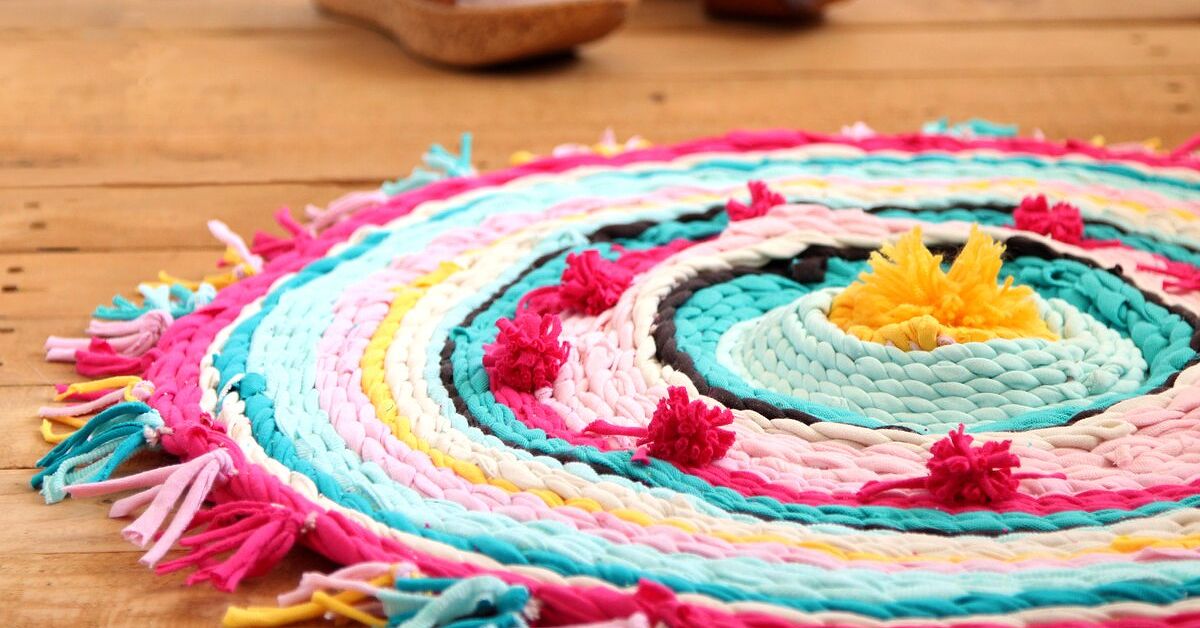
A rag rug is a classic way to reuse old clothes. Cut fabric into strips, braid them, and sew the braids into a spiral or rectangle. T-shirts, sheets, and cotton dresses work well. The finished rug can be used in bathrooms, laundry rooms, entryways, or anywhere that needs cozy texture.
18. Create Fabric Baskets
Old clothes can be cut into strips and wrapped around rope or braided into small baskets. These baskets are useful for keys, craft supplies, hair accessories, or the mysterious objects that gather on every table for reasons science has not yet explained.
19. Make Reusable Makeup Remover Pads
Soft cotton, flannel, or worn pajama fabric can be cut into small rounds or squares to make reusable makeup remover pads. Sew two layers together for durability. Wash them in a mesh laundry bag so they do not vanish into the same alternate universe that eats socks.
20. Turn Old Clothes Into Stuffing
Unwearable fabric can be cut into small pieces and used as stuffing for pillows, pet beds, draft stoppers, poufs, or plush toys. This keeps scraps useful even when they are too stained, stretched, or torn for visible projects.
21. Make a Child’s Dress-Up Box
Old scarves, hats, shirts, jackets, and costume-like pieces can become part of a dress-up box for kids. Remove anything unsafe, sharp, or too delicate, then let imagination do the rest. Yesterday’s outdated blazer may become tomorrow’s superhero cape, detective coat, or royal robe.
22. Upcycle Clothes With Dye
Fabric dye can rescue faded shirts, stained cotton, dull dresses, and tired sweatshirts. Dark colors are especially useful for covering uneven wear. Tie-dye, dip-dye, and botanical-inspired color patterns can make old garments feel new again without buying a fresh wardrobe.
23. Crop, Cut, or Restyle Clothing
Sometimes a piece does not need to disappear; it just needs a haircut. Turn jeans into shorts, long dresses into skirts, oversized shirts into cropped tops, or old sweatshirts into sleeveless gym layers. Restyling is one of the fastest ways to reuse old clothes while keeping them wearable.
24. Host a Clothing Swap
If your clothes are still wearable but no longer your style, organize a clothing swap with friends, neighbors, classmates, coworkers, or a local community group. Everyone brings clean items in good condition and leaves with something new-to-them. It is shopping without spending money, which is basically a small miracle with hangers.
25. Sell Quality Pieces Secondhand
Brand-name, trendy, vintage, or gently used clothing can often be sold through consignment stores, resale shops, or online marketplaces. Selling extends the life of clothing and gives you money for items you were not wearing anyway. Before listing, wash the garment, photograph it clearly, and describe flaws honestly.
26. Donate Wearable Clothing Responsibly
Donation is a smart option for clean, wearable clothes. However, donation centers are not magical laundry caves. Wash items first, check pockets, pair shoes together, and avoid donating wet, moldy, heavily contaminated, or unsafe items. Good donation etiquette helps charities spend less time sorting trash and more time serving communities.
27. Use Textile Recycling for Unwearable Items
For clothes that are torn, stained, or beyond repair, look for textile recycling programs, municipal drop-off sites, retailer take-back options, or mail-in recycling services. Some textiles can be reprocessed into industrial rags, padding, insulation, or fiber materials. Keep items dry and clean, and never recycle fabric contaminated with paint, oil, pesticides, or hazardous substances.
28. Build a Repair Kit and Keep Clothes Longer
The best way to reuse old clothes is to delay the moment they become old in the first place. Keep a small repair kit with needles, thread, buttons, fabric patches, safety pins, a seam ripper, and fabric glue. Repair loose buttons, small holes, broken hems, and minor tears quickly. A five-minute fix today can save a favorite shirt from becoming tomorrow’s rag.
How to Choose the Best Reuse Method
Not every old garment belongs in the same reuse pile. A silk blouse, a cotton T-shirt, a wool sweater, and a pair of stretch leggings all behave differently. Cotton is great for rags, napkins, quilts, and bags. Denim is strong enough for totes, patches, aprons, and tool rolls. Wool sweaters can become mittens, coasters, pet bedding, or warm craft projects. Stretchy athletic fabric is useful for headbands, scrunchies, and soft ties, though it can be harder to sew cleanly.
Condition matters too. If the item is clean and wearable, donate, sell, swap, or restyle it. If it has a fixable flaw, repair it. If it is no longer wearable but still clean, cut it into useful pieces. If it is too damaged for home reuse, textile recycling is usually better than throwing it away. The only hard stop is contamination. Fabric covered in motor oil, paint, mildew, strong chemicals, or hazardous residue should not be donated or casually recycled.
Common Mistakes to Avoid When Reusing Old Clothes
Don’t Donate Trash in Disguise
Charities and thrift stores often handle huge volumes of donations. Sending them dirty, wet, broken, or unusable clothing creates extra labor and disposal costs. If you would not hand it to a neighbor with a straight face, think twice before donating it.
Don’t Start With a Complicated Project
If you are new to upcycling clothes, begin with simple projects like rags, plant ties, no-sew bags, or pillow covers. Starting with a tailored jacket reconstruction may sound exciting, but it can quickly become a fabric crime scene.
Don’t Forget to Wash First
Clean fabric is easier to cut, sew, store, donate, and recycle. Washing also removes odors and dust. Dry everything completely before storing or donating because moisture can cause mildew and ruin an entire bag of textiles.
Don’t Keep Every Scrap Forever
Reuse is wonderful. Hoarding is reuse’s chaotic cousin. Keep scraps you have a realistic plan for, and recycle or responsibly discard what you cannot use. A closet stuffed with “future projects” can become a museum of good intentions.
Real-Life Experiences: What Reusing Old Clothes Looks Like at Home
The best thing about reusing old clothes is that it quickly becomes a habit. Once you stop seeing worn fabric as waste, you start seeing possibilities everywhere. A faded T-shirt becomes a cleaning rag. A stretched sweater becomes a pillow cover. A pair of jeans becomes a bag tough enough to carry library books, groceries, or the emotional burden of forgetting your shopping list.
One practical experience many people have is the “closet audit weekend.” It usually begins with confidence and one empty laundry basket. Then, halfway through, the room looks like a department store sneezed. The trick is to sort items into clear piles: keep, repair, donate, sell, reuse, and recycle. This prevents decision fatigue and keeps the process moving. The most surprising pile is often the repair pile. Many clothes are not truly unwanted; they are just missing a button, sitting with a loose hem, or waiting for a stain solution.
Another common experience is discovering that old clothes save money in small but satisfying ways. Cut-up shirts replace disposable wipes for dusting. Old towels become car-cleaning cloths. Soft pajama fabric becomes reusable makeup pads. Worn cotton shirts become napkins for casual meals. None of these changes will make you rich overnight, but they reduce repeat purchases. It feels like finding coins in the couch, except the couch is your laundry basket.
Families often find clothing reuse especially helpful. Children outgrow clothes quickly, and not every item is suitable for donation after playgrounds, paint days, and snack-related incidents have done their work. Turning small shirts into quilt squares, doll clothes, craft fabric, or cleaning cloths keeps those textiles useful. For sentimental pieces, a memory quilt or pillow can preserve the story without requiring parents to store twelve bins labeled “tiny socks, emotionally important.”
Pet owners also become experts at clothing reuse. Dogs rarely care if their bedding once belonged to a college sweatshirt. Cats are even easier: place an old sweater in a box, and they will act as if you imported luxury furniture from Europe. Clean towels and blankets can also be useful for shelters, but it is always smart to check local requirements first.
The biggest lesson is that reusing old clothes does not have to be perfect. Your first tote bag may be crooked. Your first patch may look “artistically determined.” Your first rag rug may have a personality larger than its shape. That is fine. Reuse is not about creating showroom-level crafts every time. It is about extending the life of materials, reducing waste, and building a more thoughtful relationship with the things you already own.
Conclusion
Old clothes are not just clutter. They are raw material, memory keepers, cleaning helpers, pet comforters, craft supplies, and sometimes future fashion waiting for a second chance. Whether you cut a T-shirt into rags, turn jeans into a tote, host a clothing swap, repair a favorite jacket, or recycle worn-out textiles through the right program, every small action helps reduce waste and stretch the value of what you already own.
The next time your closet looks crowded, do not panic. Think of it as a tiny fabric warehouse with excellent potential. With these 28 ways to reuse old clothes, you can declutter smarter, save money, create useful items, and keep textiles out of the trash for longer. Your closet gets breathing room, your home gets practical upgrades, and your old clothes get to enjoy a second act. Honestly, not bad for a shirt that used to have spaghetti sauce on it.