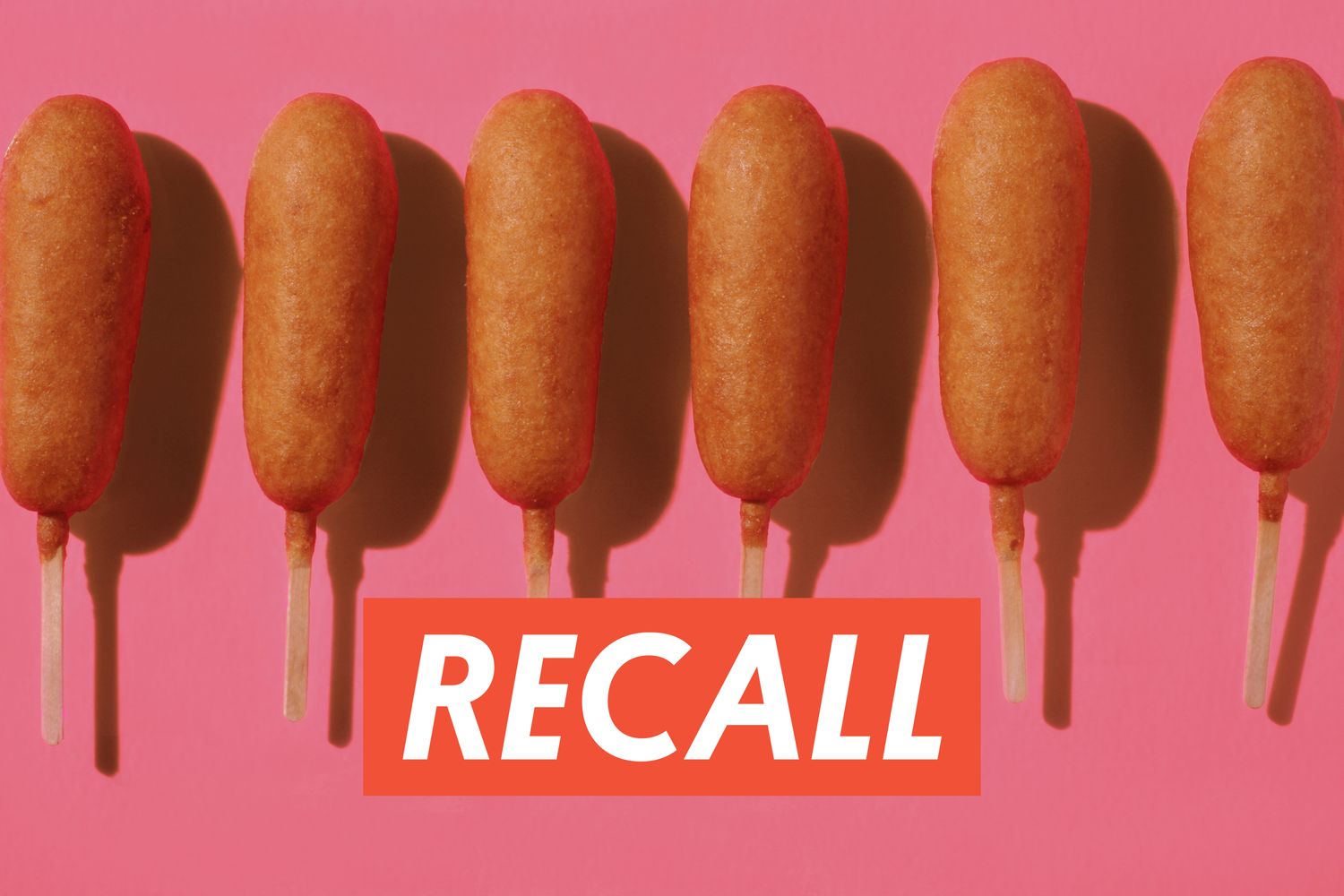
There are few foods more committed to the art of convenience than the frozen corn dog. It lives in the freezer, waits patiently, and asks almost nothing of you except a few minutes of heat and a little respect for ketchup. That is why this nationwide recall hit such a nerve. When millions of frozen corn dogs and sausage-on-a-stick products were pulled from shelves after reports of injuries, the story landed with the force of a weeknight dinner plot twist nobody ordered.
The recall was not about a mislabeled flavor, a packaging typo, or some tiny technical glitch buried in corporate paperwork. It was about pieces of wood reportedly embedded in the batter. In other words, the stick was showing up where the stick absolutely did not belong. For consumers, parents, school food buyers, and anyone whose freezer doubles as a backup meal plan, the news was a reminder that food safety problems do not always look dramatic until they are suddenly very dramatic.
This frozen corn dog recall matters because it combines all the ingredients of a modern food-safety headache: an enormous distribution footprint, familiar household brands, products sitting quietly in home freezers, and reports of real injuries rather than vague “potential concerns.” It also raises a bigger question that goes beyond one brand or one factory: how does a comfort food become a cautionary tale, and what should people actually do when a recall of this size lands in their kitchen?
What Happened in the Corn Dog Recall?
The recall centered on millions of pounds of frozen corn dogs and sausage-on-a-stick products sold nationwide under popular brand names, including State Fair and Jimmy Dean, along with some unbranded food-service items. According to public reporting and official recall information, the issue involved wood pieces embedded in the batter. That detail is what turned a freezer staple into a serious food-safety concern.
On paper, a recall notice can sound stiff and clinical. In real life, the meaning is simple: consumers may have bought products that could injure them while chewing or swallowing. Reports of injuries made this recall especially alarming. This was not a theoretical, lawyer-approved “abundance of caution” headline floating around the internet for clicks. There were actual complaints, actual product investigations, and actual harm reported.
The recall also stretched across a broad production window, which meant the affected products were not limited to one random shipment or one unlucky pallet. They had been packaged over months and distributed widely. Translation: this was the kind of recall that sends people into the freezer with the investigative intensity of a detective in a crime series, except the suspect is a box of corn dogs next to the frozen peas.
Why This Recall Matters More Than the Average Food Scare
It involves physical contamination, not just a labeling problem
Food recalls happen for many reasons. Sometimes the issue is an undeclared allergen. Sometimes it is bacterial contamination. In this case, the concern was foreign object contamination, which tends to feel especially personal because the danger is immediate and mechanical. People do not need to understand microbiology to understand that biting into wood is bad news.
Physical contaminants can lead to chipped teeth, cuts in the mouth, throat irritation, choking, and in worst-case scenarios, more serious internal injuries. That is part of why reports of injuries matter so much in recall coverage. They move the story from “possible defect” into “credible hazard.” Nobody wants dinner to come with surprise carpentry.
Frozen food feels safe by default
Frozen meals and snacks often benefit from what might be called the “freezer halo.” Consumers assume that if something is fully cooked, neatly boxed, and tucked behind a frosty door, it has already passed every imaginable safety checkpoint. Most of the time, that assumption works out. But a recall like this reminds us that freezing preserves food; it does not magically erase manufacturing problems.
That gap between expectation and reality is why frozen food recalls tend to stick in people’s minds. The products are familiar, long-lasting, and usually bought in bulk. A consumer may have purchased them months earlier, forgotten about them, and then rediscovered them only after the recall made national news. Suddenly the freezer becomes less of a convenience zone and more of an archaeological site.
Which Products Were Affected?
The recalled items included select frozen products sold under the State Fair and Jimmy Dean labels, plus certain unbranded food-service products. Examples publicly mentioned in coverage included various corn dogs, pancakes-and-sausage-on-a-stick products, and related battered stick items. That broad category matters because many consumers do not remember exact product names, but they do remember the general shape of the thing sitting in their freezer.
Consumers were advised to check for identifying details such as:
- Brand names including State Fair and Jimmy Dean
- Products packaged within the affected production period
- Establishment numbers such as EST-582 or P-894 printed on the packaging
- Use-by dates and product descriptions matching the recall notice
That last point is important. In a large frozen corn dog recall, packaging details matter more than memory. “I bought them sometime last year” is not useful. “I found a State Fair box with the matching establishment number” is useful. The safest move is not to rely on vibes, confidence, or a freezer-burned sense of optimism.
What Should Consumers Do Right Now?
If you have one of the recalled products, the basic advice is refreshingly unromantic: do not eat it. Do not trim off a suspicious area. Do not decide that heating it extra-long will somehow solve a wood problem. This is not a “maybe it will be fine” situation. If a product is part of a recall involving physical contamination, the sensible response is to stop treating it like food.
- Check your freezer carefully. Look at brand names, product names, establishment numbers, and use-by dates.
- Do not consume affected items. Even if the product looks normal from the outside, that does not make it safe.
- Return it or throw it away. Follow the recall instructions provided by the manufacturer or retailer.
- Consider cleanup. If the recalled food contacted surfaces or containers, wash and sanitize them.
- Seek medical advice if needed. Anyone who thinks they were injured should contact a healthcare provider.
For schools, institutions, and food-service operators, the stakes are even higher because volume multiplies risk. One overlooked case of recalled products in a stockroom can quickly affect many people. That is why recall management in institutional settings is less about casual fridge-cleaning energy and more about inventory control, communication, and immediate disposal or return.
How Does Wood End Up in the Batter?
According to public recall reporting, the manufacturer’s investigation concluded that the wooden sticks entered the production process before battering. That detail may sound oddly specific, but it matters. It suggests the contamination problem was tied to a particular step in manufacturing rather than random mishandling by shoppers, retailers, or home cooks.
In mass food production, small errors can scale with breathtaking efficiency. A flaw in one stage of a line can affect thousands, or millions, of units before the pattern becomes visible through complaints or inspections. That is one reason large recalls can feel so unsettling: they are not usually caused by one bizarre accident that everyone spots immediately. They are often caused by a system doing the wrong thing very consistently.
This is also why food recall injuries can act like an alarm bell. Consumer complaints often reveal what internal systems missed, or what they had not yet fully recognized. By the time enough complaints surface, products may already be in freezers across the country, quietly waiting for their turn in the microwave.
What This Says About Food Safety in America
The good news is that recall systems exist, and when they work, they help pull dangerous products out of circulation. The bad news is that a recall often arrives after the products have already reached homes, schools, and institutions. In this case, the nationwide distribution made the event feel especially large because it touched both ordinary family grocery habits and big institutional purchasing systems.
There is also a branding lesson here. Consumers tend to trust familiar food brands, especially ones tied to easy family meals. A well-known label can create a sense of comfort that is emotionally understandable but not always protective. Brand recognition is useful when you are picking snacks in a hurry. It is less useful when the recall notice tells you the box in your freezer belongs in the trash.
Another lesson is that food safety is not just about pathogens. When people hear “unsafe food,” they often picture bacteria, spoiled dairy, or undercooked meat. But physical contaminants can be just as serious in their own way, especially when they cause sudden injury. A splinter or shard does not need to multiply to ruin your day.
Why the Recall Reached Beyond Grocery Stores
One especially notable part of the story is that the affected products were not only sold through retail channels. They were also distributed to food-service locations and other institutions. That broad distribution pattern is part of what makes a nationwide recall feel so massive. It is not just about someone grabbing a convenience dinner at the supermarket. It is also about cafeterias, organized meal service, and large buyers who depend on frozen foods for speed and consistency.
That does not automatically mean every institution served the recalled items, but it does widen the circle of concern. Parents hear “school distribution” and immediately imagine lunch trays. Military families hear “Defense facilities” and start wondering where the products traveled. Even when official notices clarify the products were not part of a specific USDA school lunch program, the phrase still gets attention, and for obvious reasons.
The Consumer Experience: What a Recall Like This Feels Like
Here is the part that rarely gets enough attention in recall stories: the experience is not just about the contaminated product. It is about the cascade of annoyance, worry, inconvenience, and second-guessing that follows. For many households, a recall begins with disbelief. People see the headline and think, “Wait, my frozen corn dogs are in the news?” It is such an ordinary food that the danger feels absurd for a second. Then the freezer door opens, and the absurdity turns into inspection mode.
For parents, the experience is often especially jarring because frozen stick foods are classic fallback meals. They are the “everyone is tired, dinner needs to happen in 10 minutes” solution. They are what you keep for overbooked evenings, after-school hunger emergencies, or those moments when a child rejects the carefully cooked meal and requests something suspiciously carnival-adjacent. Finding out that a backup food may have injured people changes the emotional equation fast. Convenience suddenly feels like risk.
For shoppers who think they may have eaten the product already, the experience can be even more unsettling. Maybe they remember a weird crunch. Maybe they do not. Maybe they now replay a recent meal like a courtroom drama in their head: Was that normal texture? Was that just overcooked batter? Should I be worried? That uncertainty is part of what makes reports of injuries so powerful. They make people revisit recent meals in a way nobody enjoys.
Retail workers and customer-service teams get their own version of the chaos. A giant recall means questions pour in quickly: Which boxes are affected? Can customers get refunds? Is every product under the brand recalled or only certain ones? In practice, these recalls create a strange moment where grocery stores become part detective agency, part public help desk, and part emotional support line for people holding a box of suspicious corn dogs.
Schools and institutions face a different challenge. Their experience is less about one consumer’s dinner and more about inventory management, record-checking, and rapid communication. Someone has to verify stock, pull items, notify staff, and make sure no recalled product slips into circulation by accident. A recall at that scale becomes an operations problem as much as a food problem.
Then there is the quieter consumer experience that happens after the headline fades. People become more skeptical. They read packaging more carefully. They start checking lot codes they used to ignore. They realize food safety is not just a factory issue far away from home; it is a household issue that lives in cupboards, refrigerators, and freezers. That may be the most lasting effect of a recall like this. It changes the way ordinary people look at ordinary food.
And yes, there is also the universal final stage: standing in front of the trash can, holding a box you paid for, wondering how dinner became paperwork. That part may not make official recall notices, but it is absolutely part of the lived experience.
Final Takeaway
The nationwide recall of millions of frozen corn dogs and sausage-on-a-stick products is a story about more than one defective batch of food. It is a reminder that convenience foods still depend on complex manufacturing systems, and when those systems fail, the fallout can travel fast. In this case, the combination of familiar brands, broad distribution, and injury reports turned the recall into major national news for good reason.
If there is one practical lesson for consumers, it is this: take recall notices seriously, especially when they involve foreign object contamination and reported injuries. Check the box. Read the numbers. Do not gamble on a freezer snack. The corn dog is supposed to bring nostalgic fairground energy, not a conversation with your dentist or doctor.