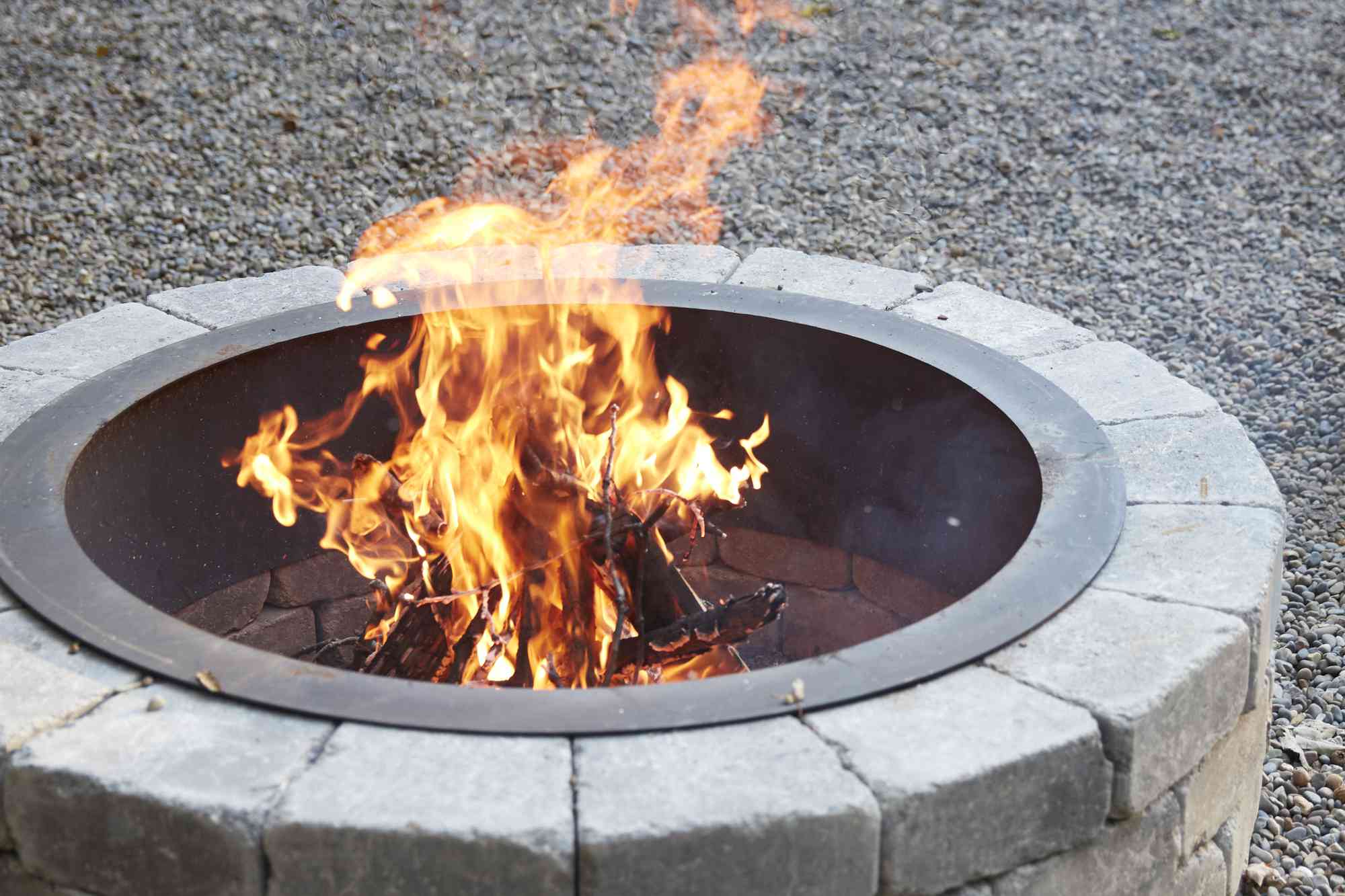
A stone fire pit has a special talent: it can make a backyard feel like a mountain cabin, a boutique lodge, and your favorite summer camp all at once. Add a few chairs, a blanket or two, and suddenly everyone becomes deeply philosophical about marshmallows. That is the magic of a rustic outdoor space. It does not need to be perfect. In fact, the slightly weathered, natural, imperfect look is the whole point.
Whether you have a wide backyard, a compact patio, a sloped garden, or a side yard that currently looks like it is waiting for a personality, the right stone fire pit idea can turn it into a warm and inviting gathering place. Natural stone, gravel, pavers, boulders, flagstone, and stacked masonry all bring texture, durability, and timeless character. The best designs also balance beauty with practical details such as seating distance, airflow, drainage, safe placement, and local fire rules.
Below are 21 stone fire pit ideas for a rustic outdoor space, with design notes, examples, and smart planning tips to help you create a backyard feature that feels cozy, grounded, and not like it was randomly dropped from a hardware-store spaceship.
Why Stone Fire Pits Work So Well in Rustic Outdoor Design
Stone has a natural advantage in outdoor design because it already belongs outside. It pairs beautifully with wood fences, native plants, gravel paths, Adirondack chairs, garden beds, and weathered patio furniture. Unlike shiny materials that can look out of place in a relaxed backyard, stone gets better with age. A bit of moss, a softened edge, or a sun-faded surface only adds character.
A rustic stone fire pit also creates a strong focal point. It tells guests where to gather without needing a neon sign that says, “Please sit here and talk about snacks.” The shape, height, surrounding patio, and seating arrangement all help define the outdoor room. For the most cohesive look, repeat materials already used around your home, such as fieldstone from a retaining wall, bluestone from a patio, or river rock from a garden border.
21 Stone Fire Pit Ideas for a Rustic Outdoor Space
1. Classic Round Fieldstone Fire Pit
A round fieldstone fire pit is the backyard version of comfort food. It feels familiar, relaxed, and naturally rustic. The uneven shapes of fieldstone create a hand-built look that works especially well in cottage gardens, wooded lots, and country-style yards.
Keep the surrounding area simple with pea gravel, wood chairs, and low plantings. The round shape encourages conversation because everyone faces the center. It is a great choice if you want a timeless backyard fire pit that looks like it has always been there.
2. Flagstone Patio With a Central Fire Pit
Flagstone is one of the best materials for creating a rustic outdoor space because every slab has its own shape and color variation. Place a stone fire pit at the center of a flagstone patio to create a natural gathering zone that feels polished without becoming too formal.
For a softer look, allow creeping thyme or low ground cover to grow between the stones in areas away from the fire feature. The result is charming, textured, and slightly storybookminus the dragon, hopefully.
3. Boulder-Ring Fire Pit
For a rugged, mountain-inspired design, arrange large boulders around a fire pit area. This idea works beautifully in woodland backyards, lake houses, and properties with natural slopes. Boulders create visual weight and make the fire pit feel connected to the land.
Use boulders as a border rather than as casual seating unless they are flat, stable, and comfortable. Most boulders look better than they feel. Your guests will appreciate chairs more than a surprise geology lesson for their tailbones.
4. Stacked Stone Fire Pit With Matching Seat Wall
A stacked stone fire pit paired with a curved seat wall creates a complete outdoor room. This is one of the most practical stone fire pit ideas for entertaining because the seat wall adds structure, extra seating, and a built-in wind buffer.
Match the stone on the wall and fire pit for a unified design. Add cushions or weather-resistant pillows to soften the look. This works especially well around patios where you want a permanent, upscale rustic feature.
5. Sunken Stone Fire Pit Lounge
A sunken fire pit area feels intimate and dramatic. Stone retaining walls can define the lower level, while steps lead down into the seating zone. This style is ideal for sloped yards because it turns a tricky grade into a design advantage.
The rustic appeal comes from the sense of enclosure. People naturally linger in sunken spaces because they feel protected and cozy. Just make sure the layout allows safe movement, clear exits, and proper drainage.
6. River Rock Fire Pit Border
River rock brings a softer, more organic feel than sharp-edged stone. Use it as a decorative border around a fire pit patio or as a transition between the seating area and garden beds. Its rounded texture pairs well with water features, ornamental grasses, and relaxed outdoor furniture.
This idea is perfect if you want a rustic outdoor space that feels calm rather than rugged. Think spa retreat meets campfire night, which is basically the dream.
7. Stone Fire Pit on a Pea Gravel Patio
Pea gravel is budget-friendly, casual, and wonderfully rustic. A stone fire pit placed on a pea gravel patio looks natural and unfussy. It also helps define the fire pit area without requiring a large paved surface.
Choose compacted gravel for stability and add stone edging to keep everything contained. Pair the space with wooden chairs, lanterns, and a simple side table for drinks. Gravel has one rule: it loves to travel, so edging is your best friend.
8. Square Stone Fire Pit for a Modern Rustic Look
Round fire pits feel traditional, but a square stone fire pit brings a cleaner, more architectural style. It still feels rustic when built with textured stone, but the shape gives it a modern edge.
This idea works well with rectangular patios, contemporary farmhouses, and outdoor spaces that use straight lines. Add low-profile lounge chairs to keep the look balanced and uncluttered.
9. Fire Pit Built Into a Stone Retaining Wall
If your yard already has a retaining wall, consider integrating the fire pit into the same design language. A built-in stone fire pit near a wall or ledge can make the entire landscape feel intentional.
This approach is especially useful for small yards because the wall can help define seating on one side, reducing the amount of furniture needed. The result is efficient, cozy, and visually strong.
10. Rustic Fire Pit With Adirondack Chairs
Few combinations are more classic than a stone fire pit surrounded by Adirondack chairs. The wide arms are perfect for mugs, plates, and the occasional marshmallow that rolls away from its destiny.
Choose natural wood, black, forest green, or warm neutral chairs for a rustic look. Arrange them in a generous circle so people can move safely and comfortably. Add a gravel or flagstone base to complete the space.
11. Bluestone Fire Pit Patio
Bluestone offers a refined rustic style with cool gray-blue tones and a naturally elegant surface. It looks beautiful with stone fire pits, white oak furniture, black metal accents, and lush green landscaping.
Use irregular bluestone for a more organic look or cut bluestone for a cleaner design. Either way, it creates a durable outdoor living area that feels upscale but still connected to nature.
12. Low Stone Fire Ring for a Camp-Style Backyard
A low stone fire ring creates a casual campfire feeling. This design is best for homeowners who want the relaxed look of a simple fire circle without turning the backyard into a major construction project.
Keep the styling minimal: a gravel base, movable chairs, and maybe a nearby stack of blankets. The charm comes from simplicity. It says, “We gather here,” not “We hired a committee to approve this patio.”
13. Stone Fire Pit With Built-In Cooking Ledge
For outdoor food lovers, a stone fire pit with a wide cap or ledge can provide a practical surface for setting down tools, plates, or ingredients. The key is to design the feature with heat-rated, appropriate materials and consult a professional when cooking functions are part of the plan.
This idea works well in rustic outdoor kitchens or patio spaces near a dining area. It gives the fire pit more purpose without sacrificing charm.
14. Desert Rustic Stone Fire Pit
In dry-climate landscapes, combine a stone fire pit with decomposed granite, boulders, succulents, and weathered wood. Warm-toned stone such as sandstone or tan pavers blends beautifully with desert plants.
This style is low-water, low-maintenance, and full of texture. Add simple seating and avoid overcrowding the space. Desert rustic design works best when it has room to breathe.
15. Woodland Fire Pit Nook
If your backyard has mature trees, create a woodland-inspired fire pit nook in an open, safely placed clearing. Use natural stone, gravel paths, and native shade-tolerant plants to make the area feel tucked away.
The key is balance. You want the mood of a forest retreat, not a fire feature squeezed under branches. Keep clearance, local rules, and safe placement at the center of the design.
16. Stone Fire Pit With Pergola Nearby
A pergola can frame an outdoor seating area and make the fire pit zone feel like an intentional room. For safety and comfort, the fire pit itself should be placed with proper clearance and not crowded under combustible overhead materials.
Use the pergola nearby for string lights, climbing plants, or a dining area. The stone fire pit can sit just beyond it, creating two connected spaces: one for eating and one for fireside lounging.
17. Rustic Stone Fire Pit Beside a Garden Path
A winding stone path leading to a fire pit adds a sense of discovery. This design works especially well if the fire pit is placed away from the house, giving it a destination-like feeling.
Use stepping stones, gravel, or irregular pavers to guide the eye. Add low landscape lighting along the path so guests do not have to navigate by moonlight and optimism.
18. Two-Level Patio With Fire Pit Zone
A two-level patio can separate dining from lounging. Use one level for an outdoor table and the other for a stone fire pit seating area. Natural stone steps or retaining walls help connect the zones while maintaining a rustic style.
This idea is excellent for larger yards or homes that host often. It prevents the fire pit from competing with the grill, dining table, and that one guest who always stands in the kitchen doorway.
19. Stone Fire Pit With Privacy Planting
Privacy makes a fire pit feel more relaxing. Surround the space with layered plantings such as evergreen shrubs, ornamental grasses, and small trees. The stone fire pit anchors the area while greenery softens the edges.
Choose plants that suit your climate and keep them properly spaced from the fire feature. A rustic outdoor space should feel lush, but not like the shrubs are trying to join the conversation.
20. Gas Fire Pit With Natural Stone Surround
If you want the look of a rustic stone fire pit with easier operation and less smoke, consider a gas fire pit with a natural stone surround. This option can work well in neighborhoods where wood smoke is a concern or where local rules limit wood-burning features.
The stone exterior keeps the design warm and natural, while the gas element provides convenience. Always use qualified professionals for gas connections and follow local requirements.
21. Rustic Fire Pit With Mixed Stone Textures
One of the most interesting stone fire pit ideas is to mix textures carefully. For example, pair a rough stacked-stone fire pit with smooth bluestone paving, or combine boulder accents with pea gravel and cut stone steps.
The trick is to keep the color palette consistent. Too many stone colors can make the space look chaotic, like the patio got dressed in the dark. Choose two or three related tones and repeat them throughout the design.
How to Choose the Best Stone Fire Pit Idea for Your Yard
Consider the Size of Your Outdoor Space
Small patios usually work best with compact round or square fire pits, while larger yards can handle built-in seat walls, sunken lounges, or broad flagstone patios. Leave enough room for chairs, side tables, and safe walking paths. A fire pit should invite people in, not force them to perform furniture gymnastics.
Match the Fire Pit to Your Home’s Style
A rustic fire pit does not have to look rough. A farmhouse may pair beautifully with fieldstone and gravel. A mountain home may suit boulders and flagstone. A modern home can still feel rustic with clean-lined stone, neutral pavers, and simple seating.
Think About Maintenance
Natural stone is durable, but the surrounding area matters. Gravel may need occasional raking. Patio joints may need cleaning. Wood-burning areas require ash management and weather protection. Gas fire pits need professional installation and periodic system checks. Choose a design that fits your lifestyle, not your fantasy version of yourself who apparently has unlimited Saturday energy.
Prioritize Safety and Local Rules
Before installing or using any fire feature, check local codes, burn rules, HOA guidelines, and permit requirements. Place fire pits on stable, noncombustible surfaces such as stone, concrete, brick, or gravel. Keep the area away from structures, fences, low branches, dry vegetation, and anything that can burn. For wood-burning designs, a spark screen, nearby extinguisher, and responsible adult supervision are essential.
Best Materials for a Rustic Stone Fire Pit Area
Fieldstone
Fieldstone has irregular shapes and earthy colors, making it ideal for rustic fire pits. It looks natural in wooded, cottage, and country-style landscapes.
Flagstone
Flagstone is excellent for patios and walkways around a fire pit. Its broad, flat surface creates a practical seating area with organic character.
Bluestone
Bluestone feels slightly more refined but still rustic. It works well for elegant patios, outdoor rooms, and homes with gray or neutral exterior palettes.
River Rock
River rock is best used as a decorative border or landscape accent. Its rounded shape brings softness and movement to the design.
Gravel
Pea gravel and crushed stone are affordable, casual, and excellent for defining a rustic fire pit zone. They pair beautifully with simple wood or metal seating.
Fire Pit Seating Ideas That Complete the Rustic Look
Seating can make or break a fire pit area. Adirondack chairs create a classic camp-style look. Wicker lounge chairs feel relaxed and comfortable. Built-in stone benches add permanence and structure. Wooden benches bring farmhouse charm. For a flexible layout, mix chairs and small outdoor stools so guests can move around easily.
Keep furniture far enough from the fire for comfort and safety. Add outdoor pillows, wool-look throws, and side tables to make the area feel finished. The goal is to create a place where people naturally settle in, not a ring of chairs that looks like a very serious backyard meeting.
Lighting and Landscaping Around a Stone Fire Pit
A rustic outdoor space should look inviting even before the fire is lit. Use low-voltage path lights, lantern-style fixtures, or subtle string lights nearby. Avoid harsh lighting that makes the area feel like a parking lot under investigation.
For landscaping, choose layered plants that complement the stone. Ornamental grasses add movement. Evergreens provide year-round structure. Native perennials bring seasonal color. Ground covers soften patio edges. Keep plantings at a safe distance from the fire feature and maintain them regularly, especially in dry seasons.
Common Mistakes to Avoid
Choosing Looks Over Location
A fire pit may look perfect in a photo, but real life includes wind direction, smoke, trees, fences, neighbors, and traffic flow. Choose a location that is attractive and practical.
Using Too Many Materials
Rustic does not mean random. Limit your stone colors and repeat materials from your home, patio, or garden walls for a cohesive look.
Forgetting About Comfort
A beautiful fire pit without comfortable seating is just a decorative circle. Add chairs with good back support, side tables, and enough space for people to move.
Ignoring Smoke and Air Quality
Wood smoke can bother neighbors and may affect people with asthma, lung conditions, or other sensitivities. Consider wind patterns, local burn rules, and cleaner-burning options when planning your outdoor fire feature.
Experience Notes: What Real Backyard Fire Pit Spaces Teach You
The biggest lesson from spending time around rustic stone fire pits is that the best spaces are not always the fanciest. They are the ones people actually use. A perfectly symmetrical patio with expensive stone can sit empty if the chairs are uncomfortable, the smoke blows toward the house, or the fire pit feels too far from the back door. Meanwhile, a simple gravel circle with a well-placed stone fire ring and four sturdy chairs can become the most popular “room” in the home.
Another experience worth noting: seating layout matters more than people think. When chairs are too close, guests feel heat on their knees and smoke in their faces. When they are too far away, the fire becomes a tiny decorative candle with commitment issues. A comfortable middle distance creates conversation, warmth, and easy movement. Side tables also make a huge difference. Without them, everyone ends up balancing drinks, plates, phones, and marshmallow skewers like they are auditioning for a circus.
Rustic fire pit areas also benefit from a clear path. If the space is across the yard, a stone walkway or gravel path makes it feel intentional. Without a path, guests may hesitate to cross wet grass or uneven ground, especially at night. Lighting along the route turns the fire pit into a destination. It also prevents the classic backyard stumble, which is never as graceful as people hope.
Weather teaches its own lessons. In cooler regions, stone fire pits feel wonderful in fall and early spring, especially when paired with blankets and wind protection. In warmer climates, the fire pit may be used more for ambiance than heat, so shade, airflow, and seating comfort become even more important. In snowy areas, durable stone and a simple layout can keep the space attractive year-round, even when the fire pit is not in use.
One underrated detail is storage. A rustic space looks better when tools, covers, cushions, and firewood have a home. A small storage bench, covered wood rack, or nearby shed keeps the area tidy. Otherwise, the fire pit zone can slowly become a museum of random outdoor objects: one glove, three chair cushions, a mystery tarp, and a poker nobody remembers buying.
Finally, the best stone fire pit spaces feel connected to the rest of the landscape. Repeat stone from a walkway. Echo wood tones from a fence. Use plants that already grow well in the yard. When the fire pit looks like part of the property rather than an accessory placed on top of it, the entire outdoor space feels calmer, warmer, and more valuable. Rustic design is not about being messy or old-fashioned. It is about creating a place that feels natural, useful, and welcoming enough that people want to stay for “just five more minutes”which, around a good fire pit, usually means another hour.
Conclusion
A stone fire pit is one of the most effective ways to create a rustic outdoor space with personality, warmth, and year-round appeal. From classic fieldstone circles to sunken lounges, gravel patios, built-in seat walls, and gas fire pits with natural stone surrounds, there is a design for nearly every backyard style and budget.
The best approach is to think beyond the fire pit itself. Consider the patio surface, seating, pathways, lighting, landscaping, smoke direction, and safety requirements. When all of those details work together, your backyard becomes more than a place outside the house. It becomes the place everyone wants to gather, relax, laugh, snack, and stare dramatically into the flames like they are in the final scene of a very cozy movie.