Note: SEO tags are placed at the end in JSON format for easy publishing.
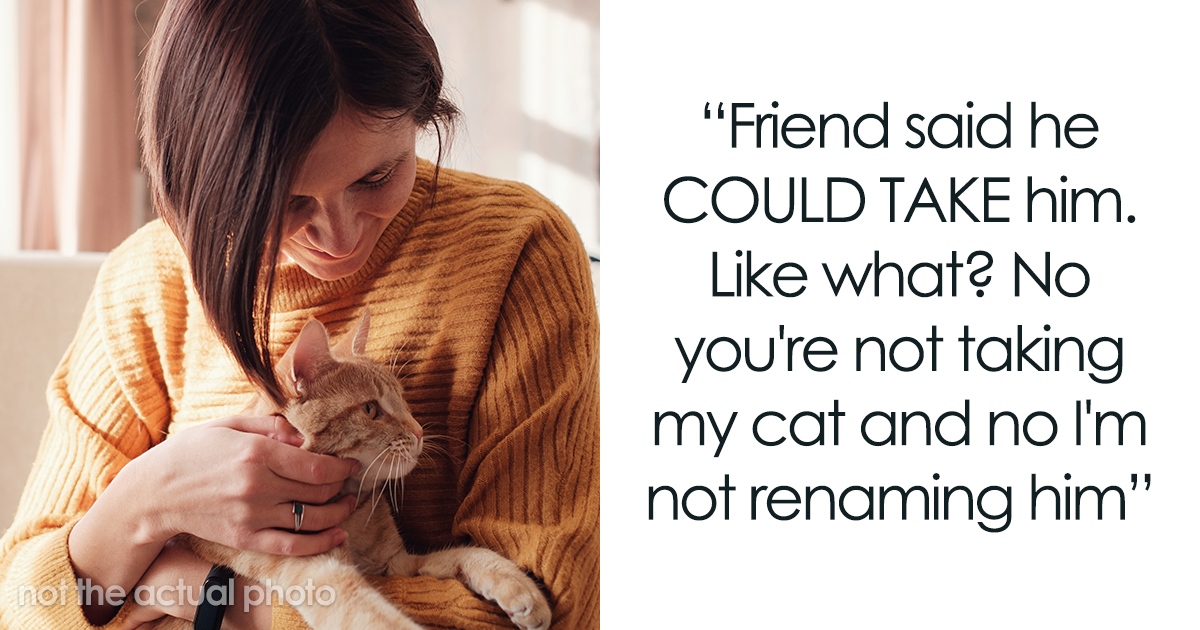
There are family arguments, and then there are internet-grade family argumentsthe kind that make strangers put down their coffee, crack their knuckles, and prepare for battle in the comments. A dispute over whether a beloved family cat should be rehomed simply because a sister wants the same name for her baby son absolutely qualifies. It sounds ridiculous on first read, and honestly, it does not get less ridiculous on the second. Or the third. If anything, it gets weirder, like a sitcom plot that forgot to hire an editor.
But this kind of story spreads fast because it hits several emotional buttons at once: baby names, sibling rivalry, family boundaries, and pets who are treated like actual family members. In American households, cats are not just decorative roommates with whiskers. They are part of the routine, part of the emotional fabric of the home, and very often part of the family’s identity. Asking someone to rehome a cat over a naming preference is not a small request. It is a request wrapped in entitlement, dipped in drama, and served with a side of “please rearrange your life for my feelings.”
This is why the story resonates. On the surface, it is about a name. Underneath, it is about who gets to control a family narrative, whose emotions are treated as most important, and whether a living pet can be reduced to an inconvenience because someone else wants a cleaner baby announcement. Spoiler: that is not how healthy families work.
Why This Story Strikes Such a Nerve
People are weirdly intense about names. Baby names carry hope, identity, legacy, and more than a little ego. Parents want the name to feel meaningful. Grandparents want it to sound respectable. Siblings sometimes want veto power they absolutely did not earn. Add a pet with the same name, and suddenly everyone is acting like civilization has reached a legal crisis.
But the emotional reaction is not really about phonetics. It is about symbolism. To the sister, the idea of her child “sharing” a name with a cat may feel silly, embarrassing, or beneath the polished image she has in mind. To the cat’s family, the demand feels insulting because it treats their pet as disposable and their bond as trivial. That difference in worldview is where the fireworks begin.
And let’s be honest: families do not always fight about what they say they are fighting about. The argument may sound like, “I don’t want my son to have the same name as a cat,” but what it often means is, “I want my preferences centered right now.” The pushback sounds like, “We’re not rehoming the cat,” but underneath it may also mean, “You don’t get to bulldoze us just because you’re pregnant.” Suddenly, the cat is just sitting there, magnificently innocent, while humans turn a name into a constitutional crisis.
Why Rehoming a Cat Over a Name Is the Wrong Move
A cat is not a throw pillow
Pets are not interchangeable accessories you swap out when the family aesthetic changes. In many homes, a cat has years of shared history with the people who care for it: routines, feeding times, favorite spots by the window, inside jokes, nicknames, and that one very specific chair the cat claims like a tiny fuzzy landlord. Rehoming a cat is a serious step, not a social convenience.
Animal welfare guidance consistently treats rehoming as something to consider when there are real, practical, welfare-related reasonshousing restrictions, severe allergies, unsafe behavior, financial hardship, or a situation where the pet’s needs genuinely can’t be met. “My sister wants the name for her baby” does not exactly make the emergency list. It does not even make the top one hundred.
Cats are sensitive to routine, even when they act like tiny aristocrats
Cats often recognize their names and respond to the tone, rhythm, and emotional associations attached to them. No, they do not salute and jog over like a Labrador in a patriotic commercial, but they do learn patterns, cues, and household language. They also respond to environmental changes more than many people realize. Shifts in routine, new people, tension in the home, or major changes can cause stress-related behaviors such as hiding, excessive grooming, reduced appetite, or marking.
That matters here for two reasons. First, suddenly renaming or rehoming a cat is not as emotionally neutral as people pretend. Second, if the cat is older, the stress of major disruption can be even harder. So while a person may frame the request as “It’s just a name,” to the animal and the household, it may be a whole lot more than that.
The problem is not the cat
The cat did not steal the baby name. The cat did not launch a personal branding campaign. The cat is not in the nursery plotting identity theft. The actual problem is that one family member wants everyone else to reorganize their emotional world around a preference. That is not pet management. That is control disguised as concern.
And here is the practical truth: human beings already survive this sort of overlap all the time. Families have cousins with the same names. There are juniors, seniors, nicknames, middle names, and about fourteen different men named Mike at every cookout in America. People manage. No one has to ship the cat off to a new ZIP code because two living beings answer to Oliver, Charlie, Leo, or Max.
Why Parents Get So Intense About Baby Names
Choosing a baby name can feel intensely personal, and that emotional weight is real. A name can represent heritage, style, memory, hope, religion, or a fresh start. When people are expecting a child, even mild comments can feel sharper than usual because the stakes feel high. That is one reason many parents keep their chosen names private until birth: outside opinions have a remarkable ability to turn a happy decision into a family debate team tournament.
But while those emotions are understandable, they do not automatically make every request reasonable. Pregnancy does not come with an all-access pass to other people’s pets, traditions, or boundaries. It is fair to want your child’s name to feel special. It is not fair to demand that someone else alter an established relationship with a pet so your announcement lands without a joke from Uncle Dave.
There is also a funny contradiction at work here. Parents often say a name is deeply meaningful because of what they bring to it. That is true. But if a name’s meaning is so strong, why would it suddenly be ruined by a cat? If your chosen baby name reflects love, intention, and identity, it should survive one tabby with excellent posture.
The Real Issue: Boundaries in Adult Families
This is where the story gets more interesting than the headline. The strongest families are not the ones that never disagree. They are the ones that can disagree without turning every preference into a power struggle. Adult sibling conflict often flares up when people recruit parents, keep score, compete for validation, or treat one another like they are still stuck in a childhood script.
That script can sound familiar: one sibling makes a demand, another resists, and suddenly the entire family gets drafted into camps. Mom wants peace. Dad thinks the request is absurd. Someone says, “Just do it to keep the peace,” which is family-code for “Please reward the loudest person so the rest of us can eat dinner.” This rarely solves anything. It just teaches everyone that boundaries are optional if your timing is dramatic enough.
Healthy boundaries look much less theatrical. They sound like this: “We love you, we’re happy for the baby, and we’re not rehoming or renaming the cat.” That is it. No ten-page speech. No courtroom monologue. No PowerPoint with pie charts. Just a calm, clear answer that respects both the relationship and the household.
What a Healthier Family Response Looks Like
1. Separate the baby from the ego battle
The baby did not request exclusive naming rights. Adults did. Keeping that distinction clear helps everyone stop pretending this is somehow about protecting a child. A newborn is not offended by a cat named Theodore. A newborn is mostly offended by hunger and pants.
2. Keep the pet where it belongs: at home
If the cat is loved, safe, and part of the family, the answer should remain simple. The pet stays. The routine stays. The bond stays. Families should not create instability for an animal just to smooth over someone else’s embarrassment.
3. Use humor without cruelty
Yes, the situation is funny. No, that does not mean every holiday needs to become a roast. If the family wants peace, the goal is not to punish the sister forever with jokes about “Human Charlie” and “Cat Charlie.” A little levity can help. Repeated mockery will only drag out the feud like a reality show that should have ended two seasons ago.
4. Accept practical solutions
Nicknames exist for a reason. So do middle names, pet names, and common sense. Families navigate duplicate names all the time. “Baby Charlie,” “Charlie James,” “CJ,” or even “the cat” versus “the kid” will somehow not collapse Western civilization.
What This Says About Modern Pet Culture
One reason stories like this blow up is that American pet culture has changed. More households treat pets as family, not property. People build routines, emotional support, and even life decisions around the animals they love. That does not mean pets and children are the same thing. It does mean that a cat is not viewed as disposable just because a new human arrives on the scene with a birth certificate and a monogrammed blanket.
Modern families are also increasingly protective of their emotional ecosystems. They are more willing to say no to unreasonable demands, even when those demands come dressed up as tradition, sensitivity, or family unity. And frankly, that is probably healthy. Not every conflict should be solved by sacrificing the most voiceless member of the household. Sometimes the right answer is simply: “No, we are not doing that, and also please leave the cat out of your personal saga.”
Experiences Families Commonly Have in Situations Like This
Stories like “don’t rename the cat” or “don’t rename the dog” hit home because they resemble the kind of absurd, painfully real family moments people actually remember for years. In one family, the conflict starts as a joke at a baby shower. Someone laughs that the baby has the same name as a pet, and instead of letting it float by like a balloon into the ceiling, one relative grabs onto it with both hands and turns it into a mission. What should have been a quick laugh becomes a multi-week argument, complete with text messages, side conversations, and one aunt who suddenly behaves like she’s chairing a Senate subcommittee on names.
In other families, the issue is less explosive but just as revealing. A pregnant sibling may quietly admit she is worried people will tease the baby later. A pet owner may feel unexpectedly hurt because the request sounds like a dismissal of years of love and care. Neither person starts the conversation planning to become the villain in someone else’s group chat, but the emotional meanings behind the request are very different. One person hears, “I want this to feel special.” The other hears, “Your pet doesn’t matter as much as my image.” That gap is where resentment grows.
There are also families who handle the whole thing beautifully. They shrug, make a nickname, and move on. The child grows up delighted that he shares a name with the family cat. The cat remains blissfully indifferent, as cats generally do unless tuna is involved. Years later, the shared name becomes part of family folklore instead of a scar. Those stories usually happen when adults decide that connection matters more than control.
Another common experience is that the name conflict exposes older tension that was already there. Maybe the siblings have always competed for attention. Maybe one person has a habit of making dramatic requests and expecting everyone else to fold. Maybe the parents have spent years smoothing over conflict by asking the more reasonable child to “be the bigger person.” In those cases, the cat-name drama is not the first problem. It is simply the fluffiest version of it.
People also remember how a family responds in moments like this. If relatives rally around fairness, clarity, and kindness, trust usually grows. If they pressure someone to give in just because it is easier, resentment tends to stick around long after the baby is born and long after the cat has wandered off to nap in a sunbeam. That is why these disputes matter more than they appear to on paper. They reveal whether a family values boundaries, empathy, and proportionor whether it treats the loudest feelings in the room as law.
And maybe that is the biggest lesson. In real life, families are always going to face awkward overlaps, mixed emotions, and ridiculous misunderstandings. The ones who come out stronger are usually the ones who can say, “This is silly, we love each other, the pet stays, the baby keeps the name if you want it, and everyone needs a snack.” It is not glamorous advice, but it has saved many holidays.
Final Thoughts
The viral appeal of a story like “Family Refuses To Rehome Cat Just Because Sister Wants To Name Her Son The Same Name” comes from its perfect mix of absurdity and truth. Yes, the request is unreasonable. Yes, the internet is right to raise an eyebrow high enough to touch the ceiling. But the deeper reason people care is that the story reflects real pressure points inside modern families: who gets accommodated, who gets dismissed, and whether pets are truly treated as family members when it counts.
The smartest response is also the simplest one. Keep the cat. Keep the boundary. Let the parents use the name if they love it. Then allow everyone to move on with dignity, humor, and preferably fewer dramatic text chains. A healthy family should be able to handle one shared name without acting like the apocalypse has arrived on four paws.