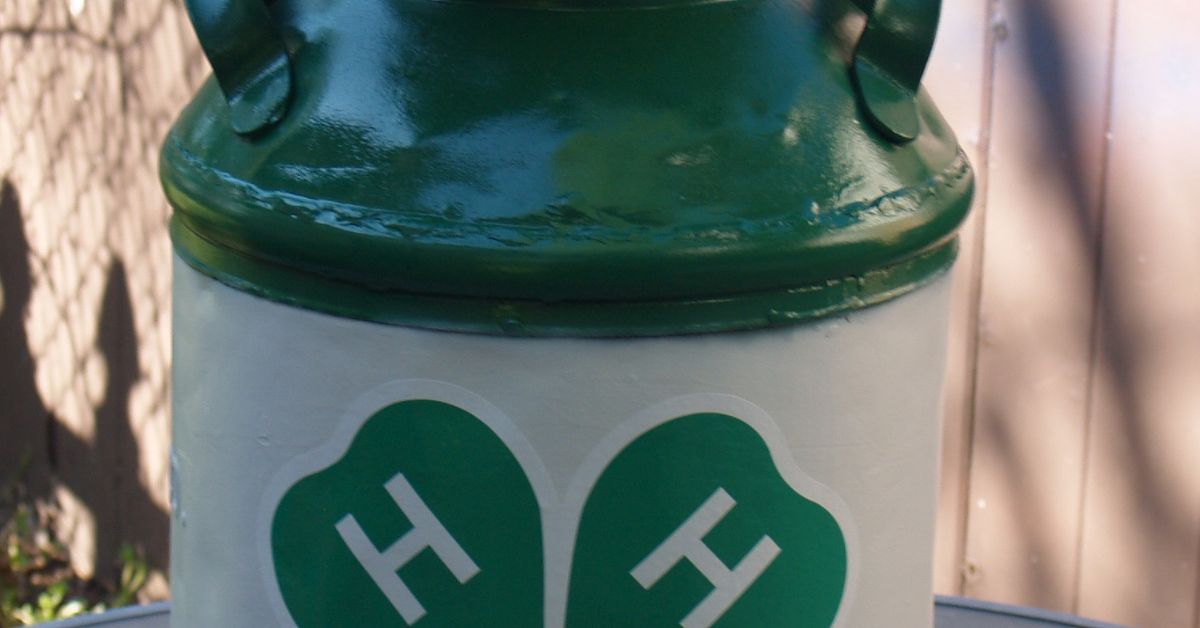
Some treasures do not arrive in glossy packaging. They arrive dusty, dented, and possibly leaning against the back wall of a barn like they have been waiting thirty years for someone with imagination and a decent pair of work gloves. Old milk cans and tractor seats fall perfectly into that category. They are sturdy, sculptural, nostalgic, and just odd enough to make guests say, “Wait… is that a chair made from farm parts?”
The answer, of course, is yes. And it is fabulous.
Repurposing multiple milk cans and tractor seats is more than a quirky farmhouse craft. It is a smart blend of recycling, upcycling, historic preservation, home décor, garden design, and good old American “let’s not throw that away yet” creativity. A vintage dairy can can become a plant stand, side table, garden pedestal, porch accent, umbrella holder, or stool base. A cast-iron tractor seat can turn into a surprisingly charming chair, bar stool, wall hook, swing-style garden seat, or rustic art piece. Put the two together, and you have a conversation starter with more personality than most showroom furniture.
This guide explores how to repurpose and recycle multiple milk cans and tractor seats in a practical, stylish, and safe way. Whether you are decorating a farmhouse porch, building a backyard seating nook, outfitting a country-themed café, or rescuing old farm equipment from the scrap pile, these pieces offer endless creative potential.
Why Milk Cans and Tractor Seats Make Great Repurposed Décor
Old milk cans and tractor seats have three things modern mass-produced décor often lacks: weight, history, and character. A vintage milk can was designed to carry and store dairy products, so it has a strong upright form, a wide base, useful handles, and a shape that naturally works as a pedestal. Tractor seats, especially old metal pan seats, were made for rugged farm work. Their curved shape, bolt holes, and cast-metal construction make them ideal for mounting on bases, stools, posts, or frames.
From a design standpoint, both items fit comfortably into several popular styles: farmhouse, rustic industrial, cottage garden, country vintage, salvage décor, and even modern eclectic interiors. A milk can painted matte black can look sleek and industrial. One left with patina can feel authentic and weathered. A bright red tractor seat on a cream milk can can bring cheerful barnyard energy without requiring an actual barn, which is convenient for anyone whose homeowners association already has opinions.
Repurpose, Recycle, and Upcycle: What Is the Difference?
People often use the terms repurpose, recycle, and upcycle together, but they are not identical. Recycling usually means breaking a material down so it can be processed into something new. Repurposing means giving an existing object a new job without destroying its original form. Upcycling takes that one step further by improving the object’s value, function, or visual appeal.
With milk cans and tractor seats, repurposing is usually the best first choice. Instead of sending heavy metal pieces to a scrap yard, you keep them intact and turn them into useful furniture or décor. That approach saves resources, reduces waste, and preserves the charm of old agricultural objects. Recycling still has a place, especially for broken, unsafe, or unusable metal parts, but a solid milk can with a few dents is not trash. It is a future porch table wearing work boots.
Start With a Smart Inspection
Before turning vintage farm finds into home or garden décor, inspect each piece carefully. Milk cans and tractor seats may look tough, but age can hide problems. Check for sharp edges, deep rust, loose seams, cracked handles, weak bottoms, and flaking paint. If a tractor seat has structural cracks or thin, brittle metal, it may be better as wall art than actual seating.
Old painted metal also deserves caution. Many older items were painted before modern lead restrictions became standard. If the paint is chipping, peeling, powdery, or unknown, avoid aggressive sanding. Disturbing old paint can create unsafe dust. For indoor projects, especially those around children or pets, use a lead test kit or consult a professional before refinishing. The goal is rustic charm, not a science experiment with consequences.
Basic Safety Checklist
Wear gloves, eye protection, and a dust mask or respirator appropriate for the task. Work outdoors or in a well-ventilated area. Clean dirt, cobwebs, and loose debris before bringing pieces inside. If there are jagged areas, file or cover them. If a project requires cutting, welding, or heavy grinding, involve a qualified adult or professional metalworker. A repurposed tractor seat should be memorable because it looks great, not because it caused a family legend involving bandages.
Cleaning Old Milk Cans Without Erasing Their Soul
A good cleaning can make an old milk can shine without stripping away all its history. Begin with mild soap, warm water, and a soft brush. Remove loose dirt from handles, seams, lid rims, and the base. Dry the can thoroughly because trapped moisture encourages rust.
For light rust, gentle scrubbing with a non-scratch pad may be enough. White vinegar can help loosen surface rust, but use it carefully and rinse well afterward. Baking soda paste can also be useful for small rusty spots. The key is patience. Do not attack a vintage can like you are scrubbing a grill after a neighborhood barbecue. The patina is part of the beauty.
If the milk can will be used outside, consider sealing it after cleaning. A clear metal sealer can preserve the aged look while slowing future rust. If you prefer a painted finish, use a rust-inhibiting primer and exterior-grade paint designed for metal. For a farmhouse look, classic colors include cream, black, sage green, barn red, navy, and weathered gray.
Cleaning and Restoring Tractor Seats
Tractor seats often have more rust, dirt, and old paint than milk cans because they spent their glory days outdoors on hardworking machines. Start by brushing away loose debris. Wash the seat with mild soap and water, then dry it completely. Check the underside carefully because old seats may have rough edges, weak points, or hidden cracks.
If you want to preserve the original paint, clean gently and seal the surface. If the seat is rusty but solid, remove loose rust, prime it with a rust-resistant primer, and paint it. Bright colors work beautifully on tractor seats because their curved shape acts almost like sculpture. Red, yellow, turquoise, black, and deep green are especially popular for rustic garden stools and porch chairs.
For comfort, remember that vintage tractor seats were not exactly designed by a luxury sofa committee. They are charming, but they are metal. If the seat will be used regularly, add a removable cushion, keep it in a shaded area, or use it as occasional seating rather than a three-hour reading chair.
Creative Ways to Repurpose Multiple Milk Cans
1. Milk Can Side Tables
A single milk can can become a small side table with the addition of a round wooden top, metal tray, or reclaimed tabletop. When using multiple cans, create a matching set for a porch, patio, sunroom, or rustic event space. Each can can be painted the same color for a cohesive look or finished differently for a collected-over-time style.
For stability, choose cans with flat bottoms and avoid placing heavy glass tops on wobbly bases. A wood top can be secured with brackets or a removable tray-style design. This is one of the easiest milk can projects because it requires minimal alteration while delivering maximum “Where did you get that?” energy.
2. Planters and Garden Pedestals
Milk cans make excellent plant stands and garden accents. Instead of filling an old can directly with soil, which can trap moisture and speed corrosion, place a nursery pot inside the opening or set a planter on top. Cascading flowers, ornamental grasses, herbs, and trailing ivy look especially attractive spilling over the rim.
Multiple milk cans can create height variation in a garden bed. Place tall cans behind lower planters, use smaller cans near steps, or line several along a walkway. A group of three in different finishes can look intentional and charming, like a tiny committee of dairy history supervising your petunias.
3. Porch Lantern Bases
A milk can can serve as a sturdy base for lanterns, battery candles, or seasonal displays. For fall, add pumpkins and dried corn. For winter, use pine branches, ribbon, and outdoor-safe lights. In spring, add tulips or faux blossoms. In summer, pair the can with galvanized buckets and wildflowers.
This project is ideal if you want the look of repurposed farmhouse décor without permanent modification. You can change the display throughout the year and keep the can itself intact.
4. Umbrella Stands and Entryway Holders
Because milk cans are tall and narrow, they work well as umbrella holders, walking stick stands, or entryway accent pieces. Place a removable liner inside to catch moisture from wet umbrellas. Avoid using valuable antique cans where constant water exposure might damage them. For daily use, a less rare can with a sealed interior is the practical choice.
Creative Ways to Repurpose Tractor Seats
1. Tractor Seat Stools
The classic project is a tractor seat stool. Mount the seat onto a strong metal or wood base at bar, counter, or garden height. For safety, the base must be stable, level, and properly fastened. If the seat is heavy cast iron, the support structure needs to be strong enough to handle both the seat and the person sitting on it.
These stools look fantastic around outdoor bars, potting benches, workshops, and rustic kitchens. They also work well in restaurants, farm stores, and event venues where the décor leans country-industrial.
2. Garden Chairs and Benches
Multiple tractor seats can be mounted along a sturdy beam or metal frame to create a garden bench. The result feels playful and nostalgic, especially when each seat is painted a different color. A row of tractor seats near a fire pit or garden path can give a yard a whimsical, salvaged feel.
Comfort is still a factor, so place the bench where it will be used casually. It is perfect for pulling off muddy boots, holding a cup of coffee, or admiring a flower bed. It is less perfect for a long philosophical debate about mulch.
3. Wall Hooks and Sculptural Art
If a tractor seat is too damaged for sitting, it can still become art. Mount it on a wall as a sculptural accent, use the bolt holes to attach hooks, or incorporate it into a rustic gallery wall with old tools, signs, and reclaimed wood. A single seat can become a focal point in a mudroom, garage, garden shed, or farmhouse hallway.
Combining Milk Cans and Tractor Seats
The magic really happens when milk cans and tractor seats work together. A sturdy milk can can serve as the base for a tractor seat stool. The cylindrical can provides visual weight, while the curved seat adds function and personality. This combination works best when the can is heavy, stable, and in good condition.
For a safer build, use a properly sized mounting plate between the can and the seat. The plate distributes weight and helps prevent wobbling. Bolts should be tight, corrosion-resistant, and appropriate for metal use. If the milk can is thin, weak, or highly collectible, do not drill into it. Instead, create a removable top assembly that sits securely on the can without permanently altering it.
A set of multiple milk-can-and-tractor-seat stools can transform a patio or workshop into a rustic gathering space. Paint all the milk cans one color and the seats another for a coordinated look. Or keep each pair unique: one red, one green, one yellow, one bare metal. That mismatched approach can feel relaxed and authentic, like the pieces were gathered from different farms and finally introduced at a backyard reunion.
Design Ideas for Different Spaces
Farmhouse Porch
Use two milk cans as side tables beside rocking chairs. Add a tractor seat stool near a plant stand or porch rail. Keep the palette soft with white, cream, gray, or muted green. Add a wreath, lanterns, and potted flowers for a welcoming look.
Garden Path
Place several milk cans at different points along a garden path as plant pedestals. Use tractor seats as small resting spots or decorative accents. Bright paint colors can make the garden feel cheerful, while sealed rusty finishes create a more antique look.
Outdoor Bar or Patio
Turn multiple tractor seats into stools and pair them with a reclaimed wood bar. Use milk cans as table bases or decorative supports. For comfort, add cushions and make sure every stool is level and stable.
Mudroom or Entryway
A milk can umbrella stand and tractor seat wall hook can make an entry feel practical and memorable. This is a great way to bring farmhouse character indoors without overwhelming the space.
When to Preserve and When to Paint
One of the biggest questions in repurposed décor is whether to preserve the original finish or repaint everything. The answer depends on condition, safety, and style. If a milk can has beautiful original lettering, a dairy name, or an attractive aged surface, preservation may be best. Clean it gently and seal it if needed. If the finish is badly damaged, rusty, or visually chaotic, paint can give it new life.
Tractor seats are similar. Original paint and patina can be valuable, especially on older or collectible seats. But a heavily rusted seat may benefit from refinishing. A fresh coat of durable paint can protect the metal and make the piece easier to use outdoors.
The best projects respect the object’s past while making it useful for the present. You are not trying to erase the farm story. You are giving it a second chapter, preferably one with fewer cow-related responsibilities.
Important Food-Safety Reminder
Vintage milk cans may look perfect for serving drinks, holding ice, or displaying snacks at a party, but old metal containers should not be assumed food-safe. Antique cans may contain old coatings, solder, corrosion, residues, or metals that are not appropriate for food contact. Use them for décor, planters, sealed displays, or dry non-food storage instead. If you want a drink dispenser or food container, choose modern food-safe products made and certified for that purpose.
Maintenance Tips for Long-Lasting Repurposed Pieces
Outdoor metal décor needs occasional care. Inspect pieces every season for new rust, loose bolts, cracked paint, or water collecting in seams. Touch up bare metal with rust-resistant primer and paint. Keep items slightly elevated from wet soil when possible. If using milk cans as planters, use inner pots rather than direct soil contact. During harsh winter weather, move smaller pieces into a shed, garage, or covered area.
For indoor pieces, dust regularly and avoid placing rusty or rough metal directly on delicate flooring. Felt pads, rubber feet, or wood bases can protect surfaces. If a tractor seat stool is used often, check fasteners periodically. Rustic should not mean rickety.
Where to Find Milk Cans and Tractor Seats
Good places to look include estate sales, farm auctions, flea markets, antique shops, salvage yards, online local marketplaces, and family barns. Prices vary widely depending on age, condition, markings, rarity, and region. A plain dented milk can may be affordable, while one with clear dairy lettering or unusual features may cost more. Tractor seats also range from common rusty finds to collectible cast-iron pieces.
When buying, look beyond the first impression. A little dirt is easy to fix. A missing bottom, severe structural rust, or cracked seat may limit what you can safely do. For furniture projects, strength matters more than charm. For purely decorative projects, flaws can add personality.
Experience Section: Lessons From Repurposing Multiple Milk Cans and Tractor Seats
Working with old milk cans and tractor seats teaches you quickly that salvage décor has its own personality. New furniture arrives with instructions. Vintage farm pieces arrive with mysteries. Why is one handle bent? Why is there green paint under the red paint under the cream paint? Why does one tractor seat weigh as much as a small moon? These are not problems. They are plot twists.
One of the most useful experiences is learning to group pieces before changing them. When you have multiple milk cans, line them up and compare height, shape, condition, and finish. Some may be better as planters because they already have surface rust. Others may be clean and attractive enough for indoor display. The best one might become a side table. The roughest one might become garden art. Sorting first prevents the classic DIY mistake of painting the most interesting piece before realizing its original markings were the best part.
The same applies to tractor seats. A matching pair can become stools. A cracked seat can become wall art. A heavily rusted but beautiful seat can be sealed and displayed rather than used. Not every piece has to become furniture. In fact, forcing every salvage item into a practical role can ruin the charm. Sometimes the best use for an old tractor seat is simply to hang it where people can admire its shape and ask questions.
Another lesson is that stability matters more than aesthetics. A milk can may look solid but wobble slightly on a concrete floor. A tractor seat may look ready for use but sit at an awkward angle. Before drilling, painting, or decorating, test how the pieces behave on level ground. Add discreet leveling feet, a wider base, or a wooden platform if needed. A rustic stool should feel sturdy enough that someone can sit without performing a balancing act worthy of a county fair talent show.
Color planning also makes a big difference. With multiple pieces, it is tempting to paint every can and seat a different fun color. That can work beautifully in a garden or children’s play area, but it may feel too busy on a porch or patio. A simple strategy is to choose one unifying color and one accent color. For example, paint all milk cans soft white and all tractor seats barn red. Or keep the cans natural metal and paint the seats black. This gives the collection a designed look while still celebrating the individuality of each piece.
Patina is another area where experience changes your approach. Beginners often want to remove every speck of rust. After a few projects, most people become more selective. Light rust, worn paint, dents, and scratches can add authenticity. The trick is to remove what is loose, sharp, dirty, or unsafe while preserving what is visually interesting. A sealed weathered finish often looks better than a completely stripped surface.
Repurposing multiple milk cans and tractor seats also creates opportunities for storytelling. If the pieces came from a family farm, include that history. A small tag, framed photo, or note can turn décor into heritage. Even if the origin is unknown, the objects still suggest a connection to dairy work, fieldwork, and rural craftsmanship. In a world full of flat-packed furniture, that sense of story is valuable.
The final lesson is to enjoy the imperfections. A dented milk can can still hold flowers. A scarred tractor seat can still become art. A mismatched set can feel more inviting than a perfect one. Repurposed décor works because it is not trying too hard. It says, “I had a previous life, I survived, and now I hold geraniums.” Honestly, that is a pretty inspiring résumé.
Conclusion
Repurposing and recycling multiple milk cans and tractor seats is a creative way to reduce waste, preserve agricultural history, and bring rustic character into homes, gardens, patios, and porches. These old farm pieces are strong, sculptural, and endlessly adaptable. With careful cleaning, safe restoration, smart design, and a little imagination, they can become stools, side tables, planters, umbrella stands, wall art, garden accents, and one-of-a-kind conversation pieces.
The best projects balance beauty with safety. Inspect old metal, watch for lead paint risks, avoid using antique containers for food contact, and make sure anything used as seating is structurally sound. Once those basics are covered, the creative possibilities are wide open. A milk can and a tractor seat may seem like leftovers from farm life, but in the right hands, they become proof that great design sometimes starts in the barn.
Note: This article is written for web publishing in standard American English and focuses on practical, safe, and creative repurposing ideas for vintage milk cans and tractor seats.