Note: This article is based on current public reporting, platform safety guidance, child-media research, and parent-focused digital safety recommendations. Source links are intentionally omitted for clean web publishing.
Once upon a time, adults worried that kids were watching too many Saturday morning cartoons. The scandal was sugary cereal, toy commercials, and whether a talking duck was setting a bad example. Today, the cartoon duck has been replaced by algorithm-fed, AI-generated kittens with haunted eyes, suspiciously cheerful nursery music, and plots that can swing from “cute cat family adventure” to “tiny animated nightmare buffet” before a parent has finished making coffee.
Welcome to the latest chapter in kid culture online: YouTube’s animated kitten horror. It is strange, sticky, and very 2026. It also tells us something important about how children discover media, how artificial intelligence is changing content creation, and why adults who say, “It’s just a cartoon,” may be missing the part where the cartoon kitten gets turned into a monster by radioactive sludge while a synthetic narrator sings like a possessed lullaby app.
This is not a moral panic about every animated cat video. Plenty of kids’ YouTube content is charming, educational, silly, and harmless. The problem is the blurry middle zone: videos that look child-friendly on the surface but include distressing themes, violence, body horror, abuse, bizarre medical scenes, or emotional manipulation. They often use bright colors, cute animals, familiar animation styles, and kid-friendly keywords to appear safe. Then the actual content swerves into “Who approved this?” territory.
What Is “Animated Kitten Horror” on YouTube?
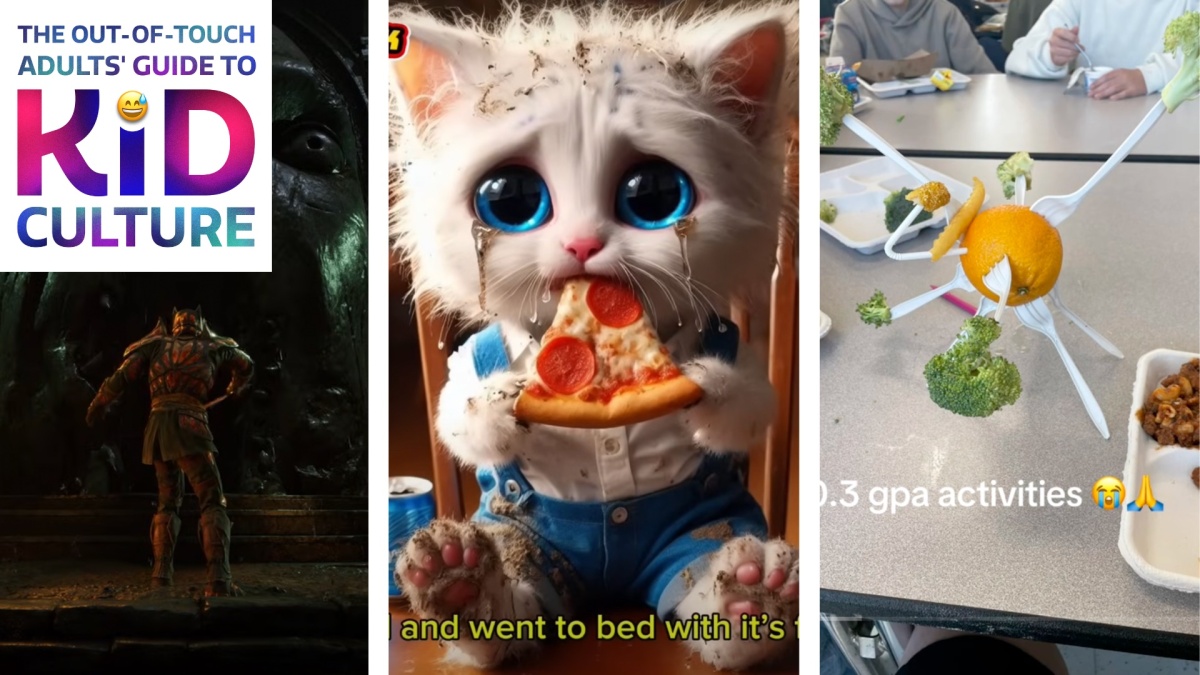
Animated kitten horror refers to a wave of creepy, often AI-generated cartoon videos featuring cats, kittens, or other cute animal characters in disturbing situations. Some videos present themselves as family entertainment, animal rescue stories, moral lessons, or transformation adventures. But instead of wholesome storytelling, they may show kittens being harmed, neglected, chased, mutated, trapped, operated on, or placed in extreme emotional distress.
The formula is simple and unsettling: take something kids love, wrap it in colorful animation, add suspenseful music, and push the story into shock territory. A thumbnail may show a wide-eyed kitten, a smiling cartoon parent, or a “cute rescue” setup. The title might include words like “funny cat,” “family story,” “baby kitten,” “magic transformation,” or “sad cat animation.” But the video may contain imagery and themes more appropriate for horror fans than preschoolers.
In some cases, the content appears to be generated quickly with AI tools. That matters because generative AI can produce huge volumes of animation-like videos at low cost. A creator no longer needs a studio, a storyboard team, or even much artistic skill. With the right prompts, templates, voice tools, and editing software, someone can flood a channel with endless variations of “cute animal suffers, transforms, cries, gets rescued, repeat.” It is content farming wearing a kitten costume.
Why Kids Find This Stuff Before Adults Do
Children do not browse YouTube like adults. Adults search for recipes, product reviews, workout videos, and one tutorial on how to fix a sink that somehow becomes three hours of plumbing philosophy. Kids click by color, character, sound, and momentum. They follow thumbnails. They trust familiar shapes. They also rely heavily on recommendations, autoplay, and related videos.
That creates a discovery problem. A young child might start with a normal cartoon, a nursery rhyme, or a harmless cat video. After a few taps, the recommendation system may begin serving similar-looking videos. If disturbing content copies the visual language of kid media, it can sit uncomfortably close to safe content. This is why parents sometimes report that a child began with something innocent and drifted into something deeply weird without typing a single dangerous search term.
To be clear, YouTube has policies against harmful child-directed content, and YouTube Kids provides parental controls, approved-content settings, search restrictions, and blocking tools. But no automated system is perfect, especially at YouTube scale. The platform receives enormous amounts of uploaded content, and AI-generated videos make the volume problem worse. When new channels can produce dozens of similar videos quickly, moderation becomes a race against a very strange factory.
The Elsagate Connection: Same Trick, New Tools
If this sounds familiar, that is because YouTube has been here before. Around 2017, the internet learned the word “Elsagate,” a label for disturbing videos that used popular children’s characters in inappropriate, violent, sexualized, or frightening situations. Many of those videos used characters like Elsa, Spider-Man, Peppa Pig, superheroes, princesses, and cartoon mascots to attract young viewers.
The new animated kitten horror trend is not identical, but it has family resemblance. Instead of relying only on famous characters, many videos now use generic cute animals, AI-generated cat families, colorful monsters, or knockoff animation styles. The bait is not always a recognizable brand. Sometimes the bait is simply “adorable kitten,” which, scientifically speaking, is one of the internet’s oldest trapdoors.
The difference is speed. Earlier disturbing cartoon content often required costumes, basic animation, or manual editing. Now generative AI can help create images, voices, music, captions, and story variations in bulk. That lowers the barrier to entry. The result is a new version of an old internet problem: childlike packaging wrapped around content that is emotionally intense, low-quality, or inappropriate for children.
Why AI Makes the Problem Harder to Spot
AI-generated kids’ videos often have a slightly melted quality. The animation may look glossy but wrong. Characters may shift shape between scenes. A kitten’s paws may blur. Faces may be too expressive, then suddenly blank. Backgrounds may look like candy-colored theme parks designed by a dream and a broken printer. For adults, these clues can feel obvious. For kids, they may not matter.
AI also makes it easier to imitate the surface features of children’s media: bright colors, repetitive songs, simple narration, exaggerated emotions, big eyes, and moral-lesson titles. A video can look like a toddler cartoon from across the room while quietly delivering scenes full of fear, punishment, body transformation, or distress.
Another challenge is metadata. Channels may use tags, titles, and descriptions that suggest family fun, animal rescue, comedy, bedtime stories, or educational animation. Some videos may avoid explicitly saying they are “for kids” while still using kid-coded imagery. Others may openly advertise themselves as children’s entertainment while including material that parents would never choose intentionally.
What Makes These Videos So Compelling to Kids?
Adults may look at animated kitten horror and think, “Why would anyone watch this?” The answer is uncomfortable: the videos often use storytelling hooks that children respond to instantly. A small character is in trouble. A parent is mean. A monster appears. Someone cries. A rescue happens. The music tells the viewer exactly what to feel. The story is simple, emotional, and dramatic.
Children are drawn to repetition, high emotion, and clear stakes. A kitten in danger is easier to understand than a subtle sitcom plot. Add transformation scenes, hospital rescues, glowing goo, or spooky monsters, and the video becomes a miniature roller coaster. It may be upsetting, but it is also hard to look away from. That is not a sign that children “like bad content.” It is a sign that their attention systems are still developing.
Many kids also process fear differently from adults. They may rewatch scary scenes to understand them, master them, or test their feelings. That does not mean the content is healthy. It means a child may return to something that unsettles them, especially when autoplay and recommendations keep offering more of the same.
Why Parents Should Care Without Panicking
The goal is not to ban every cartoon cat from the house. That would be unfair to cats, cartoons, and parents who need ten peaceful minutes to fold laundry. The goal is to understand that not all “kid-looking” content is kid-appropriate. Bright colors are not a safety label. A cute thumbnail is not a curriculum. A singing kitten is not automatically your babysitter, no matter how persuasive its little animated face may be.
Children can be affected by disturbing media, especially when they do not have context. Scary or confusing videos may lead to nightmares, anxiety, aggressive play, emotional clinginess, or repeated questions about what they saw. Some children shrug it off. Others absorb it deeply. Age, temperament, previous experiences, and how adults respond all matter.
Parents should also care because these videos teach children how online media works, even if nobody says the lesson out loud. They teach that thumbnails can lie. They teach that cute things can become frightening suddenly. They teach that the next recommended video is always waiting. This is why media literacy now belongs in the same parenting toolbox as bike helmets and “please do not lick the shopping cart.”
How to Recognize Suspicious Kids’ Animation
Parents do not need to become full-time internet detectives, but a few warning signs help. Be cautious with channels that upload large numbers of similar videos with odd titles, emotional bait, or repetitive disaster plots. Look closely at thumbnails that combine cute characters with crying faces, injuries, monsters, syringes, cages, dramatic fire, or exaggerated fear.
Also watch for strange pacing. Many low-quality AI videos feel like a sequence of shocking moments rather than a coherent story. Characters may be harmed, rescued, punished, transformed, and forgiven in a few minutes with no emotional logic. The narration may sound robotic. The music may be overly sad or intense. The comments may look generic or automated.
Channel descriptions can also be revealing. Some channels use broad, vague language about “fun adventures,” “surprising transformations,” or “exciting stories for kids,” while the actual videos lean heavily on distress. If the brand promise says “imagination and fun” but the content says “tiny cat trauma opera,” trust the content.
Practical Safety Steps for Parents
Use Approved Content Only
For younger children, the safest approach is curation. YouTube Kids allows parents to choose approved videos, channels, or collections. This reduces random discovery and keeps children inside a smaller, parent-selected media garden. It takes more setup than handing over a tablet, but it also reduces the chance that a cheerful cartoon playlist turns into a haunted kitten tunnel.
Turn Off Search When Needed
Search can be useful for older kids, but for younger children it opens doors they may not be ready to navigate. Turning off search in YouTube Kids can limit exposure to unexpected content. It does not make the internet perfect, but it narrows the path.
Disable Autoplay
Autoplay is convenient for platforms and dangerous for bedtime. It encourages passive viewing and can pull kids from one video to the next without a decision point. Turning it off gives parents and children a natural pause.
Co-View When Possible
Co-viewing does not mean hovering like a nervous security guard. It means watching enough to understand what your child is consuming. Ask casual questions: “What happened in this video?” “Was that funny or scary?” “Would you watch this again?” Kids often reveal more through conversation than through formal interrogation.
Teach the Thumbnail Rule
Even young children can learn that pictures on videos are like covers on books: they show something interesting, but they do not always tell the whole truth. Teach kids to pause if a video feels scary, weird, or uncomfortable. Give them permission to stop watching. That permission matters.
What Adults Often Get Wrong About Kid Culture
The classic adult mistake is assuming that children’s culture is simple because children are young. In reality, kid culture online is fast, layered, algorithmic, and often invisible to parents. A trend can appear, mutate, and disappear before most adults learn how to pronounce it. By the time a parent says, “What is Skibidi Toilet?” the child may already be three memes ahead and spiritually unavailable for explanation.
Another mistake is treating all weird content as harmful. Kids have always loved weird things. Fairy tales are full of wolves, witches, abandonment, transformation, and questionable forest management. The issue is not weirdness by itself. The issue is context, age-appropriateness, emotional intensity, deception, and whether the content is designed for healthy storytelling or cheap engagement.
There is a big difference between a spooky cartoon made with care and an algorithmic sludge pile designed to keep children clicking. The first can help kids explore fear safely. The second often uses fear as bait.
The Bigger Picture: Platforms, Parents, and the AI Content Flood
Parents cannot solve this alone. Platforms have responsibility for child safety, recommendation design, content labeling, enforcement, and monetization rules. When disturbing videos are profitable, the system invites more of them. When AI tools make production cheap, enforcement must become faster and smarter.
At the same time, families need realistic habits. Total avoidance may work for some households, but many children will encounter YouTube through friends, relatives, school devices, smart TVs, or shared tablets. The better long-term strategy is a combination of boundaries, trusted channels, open conversation, and repeated reminders that kids can come to adults when something online feels wrong.
Adults also need to stay curious. The phrase “out-of-touch” does not have to be an insult. It can be a starting point. No parent, teacher, or caregiver will know every trend. The trick is to keep asking, keep watching, and keep building trust so children do not treat their media lives like a secret underground kingdom ruled by cartoon cats.
Experiences and Reflections: What This Trend Feels Like in Real Family Life
The most common experience parents describe is not dramatic at first. It is ordinary. A child is sitting on the couch with a tablet. The room is quiet. Too quiet, perhaps, but parents are busy. Dinner needs stirring. Emails need answering. Someone has lost a shoe even though nobody is leaving the house. Then a parent hears a sound from the device: crying, screaming, spooky music, or a narrator saying something oddly intense for a video that supposedly began with a cute kitten.
The parent looks over and sees animation that does not fit the mood of the thumbnail. Maybe the kitten is sick in a hospital bed. Maybe a cartoon parent is behaving cruelly. Maybe a monster appears in a scene that started like a nursery rhyme. The child may look fascinated, worried, or frozen. The adult’s first reaction is often confusion: “What on earth are you watching?” The child may not know. They clicked what came next.
This moment is where many families learn that online video is not like old television. A TV channel had a schedule, a brand, and a limited number of programs. YouTube is more like a giant hallway full of doors, and some of the doors are painted with rainbows even though there is a tiny haunted circus behind them. Children are not foolish for opening the doors. They are children. The system is designed to make opening the next door easy.
A useful family response starts with calm. If a child has watched something upsetting, snatching the device and shouting can make the video feel even scarier. A better approach is to sit down, stop the video, and say something simple: “That looked scary. You did the right thing by letting me see it. We are going to choose something safer.” If the child is old enough, ask what they noticed. Was it funny? Sad? Confusing? Did it make their body feel nervous? These questions help children build emotional vocabulary and media awareness.
Another real-life lesson is that blocking one video is rarely enough. Parents may remove a single channel only to see similar content appear later under a different name. This is why approved channels and playlists are more effective than whack-a-mole blocking. Pick trusted creators, save safe playlists, and make the viewing path boringly predictable. Children may complain at first, because children are legally required to resist sensible systems. But predictable media is often calmer media.
Families also discover that kids imitate what they watch. A child who watches gentle craft videos may start making paper animals. A child who watches frantic prank videos may start treating the living room like a low-budget stunt show. A child who watches distressed kitten horror may bring those themes into play: rescue, punishment, monsters, hospitals, crying babies, angry parents. Play is how children process stories. If troubling themes show up repeatedly, it may be time to change the media diet and add more reassuring, creative, or real-world activities.
The experience is not only about fear. It is about attention. Many AI-generated cartoon videos are built with constant emotional spikes. Something happens every few seconds. A character cries. A monster jumps. A transformation begins. A rescue occurs. For a developing brain, that rhythm can make slower, healthier content feel dull. After a diet of digital candy lightning, a quiet picture book may seem like it is buffering in real life.
That is why the best solution is not just “less YouTube.” It is “better balance.” Watch together sometimes. Talk about what makes a video trustworthy. Mix screen time with outdoor play, reading, drawing, music, chores, and boredom. Yes, boredom. Boredom is where children discover they can invent things without an algorithm handing them a glowing kitten emergency every nine seconds.
In the end, animated kitten horror is a strange but useful warning sign. It reminds adults that kid culture has moved from scheduled programming to endless recommendation streams. It reminds platforms that child-friendly design cannot stop at cheerful colors and policy pages. And it reminds parents that the internet is not a babysitter, even when it sings in a cute little voice and has whiskers.
Conclusion
YouTube’s animated kitten horror trend may sound absurd, but it points to a serious shift in children’s media. AI-generated content can now imitate the look of kid-friendly cartoons while delivering disturbing, confusing, or manipulative stories. The issue is not that children like cats, cartoons, or spooky stories. The issue is that low-quality, algorithm-chasing content can disguise itself as harmless entertainment and reach young viewers before adults realize what is happening.
The best response is not panic. It is active guidance. Use parental controls, choose approved content, turn off autoplay, watch with your kids when possible, and teach them to stop videos that feel scary or wrong. Adults do not need to understand every meme, every channel, or every bizarre trend. But they do need to stay close enough to notice when a cute kitten video has wandered into nightmare country.