Note: This article is written as an original, web-ready feature based on real astronomy facts, public reporting, and the broader social-media reaction pattern around the much-hyped supermoon. The 76 reactions below are original, paraphrased, and created for editorial use.
Every few years, the internet hears the word supermoon and immediately behaves as if the sky is about to install a second sun with better branding. People charge their phones, clean their camera lenses, set alarms, drag relatives outside, and prepare to witness what promotional headlines have quietly suggested might be a glowing lunar dinner plate hovering three feet above the neighbor’s roof.
Then reality rises.
It is, technically, bigger. It is, scientifically, brighter. It is, emotionally, still the Moon.
That is the comedy at the heart of the “disappointing supermoon” phenomenon. The Moon did nothing wrong. It showed up exactly as physics required. The problem was that social media expected a celestial blockbuster and received a slightly enhanced version of a familiar gray orb. Naturally, the internet responded the only way it knows how: with jokes, memes, dramatic betrayal, and enough sarcastic disappointment to make NASA consider adding a customer-service department.
What Is a Supermoon, Really?
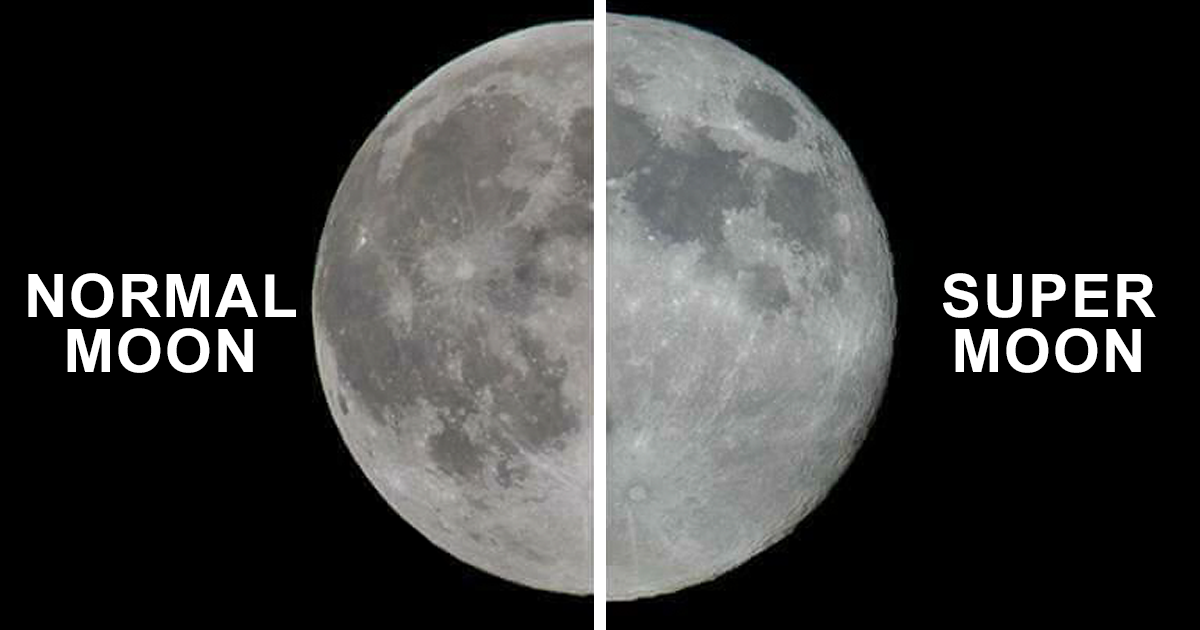
A supermoon happens when a full Moon occurs near perigee, the point in the Moon’s elliptical orbit when it is closest to Earth. At its closest, a full supermoon can appear up to about 14% larger and 30% brighter than the smallest full Moon of the year. That sounds dramatic, and in astronomical terms, it is meaningful. In casual backyard viewing terms, however, the difference can be subtle unless you know exactly what to compare it with.
The famous November 2016 supermoon became especially hyped because it was the closest full Moon to Earth since 1948, and another full Moon that close would not occur again until 2034. That is an impressive fact. It is also the kind of fact that makes people imagine the Moon will look like it is about to ask for rent money.
But the Moon is not a pop star with pyrotechnics. It does not perform bigger just because humans made posters. Instead, it follows orbital mechanics with the calm confidence of an ancient rock that has heard all our complaints before.
Why So Many People Felt Let Down
The disappointment was not really about the Moon. It was about expectation management. People saw dramatic photos online showing enormous orange moons rising behind skyscrapers, mountains, bridges, and city skylines. Many of those images used long lenses, careful timing, and foreground objects to create a compressed perspective. In other words, the photos were real, but they were not what a quick phone snapshot from a parking lot was likely to capture.
Then clouds joined the party like an uninvited villain. In many places, skywatchers walked outside, looked up, and saw either a normal-looking Moon, a blurry white dot, or a full theatrical curtain of cloud cover. The result was a global wave of comic anticlimax: “I canceled plans for this?” “My porch light is brighter.” “Is the supermoon in the room with us?”
That mismatch between cosmic marketing and ordinary viewing created perfect meme fuel. The supermoon became less of an astronomy event and more of a group therapy session for people who had expected the sky to go IMAX.
The Internet’s Favorite Type of Joke: Expectation vs. Reality
The funniest reactions followed a simple formula: one panel showed a massive cinematic Moon looming over Earth like the final boss in a science-fiction movie; the next showed a tiny white dot that looked like a dropped aspirin in the sky. The joke worked because nearly everyone understood it instantly.
Supermoon disappointment was not ignorance. It was emotional inflation. People knew the Moon would not actually crash into the skyline, but the phrase “closest since 1948” has a way of making your brain rent a fog machine.
Below are 76 original reactions inspired by the public mood around the disappointing supermoon: part astronomy, part social comedy, part reminder that the universe does not owe us special effects.
76 Hilarious Reactions To The Disappointing Supermoon
- “I was promised a supermoon. This is a regular moon wearing confidence.”
- “My phone camera captured one bright pixel and three years of regret.”
- “The Moon said ‘new year, same me.’”
- “I have seen larger tortillas.”
- “The clouds gave a better performance than the Moon.”
- “Supermoon? More like Moon Plus with no noticeable upgrade.”
- “I put on shoes for this, and that feels legally significant.”
- “The neighbor’s porch light had more stage presence.”
- “This Moon needs a marketing department investigation.”
- “NASA said 30% brighter. My eyes said, ‘Where?’”
- “It looked like the regular Moon after one compliment.”
- “I expected cosmic drama and got a night-light.”
- “My camera turned the supermoon into a suspicious breadcrumb.”
- “The Moon was giving ‘I’m here, aren’t I?’ energy.”
- “I woke up early to be emotionally neutral outdoors.”
- “The supermoon looked like it forgot to update.”
- “Tonight’s sky: 1 star. Would not preorder again.”
- “The Moon heard the hype and chose minimalism.”
- “I stared at it for five minutes waiting for the ‘super’ part.”
- “The clouds blocked it, which may have improved the mystery.”
- “It was brighter than usual, but so is my fridge at 2 a.m.”
- “The Moon looked like it was attending via Zoom.”
- “This was less ‘rare celestial event’ and more ‘Wednesday.’”
- “I expected a Marvel portal. I got a polite circle.”
- “My dog was unimpressed, and he barks at laundry.”
- “The supermoon gave strong ‘profile picture vs. tagged photo’ vibes.”
- “I brought binoculars and still felt underdressed.”
- “The Moon looked like it had read the reviews and stopped caring.”
- “That was not a supermoon. That was a Moon with good PR.”
- “The sky owes me snacks.”
- “My expectations were in HD. The Moon arrived in standard definition.”
- “The Moon was 14% bigger, but my disappointment was 300% brighter.”
- “I saw more detail in the streetlamp.”
- “The event peaked when everyone went back inside.”
- “It looked like the Moon had a tiny raise at work.”
- “I took 42 photos. All of them look like a flashlight across a field.”
- “The supermoon was giving ‘limited edition packaging.’”
- “Closest since 1948, emotionally distant since forever.”
- “The Moon showed up, but the wow factor called in sick.”
- “This is why I have trust issues with astronomy headlines.”
- “I expected a giant glowing cheese wheel. I got astronomy.”
- “The Moon looked exactly like my monthly subscription: slightly more expensive, basically the same.”
- “My dad said, ‘Looks like the Moon.’ Case closed.”
- “The clouds were like, ‘No refunds.’”
- “It was super if your hobby is measuring subtle differences.”
- “The Moon gave us a 14% coupon and called it a gala.”
- “I have never felt so personally ignored by a rock.”
- “The supermoon was the pumpkin spice latte of astronomy: seasonal, overhyped, still pleasant.”
- “I went outside expecting wonder and came back with mosquito bites.”
- “The Moon was big in theory, small in customer satisfaction.”
- “I blame the long-lens photographers for giving my eyes unrealistic standards.”
- “It was majestic if you had imagination and no comparison photos.”
- “The Moon looked like it had a secret but refused to share it.”
- “I would like to speak to the manager of space.”
- “Supermoon? I have seen more drama in a grocery-store coupon aisle.”
- “The Moon did its best, but the posters lied.”
- “It appeared 30% brighter and 100% still too far away for my phone.”
- “My camera made it look like a glowing pea.”
- “The Moon was technically correct, which is the least funny kind of correct.”
- “My entire family stood outside silently judging the sky.”
- “The event was sponsored by anticlimax.”
- “It looked like the Moon after a light gym routine.”
- “I expected celestial thunder. I got a calm circle minding its business.”
- “The Moon did not disappoint me; my imagination did.”
- “It was beautiful, but my expectations had rented a helicopter.”
- “The supermoon looked like the regular Moon’s LinkedIn headshot.”
- “At least the memes were visible without binoculars.”
- “The Moon was in its ‘underpromise? never heard of her’ era.”
- “I saw it, nodded respectfully, and returned to snacks.”
- “The sky delivered a soft launch.”
- “The supermoon was proof that branding can lift heavy rocks.”
- “I expected a once-in-a-generation moment and got a nice walk.”
- “The Moon looked like it wanted to avoid making a scene.”
- “The real supermoon was the jokes we made along the way.”
- “I will forgive the Moon, but not the headlines.”
- “Honestly, still pretty. Just not ‘cancel dinner plans’ pretty.”
Why the Jokes Worked So Well
The disappointing supermoon became funny because it was harmless. Nobody was truly angry at the Moon. People were laughing at themselves, at the hype machine, and at the strange modern habit of treating every sky event like a streaming-service premiere. The humor was relatable because it lived in a familiar gap: what the internet promises versus what real life delivers.
It also worked because the Moon is universal. Everyone sees it. Everyone has tried to photograph it and ended up with a tiny glowing dot that looks like evidence in a paranormal investigation. Supermoon memes connected professional astrophotography, everyday disappointment, weather frustration, and smartphone limitations in one clean joke.
The Science Behind the “Tiny Dot” Photos
One reason people felt fooled was photography. A professional photo of a giant Moon behind a building is usually taken with a long focal length from a carefully selected distance. That compresses the foreground and background, making the Moon appear huge in relation to objects on Earth. The effect can be stunning, but it does not match what your unaided eyes see from the sidewalk.
Smartphones, on the other hand, are designed for faces, food, pets, and emergency pictures of receipts. They are not naturally great at capturing lunar detail without assistance. Point a phone at the Moon, and the camera often exposes for the dark sky, blowing the Moon into a bright blob. Suddenly your once-in-a-generation supermoon looks like a ceiling light seen through a sneeze.
How to Actually Enjoy the Next Supermoon
Watch It Near Moonrise
The best time to enjoy a full Moon is often just after moonrise, when it is close to the horizon. Nearby trees, buildings, or hills can trigger the Moon illusion, making the Moon appear larger to your brain even though its physical size has not changed.
Find a Clear Eastern View
If the Moon rises behind apartments, billboards, or a suspiciously tall tree, the show may be over before it begins. Check the moonrise time for your location and choose a spot with a low, open view of the horizon.
Lower the Hype, Raise the Fun
The supermoon is not supposed to look like a planet from a movie poster. Think of it as a slightly brighter, slightly larger full Moon with excellent timing. Bring a friend, a warm drink, and realistic expectations. If the Moon looks amazing, wonderful. If it looks normal, you still have fresh air and a new joke.
Experiences Related to the Disappointing Supermoon
The most memorable supermoon experiences are often not the most visually dramatic ones. They are the little scenes around the viewing: families standing in driveways, neighbors pointing at the same patch of sky, friends arguing over whether it looks “a little bigger” or “exactly like last month,” and one person confidently explaining perigee while everyone else quietly checks if their camera settings are wrong.
Imagine the classic setup. You read all week that a rare supermoon is coming. The headlines sound historic. The photos online look like the Moon has been working out. You make a plan. You tell someone, “We should go see it.” That sentence alone gives the evening a sense of importance. Suddenly, going outside becomes an event.
Then you step into the night. The air is cool. The sky is clear enough. There is a faint buzz of excitement because nature, for once, has a scheduled start time. You look east. There it is: the Moon. Beautiful? Yes. Bright? Definitely. Life-changing? Not exactly.
For a few seconds, nobody says anything. Everyone is trying to decide whether they are allowed to be impressed. Someone says, “Is that it?” Another person says, “Maybe it gets bigger later,” as if the Moon is still inflating. A third person takes a photo and immediately makes the face people make when they open a front-facing camera by accident.
That is the true charm of the disappointing supermoon. It turns ordinary people into amateur astronomers, stand-up comedians, photographers, skeptics, and philosophers within the same five minutes. It invites us to ask deep questions, such as: How big did I think the Moon was going to be? Why did I trust a thumbnail image? And why does every phone camera make the Moon look like a shy button?
The experience can also be unexpectedly sweet. Even when the supermoon underwhelms, it gets people outside. It makes them look up instead of down. It gives families a reason to pause after dinner and friends a reason to send blurry photos with confident captions. It reminds us that shared disappointment can still be shared wonder, especially when the disappointment is glowing peacefully above us.
There is also something funny about blaming the Moon. The Moon has been orbiting Earth for billions of years. It controls tides, brightens night landscapes, inspires poets, anchors calendars, and appears in more songs than most celebrities. Yet one overhyped evening later, humanity stands in the yard saying, “Could have been bigger.” That is peak internet behavior.
In the end, the disappointing supermoon is not a failure of astronomy. It is a success of comedy. It shows how easily scientific facts become exaggerated expectations, how quickly public excitement becomes memes, and how even a subtle sky event can create a cultural moment. The Moon may not have looked enormous to everyone, but the reaction was massive.
Conclusion
The supermoon did appear larger and brighter, but not in the outrageous way many people expected after seeing dramatic photos and breathless headlines. That gap created a perfect storm of hilarious reactions: disappointment, sarcasm, blurry phone pictures, cloud complaints, and jokes about the Moon needing better customer service.
Still, the disappointing supermoon deserves a little credit. It brought people outdoors, sparked curiosity about astronomy, and gave the internet a rare chance to laugh at something completely harmless. The Moon showed up. The science checked out. The memes simply shone brighter.