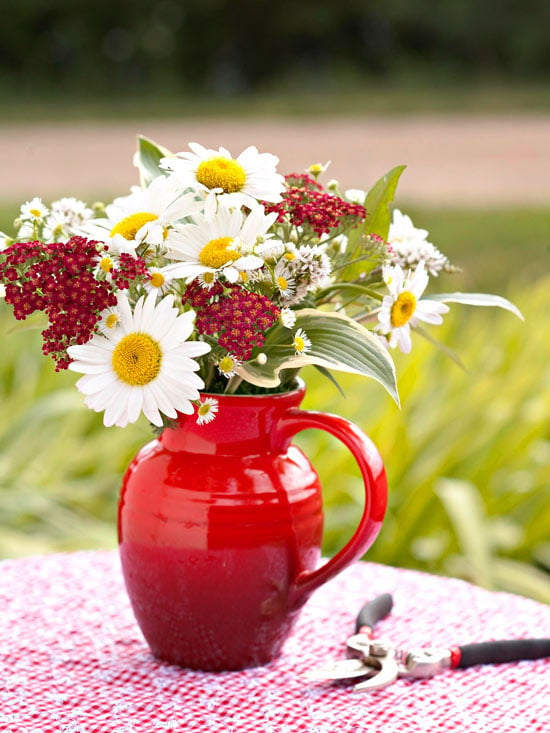
There is a special kind of victory in walking into your garden with a pair of snips and returning with an armful of flowers that look like they cost $85 from a boutique florist named “Petal & Whisper.” Garden flower arranging is not about perfection. It is about timing, texture, a clean vase, and the cheerful confidence to place a slightly crooked zinnia exactly where it wants to be.
Arranging flowers from the garden gives you something store-bought bouquets rarely offer: personality. Your roses may arrive with a few freckles. Your cosmos may lean like they just heard gossip. Your mint may sneak into the vase and make the whole arrangement smell like a summer drink. That is the charm. Homegrown bouquets feel alive because they are connected to the place where you live, the season you are in, and the gardener who remembered to water everything after dinner.
The good news is that you do not need professional florist training to create beautiful garden flower arrangements. With a few practical flower arranging tips, you can turn backyard blooms, herbs, branches, and foliage into centerpieces, bedside bouquets, kitchen-table arrangements, and “I just casually made this” gifts that make people suspiciously impressed.
Below are five in-depth, beginner-friendly tips for arranging flowers from the garden, followed by personal-style experience notes to help you make your bouquets last longer, look more natural, and avoid the classic mistake of creating what can only be described as a crowded flower traffic jam.
Tip 1: Harvest Flowers at the Right Time
The best flower arrangement begins before the vase ever appears. It starts in the garden, preferably early in the morning when flowers are fully hydrated and not yet stressed by heat. Morning-cut flowers generally have stronger stems, fresher petals, and better vase life than flowers cut during the hot part of the day. Evening can also work if the plants have recovered from afternoon sun, but midday harvesting is the floral equivalent of asking someone to run errands during a heatwave while wearing formalwear.
Use clean, sharp pruners, floral snips, or garden scissors. Dull tools crush stems, making it harder for flowers to drink water. A clean cut helps water move through the stem more easily, which means your bouquet has a better chance of staying perky instead of drooping dramatically before lunch.
Know When Each Flower Is Ready
Not every bloom should be harvested at the same stage. Some flowers, such as peonies and tulips, are often best cut when the buds show color but are not fully open. They continue opening in the vase, giving you several days of changing beauty. Zinnias, cosmos, marigolds, and dahlias usually perform better when cut closer to open, although dahlias should not be harvested when they are already tired and dusty-looking. If a flower looks like it has been partying since last weekend, leave it in the garden or send it straight to the compost with honors.
A simple rule: cut flowers when they look fresh, firm, and just slightly younger than you want them to look indoors. This gives the arrangement time to mature in the vase. Fully open flowers are beautiful for instant impact, but they may not last as long.
Bring a Bucket, Not Just Hope
Always take a clean bucket of cool water into the garden. Place stems into water immediately after cutting. This prevents wilting and gives insects, dust, and garden debris less time to settle into your bouquet. If you have ever brought in a handful of flowers and discovered a tiny beetle exploring your dining table like it owns the deed, you understand why this matters.
Remove damaged petals and any leaves that will sit below the waterline. Submerged leaves rot quickly, creating bacteria that shortens vase life. A bouquet should look lush above the rim, not like a swamp documentary below it.
Tip 2: Condition Your Stems Before Arranging
Conditioning is the quiet secret behind long-lasting cut flowers. It simply means preparing your stems so they can absorb water efficiently before you design the arrangement. This step is not glamorous, but neither is flossing, and both make a bigger difference than people want to admit.
After harvesting, let flowers rest in a cool place in clean water for at least an hour. This helps them rehydrate. For delicate flowers, a short rest can make the difference between graceful and floppy. For woody stems like lilac, hydrangea, viburnum, or flowering branches, cut the stem ends at an angle and consider making a small vertical slit at the base to improve water uptake.
Re-Cut Stems at an Angle
Before placing stems into the final vase, re-cut the bottoms at a 45-degree angle. This increases the surface area for water absorption and keeps the stem from sitting flat against the bottom of the vase. A flat stem can seal itself off like a stubborn toddler refusing vegetables.
Use clean tools and avoid smashing stems. Some older advice suggests hammering woody stems, but a clean angled cut is usually better for maintaining healthy water channels. If a stem is thick and woody, make a fresh angled cut and a short vertical split instead of turning it into botanical pulp.
Use Fresh Water and Flower Food
A clean vase is essential. Wash it with soap and water before use, especially if it has held flowers before. Invisible bacteria can shorten the life of fresh-cut flowers, even when the vase looks clean. Add fresh water and commercial floral preservative if available. Flower food usually contains sugar for energy, an acidifying ingredient to support water uptake, and an antimicrobial ingredient to slow bacterial growth.
If you do not have flower food, clean water changed frequently is still better than a mystery homemade potion. Some old-fashioned tricks work better for some flowers than others, but consistency matters most: clean vase, clean water, clean cuts, no leaves underwater, and a cool location away from direct sun.
Tip 3: Build the Arrangement With Greenery First
Many beginners start by placing the prettiest flowers first. This is understandable. The roses are shouting, the dahlias are posing, and the snapdragons look like they have a meeting to attend. But if you want a garden arrangement that feels full and balanced, begin with greenery.
Greenery creates the shape, structure, and support system of the bouquet. It also helps separate blooms so they are not crammed together like commuters on a Monday morning train. Garden foliage can be just as valuable as flowers. Think mint, basil, rosemary, sage, fern fronds, hosta leaves, ninebark, eucalyptus, boxwood, coleus, dusty miller, ornamental grasses, or even small branches from shrubs.
Create a Natural Framework
Start by adding several greenery stems around the edge of the vase, then cross a few stems through the center. This creates a loose grid that helps hold flowers in place. You can also use a floral frog, chicken wire, or a tape grid over the vase opening. For eco-friendly flower arranging, reusable mechanics like flower frogs and chicken wire are often better choices than floral foam, which is not ideal for repeated garden use and can create waste.
Let the greenery establish the overall silhouette. Do you want the arrangement to be tall and airy, low and lush, wild and meadow-like, or compact and formal? The foliage sets the mood before the flowers arrive. A few arching stems can make the design look relaxed. Upright greenery gives height. Broad leaves add weight and drama. Fragrant herbs add scent and make guests wonder why the centerpiece smells faintly like dinner in the best possible way.
Think in Layers, Not Clumps
Good garden flower arrangements have depth. Place some stems forward, some to the sides, and some slightly toward the back. Avoid lining everything up at the same height. Nature rarely arranges flowers like soldiers, and your vase should not either.
Trim stems gradually. You can always make a stem shorter, but you cannot apologize it back to being tall. Hold each flower next to the vase before cutting. This tiny pause saves many regrets, especially when dealing with one perfect dahlia that deserves better than becoming a boutonniere by accident.
Tip 4: Mix Focal Flowers, Filler Flowers, and Texture
A strong arrangement usually includes three basic roles: focal flowers, secondary or supporting flowers, and filler or texture. You do not need to use those labels while arranging, but understanding them helps you avoid a bouquet that feels either empty or chaotic.
Choose Your Focal Flowers
Focal flowers are the stars. They are usually the largest, boldest, or most eye-catching blooms in the arrangement. Garden roses, peonies, dahlias, hydrangeas, lilies, sunflowers, large zinnias, and chrysanthemums can all serve as focal flowers. Use an odd number when possible, such as three or five, because odd numbers often look more natural and dynamic.
Place focal flowers at slightly different heights and angles. One can face forward, another can lean to the side, and another can sit lower near the rim. This creates movement. A bouquet should invite the eye to wander, not stare at one giant flower parked in the middle like a celebrity refusing to share the spotlight.
Add Supporting Flowers
Supporting flowers bridge the gap between the stars and the background. They can be smaller roses, cosmos, calendula, scabiosa, bachelor’s buttons, coneflowers, black-eyed Susans, or smaller zinnias. These flowers add color, rhythm, and softness. Choose shapes that contrast with your focal blooms. If your focal flowers are round and heavy, add spiky or airy flowers such as snapdragons, salvia, celosia, or larkspur. If the focal flowers are tall and dramatic, add round blooms to soften the design.
Finish With Fillers and Air
Filler flowers and textural elements complete the arrangement. Baby’s breath, feverfew, yarrow, dill, ammi, Queen Anne’s lace, gomphrena, oregano flowers, ornamental seed heads, grasses, and small herb blossoms all work beautifully. But filler should not mean stuffing every gap until the bouquet can no longer breathe. Negative space is part of good design. A little air between stems makes flowers look intentional rather than trapped.
Texture is especially important in garden arrangements. A few seed pods, fern tips, basil flowers, or wispy grasses can make a simple bouquet look like it came from a charming countryside studio instead of a backyard where someone is still battling crabgrass.
Tip 5: Match the Arrangement to the Vase and Location
The right vase can make garden flowers look elegant, rustic, modern, romantic, or delightfully casual. The wrong vase can make even gorgeous flowers look like they are standing in a drinking glass during an identity crisis.
Choose a vessel based on stem length, flower weight, and where the arrangement will live. Tall flowers and branches need a heavy, stable vase. Tulips often appreciate a straight-sided vase because they continue to grow and bend after cutting. Short-stemmed flowers look charming in jars, pitchers, teacups, low bowls, or small bud vases.
Use the One-and-a-Half Rule
A helpful guideline is to make the flowers about one and a half times the height of the vase. This is not a law enforced by the flower police, but it gives beginners a reliable starting point. For a 10-inch vase, many stems may look balanced around 15 inches tall. For a low bowl, shorter stems create a lush centerpiece that does not block dinner conversation.
For dining tables, keep arrangements low enough that people can see each other. A centerpiece should not require guests to lean around a sunflower to ask for the salt. For entry tables, taller arrangements can make a dramatic welcome. For bedside tables, use smaller, fragrant-but-not-overpowering flowers. Lavender, sweet peas, roses, and mint can be lovely, while a giant lily beside your pillow may feel like sleeping next to a perfume department.
Place Bouquets Where They Will Last
Keep fresh arrangements away from direct sunlight, heating vents, hot windows, and ripening fruit. Fruit releases ethylene gas, which can speed up flower aging. That bowl of bananas may be healthy, but it is not your bouquet’s friend.
Change the water every one to two days, rinse the vase, remove wilted stems, and re-cut the remaining stems. This simple care routine can add days to the life of garden flowers. Think of it as bouquet housekeeping: not glamorous, but deeply effective.
Best Garden Flowers for Home Arrangements
If you want reliable flowers for cutting, plant a mix of annuals, perennials, bulbs, herbs, and foliage plants. Zinnias are colorful, productive, and beginner-friendly. Cosmos add airy movement. Dahlias bring drama. Snapdragons and salvia provide height. Sunflowers create instant cheer. Peonies and roses offer romance. Marigolds are tougher and prettier in arrangements than they often get credit for. Herbs such as basil, mint, rosemary, and sage add scent, texture, and useful greenery.
For spring arrangements, try tulips, daffodils, ranunculus, lilacs, iris, and flowering branches. For summer, use zinnias, cosmos, dahlias, sunflowers, celosia, coneflowers, and roses. For fall, combine chrysanthemums, ornamental grasses, seed heads, marigolds, amaranth, and late dahlias. Even winter arrangements can include evergreens, dried flowers, berries, branches, and seed pods.
The best cut flower garden is not necessarily the most formal. It is the one that gives you something to snip across the seasons. Plant flowers with different bloom times, heights, shapes, and colors. Include more foliage than you think you need. Florists know this secret well: greenery is not filler in a boring sense. It is the stage, the frame, and sometimes the quiet hero.
Common Mistakes to Avoid When Arranging Garden Flowers
Using Too Many Colors at Once
A garden may look gorgeous with every color blooming together, but a vase often benefits from a smaller palette. Try two or three main colors plus greenery. Pink, white, and lavender feel soft and romantic. Yellow, orange, and burgundy feel warm and energetic. White and green look fresh and elegant. When in doubt, use shades of one color and let texture do the heavy lifting.
Skipping the Cleaning Step
Dirty vases and submerged leaves are two of the fastest ways to shorten vase life. If the water turns cloudy or smells like a pond with regrets, change it immediately. Fresh flowers drink best from clean water.
Making Every Stem the Same Height
Flat-topped arrangements can look stiff unless that is the intended style. Vary the height and angle of stems to create movement. Let some flowers rise, some nestle, and some lean. Garden arrangements should feel alive, not overly obedient.
Overpacking the Vase
More flowers do not always mean a better bouquet. Overcrowding reduces airflow, bruises petals, and makes the arrangement look heavy. Give your best blooms room to show off. They grew all season for this moment; let them have their little runway.
Extra Experience Notes: What Garden Flower Arranging Teaches You Over Time
After making garden bouquets for a while, you learn that flowers have personalities. Zinnias are reliable friends who show up in bright clothes and stay for the whole party. Cosmos are graceful but slightly dramatic, always leaning as if posing for a lifestyle magazine. Dahlias are stunning divas with specific needs. Mint is helpful until it tries to take over the entire arrangement, the garden bed, and possibly your future.
One useful experience is learning to harvest more greenery than flowers. Beginners often walk inside with twelve beautiful blooms and no supporting cast. The result is usually a bouquet that looks thin at the bottom and crowded at the top. Greenery solves this. A few stems of basil, rosemary, fern, coleus, or shrub foliage can turn a handful of flowers into a finished arrangement. When your bouquet looks “almost right” but not quite full, the answer is often not another big flower. It is foliage.
Another lesson is that small arrangements are underrated. A single rose with mint in a bud vase can be more charming than a giant centerpiece. Three cosmos in a narrow bottle can brighten a bathroom shelf. A short jar of marigolds on a kitchen counter can look cheerful for days. Not every arrangement needs to announce itself from across the room. Some of the best garden bouquets are little moments of beauty placed where you will actually notice them.
Seasonal flexibility also matters. In spring, arrangements may feel delicate and pastel, built around tulips, daffodils, lilacs, and flowering branches. In summer, everything becomes more abundant and slightly unruly. This is the season of zinnias, sunflowers, dahlias, cosmos, basil, and ornamental grasses. Fall bouquets become richer, moodier, and more textured, especially when seed heads and fading grasses join the party. Instead of forcing one style all year, let the garden tell you what kind of bouquet it wants to become.
Experience also teaches you to make peace with imperfection. A homegrown flower may have one chewed petal, a bent stem, or a bloom facing the “wrong” direction. These details often make the arrangement more interesting. Store-bought flowers can look uniform, but garden flowers have movement and history. They survived wind, sun, insects, and your occasional forgetfulness with the watering can. That deserves respect.
One practical habit is to keep a simple flower-arranging kit ready: sharp snips, a few clean vases, floral tape, a reusable flower frog, a roll of chicken wire, and packets of flower food. When tools are easy to find, arranging feels relaxing instead of chaotic. Nothing ruins the poetic mood faster than wandering around the house with wet stems while asking, “Where are the scissors?” for the third time.
Over time, you also discover which flowers last well in your home. Climate, room temperature, water quality, and harvest timing all play a role. Some gardeners get nearly a week from zinnias; others find dahlias fade faster but are worth every minute. Keep informal notes if you enjoy experimenting. Write down which flowers lasted longest, which combinations looked best, and which stems collapsed with theatrical speed. Your future bouquets will improve because of these tiny observations.
Finally, arranging flowers from the garden changes how you see the garden itself. You stop looking only for perfect blooms and start noticing shapes, textures, seed pods, leaves, herbs, and branches. A plant that seemed ordinary outdoors may become magical in a vase. A slightly wild corner of the garden may provide the exact airy filler your bouquet needs. This is the quiet joy of garden flower arranging: it helps you see abundance where you used to see chores.
Conclusion
Arranging flowers from the garden is part design, part care routine, and part happy experiment. Start by harvesting flowers when they are hydrated, condition the stems properly, build structure with greenery, combine focal flowers with fillers and texture, and choose a vase that supports the shape and setting. These five tips can help you create fresh garden bouquets that look natural, last longer, and bring the outdoors inside without bringing half the insect population with it.
The more you practice, the more confident you become. You will learn which flowers shine in a vase, which foliage saves a weak arrangement, and which containers make your blooms look their best. Most importantly, you will learn that a beautiful bouquet does not need to be flawless. It only needs freshness, balance, personality, and perhaps one slightly rebellious stem that reminds everyone it came from a real garden.
Note: This article is written from synthesized, practical guidance based on real horticultural and floral-design best practices from reputable U.S. gardening, university extension, and home design resources.