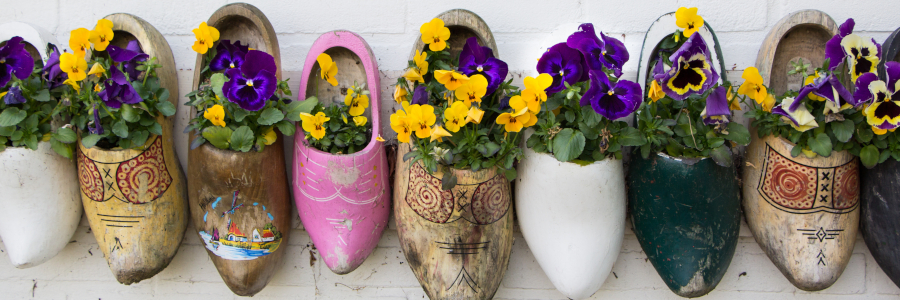
The best spring décor does not need to announce itself with a megaphone, a wagon full of plastic eggs, and twelve identical “Hello Spring” signs. A good seasonal refresh simply makes a room feel lighter, brighter, and more awake. It borrows clues from the outdoorsnew leaves, loose petals, soft daylight, imperfect branchesand translates them into a home that still looks like yours.
These five creative spring décor ideas focus on impact, not clutter. Think flexible layers, natural materials, fresh color, and small styling moves that can work in a studio apartment, a busy family house, or a rental where the walls are strictly off-limits. Pick one idea, combine two, or make a cheerful afternoon of all five. Spring is generous like that.
1. Give Your Entry a “First Five Seconds” Spring Makeover
The entryway is your home’s opening sentence. It does not need to be dramatic, but it should make guests feel that someone thought about the welcome. This is also the ideal place for spring front porch décor because a small edit is visible every time you return home with groceries, mail, or a coffee you absolutely did not need but emotionally deserved.
Start outside with an asymmetrical wreath rather than a perfectly packed floral circle. Use a grapevine or willow base, then cluster faux tulips, dried lavender, olive branches, or ribbon on one side. An uneven shape feels relaxed and modern, like a garden got dressed without consulting a stylist. Add a simple coir mat, one weatherproof planter on each side of the door, and a lantern or basket only if the porch has enough room.
Inside, create a small entry vignette. Place a tall vase with budding branches on a console or narrow shelf. Choose stems with height and linepussy willow, cherry branches, forsythia, or leafy clippings from your yard where permitted. Beside it, add a shallow dish for keys and a tiny object with personality: a ceramic bird, a framed botanical postcard, or a bowl of lemons. The combination says “spring lives here” without shouting it through a megaphone.
How to Make It Work in a Small Space
Use vertical ingredients. A wall hook with a cheerful tote, a slim mirror, and one tall vessel will give a tiny entry more presence than a crowded tabletop. Keep the palette connected to the rooms beyond it, so the doorway feels like the first chapter rather than a completely unrelated short story.
2. Build a Bloom Bar Instead of One Formal Bouquet
A bloom bar is a loose collection of small vessels filled with individual stems, herbs, or branches. It is easier to arrange than one enormous bouquet and far more forgiving when grocery-store flowers look as though they have had a long day. This spring decorating idea turns ordinary objects into a flexible floral display.
Gather five to nine small containers with different shapes but a similar finish. Clear glass, white ceramic, pale stoneware, or thrifted brass all work beautifully. Do not worry about matching them exactly; a little variety makes the group look collected rather than purchased in a panic. Try bud vases, espresso cups, tiny pitchers, jam jars, egg cups, or a clean glass diffuser bottle.
Fill each vessel with one kind of stem: a tulip, a daffodil, a sprig of rosemary, a few fern fronds, or a flowering branch. Arrange the vessels down the middle of a dining table, across a mantel, beside a bathroom sink, or along a kitchen windowsill. Vary the heights, but do not let the tallest piece tower over everything like it is running for mayor.
For a low-cost version, use leafy branches from the yard, herbs from the supermarket, and one bunch of fresh flowers split across several containers. This approach stretches a modest floral budget and keeps the display interesting as individual stems fade. Replace only what looks tired. The bloom bar is not precious; it is alive, which is the whole point.
A Simple Color Formula
Choose either one flower color plus green, or three colors that share the same intensity. For example, soft pink tulips, yellow daffodils, and pale blue hyacinths create a gentle spring tablescape. Bright orange, hot pink, and deep purple can work too, but give them neutral vessels so the table does not start arguing with itself.
3. Swap Soft Layers for a Lighter, Textured Look
Seasonal décor does not always have to be an object. Sometimes the fastest way to make a room feel like spring is to change the fabrics that touch your hands, frame the windows, or sit beneath a stack of pancakes. Heavy materials visually read as winter even when the thermostat has stopped its villain arc.
In the living room, trade chunky knits and faux fur for linen, cotton, cotton-blend canvas, or lightweight woven covers. On a beige sofa, for example, try two striped pillow covers, one small floral lumbar pillow, and a light throw in sage, coral, or butter yellow. You do not need a dozen cushions. The sofa is a place to sit, not a soft-furnishing obstacle course.
On the bed, switch to breathable sheets and a quilt, coverlet, or matelassé layer. A floral duvet can be charming, but one botanical pattern is usually enough. Pair it with solid pillowcases or a subtle check. In the dining room, a striped table runner, cotton napkins, or scalloped placemats can deliver the same seasonal lift without a major purchase.
How to Avoid Pastel Overload
Pastels become sophisticated when grounded by natural texture. Balance pale pink with woven rattan, pale blue with warm wood, or soft green with a black metal lamp. Let your home’s existing furniture do its job instead of trying to disguise it as an Easter display. Spring is a guest, not a hostile takeover.
4. Turn the Dining Table Into a Casual Garden Trail
A spring tablescape should feel inviting enough for a weeknight meal, not so elaborate that everyone is afraid to set down a glass of water. The easiest formula is a low, winding arrangement that leaves sightlines open and makes room for food, elbows, and enthusiastic hand gestures.
Begin with a runner in linen, cotton, gingham, or a subtle botanical print. Lay it slightly rumpled instead of pulling it taut; spring is soft around the edges. Then place a series of small vessels along the center: bud vases, a footed bowl, a short candleholder, and perhaps a shallow dish of fruit. Lemons, limes, pears, or artichokes add color and form without pretending to be a florist’s assistant.
For a brunch table, use one simple flower at each place setting and tie napkins with twine, ribbon, or a clipped herb sprig. A place card tucked into a lemon or clipped to a small branch looks thoughtful but takes almost no time. Mix plates you already own rather than buying a matched seasonal set. A blue-and-white plate, a plain white dinner plate, and a patterned salad plate can coexist peacefully. Unlike relatives at a holiday meal, they do not need to agree on everything.
Make It Reusable Beyond One Holiday
Avoid locking the table into Easter-only imagery unless that is truly your tradition. Flowers, colored glassware, checked napkins, botanical prints, and produce can stay through late spring and slide neatly into summer. The best seasonal décor earns its storage space by being useful for more than one weekend.
5. Make a Mini Indoor Garden Gallery
Not every spring room needs another vase. A mini indoor garden gallery gives your walls, shelves, or unused corners a botanical point of view without demanding a full renovation. It is especially helpful in spaces where outdoor views are limited or where the weather is doing that strange “sunny at breakfast, sideways rain by lunch” thing.
Choose a compact zone: the wall above a sideboard, a kitchen shelf, a stair landing, or the blank strip near a window. Start with a framed botanical print, a pressed-leaf piece, or a favorite garden photograph. Add one or two smaller items around itperhaps a small mirror to bounce light, a textured basket, or a pottery vessel. Then introduce one real plant or a cluster of potted herbs.
Keep the installation loose rather than symmetrical. A spring gallery should have the ease of a nature walk, not the tension of a museum security line. Place a trailing pothos on a high shelf, a fern near filtered light, or basil and mint in the kitchen where they can become dinner instead of merely posing for compliments.
A Rental-Friendly Variation
Use removable hooks, leaning frames, and freestanding plant stands. A few small changes can shift the mood of a blank wall without paint, nails, or a tense conversation about a security deposit. Add a woven shade or a narrow strip of removable botanical wallpaper to the back of a bookshelf for an unexpected burst of garden energy.
Bring the Five Ideas Together Without Making a Mess
The secret to creative spring décor is repetition with restraint. Let one color travel through the house: perhaps the yellow of your front-door flowers reappears in a kitchen towel, a table napkin, and a tiny piece of art. Let one material repeat too, such as glass, woven fiber, or painted ceramic. That visual echo makes scattered updates feel intentional.
Before buying anything, shop your cabinets, closets, and yard. A clear tumbler can become a bud vase. A fruit bowl can become a table centerpiece. An old frame can display a postcard. A scarf can become a runner. The most charming spring home décor often looks slightly improvised because it is. Perfection is overrated; a room with personality beats a catalog spread every time.
Spring Décor Experiences: What Actually Holds Up in a Lived-In Home
The first lesson from decorating for spring is that the “before” matters more than the shopping trip. In a room piled with winter blankets, unopened mail, and random cords that appear to reproduce at night, even the prettiest tulips can look like they took a wrong turn. Clear a surface, wash the window nearest it, and edit one shelf before styling. Suddenly, a single stem in a small vase has a starring role. It is not glamorous, but neither is cleaning the refrigerator, and both produce suspiciously satisfying results.
The second lesson is that fresh flowers are delightful but not always practical. A bouquet on a dining table is lovely until it blocks a conversation or sheds pollen onto someone’s mashed potatoes. Small arrangements solve that problem. Put flowers in low vessels, scatter them in groups of three, and reserve tall branches for spots people do not need to see across. In homes with pets or curious toddlers, sturdy faux stems, non-toxic greenery, or an elevated arrangement may be the wiser choice. Beautiful décor should not require a security detail.
Third, seasonal color works best when it enters through removable items. A butter-yellow pillow cover, sky-blue napkin, or rosy tea towel can feel surprisingly powerful because it changes the visual temperature of a room without requiring a paint roller or a personal loan. Many people learn the hard way that buying one dramatic seasonal object is less useful than buying a few flexible pieces that can migrate around the house. The pillow moves from sofa to bedroom chair; the runner moves from dining table to console; the little vase lands in the bathroom when the kitchen needs extra counter space.
There is also a difference between decorating for a photograph and decorating for Tuesday. A magazine-worthy table may contain fifteen delicate objects, but most homes need room for backpacks, laptops, takeout containers, and a person who enjoys putting their feet up. The most successful spring setups preserve a clear landing spot. Use trays to corral small items, keep fragile décor away from traffic lanes, and let useful objects participate in the look. A woven basket for shoes, a pitcher full of branches, or a ceramic bowl for fruit earns its place every day.
Finally, spring décor is more memorable when it becomes a small ritual instead of a frantic makeover. Buy the first bunch of tulips of the season. Rearrange the mantel while a window is open. Invite a child, roommate, partner, or mildly interested cat to “help” create a porch planter. The result may not be perfectly styled. It may include a crooked ribbon, soil on the floor, and one herb plant that thrives purely out of spite. But it will feel personal, cheerful, and genuinely lived inwhich is exactly what a spring home should be.