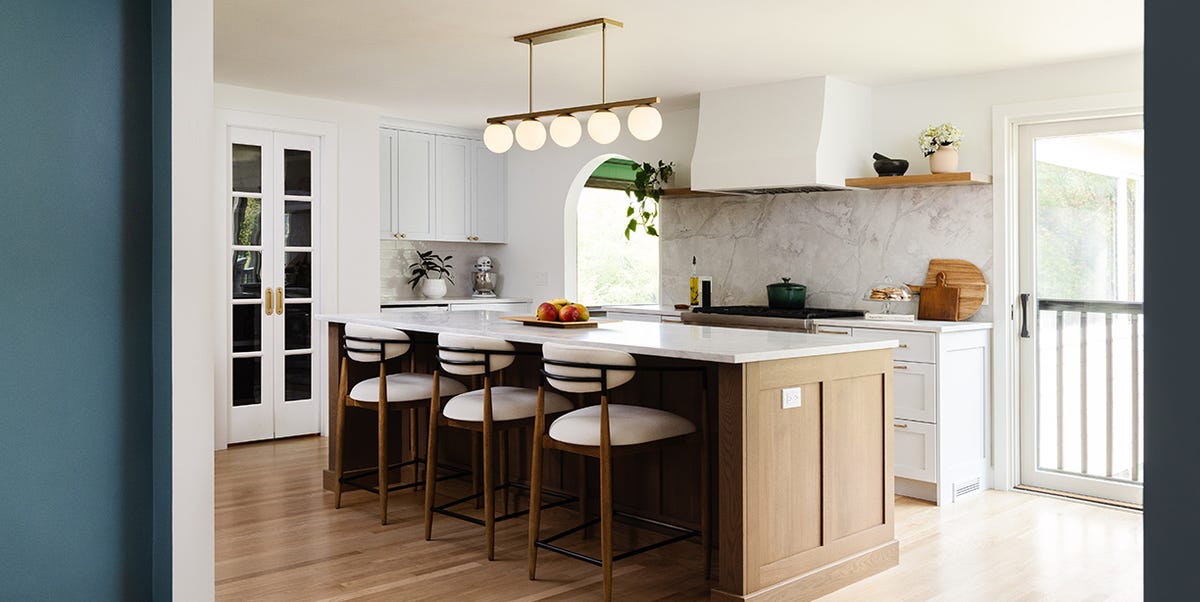
The kitchen is where coffee happens, midnight snacks are negotiated, and someone always says, “Can you chop that a little smaller?” In other words, this room works hard. So your kitchen lighting ideas should do more than simply prevent you from mistaking paprika for cinnamon. The best lighting plan makes a kitchen safer, prettier, warmer, and far more useful from breakfast rush to late-night cookie diplomacy.
If you are choosing kitchen ceiling light fixtures, the golden rule is simple: do not rely on one lonely overhead fixture and expect miracles. A well-lit kitchen uses layers. You want ambient light for the room, task light for work zones, accent light for mood, and decorative light for personality. When those layers work together, even a basic kitchen can feel custom.
Why Great Kitchen Lighting Matters
Good kitchen lighting affects everything. It helps you prep food safely, makes countertops more functional, softens harsh shadows, and highlights the finishes you actually paid for. It can make a tiny galley kitchen feel bigger, a plain builder-grade kitchen feel more polished, and a large open-plan kitchen feel less like an airport terminal.
The smartest designs also balance beauty with performance. That means choosing the right fixture style, the right brightness, the right bulb color temperature, and the right placement. In most kitchens, warm-to-neutral light feels the most inviting, especially when combined with dimmers and high-quality LEDs that render food and finishes accurately.
45 Best Kitchen Lighting Ideas
Ceiling Lighting Ideas That Build the Foundation
- Install dimmable recessed lights for clean ambient light. Recessed fixtures are the quiet achievers of kitchen lighting. They disappear into the ceiling but spread even light across the room.
- Use a flush-mount ceiling fixture in smaller kitchens. If your ceiling is low, a flush mount gives you broad coverage without hanging into sightlines like an overenthusiastic chandelier.
- Choose a semi-flush mount for more style. This is a great middle ground when you want a little drama but do not have the ceiling height for a true pendant.
- Mix recessed lights with a central statement fixture. Think of recessed cans as the practical shoes and the statement fixture as the stylish coat. You need both.
- Try a linear ceiling light over a galley kitchen. Long, slim fixtures work beautifully in narrow spaces and help distribute light evenly from end to end.
- Use wide-beam downlights in small kitchens. These spread light more generously and help avoid dark corners that make compact kitchens feel cramped.
- Opt for ceiling fixtures with frosted diffusers. Diffused light is softer on the eyes and kinder to reflective surfaces like quartz, stainless steel, and glossy backsplash tile.
- Add a sculptural ceiling fixture in a simple kitchen. When cabinets and finishes are understated, a bold ceiling light can become the jewelry of the room.
Kitchen Island Lighting Ideas That Earn Their Keep
- Hang two oversized pendants over a medium island. This classic approach gives balance, style, and strong task lighting without making the island look over-accessorized.
- Use three mini pendants over a longer island. This creates rhythm and spreads light more evenly across prep and seating zones.
- Try mixed-shape pendants in the same finish. Matching everything exactly can feel stiff. Similar materials with different silhouettes keep the look polished but more interesting.
- Choose clear glass pendants for a light, airy look. They visually disappear, which is especially useful in smaller kitchens or open-concept layouts.
- Use dome pendants for focused task lighting. These direct light downward beautifully over islands where chopping, serving, and snack hovering all happen.
- Go with woven or natural-fiber shades for warmth. They soften modern kitchens and add texture without shouting for attention.
- Pick metal pendants for contrast. Brass, bronze, matte black, or aged nickel can add depth and make a neutral kitchen feel intentional.
- Hang pendants about 30 to 36 inches above the island. That is usually the sweet spot for function and visibility, without turning the fixtures into forehead hazards.
- Center pendants carefully. A good rule is to keep them centered over the island with breathing room near the edges so the arrangement looks balanced.
- Install rise-and-fall pendants if you love flexibility. Adjustable fixtures are handy when the island doubles as prep zone, homework desk, and unofficial life conference table.
Task Lighting Ideas That Make Cooking Easier
- Add under-cabinet LED strips. This may be the most practical upgrade on the list. It lights countertops directly, cuts shadows, and makes food prep easier.
- Use under-cabinet puck lights for targeted brightness. These work well in tight areas, though strips usually give a more continuous glow.
- Light the sink with a focused pendant or recessed fixture. The sink deserves real lighting, not vague hope.
- Install lighting over the range area. Even if your hood includes light, supplementing that zone can make cooking safer and more comfortable.
- Brighten a coffee station with a small spotlight or sconce. Because your 6:45 a.m. self deserves visual support.
- Use shelf lighting for open shelving. It adds both visibility and display-worthy charm for dishes, glassware, and cookbooks.
- Light glass-front cabinets from within. This turns everyday storage into a subtle design feature and adds a soft evening glow.
- Choose high-CRI LEDs. Better color rendering helps produce, countertops, paint colors, and wood tones look more true-to-life.
- Keep bulb color consistent across nearby fixtures. Mixing warm amber light with icy white light can make a kitchen feel visually confused.
Accent Lighting Ideas for Mood and Depth
- Add toe-kick lighting under base cabinets. It looks elegant and doubles as helpful nighttime navigation when someone wanders in for water and accidentally finds leftover pie.
- Use lighting above cabinets for a soft glow. In kitchens with space between upper cabinets and ceiling, this adds atmosphere without glare.
- Install LED strips behind a floating shelf. Backlighting adds depth and makes styled shelves look more expensive.
- Highlight a backsplash with subtle directional light. If you splurged on handmade tile, let it have its moment.
- Use a cordless table lamp on the counter. Designers increasingly love this trick because it adds low, cozy light at eye level and makes kitchens feel less clinical.
- Place a lamp on the island for evening ambiance. It creates a softer mood after dinner when bright prep lighting feels like overkill.
- Try cabinet-interior lighting for pantry zones. This is part luxury, part practicality, and entirely satisfying.
- Add accent lighting around architectural features. A beautiful hood, ceiling beam, or alcove can look even better with a thoughtful wash of light.
Decorative Fixture Ideas That Add Personality
- Hang a small chandelier over an eat-in kitchen table. It instantly makes the space feel more layered and welcoming.
- Use vintage or antique fixtures for character. A vintage pendant or chandelier can keep a new kitchen from feeling too showroom-perfect.
- Choose globe lights for a softer silhouette. They feel timeless and work in modern, traditional, and mid-century kitchens alike.
- Go bold with geometric fixtures. In a simple kitchen, a graphic light can create a strong focal point without needing loud color.
- Use lantern-style pendants in transitional kitchens. They bridge classic and modern elements beautifully.
- Install wall sconces near a breakfast nook. Sconces add eye-level light and help a kitchen feel more decorated and less all-business.
- Choose slim modern chandeliers for open layouts. These work especially well over islands or dining extensions in contemporary homes.
- Use matching metal finishes for a cohesive look. Your fixtures do not need to be twins, but they should feel like they know each other.
- Let one fixture be the star. If you use a dramatic pendant or chandelier, keep other lights simpler so the room does not look visually crowded.
- Repeat a shape elsewhere in the room. A curved pendant can echo rounded stools or arched cabinet glass, making the design feel deliberate.
- Combine beauty with smart controls. The prettiest fixture in the world becomes even better when it dims, schedules, and adapts to how you actually live.
How to Choose the Right Kitchen Ceiling Light Fixtures
Start with function. Ask what the fixture needs to do before deciding how it should look. A central flush mount might work for a compact kitchen, while a large island probably needs pendants plus recessed lighting. If the kitchen is open to a dining or living area, pick fixtures that coordinate rather than compete.
Next, think about scale. Oversized pendants can look fantastic, but only when they suit the island and ceiling height. Tiny fixtures over a huge island often look apologetic, as though they arrived underdressed. Likewise, a heavy chandelier in a tight kitchen can make the room feel crowded.
Light quality matters too. In most homes, 2700K to 3000K creates a warm, welcoming feel, while still being useful for work. Some homeowners like slightly cooler light in task-heavy zones, but keeping the overall temperature consistent usually produces a calmer result. Dimmable LEDs and a strong CRI rating are worth prioritizing because they improve flexibility and make finishes and food look better.
Common Kitchen Lighting Mistakes to Avoid
The biggest mistake is relying on one overhead fixture. It creates shadows, especially when you stand at the counter with your back to the light. Another frequent issue is hanging pendants too high or too low. Too high, and they lose impact. Too low, and they become decorative dodgeballs.
People also underestimate under-cabinet lighting, which is one of the best upgrades for function. Another misstep is choosing bulbs with mismatched color temperatures. That patchwork effect can make even a beautiful kitchen feel oddly off. Finally, avoid overlighting every inch at full brightness all the time. Kitchens need flexibility. Bright for prep, softer for meals, gentler still for late evenings when nobody wants to feel like they are dining under interrogation lamps.
Real-World Experience: What Kitchen Lighting Feels Like in Daily Life
On paper, kitchen lighting sounds technical. In real life, it is emotional. It changes how the room greets you in the morning, how calm dinner prep feels after a long day, and whether the kitchen becomes a place people linger or a place they flee after grabbing toast. Homeowners often discover this only after living with a bad setup. One harsh ceiling fixture can make a beautiful kitchen feel flat, cold, and weirdly tiring. The cabinets may be lovely and the countertops expensive, but if the room feels like a break room at a dentist’s office, something is missing.
That “something” is usually layered light. Once people add under-cabinet LEDs, dimmers, and better pendants, the room changes immediately. The countertops become easier to work on. The backsplash gains texture. The island suddenly feels like a destination instead of a slab in the middle of the room. Even small improvements, like a cordless lamp in a corner or toe-kick lighting for evenings, can make the kitchen feel more human.
There is also a practical comfort factor that photos do not fully capture. Good task lighting reduces the strain of cooking at night. It is easier to read labels, spot spills, and prep food without leaning into your own shadow like a detective in a crime drama. Families with kids appreciate brighter islands for homework and snacks, while people who entertain love being able to dim the room once the cooking is done. That flexibility is what turns a kitchen from a work zone into a living space.
Many people also find that the best kitchen lighting is not always the fanciest. A simple flush mount in the right finish, paired with excellent under-cabinet strips and a couple of well-placed pendants, often outperforms a more expensive but poorly planned setup. That is why thoughtful placement matters more than buying the most dramatic fixture in the showroom.
And then there is mood. Kitchens used to be designed almost like utility rooms. Today, they are social spaces. Friends gather there during parties, family members drift in during the evening, and someone always ends up standing near the island talking long after the meal is over. Softer layered light supports that. It makes the room feel settled, inviting, and alive. In other words, it helps your kitchen do what it already wants to do: become the heart of the home, with better visibility and far fewer onion-chopping shadows.
Final Thoughts
The best kitchen lighting ideas combine style, comfort, and real-world usefulness. Whether you love dramatic pendants, sleek recessed lights, cozy lamps, or practical under-cabinet LEDs, the goal is the same: build layers that help the kitchen work beautifully at every hour. Choose kitchen ceiling light fixtures that fit your layout, use warm and flattering light, and give yourself control with dimmers and smart features. Your kitchen should be bright when you need focus, soft when you want atmosphere, and good-looking all the time.