Buying a ring for a man sounds simple until the sizing question walks into the room wearing work boots. Is he a size 9? A 10? A 12 because he once opened a stubborn pickle jar with two fingers and now everyone assumes he has superhero hands? Measuring ring size for men is not guesswork, and it should not involve staring dramatically at someone’s hand across dinner like a detective in a jewelry-themed crime show.
The good news is that finding the right men’s ring size is very doable. Whether you are shopping for a wedding band, promise ring, fashion ring, class ring, signet ring, or a surprise gift, you have several reliable options. The best method depends on whether you can measure his finger directly, borrow a ring he already owns, or get help from a professional jeweler.
In the United States, ring sizes are usually listed as numbers, often including half sizes. Men’s rings commonly fall somewhere around sizes 8 to 14, though hands are gloriously individual and do not care about averages. A ring should feel secure but not restrictive. It should slide over the knuckle with a little resistance, sit comfortably at the base of the finger, and not spin around like it is auditioning for a tiny circus act.
Below are three practical, easy-to-follow ways to measure ring size for men, plus sizing tips, common mistakes, examples, and real-world experience to help you avoid the classic “close enough” ring-size disaster.
Why Men’s Ring Size Matters More Than You Think
A ring that is too tight can pinch, trap moisture, irritate skin, and become uncomfortable during hot weather or after physical activity. A ring that is too loose can slip off while washing hands, working out, clapping at a concert, carrying groceries, or simply existing with enthusiastic finger movement.
Men’s ring sizing can also be trickier because many men’s bands are wider than delicate fashion rings. A wider band covers more surface area on the finger, which often makes it feel snugger than a narrow ring in the same size. That means a man who wears a size 9 in a slim ring may feel more comfortable in a 9.5 if the band is wide, flat, or heavy.
Finger shape matters too. Some men have larger knuckles and slimmer finger bases. Others have fingers that are more uniform from knuckle to base. The right size must balance both realities: the ring needs to get over the knuckle without requiring a rescue mission, but it should not be so loose at the base that it spins constantly.
Before You Start: Ring Sizing Rules That Save Headaches
Before measuring, follow a few simple rules. First, measure the exact finger where the ring will be worn. The ring finger on the left hand may not match the ring finger on the right hand. Dominant hands are often slightly larger, especially for men who work with their hands, lift weights, play sports, or type with the determination of a caffeinated court reporter.
Second, measure when the hands are warm and relaxed. Fingers can shrink when cold and swell when hot. They may also expand after salty meals, exercise, alcohol, long flights, or a long day of manual work. Measuring after a gym session is like measuring feet after a marathon and then wondering why the shoes feel like boats.
Third, repeat the measurement. One measurement is a hint; three measurements are a decision. If the results vary slightly, choose the size that offers comfort without slipping. For men’s wedding bands and rings worn daily, comfort should win over the fantasy of a mathematically perfect number.
Way 1: Use a Ring Sizer Tool
The most reliable at-home method is using a ring sizer tool. This may be a plastic belt-style sizer, a reusable ring gauge, or a set of sizing rings. Many jewelers and online jewelry retailers offer printable charts or free plastic ring sizers by mail. If you are buying an important ring, such as a wedding band, this method is worth the tiny bit of extra effort.
How to Use a Plastic Ring Sizer
A plastic ring sizer usually works like a small belt. You slide the end through a slot, place it around the finger, and tighten it until it feels like a ring would feel. It should be snug enough not to fall off but loose enough to move over the knuckle without pain, panic, or dish soap.
Here is a simple process:
- Place the sizer around the finger where the ring will be worn.
- Pull it gently until it fits comfortably at the base of the finger.
- Slide it over the knuckle to make sure it can come off without too much effort.
- Read the size shown on the sizer.
- Repeat the process two or three times during the day.
For men with larger knuckles, measure both the knuckle and the base of the finger. If the knuckle is much larger, a size between the two measurements may be best. The ring should pass over the knuckle with moderate resistance and then sit without wobbling too much at the base.
Why This Method Works Well
A ring sizer is designed for the job. Unlike string or paper, it does not stretch easily, curl in humidity, or give a false reading because someone pulled too tightly. It also gives a realistic sense of how a ring feels when sliding over the knuckle.
For men who are not used to wearing rings, a ring sizer also helps answer a surprisingly important question: what does “comfortably snug” actually feel like? Many first-time ring wearers assume a ring should feel almost invisible. In reality, a properly fitted ring has presence. It should be noticeable, secure, and comfortablenot invisible, not suffocating, and definitely not flying across the room during a handshake.
Way 2: Measure an Existing Ring That Fits
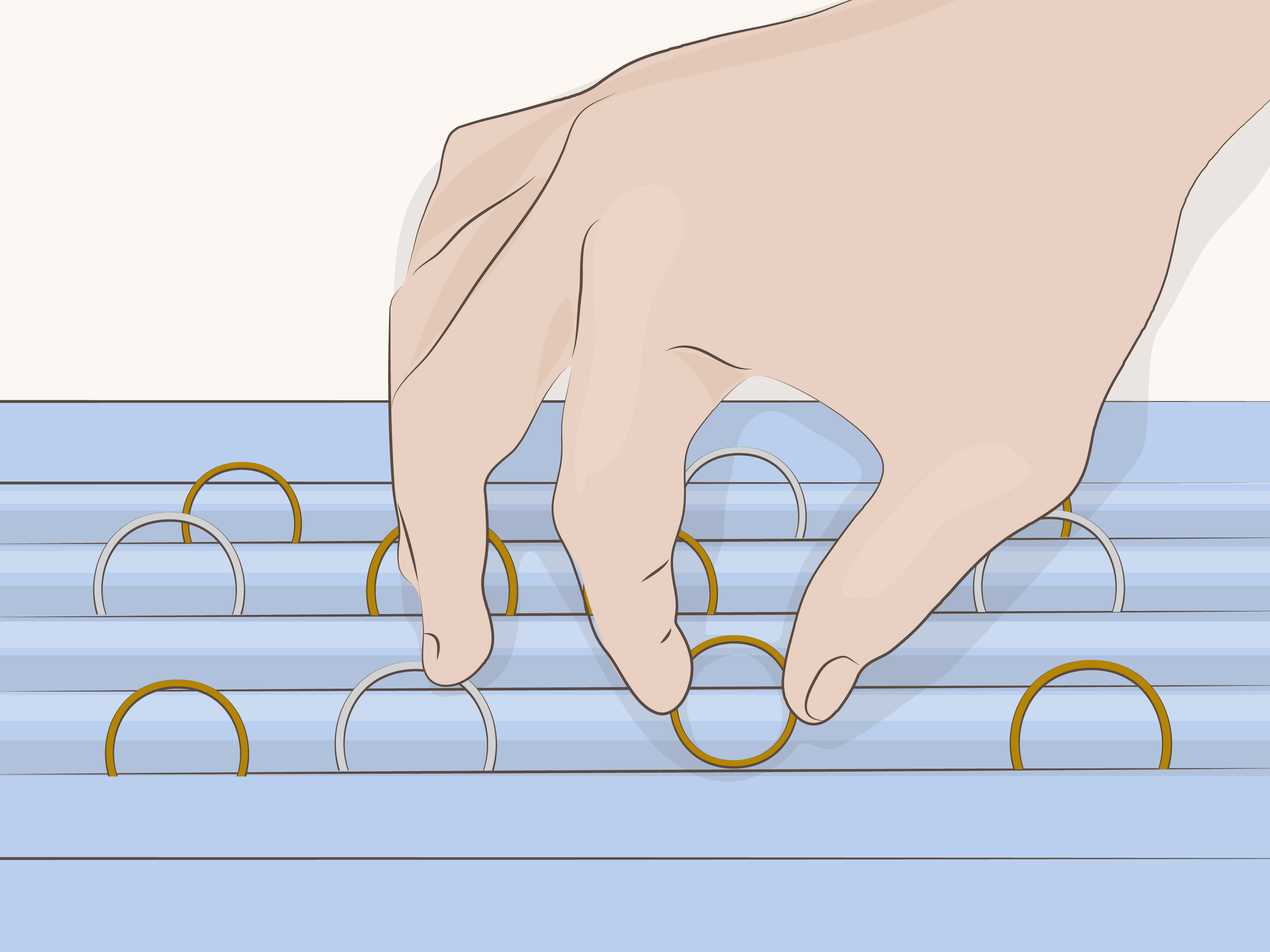
If he already owns a ring that fits the correct finger, you have struck sizing gold. Measuring an existing ring is one of the best methods, especially when the ring is a surprise gift. The key is choosing a ring that fits the same finger and hand where the new ring will be worn.
Do not use a pinky ring to size a wedding band. Do not use a right-hand ring to guess a left-hand ring unless you are comfortable with “probably” doing a lot of heavy lifting. Fingers differ, and rings remember nothing about your intentions.
How to Measure an Existing Ring at Home
There are two common ways to use an existing ring. The first is to place the ring on a printable ring size chart. The second is to measure the inside diameter of the ring in millimeters and compare it with a ring size chart.
For a printable chart:
- Print the chart at 100% scale. Do not choose “fit to page.”
- Check the printed ruler or reference line to confirm accuracy.
- Place the ring over the circles on the chart.
- Match the inside edge of the ring to the circle that fits best.
- If the ring falls between two sizes, choose the larger size for comfort.
For the diameter method, place the ring on a flat surface and measure the inside width from one inner edge to the opposite inner edge. Use millimeters, not inches, because ring charts are more precise in millimeters. Then compare the measurement to a U.S. ring size chart.
Secret Sizing Tip for Gifts
If you are trying to keep the ring a surprise, borrow the ring briefly and measure it quickly. If borrowing it would set off alarms, trace the inside circle on paper or press it gently into a soft bar of soap to create an impression. A jeweler may be able to estimate size from the tracing or impression. Just remember to clean the ring afterward unless your romantic plan includes explaining why his ring smells like lavender oatmeal.
Way 3: Visit a Professional Jeweler
The most accurate way to measure ring size for men is to visit a professional jeweler. Jewelers use tools such as metal sizing rings, finger gauges, and ring mandrels. They also understand how band width, finger shape, temperature, and ring style affect fit.
This method is especially smart for wedding bands, expensive rings, custom designs, tungsten rings, titanium rings, eternity-style bands, engraved rings, or any ring that may be difficult or impossible to resize later. Some metals and designs are not easy to adjust. Getting the size right at the beginning can save money, time, and a small emotional spiral.
What Happens During Professional Ring Sizing
A jeweler will usually have the man try on several sample rings in different sizes. The jeweler will check how the ring moves over the knuckle and how it sits at the base of the finger. If the band being purchased is wide, the jeweler may recommend trying a wider sizing band rather than a narrow gauge.
The goal is not just to find a number. The goal is to find the best fit for that specific hand, finger, ring style, and lifestyle. A man who works with tools all day may prefer a slightly different fit than someone who wears the ring mostly in an office. A man with prominent knuckles may need special guidance. A man who has never worn jewelry may need a few minutes to understand the difference between secure and too tight.
When Professional Sizing Is Worth It
Professional sizing is worth it when the ring is expensive, sentimental, custom-made, engraved, or difficult to resize. It is also worth it when measurements from at-home methods disagree. If one method says size 9 and another says 10.5, do not average them and hope love handles the rest. Visit a jeweler.
Men’s Ring Size Chart: A Practical Starting Point
While every hand is different, many men’s rings fall between sizes 8 and 14. Some retailers list size 9 or 10 as common for men, but averages should only be used as a starting point. They are helpful when planning a surprise, not when making a final decision.
Here is a simple example: if a man has slim fingers, wears medium gloves, and does not have large knuckles, he may fall around size 8 to 10. If he has broad hands, large knuckles, or wears extra-large gloves, he may be closer to size 11 to 14. But glove size is not ring size. It is only a clue, not a contract.
Common Mistakes When Measuring Men’s Ring Size
Mistake 1: Measuring Only Once
Finger size changes throughout the day. Measuring once, especially in the morning or after exposure to cold, can lead to a ring that feels too tight later. Measure more than once for a better result.
Mistake 2: Pulling String Too Tight
String and paper methods are popular because they are easy, but they can be inaccurate. String can stretch, and paper can bend or tear. If you use this method, treat it as an estimate and compare it with another method.
Mistake 3: Forgetting the Knuckle
A ring must pass over the knuckle. If the knuckle is larger than the base of the finger, measuring only the base can produce a ring that fits perfectly in theory and refuses to enter reality.
Mistake 4: Ignoring Band Width
Wider bands usually feel tighter. If the man is choosing a thick wedding band, he may need a half size larger than he would wear in a narrow ring.
Mistake 5: Guessing Based on Height or Weight
Tall men do not automatically have large ring sizes, and smaller men do not automatically have small ring sizes. Hands have their own private sizing agenda.
Quick Comparison: Which Method Should You Use?
| Method | Best For | Accuracy Level | Main Caution |
|---|---|---|---|
| Ring sizer tool | At-home sizing with direct finger access | High | Measure more than once and check knuckle fit |
| Existing ring | Surprise gifts and men who already wear rings | Medium to high | Use a ring from the same finger and hand |
| Professional jeweler | Wedding bands, custom rings, expensive jewelry | Highest | Bring style details, especially band width |
Should You Size Up or Down?
If the measurement falls between sizes, many jewelers recommend choosing the larger size, especially for wider bands. However, this depends on finger shape. If the ring slips easily over the knuckle and spins wildly at the base, sizing up may not be ideal. If the ring struggles to pass the knuckle but sits well once it is on, a jeweler may suggest a compromise size or a comfort-fit band.
Comfort-fit rings have a slightly rounded interior, which can make them easier to slide on and off. Many men’s wedding bands use comfort-fit designs because they feel smoother during daily wear. However, comfort-fit bands can sometimes fit differently than standard-fit rings, so it is best to confirm sizing with the actual band style whenever possible.
Real-Life Experiences: What Measuring Men’s Ring Size Actually Feels Like
In real life, measuring ring size for men is rarely as clean as the instructions make it sound. The chart says “wrap the measuring strip around the finger,” but the finger says, “Today I am slightly swollen because we ate salty fries.” The printable guide says “match the ring to the circle,” but the printer says, “I have chosen 97% scale because chaos is my hobby.” This is why the best experience usually comes from using more than one method.
One common experience is the first-time wedding band shopper who thinks every ring feels tight simply because he has never worn one before. He slides on a correct size, notices the pressure, and immediately wants to go up two sizes. Then he tries the larger size and watches it rotate like a steering wheel. The lesson is simple: a ring should feel secure. New wearers may need a few minutes to get used to that feeling.
Another common situation involves men with large knuckles. The ring may need to be big enough to pass the knuckle, but once it reaches the base, it feels loose. This is frustrating, but not unusual. In this case, measuring both the knuckle and the finger base helps. A jeweler may recommend a size between the two, a comfort-fit band, sizing beads, or a style that balances security and comfort.
Online shoppers often learn that printable charts are useful but only if printed correctly. A chart printed at the wrong scale can throw off the size completely. Before trusting a printable guide, always check the reference ruler on the page. If the printed measurement line is supposed to be two inches and it is not two inches, the chart is not accurate. The printer is not your enemy, exactly, but it may be an unreliable roommate.
People buying surprise rings often discover that secrecy adds comedy. Borrowing a ring can feel like planning a jewelry heist. You may have only five minutes while he showers, walks the dog, or becomes deeply distracted by a sports highlight. In these cases, tracing the inside of the ring, using a printable chart, or asking a trusted friend can help. Just make sure the borrowed ring is actually worn on the target finger. Measuring a thumb ring for a ring finger gift is how surprises become return labels.
Men who work with their hands may also notice size changes depending on the day. Construction work, weightlifting, gardening, sports, and hot weather can all make fingers feel larger. Cold weather can make rings looser. A ring that fits perfectly in January may feel snug in July. That does not mean the size is wrong; it means fingers are living tissue, not stainless-steel rods.
The most reliable experience is usually a combination approach: use a ring sizer at home, compare it with an existing ring if available, and confirm with a jeweler for major purchases. This may sound excessive, but it takes far less effort than resizing a ring, delaying a wedding band order, or pretending a loose ring is fine while secretly checking the floor every thirty seconds.
When in doubt, remember the golden rule of men’s ring sizing: the best size is the one that fits his actual finger, in the actual band style, during normal daily conditions. Not the average size. Not the glove-size guess. Not the “he looks like a 10” theory. Measure carefully, check twice, and let the ring be romantic instead of ridiculous.
Conclusion
Measuring ring size for men does not have to be complicated. Use a ring sizer tool for reliable at-home results, measure an existing ring when planning a surprise, or visit a professional jeweler when accuracy matters most. For wedding bands, custom rings, and wider men’s bands, professional guidance is especially helpful.
The right ring should slide over the knuckle with slight resistance, sit comfortably at the base of the finger, and stay secure during everyday movement. Measure the correct finger, repeat the process, consider band width, and avoid guessing from hand size alone. A few careful minutes now can prevent a ring that pinches, spins, slips, or turns a romantic moment into a customer service adventure.