If Saturday Night Live was the polished older sibling who got invited to the fancy dinner party, MADtv was the chaotic younger brother who showed up late, roasted the host, spilled soda on the rug, and somehow became the story everyone remembered the next day. For years, the Fox sketch show lived in the shadow of SNL, but that shadow also made it scrappier, weirder, and far less interested in being respectable. It was louder. It was broader. It was often messier than a food fight in a clown college cafeteria. And that was exactly the point.
MADtv never had the same prestige halo as NBC’s comedy institution, but it built a real identity of its own: fast-paced pretaped sketches, movie parodies, recurring oddballs, fearless impressions, and a willingness to swing so hard that even the misses were memorable. It also turned into a training ground for comedians who would later become stars, from Alex Borstein and Bobby Lee to Keegan-Michael Key and Jordan Peele. In other words, this was not just a “cheap Fox knockoff.” It was a sketch-comedy chaos engine with a personality problem, a cult following, and a surprisingly durable legacy.
So let us give the show the respect it rarely got in real time and dig into a dozen gloriously cranky facts about the series that proved sketch comedy did not have to be neat, tasteful, or live from New York to matter.
1. MADtv Was Born as a Direct Counterpunch to SNL
This was not some accidental cousin that wandered into late night by mistake. MADtv came to life after David Salzman and Quincy Jones acquired the rights to Mad magazine and launched a TV version that premiered on Fox on October 14, 1995, at 11 p.m. on Saturday nights, directly opposite SNL. Timing was everything. SNL was in one of its rougher eras, and Fox smelled opportunity like a cartoon wolf following a pie cooling on a windowsill.
That setup shaped the show’s entire identity. MADtv was built to be the brash alternative, not the polite imitation. It wanted viewers who thought SNL had gotten too safe, too sleepy, or too in love with itself. That “anti-establishment establishment” energy never fully left the series. Even when it was being dumb, it was being dumb with purpose.
2. Its Real DNA Came From Mad Magazine, Not Just TV Sketch Comedy
One reason MADtv felt different from its rivals is that it was not modeled only on late-night TV. It borrowed heavily from the magazine’s whole comic-book-blender sensibility. The creators leaned into short bits, movie parodies, pop-culture trashing, and animation. Early on, the show even used Spy vs. Spy-style material to echo the magazine’s anarchic spirit.
That matters because MADtv was rarely trying to be elegant. Its comedy was assembled like a rack of junk-food snacks: some salty, some sugary, some bizarrely addictive, and all designed to hit fast. It did not want to ease you into a sketch; it wanted to throw a pie, set off a firecracker, then cut to a fake commercial before your brain had time to file a complaint.
3. It Had a Totally Different Feel From SNL
Debra Wilson once described MADtv as multimedia and fast-paced, with a distinct Los Angeles flavor, and that gets to the heart of why the show never felt like a carbon copy. SNL was theatrical, stage-based, and fueled by live-wire energy. MADtv felt edited, cinematic, and more interested in how far a bit could go once cameras, cuts, wigs, and fake movie trailers entered the chat.
That difference made the show more elastic. It could pivot from a celebrity spoof to a grotesque character piece to a faux commercial without breaking a sweat. The pacing was aggressive. The tone was broad. The visual jokes were bigger. If SNL sometimes felt like a sketch revue, MADtv often felt like a channel-surfing fever dream curated by a caffeine molecule.
4. Its Diversity Was Not an Accident. It Was a Feature
Long before “representation” became a media buzzword that executives say while nodding very seriously into branded water bottles, MADtv stood out for the diversity of its cast. LAist noted that the first-season ensemble included three women and three people of color, which immediately separated it from the more homogeneous comedy boys’ club it was up against.
That diversity was not cosmetic. It shaped the show’s rhythm, its targets, and its point of view. The writers and performers could tackle race, class, culture, and identity in ways that felt less filtered and more grounded in actual lived experience. Sometimes the humor was crude. Sometimes it was uncomfortable. Sometimes it was both. But the show’s voice felt broader because more kinds of voices were actually in the room.
5. Recurring Characters Were the Show’s Secret Weapon
MADtv knew the power of a lovable menace. It built an army of recurring characters who were weird enough to be unforgettable and elastic enough to survive repeat visits. TV Guide’s archive highlights just how deep that bench ran: Miss Swan, Stuart, Dot, Bonifa, and the Vancome Lady were not one-off jokes. They were comedy delivery systems.
Miss Swan worked because confusion itself became the punch line. Stuart became iconic because Michael McDonald committed so hard to that oversized, unblinking, half-child, half-nightmare energy that viewers could identify the character from one whispered line. Dot was gloriously ridiculous, the Vancome Lady weaponized retail snobbery, and Bonifa brought a level of volume that could probably be measured by airport radar.
This is where MADtv often beat “cooler” competitors: it understood that television loves repeat chaos. Viewers did not just want smart sketches. They wanted little monsters they could quote on Monday.
6. The Show Was a Factory for Fearless Performers
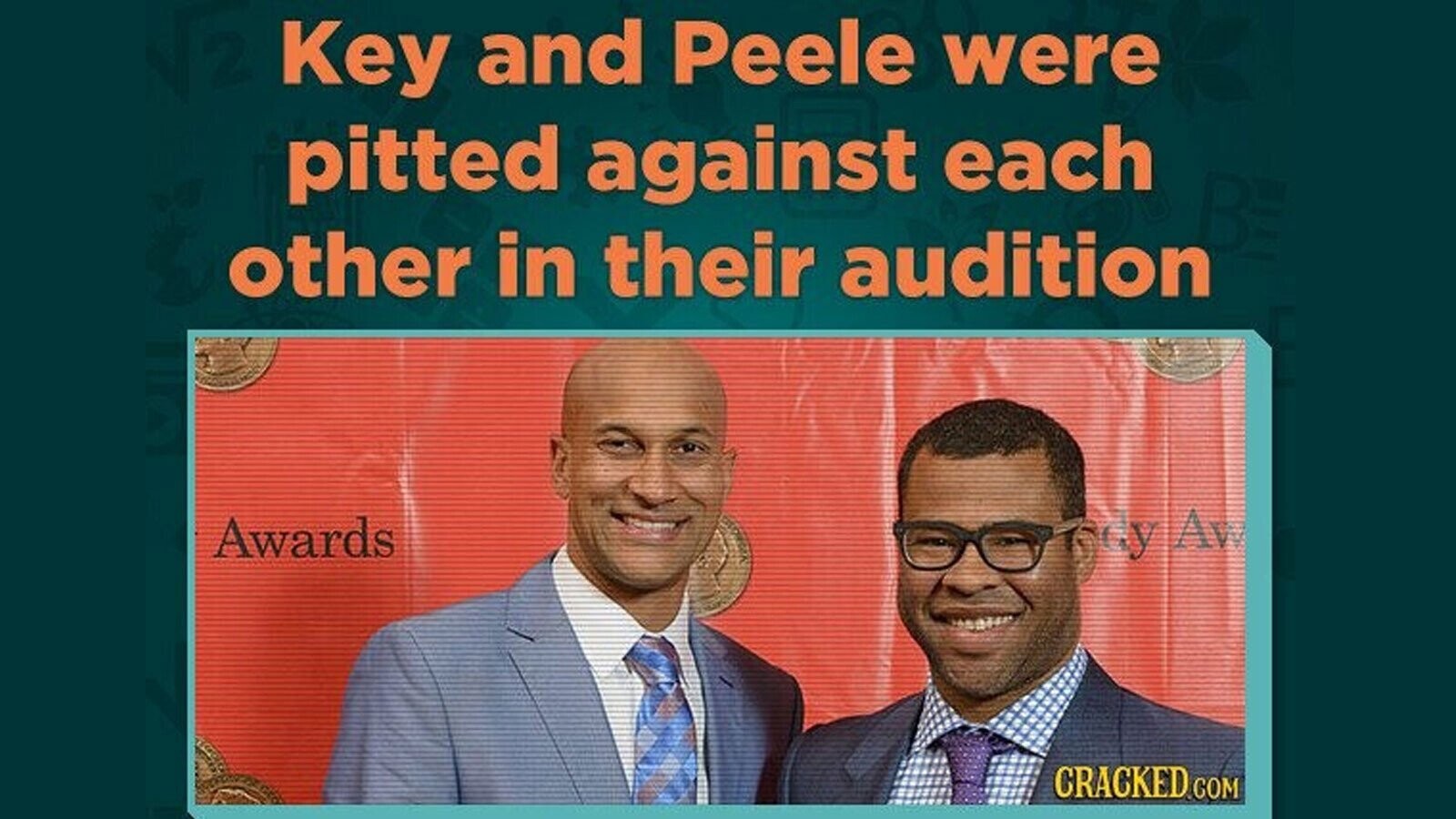
One of the great ironies of MADtv is that a series often treated like the underdog turned out to be a ridiculously strong talent incubator. The alumni list is loaded: Alex Borstein, Keegan-Michael Key, Jordan Peele, Ike Barinholtz, Bobby Lee, Orlando Jones, Nicole Sullivan, Debra Wilson, Will Sasso, Aries Spears, and more. TV Insider’s reunion coverage even framed the show as a launchpad for some of today’s best-known comedy names.
That is not a coincidence. The show rewarded range. To survive there, you needed impressions, character work, speed, voice control, physical comedy, and zero fear of looking absurd in bad pants under harsh studio lights. That is real comic boot camp. You do enough wig-heavy sketch comedy on a deadline, and eventually Hollywood either hires you or asks whether you are okay.
7. Bobby Lee’s Casting Was a Big Deal
When Bobby Lee joined the cast in 2001, he became the first Asian American cast member on MADtv. That was not a small footnote. It was one more example of the show broadening the faces and voices available in mainstream sketch comedy at a time when television still acted as if “variety” meant adding one different person and then congratulating itself for six fiscal quarters.
Lee’s run also says something useful about MADtv as a platform. The show did not just hire performers who fit one narrow comedic mold. It liked comics with strong stage identities and unpredictable energy. Lee brought both. He could be chaotic, vulnerable, absurd, and razor-sharp in the same sketch. On a show that thrived on instability, that was practically a superpower.
8. It Lasted Much Longer Than People Remember
Because MADtv is so often talked about like a cult artifact, people forget how long it actually endured. The original run lasted from 1995 to 2009 and aired more than 300 episodes before the finale on May 16, 2009. That is not a cute little cult blip. That is a serious television run.
In fact, longevity may be one of the show’s most underrated achievements. Sketch comedy is brutally hard to sustain because it eats talent, burns through ideas, and ages faster than milk on a dashboard. Yet MADtv kept reinventing its cast and tone for 14 seasons. Even when the show changed, the mission stayed recognizable: go broad, go fast, roast everything, and never let tastefulness win too easily.
9. Fox Never Quite Treated It Like a Crown Jewel
Part of MADtv’s mythology comes from feeling like the talented kid nobody fully appreciated. Vulture’s oral history describes the show’s long and complicated relationship with Fox, including the sense that the network neglected it in marketing and budget while it continued to live in SNL’s shadow.
That tension helps explain the show’s personality. MADtv often felt like it was fighting for oxygen, and that fight bled into the work. The sketches were eager to please, eager to shock, eager to go bigger. Sometimes that urgency created brilliance. Sometimes it created a comedy car crash. But even the messiness had a pulse. Plenty of shows are polished because they are safe. MADtv was scrappy because it had something to prove.
10. Critics Did Not Always Respect It, but the Craft Branches Did
Here is where the story gets fun. The show did not always receive top-tier critical reverence, yet the industry repeatedly recognized the quality of the behind-the-scenes work. The Television Academy lists MADtv with 41 Emmy nominations, and the show picked up wins in areas such as main title design, hairstyling, and art direction.
That checks out when you think about how much labor the series demanded. Character comedy at that scale depends on makeup, wigs, costumes, prosthetics, set design, and editing that can sell a fake world in seconds. MADtv was not just comedians yelling in funny accents. It was a technical operation built to turn one cast member into five people before lunch. The joke might have been immature, but the craftsmanship was often anything but.
11. The 20th Anniversary Reunion Proved the Fan Love Never Really Died
In January 2016, The CW aired a one-hour MADtv 20th anniversary reunion special featuring 19 alumni, along with classic clips and new bits. That special was more than a nostalgia sugar rush. It proved the brand still had real recognition and affection years after Fox pulled the plug.
There is a lesson there. Shows do not get reunion specials because executives suddenly become sentimental marshmallows. They get them because there is still a visible audience. The reunion also reminded viewers how stacked the old cast was. Watching those performers pop back up together made the show’s place in comedy history harder to ignore. It was like finding an old high school yearbook and realizing half the weird kids went on to rule the internet.
12. The 2016 Revival Was Short, but the Legacy Was Bigger Than the Reboot
After the reunion special, The CW revived MADtv with eight hour-long primetime episodes in 2016. The comeback did not fully recapture the original electricity, and the reboot itself was brief. But the attempt still said something important: the format, brand, and attitude remained potent enough to justify another shot.
And honestly, the bigger story is not whether the revival matched the original. It is what the original left behind. You can see traces of MADtv in later sketch comedy that prizes character commitment, quick-hit parody, and cross-cultural satire. You can see it in the careers it launched. You can see it in the way audiences still quote characters decades later. Not every influential comedy show gets treated like a museum piece. Some leave fingerprints instead. MADtv left greasy, noisy, very funny fingerprints all over modern American comedy.
Why MADtv Hit So Hard for Viewers Who Grew Up With It
Watching MADtv in its heyday felt different from watching prestige comedy. It did not arrive with a tuxedo and a press release. It arrived like a dare. You stayed up late, flipped over to Fox, and got a show that seemed happy to be less famous, less polished, and less supervised. That gave it a strange power. It felt like comedy made by the kids in the back row, not the kids on the student council.
For a lot of viewers, that mattered. SNL could feel like a national institution. MADtv felt like a secret handshake. It was the show you quoted at school with the one friend who also knew the sketch. It was the place where recurring characters did not have to be elegant to be unforgettable. They just had to be committed enough to burn themselves into your brain forever. And burn they did. Whisper one Stuart catchphrase to the right millennial or Gen X viewer and you will unlock a flashback so vivid it practically comes with cheap dorm carpet.
The series also had the energy of people trying to outdo one another in real time. That came through on screen. Performers looked like they were not simply executing material; they looked like they were trying to break each other, top the last sketch, and turn every absurd premise into something that would linger in the culture a little longer than expected. That spirit is hard to fake. It gives even the dumbest sketch an extra charge, because the audience can sense the commitment. MADtv often felt one wrong turn away from complete disaster, and somehow that made it more exciting.
There is also a generational reason the show sticks. It was deeply shaped by pop culture, and it came along at a moment when pop culture itself was becoming more hyperactive, more tabloid-driven, and more shameless. Celebrity impressions, fake movie trailers, music-video spoofs, and broad social satire all landed in a media environment already buzzing with clutter. MADtv did not stand apart from that noise. It weaponized it. The result was comedy that felt closer to how people actually consumed entertainment: in fragments, in references, in recurring memes before we even called them memes.
Most of all, the show made viewers feel like there was room in comedy for the loud kid, the oddball, the shapeshifter, the mimic, the weirdo with a face made of rubber and the dignity of a raccoon in a trench coat. It told audiences that funny did not have to be classy to be sharp, and it did not have to be critically adored to matter. Sometimes a comedy show wins by being the one people remember against their better judgment. That was MADtv. Wild, uneven, fearless, ridiculous, and far more influential than it often gets credit for being. The little brother was messy, sure. But wow, was he alive.
Conclusion
MADtv may never fully escape comparisons to Saturday Night Live, but maybe that is the wrong contest to begin with. The better question is this: what did MADtv do that almost nobody else was doing in quite the same way? The answer is plenty. It blended magazine-style satire with TV sketch chaos, pushed a faster and more visual rhythm, embraced a more diverse comic point of view, created unforgettable recurring characters, and helped build the careers of major comedy players. It was rude, frantic, uneven, and often hysterically effective.
That is why the show still matters. Not because it was always better than SNL, and not because every sketch was gold, but because it offered a different comedy language for a different audience. It was the scrappy alternative that proved television sketch comedy could be broader, stranger, and less interested in behaving itself. And in an entertainment world that increasingly rewards safe brands and carefully managed cleverness, that kind of glorious mess looks better with age.