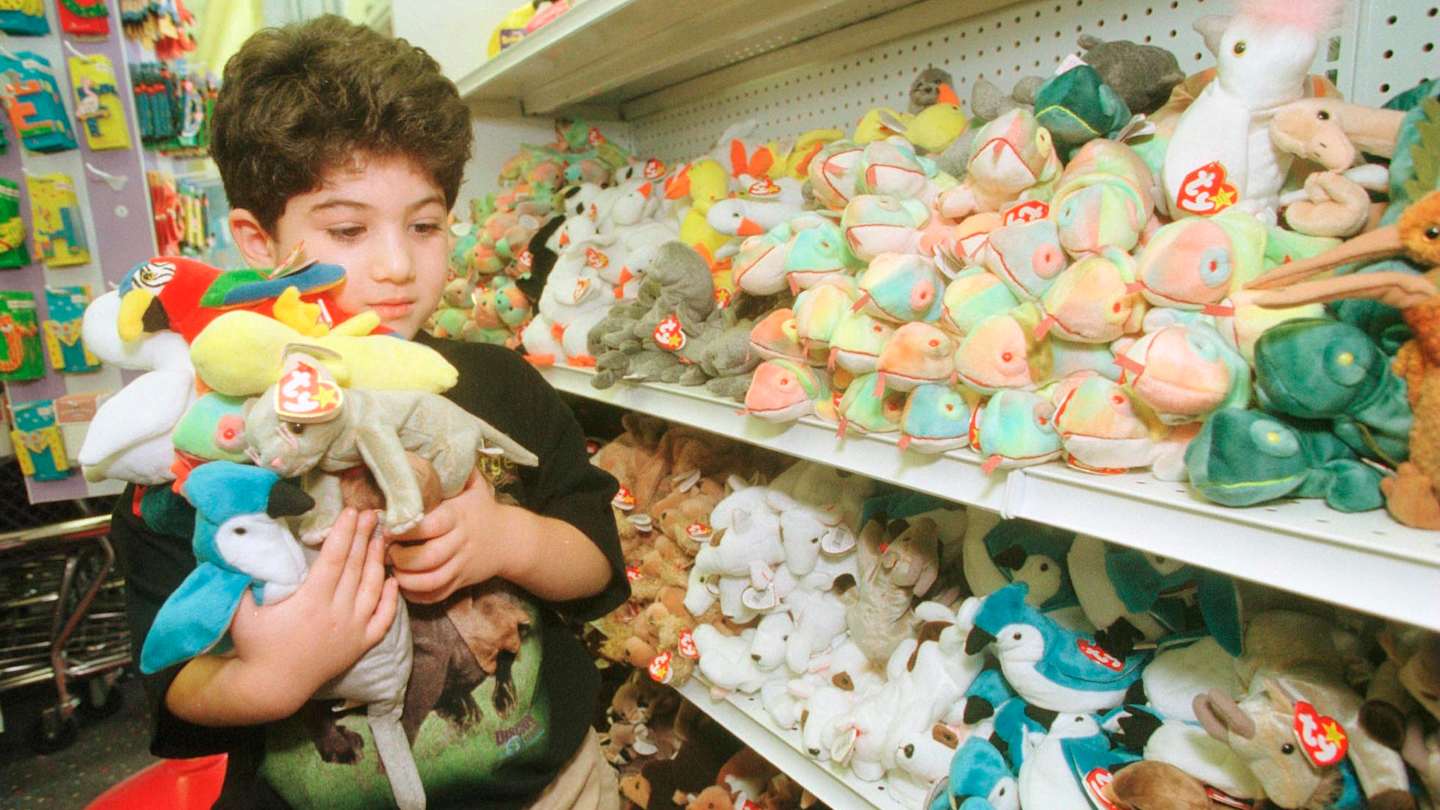
Somewhere between the holiday decorations, a box of forgotten VHS tapes, and that mysterious cable nobody can identify, there may be a small plush animal with a red heart-shaped tag waiting for its comeback moment. Yes, we are talking about Beanie Babiesthe tiny bean-filled toys that turned the 1990s into one giant treasure hunt.
At their peak, Beanie Babies were not just toys. They were investments, conversation starters, birthday bribes, and in some homes, treated with the same seriousness as fine art. People protected their tags, tracked retirement dates, and whispered about “rare errors” like they had discovered a secret Wall Street code printed on a stuffed crab.
Today, the market is more realistic. Most Beanie Babies are worth only a few dollars, even if an online listing claims someone’s purple bear is priced like a beachfront condo. Still, certain rare Ty Beanie Babies can command real money when they have the right combination of age, condition, tag generation, production variation, and authentication. Before you toss that attic box into a donation pile, here are 10 valuable Beanie Babies worth checking twice.
What Actually Makes a Beanie Baby Valuable?
The value of a Beanie Baby is not based on nostalgia alone, although nostalgia does deserve a tiny trophy for trying. Collectors usually look at several factors: the swing tag, the tush tag, the generation of both tags, condition, rarity, production history, and whether the toy has been professionally authenticated.
Condition Is Everything
A Beanie Baby with clean fabric, no odor, no stains, no fading, and crisp tags will usually sell for far more than one that spent 20 years living under a leaky roof. The swing tagthe red heart-shaped paper tagis especially important. A missing or damaged tag can dramatically reduce value.
Tag Generations Matter
Early-generation tags are usually more desirable than later ones. First, second, and third generation swing tags tend to attract more collector attention, especially when paired with early tush tags. A common Beanie Baby with a later tag may be charming, but it probably will not pay for your next vacation.
Beware of Inflated Asking Prices
One of the biggest mistakes people make is confusing asking price with selling price. A seller can list a Beanie Baby for $50,000, but that does not mean buyers are lining up with briefcases full of cash. Always check completed or sold listings, not fantasy prices. The Beanie Baby market rewards patience, research, and a healthy suspicion of anything that sounds like a plush-based retirement plan.
1. Royal Blue Peanut the Elephant
Royal Blue Peanut is one of the most famous rare Beanie Babies, and for good reason. The original Peanut the Elephant was accidentally produced in a darker royal blue color before Ty switched to the lighter blue version most people recognize. That short production window helped turn Royal Blue Peanut into a collector favorite.
The key is authenticity. Because Royal Blue Peanut is so well known, it has been heavily copied, misidentified, and confused with later promotional versions. A true Royal Blue Peanut should have the correct early tags and must not be mistaken for the McDonald’s Teenie Beanie version, which is far more common.
What to look for: deep royal blue color, correct early tag combination, clean plush, attached swing tag, and ideally a certificate from a reputable Beanie Baby authentication service.
Potential value: authenticated examples can be among the higher-value Beanie Babies, while unverified or incorrect versions may sell for much less.
2. Princess the Bear
Princess the Bear, created in memory of Princess Diana, is probably the most misunderstood Beanie Baby ever made. Online myths often claim it is worth hundreds of thousands of dollars. In reality, most Princess bears are not nearly that valuable because they were widely produced.
That said, certain versions can still interest collectors. Early examples with specific pellet types, country-of-origin details, and excellent tag condition may sell for more than ordinary versions. The challenge is separating real collector value from internet fairy dust.
What to look for: purple bear, white rose emblem, intact tags, country of origin, pellet type, and overall mint condition.
Potential value: common versions may sell modestly, while select early or authenticated versions can do better. Do not assume every Princess bear is a jackpot.
3. Valentino the Bear
Valentino the Bear is a white bear with a red heart, and it became famous partly because of reported tag errors. Collectors often discuss details such as misspellings, unusual tag printing, and production differences. However, not every tag oddity automatically creates huge value.
Valentino is a good reminder that “error” does not always mean “rare.” Some so-called errors appeared on many toys, making them less special than sellers claim. Still, an early Valentino in pristine condition with unusual verified features can attract buyer interest.
What to look for: white plush, red heart, clean fabric, attached swing tag, tush tag details, and verified tag variations.
Potential value: usually modest unless the toy is early, mint, and has verified collectible traits.
4. Claude the Crab
Claude the Crab is one of the most visually memorable Beanie Babies, thanks to its tie-dye shell. Each Claude looks a little different, which makes it especially fun for collectors. The colorful fabric variation creates natural uniqueness, even when the toy itself is not extremely rare.
Some sellers advertise Claude as wildly valuable because of tag errors or color placement. As always, completed sales matter more than big claims. Still, Claude remains popular because it is cute, distinctive, and easy to recognize in a pile of plush animals.
What to look for: bright tie-dye shell, clean legs and claws, attached tags, and strong overall condition.
Potential value: typically moderate, though exceptional examples with strong collector appeal can sell higher than common Beanies.
5. Peace the Bear
Peace the Bear is another tie-dye favorite. Because no two tie-dye patterns are exactly the same, collectors sometimes seek especially attractive color layouts. A Peace bear with vivid colors, a centered design, and mint tags can be more appealing than a faded or heavily handled one.
Peace is not rare in the same way as Royal Blue Peanut, but it remains one of the better-known Beanie Babies on the resale market. Larger Beanie Buddy versions and special pairings may also appeal to collectors, but the standard Beanie Baby version must still be judged by tag generation and condition.
What to look for: bold tie-dye coloring, embroidered peace symbol, attached tag, no fading, and no fabric wear.
Potential value: generally modest to moderate, with higher interest for mint examples and desirable color patterns.
6. Nana the Monkey / Bongo the Monkey
Nana the Monkey was renamed Bongo, and that name-change history makes it interesting to collectors. Earlier versions with the Nana name can be more desirable because they represent a shorter-lived production period.
The tricky part is confirming that a monkey is truly an early Nana and not a later Bongo or a mismatched tag situation. Matching swing and tush tags matter. A toy with inconsistent tags may raise questions instead of raising value.
What to look for: correct Nana name, matching tag details, early-generation tags, clean brown plush, and an undamaged face.
Potential value: early verified Nana versions can be more valuable than common Bongo versions.
7. Humphrey the Camel
Humphrey the Camel has long been considered one of the classic retired Beanie Babies. It has an appealing design, a memorable shape, and a collector reputation that has survived long after the Beanie Baby boom cooled down.
Retirement alone does not guarantee a high value, but Humphrey’s early status and collector recognition help it stand out. A mint Humphrey with original tags is far more desirable than one that has been hugged into retirement by an enthusiastic toddler.
What to look for: early tags, clean tan fabric, attached swing tag, intact seams, and no flattening or odor.
Potential value: better than many common Beanie Babies, especially in excellent condition with early tags.
8. Mystic the Unicorn
Mystic the Unicorn has several variations, including differences in mane style, horn material, and tag details. That makes it a fun but sometimes confusing Beanie Baby to evaluate. Collectors may prefer certain earlier versions or examples with notable verified features.
Because unicorns have a built-in fan clubchildren, adults, fantasy lovers, and anyone who enjoys sparkly optimismMystic often gets attention even outside strict Beanie Baby collecting circles.
What to look for: early mane variation, horn style, clean white plush, no yellowing, attached tags, and verified tag details.
Potential value: common versions are usually not expensive, but early or unusual versions can be more collectible.
9. Gobbles the Turkey
Gobbles the Turkey is a seasonal favorite with several reported production variations. Some collectors look for differences in the way the feathers are attached, tag details, or body construction. Its Thanksgiving connection also gives it year-round novelty value, because apparently even plush poultry can have a fan base.
Gobbles can be worth investigating if found in excellent condition with its original tags. Like many Beanie Babies, its value depends heavily on specific version and buyer demand at the time of sale.
What to look for: bright feathers, clean fabric, intact beak and wattle, attached tags, and possible verified production variation.
Potential value: usually moderate, but better examples can attract collectors who specialize in variations.
10. Patti the Platypus
Patti the Platypus is one of the original Beanie Babies, which gives it historical importance. Early versions, especially those with older tag generations, are more desirable than later versions. Patti also came in color variations, with magenta and fuchsia tones often discussed by collectors.
Because Patti is tied to the earliest days of the Beanie Baby line, it is worth checking carefully if you find one tucked away in a storage bin. A later Patti may be common, but an early-tag version in mint condition deserves a closer look.
What to look for: early-generation swing tag, matching tush tag, correct color variation, clean fabric, and no tag creasing.
Potential value: early versions can be collectible; later versions are usually less valuable.
How to Check If Your Beanie Baby Is Worth Money
Step 1: Identify the Exact Character
Start with the name on the swing tag and tush tag. Do not rely only on appearance, because several Beanie Babies look similar, and some have later reissues or promotional versions.
Step 2: Compare Both Tags
The swing tag and tush tag should match the character. Check the name, date, place of origin, pellet type, and tag generation. Mismatched tags can reduce value or suggest a problem.
Step 3: Examine Condition Like a Detective
Look for stains, fading, odors, holes, loose seams, crushed stuffing, handwriting on tags, sticker residue, and creases. Collectors can be very picky. A tiny tag bend may not bother your heart, but it may bother a buyer’s wallet.
Step 4: Search Sold Listings
Use sold listings on major resale platforms to see what buyers actually paid. Ignore dramatic unsold listings unless you enjoy emotional roller coasters.
Step 5: Consider Authentication
If you believe you have a truly rare Beanie Baby, authentication can help. This is especially important for high-interest items such as Royal Blue Peanut, early-generation bears, and rare tag combinations.
Common Beanie Baby Value Myths
Myth: Every Retired Beanie Baby Is Valuable
Many Beanie Babies were retired, but retirement does not automatically create scarcity. Some retired characters were produced in huge quantities.
Myth: Every Tag Error Is Rare
Some tag errors are common. A typo or printing oddity only matters when collectors recognize it as genuinely scarce and desirable.
Myth: A High Listing Price Means High Value
A listing price is a wish. A sold price is evidence. Always follow the evidence.
Myth: McDonald’s Teenie Beanies Are Usually Worth Thousands
Most Teenie Beanies are common. A sealed promotional toy may have novelty value, but the majority are not major collector items.
Real-World Experience: What It Is Like to Search an Attic for Valuable Beanie Babies
Searching for valuable Beanie Babies in an attic is a strange blend of treasure hunting, detective work, and mild embarrassment over how many plastic storage bins one family can own. You open a box expecting maybe a winter scarf, and suddenly you are staring at a small army of plush animals with names like Gobbles, Mystic, and Claude. It feels less like cleaning and more like being judged by a colorful crab.
The first lesson is that memory is unreliable. Many people remember buying “rare” Beanie Babies because the store clerk said they were retired or because a neighbor heard from a cousin that the purple bear was worth enough to buy a car. In practice, most of those toys were mass-produced. That does not make them worthless emotionally, but it does mean you should approach the box with curiosity rather than immediate celebration.
The second lesson is that tags are fragile little drama queens. A Beanie Baby may look perfect, but if the swing tag is missing, bent, stained, or written on, the value can drop quickly. This is why collectors in the 1990s used tag protectors. At the time it may have seemed excessive. Today, those little plastic sleeves can be the difference between “nice collectible” and “garage sale plush.”
The third lesson is that identifying a Beanie Baby takes more than reading the name. You need to compare the swing tag and tush tag, check the country of origin, look at pellet type, and confirm whether the toy is an original release, later version, Buddy, Teenie Beanie, or reproduction. A Royal Blue Peanut is exciting; a McDonald’s Teenie Beanie Peanut is cute, but usually not the same kind of payday.
The fourth lesson is emotional: do not let online asking prices hijack your common sense. It is easy to type in “Princess Diana Beanie Baby” and see jaw-dropping prices. But many of those listings never sell. The smarter move is to filter by completed sales, compare condition, and look for authenticated examples. The market is not built on what someone asks; it is built on what someone pays.
The fifth lesson is that the attic itself can be the villain. Heat, dust, moisture, pests, and sunlight can damage plush and tags. If you find Beanie Babies stored in sealed bins, away from humidity and direct light, you are already ahead. If they smell musty, have yellowed fabric, or show tag damage, their collectible value may be limited even if the character is popular.
Still, the experience is fun. You may not discover a five-figure treasure, but you might find a piece of 1990s history that brings back mall trips, birthday parties, and the thrill of checking tiny poems on heart-shaped tags. And if you do find an early-generation Patti, a clean Humphrey, or a verified Royal Blue Peanut, congratulationsyou have officially turned attic dust into collector research.
Conclusion
Beanie Babies are not the guaranteed gold mines many internet rumors suggest, but some still have real collector value. The most valuable Beanie Babies usually combine rarity, early tag generations, excellent condition, verified production details, and buyer demand. Royal Blue Peanut, early Patti, Humphrey, select Princess bears, Mystic variations, Peace, Claude, Gobbles, Valentino, and Nana are all worth checking if you find them in storage.
The smartest approach is simple: identify the toy, inspect both tags, compare sold listings, and consider authentication for anything that appears genuinely rare. Your attic may not contain a plush fortune, but it could hold a small collectible surpriseand at minimum, a very entertaining trip back to the 1990s.
Note: Beanie Baby values change often. Before selling or buying, verify recent sold prices, condition, tag generation, and authenticity. Avoid relying on viral price claims or unsold listings.