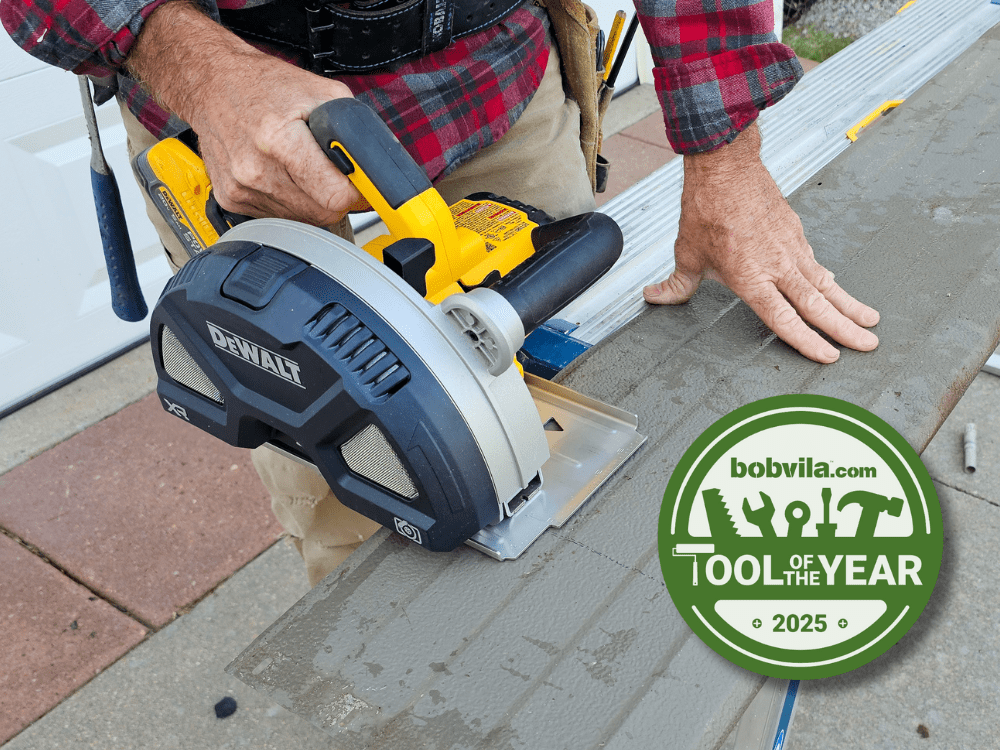
Every DIYer eventually meets a piece of metal that refuses to behave. Maybe it is a steel fence post, a length of angle iron, a rusty shelf bracket, aluminum trim, conduit, or that one mysterious metal bar in the garage that has been “useful someday” since 2009. For years, the usual answer was loud, spark-happy, arm-rattling punishment: grab an angle grinder, shower the driveway in sparks, and hope the cut comes out somewhere near the pencil line.
That is exactly why a dedicated metal-cutting circular saw feels like cheatingin the best possible way. It looks familiar, handles like a circular saw, and cuts metal with the kind of control most weekend builders only expect from wood tools. Instead of nibbling, grinding, or melting your way through steel, a good cold-cut circular saw uses a carbide-tipped blade designed to slice metal cleanly, quickly, and with far less drama.
Is it magic? No. Is it the closest thing to a garage-friendly lightsaber that still belongs in a responsible adult’s toolbox? Absolutely.
What Is a Metal-Cutting Circular Saw?
A metal-cutting circular saw is a power saw designed specifically for cutting steel, aluminum, conduit, sheet metal, threaded rod, pipe, angle iron, square tubing, and other metal stock. Unlike a standard wood circular saw with a framing blade, this tool is built around slower, controlled cutting speed, better chip management, and a blade made for metal.
The big difference is the blade. Metal-cutting circular saws typically use carbide-tipped or cermet-tipped blades with tooth geometry designed for ferrous or non-ferrous metals. Ferrous metals contain iron, such as mild steel. Non-ferrous metals include aluminum, brass, and copper. Using the wrong blade is like wearing flip-flops to shovel snow: technically possible, but nobody should be proud of it.
Many modern models also include features that make DIY metalworking much easier, such as a chip collector, electric brake, adjustable depth, bevel capacity, heavy-duty shoe, and clear line-of-sight design. Some corded models use powerful 15-amp motors, while cordless versions now offer enough muscle for serious cutting without chaining you to the nearest outlet.
Why It Feels Like a Game Changer for DIY Projects
1. It Cuts Metal Cleaner Than an Abrasive Wheel
The first time you use a proper metal-cutting circular saw, the most surprising thing is the cut quality. Instead of grinding through the material, the blade shears chips away. The result is often a cleaner edge with less burring, less discoloration, and less cleanup afterward.
That matters more than people think. A cleaner cut means pieces fit together better. Fence rails line up. Metal framing sits square. Shelf brackets do not look like they were gnawed by a robotic beaver. If you are building a workbench, repairing a gate, installing metal roofing, or trimming aluminum track, precision saves time twice: once during the cut and again during assembly.
2. It Produces Fewer Sparks Than Grinding
Abrasive cutting tools can throw a spectacular spark show. It is exciting for about four seconds, right before you remember there is sawdust in the corner, cardboard nearby, and your favorite hoodie has suddenly become “ventilated.”
Cold-cut metal circular saws are designed to cut with less heat buildup than abrasive methods. That usually means fewer sparks and a cooler workpiece. The metal can often be handled sooner after cutting, and the cut edge is less likely to be scorched or hardened by heat. You still need eye protection, hearing protection, gloves appropriate for sharp metal handling, and a clean workspace, but the overall process feels more controlled and less like hosting a fireworks demonstration in your garage.
3. It Saves Time on Repeated Cuts
DIY projects rarely need just one cut. They need twelve cuts, and somehow the last one is always the most visible. A metal-cutting circular saw shines when you need repeatable, straight cuts in stock material. Clamp a guide, mark your lines, set your depth, and the saw moves through metal with a level of speed that makes hacksaws look like a character-building exercise.
For projects like building a storage rack, trimming steel studs, cutting conduit, shortening metal balusters, or fabricating a small utility trailer accessory, the time savings can be huge. The tool does not just cut faster; it reduces the fiddly cleanup that normally follows rough metal cutting.
Metal-Cutting Circular Saw vs. Angle Grinder
The angle grinder is still useful. It is compact, versatile, and excellent for grinding, deburring, cutting awkward shapes, removing rust, and handling jobs where a circular saw simply cannot fit. But for straight cuts in metal stock, a dedicated metal-cutting circular saw is usually the more accurate and efficient option.
An angle grinder removes material by abrasion. It is great at brute force. A metal-cutting circular saw removes material with teeth designed for the job. It is great at clean, guided cuts. Think of it this way: the grinder is a raccoon with a caffeine problem; the metal-cutting circular saw is the raccoon after trade school.
If your project involves cutting long, straight sections of sheet metal, steel tubing, aluminum extrusion, or metal framing, the circular saw gives you more control. If the task involves tight corners, shaping, notching, or cleanup, the grinder still earns its spot on the bench.
Metal-Cutting Circular Saw vs. Chop Saw
A chop saw is excellent for cutting metal stock at repeated angles, especially in a shop setup. But it is not always convenient for long materials, installed pieces, or projects where the work cannot easily come to the saw.
A handheld metal-cutting circular saw brings the saw to the work. That makes it especially handy for DIYers who do not have a full fabrication shop. You can cut a piece of steel on sawhorses, trim a panel in place, or work outside where there is better ventilation and more room to manage long stock.
The tradeoff is that a chop saw may be easier for perfectly repeated 90-degree cuts when material is clamped in its base. A circular saw gives more portability and flexibility. For many homeowners, that portability is the reason the tool gets used instead of sitting under a tarp collecting garage archaeology.
Key Features That Make a Metal-Cutting Circular Saw Worth Buying
Motor Power and Speed Control
Metal needs a different cutting approach than wood. A saw designed for metal typically runs at a speed suited to metal blades and cutting loads. Corded 15-amp saws are popular for heavy-duty work because they deliver consistent power. Cordless models have improved dramatically, offering strong output, brushless motors, and portability that makes them attractive for jobsite-style DIY work.
More power is helpful, but control is just as important. A saw that bogs down, chatters, or forces you to push too hard can ruin cut quality and increase risk. The best experience comes from matching the saw, blade, and material instead of trying to make one tool behave like every tool.
Chip Collection
Wood saws make sawdust. Metal saws make chipssmall, sharp bits of metal that seem personally committed to hiding in shoe soles. A built-in chip collector is one of the most underrated features on a metal-cutting circular saw.
Chip collection improves visibility, reduces mess, and makes cleanup less miserable. It also helps keep hot chips from scattering across the work area. You will still need to sweep and inspect the space afterward, but a chip box can turn “metal confetti disaster” into “reasonable garage activity.”
Blade Guard and Electric Brake
Safety features matter. A solid blade guard helps protect the user during operation, while an electric brake can stop the blade faster after the trigger is released. That is useful when making repeated cuts or working around clamped stock.
No safety feature replaces good habits: clamp the work, keep both hands positioned correctly, let the blade reach full speed, do not force the cut, and wait for the blade to stop before setting the saw down. The saw may be a game changer, but it is not a mind reader.
Cut Depth and Bevel Capacity
Cut depth determines what material thickness the saw can handle. Many 7-1/4-inch and 8-inch metal-cutting circular saws can cut through common steel tubing, channel, pipe, or metal framing sizes used in DIY and light fabrication. Some models also offer bevel adjustment, allowing angled cuts for frames, brackets, and custom builds.
Before buying, check the maximum cut depth at 90 degrees and at 45 degrees. Also check the material type the blade is rated for. A saw may have enough depth for a cut, but the wrong blade can turn a simple job into an expensive lesson with sound effects.
Choosing the Right Blade: The Secret Sauce
The blade is not an accessory; it is half the tool. For steel, look for a blade labeled for ferrous metal. For aluminum, copper, and brass, choose a non-ferrous metal blade. For stainless steel, make sure the blade specifically supports it. Do not assume “metal” means “all metal.” Metal categories matter.
Tooth count also affects performance. More teeth generally produce a cleaner cut, while fewer teeth may cut faster in thicker material. Blade diameter, arbor size, maximum RPM, kerf, tooth design, and material rating must match the saw and the job. This is not the moment for “close enough.” A blade spinning thousands of times per minute deserves more respect than leftover pizza math.
Quality blades from reputable brands often use carbide, cermet, special coatings, or anti-vibration design to improve durability and cut quality. A cheap blade may work for a few cuts, but a proper blade can make the saw feel smoother, safer, and more accurate.
Best DIY Projects for a Metal-Cutting Circular Saw
Garage Storage and Workbench Builds
Metal angle, square tubing, and slotted steel are perfect materials for heavy-duty garage organization. A metal-cutting circular saw makes it easier to build custom shelves, tool stands, welding-cart frames, lumber racks, and workbench supports. Straight, repeatable cuts help everything bolt together cleanly.
Fence, Gate, and Railing Repairs
Outdoor metal repairs often involve awkward lengths and installed pieces. A handheld saw can trim steel posts, aluminum railing sections, or gate components without requiring a full shop setup. Add clamps and a straight guide, and suddenly that wobbly gate repair looks less like a weekend hostage situation.
Electrical Conduit and HVAC Projects
For cutting conduit, strut, light-gauge steel, and sheet metal, the tool can save time and deliver cleaner edges. That is especially useful when parts must fit into connectors, brackets, or tight framing cavities.
Metal Roofing and Panels
Metal roofing and wall panels require clean, controlled cuts to avoid ragged edges. A metal-cutting circular saw with the correct blade can help trim panels more accurately than improvised methods. Always support the panel fully to reduce vibration and protect the finish.
Safety Tips Before You Pull the Trigger
A metal-cutting circular saw is powerful, practical, and surprisingly satisfyingbut it still demands respect. Wear safety glasses or a face shield, use hearing protection, and avoid loose clothing. Clamp the work securely so the material cannot shift during the cut. Keep cords, batteries, and hands away from the cutting path.
Clear flammable materials from the area, even if the saw produces fewer sparks than an abrasive wheel. Metal chips can be hot and sharp. Let the blade do the work, and never twist the saw mid-cut. If the blade binds, release the trigger and wait for the blade to stop before repositioning.
Also remember that cut metal edges can be razor sharp. Deburr edges with a file, deburring tool, or grinder after cutting. The saw may make the cut clean, but fresh metal still has the manners of a cat near bathwater.
Common Mistakes to Avoid
Using a Wood Blade on Metal
This is the classic mistake, and it can be dangerous. Wood blades are not designed for metal cutting. They can overheat, lose teeth, bind, or create poor cuts. Always use a blade rated for the exact material.
Forcing the Cut
If the saw is not cutting well, pushing harder is rarely the answer. Check the blade, material support, saw speed, and cut line. A steady feed rate is better than wrestling the tool like it owes you money.
Skipping Clamps
Metal moves, vibrates, and grabs. Clamping is not optional. Secure the workpiece on a stable surface and support both sides of the cut when possible.
Ignoring Chips
Metal chips can scratch floors, damage finishes, and hide in shoes. Empty the chip collector often, sweep carefully, and use a magnet for ferrous chips when appropriate.
Is a Metal-Cutting Circular Saw Worth It for Homeowners?
For the occasional homeowner who cuts one bolt every five years, probably not. A hacksaw, reciprocating saw, or grinder may be enough. But for active DIYers, garage builders, remodelers, makers, farmers, fence repair warriors, and anyone who regularly works with metal stock, a metal-cutting circular saw can be a major upgrade.
It is especially worth considering if you value straight cuts, cleaner edges, faster workflow, and less post-cut grinding. It can also make metal projects feel less intimidating. Once cutting steel becomes manageable, your project list starts getting suspiciously ambitious. One minute you are trimming conduit; the next you are sketching a custom storage rack like you run a tiny engineering firm next to the lawn mower.
Real-World Experience: Why It Changes the Way You Plan DIY Work
The biggest experience-related lesson is simple: owning a metal-cutting circular saw changes what you are willing to build. Before using one, many DIYers design around wood because wood is familiar and easy to cut. Metal feels like a special occasionnoisy, messy, and slightly dramatic. But once you can cut steel tubing or angle iron accurately, metal becomes a normal building material instead of a last resort.
For example, imagine building a garage storage rack. With only a grinder, you might avoid steel and use 2×4 lumber because the cutting process feels easier. With a metal-cutting circular saw, steel angle suddenly becomes realistic. You can mark four equal legs, clamp them together, cut them cleanly, and bolt the frame into a square shape. The finished rack is slimmer, stronger, and less bulky than a lumber version. It also looks more intentional, which is DIY code for “my neighbors may now ask questions.”
Another practical experience is how much cleaner the workflow becomes. Instead of cutting, grinding, cooling, checking, re-cutting, and apologizing to your ears, you can move through measured cuts in sequence. The cut pieces are often ready for light deburring and assembly. That does not sound glamorous, but it is exactly what makes projects finishable. DIY success is not always about owning the fanciest tool; it is about removing the annoying steps that make you quit halfway through and “temporarily” store the project under a tarp for eleven months.
A metal-cutting circular saw also teaches better setup habits. You quickly learn that clamping, supporting the workpiece, and setting blade depth matter. These habits carry over into woodworking and general repair. The tool rewards patience and layout accuracy. Measure carefully, mark clearly, support the material, cut steadily, and the result looks professional enough that you may briefly consider wearing a tool belt indoors.
There is also a confidence factor. Cutting metal cleanly opens the door to better repairs. A bent gate bracket is no longer a disaster. A too-long pipe support is not a problem. A salvaged piece of steel can become part of a useful build. Instead of buying replacement parts for every small repair, you can modify material to fit the job. That saves money, reduces waste, and makes your workshop feel more capable.
The tool is not perfect. It is loud. Blades are not cheap. Metal chips are unpleasant little ankle goblins. You need the right blade for the material, and you must respect the saw every second it is running. But compared with the old routine of sparks, smoke, ragged cuts, and endless cleanup, a dedicated metal-cutting circular saw feels like a serious upgrade.
In the end, the game-changing part is not just that it cuts metal. Lots of tools cut metal. The game-changing part is that it makes metal cutting feel controlled, repeatable, and approachable for regular DIY work. It turns “I probably cannot build that” into “I can cut the parts this afternoon.” That shift is powerful. It is also dangerous for your weekend schedule, because once the tool proves itself, every metal object in the garage starts looking like raw material.
Conclusion
A metal-cutting circular saw is one of those tools that makes you wonder why you waited so long. It brings speed, accuracy, cleaner cuts, and better control to projects that used to require patience, sparks, and a suspicious amount of optimism. For DIYers who work with steel, aluminum, conduit, metal panels, or tubing, it can turn frustrating jobs into satisfying ones.
The key is choosing the right saw, matching it with the correct blade, and using safe cutting habits every time. Do that, and this tool earns its “game changer” label honestly. It will not make you a professional metal fabricator overnight, but it will make your DIY projects cleaner, faster, and a lot more fun. And really, any tool that helps you cut metal without making the garage look like a dragon sneezed deserves a little applause.