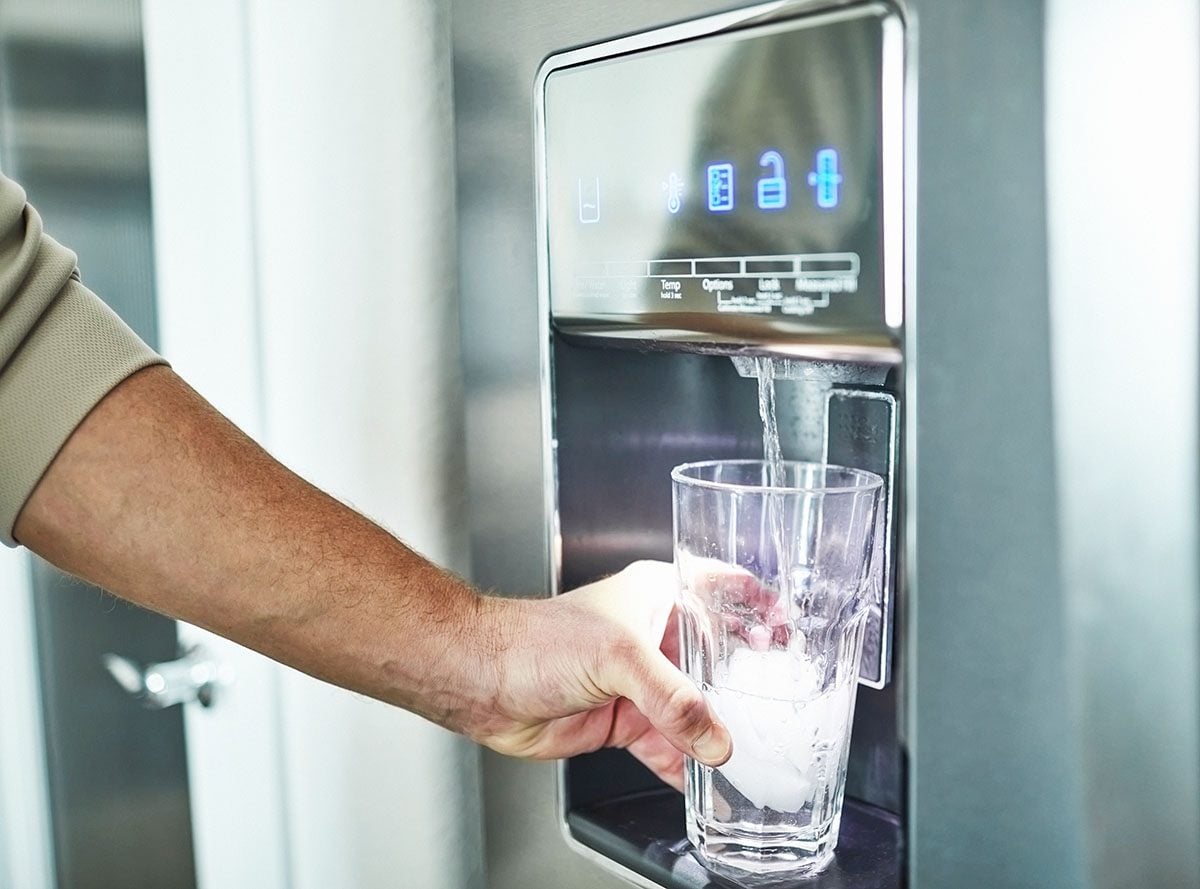
Your refrigerator is cold, the lights are on, the ice cream is safe, and yet the water dispenser is giving you absolutely nothing. Not a drip. Not a sad little cough. Just the quiet judgment of an appliance that used to be helpful.
If you are asking, “Why is my fridge water dispenser not working?” the good news is that the problem is usually not mysterious. Most refrigerator water dispenser problems come down to water flow, filter trouble, a frozen line, a locked control panel, low water pressure, or one small part deciding it has retired early. The even better news is that many fixes are simple enough to check before calling a repair technician.
This guide walks through the most common reasons a fridge water dispenser stops working, how to troubleshoot them safely, and when it is time to bring in professional help. Grab a towel, a cup, and maybe a tiny bit of patience. We are about to make your refrigerator act civilized again.
How a Refrigerator Water Dispenser Works
A refrigerator water dispenser is not magic, although it does feel fancy when it behaves. In most modern fridges, water travels from your home’s plumbing through a shutoff valve, into a supply line, through the refrigerator’s water inlet valve, through a filter, and finally to the dispenser nozzle. Some models also route water through an internal reservoir so the water can chill before it reaches your glass.
When you press the dispenser paddle or button, a small switch signals the refrigerator to open the water inlet valve. If the control board, switch, valve, filter, water line, or pressure is not cooperating, the dispenser may stop completely or slow down to a depressing trickle.
The trick is to troubleshoot in the right order. Start with the simple, no-tool checks first. Nobody wants to replace a water inlet valve only to discover the child lock was on. That is not a repair; that is an appliance-themed comedy sketch.
1. The Dispenser Control Lock Is Turned On
Before you move the fridge, remove the filter, or accuse the appliance of betrayal, check the control lock. Many refrigerators have a lock feature that disables the water and ice dispenser. It is designed to prevent accidental dispensing, child button-mashing, and surprise puddles from pets with too much curiosity.
Signs this is the problem
The display may show a lock icon, “Control Lock,” “Dispenser Lock,” or a similar message. On some models, the buttons will beep but nothing happens. On others, the dispenser paddle simply refuses to respond.
What to do
Look for a lock button on the control panel. Many refrigerators unlock when you press and hold the lock button for about three seconds, though the exact method varies by brand and model. If your fridge has a digital screen, check the user manual for the correct control sequence.
This is the best-case scenario: no tools, no parts, no crawling behind the refrigerator like you are entering a very dusty cave.
2. The Water Filter Is Clogged or Installed Incorrectly
A clogged refrigerator water filter is one of the most common reasons a fridge water dispenser stops working or dispenses slowly. Over time, filters collect sediment, minerals, chlorine byproducts, and other particles. That is their job. Unfortunately, after months of heroic filtering, they can become so clogged that water flow drops dramatically.
Most refrigerator manufacturers recommend replacing the water filter about every six months, although homes with hard water, well water, heavy usage, or lots of sediment may need more frequent changes.
Signs your filter may be the culprit
- The water flow has slowly weakened over time.
- The dispenser worked better before you replaced the filter.
- The water tastes odd, smells stale, or looks cloudy.
- The filter indicator light is on.
- The ice maker is also slow or making small cubes.
What to do
Remove the water filter and reinstall it carefully. Make sure it is aligned, fully seated, and locked into place. A misaligned filter can block water flow even if the filter is brand new. If your refrigerator uses a bypass plug, install it temporarily and test the dispenser. If water flows normally with the bypass plug, the filter is likely clogged, defective, or not compatible with your fridge.
Use the correct replacement filter for your model. Generic filters may work in some refrigerators, but a poor fit can cause leaks, weak flow, or no dispensing at all. The fridge is picky, and apparently it has standards.
3. Air Is Trapped in the Water Line
If you recently installed a new refrigerator, replaced the water filter, or turned the water supply off and back on, air may be trapped in the line. Air pockets can cause sputtering, uneven flow, or no water at first.
Signs of air in the line
- The dispenser spits, sputters, or makes a chugging sound.
- Water comes out in bursts instead of a steady stream.
- The problem started right after changing the filter.
- The first few glasses look cloudy but clear up after sitting.
What to do
Press and hold the dispenser paddle with a large container under the nozzle. Run water through the system for several minutes, pausing if your model requires it. Many manufacturers recommend flushing several cups or even a few gallons after installing a new filter. This removes trapped air, loose carbon particles, and any stale water from the internal lines.
If the dispenser begins to work after flushing, congratulations. Your fridge was not broken; it was just burping.
4. The Water Supply Valve Is Closed or Partially Closed
Your refrigerator needs a steady water supply from your home’s plumbing. If the shutoff valve is closed, partially closed, clogged, or damaged, the dispenser will not have enough water to do its job.
Where to check
The shutoff valve is usually behind the refrigerator, under the kitchen sink, in a basement, or near a cold-water pipe. It may be a small lever valve or a saddle valve. Saddle valves are common in older installations, but they can clog more easily and may restrict water flow.
What to do
Make sure the valve is fully open. If it is only halfway open, the dispenser may work slowly or inconsistently. If the valve is old, corroded, or hard to turn, do not force it aggressively. A plumber can replace a questionable valve with a more reliable shutoff valve.
If your fridge was recently moved or replaced, this check is especially important. Sometimes the water valve gets turned off during installation and nobody remembers to turn it back on. Appliances do not forgive these tiny oversights.
5. The Water Supply Line Is Kinked, Pinched, or Blocked
A kinked refrigerator water line is another classic reason your fridge water dispenser is not working. The supply line usually runs from the wall or floor to the back of the refrigerator. When the fridge is pushed too far back, the line can bend sharply, flatten, or get trapped against the wall.
Signs of a kinked water line
- The dispenser stopped working after the fridge was moved.
- Water flow is weak but not completely gone.
- You hear buzzing or chattering when trying to dispense water.
- The ice maker is also producing slowly.
What to do
Carefully pull the refrigerator away from the wall. Check the supply line for sharp bends, flattened spots, cracks, or leaks. Straighten the line gently and make sure there is enough room behind the fridge so it does not pinch again when you push the appliance back.
If the tubing is damaged, replace it. Braided stainless steel supply lines are often more durable than thin plastic lines, but always choose a line compatible with your refrigerator and local plumbing requirements.
6. Your Home Has Low Water Pressure
Refrigerator water dispensers need adequate water pressure. If the pressure is too low, the dispenser may run slowly, the ice maker may produce small cubes, or the inlet valve may fail to open properly. Many refrigerator systems require at least about 20 psi of water pressure, while some models work within a broader range such as 20 to 120 psi.
Possible causes of low pressure
- A partially closed shutoff valve
- A clogged filter
- A kinked supply line
- A clogged saddle valve
- Whole-house pressure issues
- Reverse osmosis systems that reduce pressure
What to do
First, remove the easy restrictions: check the filter, supply valve, and water line. If those are fine, test water pressure from the supply line feeding the fridge. Turn off the water, disconnect the line carefully, place it in a bucket, and briefly turn the water back on. If flow is weak from the supply line itself, the problem is likely in your plumbing rather than the refrigerator.
If you are not comfortable disconnecting water lines, call a plumber or appliance technician. Water is wonderful in a glass and much less charming under the flooring.
7. The Water Line Inside the Refrigerator Is Frozen
A frozen refrigerator water line can block the dispenser completely. This may happen if the refrigerator compartment is set too cold, airflow is poor, the door seal leaks, or the water line runs through a section that gets too cold.
Signs of a frozen dispenser line
- The ice maker still works, but the water dispenser does not.
- The dispenser was working yesterday and suddenly stopped.
- The refrigerator section feels colder than usual.
- Food near the back of the fridge is freezing.
- The problem comes and goes.
What to do
Check the refrigerator temperature. A typical refrigerator setting is around 37°F, while the freezer is usually around 0°F. If the fridge is set too cold, raise the temperature slightly and give it time to stabilize.
You can also inspect the dispenser tube near the door area. Some homeowners thaw a frozen dispenser line by turning the refrigerator off for a short period, keeping the doors closed as much as possible, and protecting the floor with towels. Avoid using open flames, sharp tools, or excessive heat. A hair dryer can damage plastic parts if used carelessly, so follow your manufacturer’s guidance before applying heat near any dispenser components.
If the line freezes repeatedly, there may be a deeper issue such as poor insulation, a faulty damper, a temperature control problem, or a door gasket leak.
8. The Door Switch Is Not Working
Most refrigerators stop dispensing water when the door is open. A small door switch tells the refrigerator whether the door is closed. If the switch fails or gets stuck, the fridge may think the door is open even when it is closed, disabling the dispenser.
Signs of a bad door switch
- The interior light stays on when the door is closed.
- The dispenser does not respond even though the panel is unlocked.
- The switch feels loose, sticky, or damaged.
- Other door-related features act strangely.
What to do
Press the door switch by hand and watch whether the interior light turns off. If the light stays on or flickers, the switch may need cleaning, adjustment, or replacement. Replacing a door switch is usually a modest repair, but the exact process depends on your refrigerator model.
9. The Dispenser Paddle or Micro Switch Has Failed
When you press the dispenser paddle, it activates a small switch behind the control panel. If that switch fails, the refrigerator may not receive the signal to dispense water. In other words, you are asking politely, but the fridge is wearing noise-canceling headphones.
Signs of a dispenser switch issue
- You do not hear a click when pressing the paddle.
- The paddle feels loose, stuck, or different than usual.
- Ice dispensing may work but water does not, or vice versa.
- The dispenser light or display works, but no water comes out.
What to do
Check whether the paddle moves freely and returns to its normal position. If the paddle is physically broken, the dispenser assembly may need service. Testing the internal switch requires access to electrical components, so unplug the refrigerator before inspection and call a professional if you are not experienced with appliance repair.
10. The Water Inlet Valve Is Defective
The water inlet valve controls the flow of water into the refrigerator. If the valve is clogged, burned out, stuck closed, or not receiving power, the dispenser may stop working. A faulty inlet valve can also affect the ice maker.
Signs of a faulty inlet valve
- You hear a hum or buzz, but no water comes out.
- The filter and supply line are fine, but water still will not dispense.
- The ice maker is also not filling properly.
- Water pressure to the fridge is good, but the refrigerator does not deliver water.
What to do
Before checking the valve, unplug the refrigerator and shut off the water supply. The inlet valve is often located at the lower rear of the appliance where the water line connects. A technician can test the valve with a multimeter and inspect it for clogs or mechanical failure.
If the valve has failed, replacement is usually the solution. This is a common appliance repair, but it involves water and electricity, which are not two things you want improvising together.
11. The Refrigerator Control Board Has a Problem
Control board failure is less common than filter clogs, frozen lines, or water pressure issues, but it can happen. The control board acts like the refrigerator’s brain. If it fails to send power to the water valve or dispenser switch, the dispenser may stop working even when the plumbing side is fine.
Signs the control board may be involved
- The dispenser display behaves erratically.
- Multiple buttons or features stop working at once.
- The dispenser works intermittently for no clear reason.
- Basic water-flow checks do not reveal the problem.
What to do
Do not jump straight to replacing the control board. It is usually more expensive than a filter, valve, switch, or supply line repair. Rule out the common causes first. If everything else checks out, an appliance technician can test the electronics and confirm whether the board is actually bad.
Quick Troubleshooting Checklist
If your fridge water dispenser is not working, follow this order:
- Make sure the control lock is off.
- Confirm the dispenser is set to water, not ice or another mode.
- Check that the refrigerator door is fully closed.
- Inspect and reinstall the water filter.
- Replace an old or clogged filter.
- Flush air from the water line after filter changes.
- Make sure the home water supply valve is fully open.
- Check the supply line for kinks or damage.
- Verify adequate water pressure.
- Look for signs of a frozen internal line.
- Test whether the door switch is working.
- Consider the dispenser switch, inlet valve, or control board if simple fixes fail.
When to Call a Professional
Call an appliance repair technician if you have confirmed that the filter, lock, supply valve, and water line are not the problem but the dispenser still does not work. You should also call a professional if you see water leaking behind the refrigerator, smell burning, hear loud electrical buzzing, or need to test internal electrical components.
A plumber may be the better call if the problem is weak water flow from the household supply line, an old saddle valve, corroded plumbing, or a shutoff valve that will not open properly.
How to Prevent Future Water Dispenser Problems
A little maintenance goes a long way. Replace the refrigerator water filter on schedule, usually about every six months. Flush the system after every filter change. Avoid pushing the refrigerator tightly against the wall, because that can pinch the water line. Keep the refrigerator temperature in the recommended range so internal lines do not freeze.
Clean the dispenser nozzle regularly with a soft brush or cloth. Wipe away mineral buildup, splashes, and anything that looks like it belongs in a science fair. If your water has a lot of sediment, consider a whole-house sediment filter or ask a plumber whether your refrigerator supply setup can be improved.
Real-Life Experiences: What This Problem Looks Like in a Normal Kitchen
Many fridge water dispenser problems start with a small change that seems unrelated. Someone replaces the filter, moves the refrigerator to clean behind it, loads the fridge too tightly before a party, or turns the temperature down because the milk felt slightly warm. Then, a day later, the dispenser gives up like it has been asked to perform opera.
One common experience is the “new filter panic.” A homeowner installs a fresh water filter, feels very responsible for approximately four minutes, then presses the dispenser and gets nothing but sputtering. The immediate thought is, “Great, I broke the fridge while trying to maintain it.” In many cases, the filter simply is not seated correctly, or air is trapped in the line. Removing the filter, reinstalling it firmly, and flushing water through the dispenser often solves the problem. The lesson is simple: after a filter change, give the system time to clear its throat.
Another classic situation happens after cleaning day. The refrigerator gets pulled out, the floor gets mopped, lost cereal pieces from 2021 are discovered, and everyone feels productive. Then the fridge gets pushed back too far, pinching the water line. The dispenser slows to a trickle or stops completely. Because the refrigerator still cools normally, people assume the problem must be complicated. But sometimes the entire repair is gently pulling the fridge forward and straightening the line. It is not glamorous, but neither is paying for a service call to learn your fridge needed two more inches of personal space.
Frozen water lines create their own brand of confusion. The fridge still looks healthy. The lights work. The freezer is cold. The ice maker may even continue making ice. But the water dispenser stops. This often happens when the refrigerator section is set too cold or cold air is hitting the dispenser line. Homeowners may notice lettuce turning glassy, yogurt freezing near the back wall, or drinks becoming suspiciously slushy. Raising the temperature slightly and allowing the line to thaw may restore flow. If the line freezes again, that is a sign that temperature control, airflow, or insulation needs closer attention.
Low water pressure can be even sneakier. The dispenser may work in the morning, slow down later, and produce ice cubes that look small or hollow. Sometimes the culprit is a clogged filter. Other times it is a partially closed shutoff valve or an old saddle valve that barely lets water through. The fridge gets blamed, but the real problem is upstream. This is why testing water flow before it enters the refrigerator can save a lot of guessing.
The most frustrating experience is when every simple fix fails. The lock is off. The filter is new. The line is straight. Water pressure is fine. At that point, the issue may be a door switch, dispenser switch, inlet valve, or control board. This is where patience becomes cheaper than random part replacement. A good technician can test the components instead of replacing them one by one like an expensive guessing game.
The biggest takeaway from real kitchens is this: a broken fridge water dispenser usually has a practical cause. Start simple, move step by step, and do not let the refrigerator intimidate you. It is a big cold box with plumbing, not a dragon. Most of the time, it just needs a new filter, better water flow, a thawed line, or a reminder that the control lock is not a lifestyle.
Conclusion
When your fridge water dispenser is not working, the problem is usually related to water flow, filtration, pressure, freezing, or a small electrical part. Start with the easy checks: control lock, filter installation, water supply valve, and kinked lines. Then move on to air in the line, frozen tubing, door switches, dispenser switches, and the water inlet valve.
Most homeowners can handle the first round of troubleshooting safely. However, if the repair involves electrical testing, valve replacement, leaking plumbing, or control board diagnosis, it is smart to call a qualified professional. The goal is cold, clean water in your glass, not a kitchen floor that suddenly becomes an indoor splash pad.
Note: This article is original, written in standard American English, and based on synthesized guidance from reputable refrigerator manufacturers, appliance repair resources, and home maintenance references.