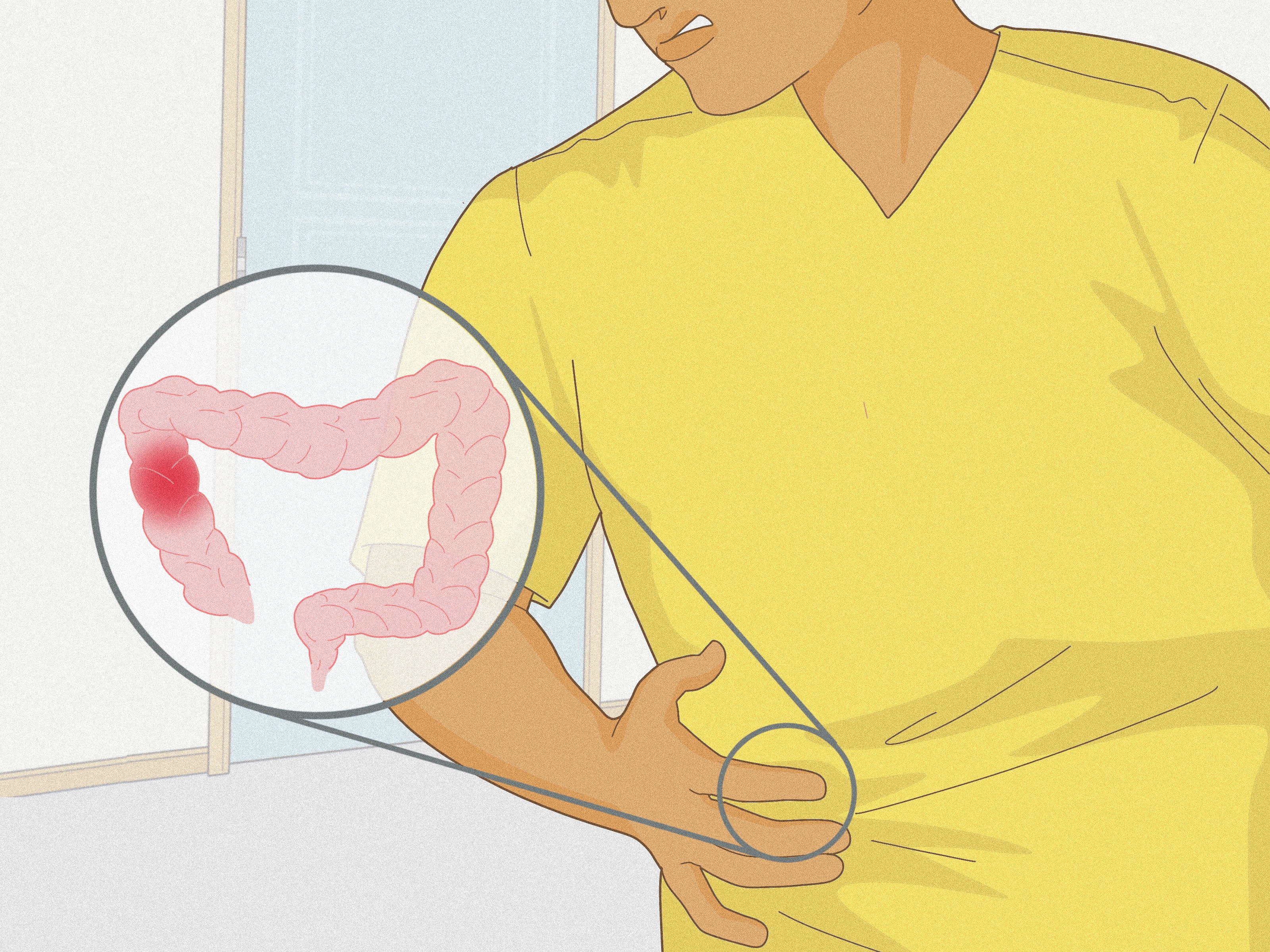
Eosinophilic esophagitis, usually shortened to EoE, can make an ordinary meal feel suspiciously like an obstacle course. Food may move slowly, seem to stick behind the breastbone, or occasionally refuse to go down at all. In children, however, the warning signs may look less like a swallowing disorder and more like picky eating, vomiting, stomachaches, or poor growth.
EoE is a chronic, immune-mediated condition in which white blood cells called eosinophils accumulate in the lining of the esophagus. The resulting inflammation can interfere with swallowing and, over time, contribute to stiffness, scarring, rings, or narrowing of the esophagus. Symptoms vary considerably by age, disease duration, and the coping habits a person has quietly developed.
This guide explains the most common eosinophilic esophagitis symptoms, the subtle behaviors that can hide them, and the warning signs that deserve prompt medical attention.
Eosinophilic esophagitis symptoms at a glance
The most common symptoms of EoE include:
- Difficulty swallowing, especially solid foods
- A sensation that food is moving slowly or sticking
- Food becoming completely lodged in the esophagus
- Chest pain or pressure
- Heartburn or reflux-like discomfort
- Regurgitation of undigested food
- Vomiting or nausea
- Upper abdominal pain
- Feeding refusal or extreme selectivity in children
- Poor appetite, inadequate weight gain, or delayed growth
Adults and teenagers most commonly report trouble swallowing solid foods and episodes of food impaction. Infants and younger children are more likely to show feeding problems, vomiting, reflux-like symptoms, abdominal pain, or poor growth.
What are the symptoms of EoE in adults?
Difficulty swallowing solid food
Dysphagia, the medical term for difficulty swallowing, is the signature symptom of eosinophilic esophagitis in adults. The problem is usually most noticeable with solid, dry, or dense foods. Bread, meat, rice, raw vegetables, and dry chicken are frequent troublemakersnot because those foods necessarily trigger the inflammation, but because their texture makes narrowing or poor flexibility easier to notice.
A person may feel that food pauses behind the breastbone or requires repeated swallows to move downward. Some describe a tight, squeezing, or “slow drain” sensation in the chest. Liquids often go down normally, particularly during the earlier stages of the condition.
Food getting stuck in the esophagus
A food impaction occurs when swallowed food becomes firmly lodged in the esophagus. The person may be unable to swallow additional food, water, or even saliva. There may be intense pressure, pain, gagging, drooling, or repeated attempts to regurgitate the blockage.
Food impaction is more than an inconvenient dinner interruption. It may require emergency endoscopy to remove the trapped food. Anyone who cannot swallow saliva, has breathing difficulty, or believes food is completely stuck should seek emergency care rather than trying to force it downward with more food or large amounts of liquid.
Chest pain or pressure
EoE can cause pain in the center of the chest, sometimes during or shortly after eating. It may feel like burning, pressure, aching, or tightness. Because chest pain has many possible causesincluding heart-related emergenciesnew, severe, or unexplained chest pain should never be casually blamed on the esophagus.
EoE-related chest discomfort may not respond well to ordinary antacids. Even so, symptom response alone cannot reliably distinguish eosinophilic esophagitis from acid reflux, muscle disorders, or other esophageal conditions.
Heartburn and reflux-like symptoms
Some adults experience burning behind the breastbone, sour-tasting regurgitation, belching, or discomfort that resembles gastroesophageal reflux disease, commonly called GERD. Persistent symptoms despite appropriate reflux treatment may prompt a clinician to consider EoE, although a lack of improvement does not prove the diagnosis.
EoE and GERD can overlap, and proton pump inhibitors may help some people with EoE. In other words, the relationship is more complicated than “antacids failed, therefore it must be EoE.” The esophagus rarely respects tidy diagnostic shortcuts.
Regurgitation and upper abdominal pain
Undigested food may travel back into the mouth after swallowing, particularly when food has moved slowly through the esophagus. Adults can also experience nausea or discomfort in the upper abdomen, although these symptoms are less specific than dysphagia or food impaction.
What are the symptoms of eosinophilic esophagitis in children?
EoE symptoms change as children grow. A baby cannot explain that a spoonful of food feels stuck, so the disease may first appear as feeding distress. Older children gradually develop symptoms that more closely resemble the adult pattern.
Symptoms in infants and toddlers
Possible symptoms in babies and toddlers include:
- Refusing bottles, breast milk, or solid foods
- Crying, arching, or becoming distressed during meals
- Frequent vomiting or spitting up
- Reflux-like symptoms that continue despite treatment
- Eating only very small amounts
- Difficulty advancing to age-appropriate food textures
- Poor weight gain or slowed growth
Feeding difficulties are common in young children and have many possible causes. The pattern becomes more concerning when problems persist, interfere with nutrition, or occur alongside allergic conditions such as eczema, asthma, food allergies, or allergic rhinitis.
Symptoms in school-age children
School-age children may report recurring stomach pain, nausea, vomiting, heartburn, or reduced appetite. They may also begin to notice that swallowing solid foods is uncomfortable or unusually slow.
Watch for behaviors such as taking tiny bites, chewing for a very long time, drinking after nearly every bite, avoiding meat or bread, or consistently being the last person at the table. A child may say food is “too dry,” “too hard,” or “won’t go down” without using the word dysphagia.
Symptoms in teenagers
Teenagers often develop the more recognizable EoE symptoms seen in adults, including solid-food dysphagia, chest discomfort, and food impaction. They may hide the problem because eating slowly or avoiding certain foods has become normal to them.
Some teenagers quietly stop eating in social situations, skip cafeteria meals, or choose only soups, yogurt, pasta with sauce, and other foods that feel safer. What appears to be ordinary food preference may actually be a practical strategy for avoiding pain or embarrassment.
Subtle signs that EoE symptoms are being masked
People with eosinophilic esophagitis frequently adapt before recognizing that anything is wrong. These adjustments can reduce symptoms enough to delay diagnosis, even while inflammation remains active.
Clinicians may ask about behaviors sometimes summarized by the acronym IMPACT:
- I Imbibe fluids: Drinking frequently to wash food down
- M Modify food: Cutting, mashing, lubricating, or blending meals
- P Prolong meal times: Taking far longer than others to finish
- A Avoid hard textures: Skipping bread, meat, raw produce, or pills
- C Chew excessively: Chewing every bite until nearly liquid
- T Turn away tablets: Avoiding pills because they seem to stick
Other clues include eating unusually small bites, sitting very upright during meals, avoiding restaurants, leaving food unfinished, or claiming not to be hungry when difficult textures are served. These behaviors may look harmless individually. Together, they can reveal that someone is carefully managing a swallowing problem.
Can eosinophilic esophagitis feel like acid reflux?
Yes. Heartburn, chest discomfort, regurgitation, vomiting, and upper abdominal pain can occur with both EoE and GERD. The overlap is one reason eosinophilic esophagitis may remain undiagnosed for years.
Solid-food dysphagia and food impaction raise particular concern for EoE, especially in someone who also has asthma, eczema, seasonal allergies, or food allergies. However, those features are clues rather than proof. Reflux disease, esophageal narrowing, swallowing muscle disorders, medication injury, and other conditions can produce similar complaints.
Symptoms alone cannot confirm eosinophilic esophagitis. Current diagnostic guidance combines evidence of esophageal dysfunction with tissue samples showing elevated eosinophils while clinicians evaluate for other causes of esophageal eosinophilia.
Why do EoE symptoms become worse over time?
Ongoing inflammation can gradually alter the structure of the esophagus. The tissue may become less flexible, and scar tissue can produce rings, narrowing, or a fixed stricture. This process helps explain why younger children often have inflammatory symptoms such as vomiting or feeding intolerance, while adults more commonly develop mechanical problems such as dysphagia and food impaction.
Symptoms do not always match the amount of inflammation. Someone who has learned to avoid difficult foods may report feeling better even though the disease remains active. Conversely, symptoms may persist after inflammation improves if narrowing or learned feeding difficulties remain. Medical follow-up therefore involves more than simply asking, “Do you feel okay now?”
How is eosinophilic esophagitis diagnosed?
A clinician begins by reviewing swallowing symptoms, feeding patterns, previous impactions, allergic conditions, medications, family history, and response to earlier treatments. The key diagnostic procedure is an upper endoscopy with esophageal biopsies.
During endoscopy, a gastroenterologist examines the esophagus for findings such as swelling, rings, vertical furrows, white spots, narrowing, or fragile tissue. However, an esophagus affected by EoE can sometimes look relatively normal. That is why multiple tissue samples are necessary rather than relying on appearance alone.
Under current American College of Gastroenterology guidance, diagnosis requires symptoms of esophageal dysfunction, at least 15 eosinophils per high-power field in esophageal biopsy tissue, and evaluation for other conditions that may cause esophageal eosinophilia. A home symptom checklist, blood eosinophil count, or allergy test cannot independently diagnose EoE.
When should you contact a doctor?
Arrange a medical evaluation when swallowing problems recur, food frequently feels slow or stuck, meals require excessive drinking, or reflux-like symptoms continue despite appropriate care. Children should be evaluated when feeding problems, vomiting, food refusal, limited textures, poor appetite, weight loss, or slow growth become persistent.
Seek urgent or emergency help when:
- Food is completely stuck and will not move up or down
- The person cannot swallow water or saliva
- There is drooling, choking, or difficulty breathing
- Chest pain is severe, new, or unexplained
- Vomiting contains blood or material resembling coffee grounds
- There are signs of serious dehydration or malnutrition
Do not attempt to push an impaction down with another bite of food. Carbonated drinks and other home tricks are not substitutes for emergency assessment when swallowing is completely blocked.
What living with eosinophilic esophagitis symptoms can feel like
The following examples are composite experiences based on commonly reported symptom patterns. They are not individual patient testimonials, but they illustrate why EoE can be easy to overlook.
The adult who thought everyone needed water with dinner
Imagine an adult who has carried a large drink to every meal for years. A bite of chicken is followed by several swallows of water. Bread is dipped in soup, steak is cut into pieces small enough to qualify as confetti, and restaurant meals take twice as long as everyone else’s. None of this feels medical. It is simply “how I eat.”
Then one evening, a piece of meat stops behind the breastbone. Swallowing water makes the pressure worse. Saliva begins collecting because it cannot pass the blockage. An emergency endoscopy removes the food, and the person finally learns that years of creative meal engineering were signs of chronic dysphagia. The diagnosis feels sudden, but the symptoms were quietly present all along.
The child labeled a picky eater
Now picture a seven-year-old who eats yogurt, noodles, applesauce, and crackers softened in milk but refuses meat, crusty bread, and raw carrots. Meals stretch past everyone else’s patience. The child complains of stomachaches, takes microscopic bites, and asks for a drink after each mouthful.
Adults may initially assume stubbornness, anxiety, or a strong preference for beige cuisine. Yet the child may be avoiding foods that hurt or feel difficult to swallow. Children do not always have the vocabulary to explain pressure in the chest. “I don’t like it” may be easier to say than “this texture feels as if it gets stuck halfway down.”
Over time, growth may slow because eating requires too much effort. Family meals become negotiations, everyone becomes frustrated, and the original physical symptom gets buried beneath behavior. Recognizing the pattern allows the conversation to change from “Why won’t you eat?” to “What does eating feel like?”
The teenager who avoids eating in public
A teenager may manage EoE by choosing soft foods, chewing excessively, and avoiding meals around friends. They might say they ate earlier, are not hungry, or dislike the menu. The real concern may be that food could stick in front of classmates.
This social side of EoE can be significant. Birthday parties, school trips, dates, and team dinners all revolve around food. When eating feels unpredictable, avoidance can offer temporary control. Unfortunately, it can also increase isolation and make nutritional problems harder for parents or clinicians to see.
The person treated repeatedly for reflux
Another common experience involves years of heartburn treatment. Medication may help the burning but not the sense that solid food moves slowly. Because “reflux” sounds familiar, both patient and clinician may initially stay on that path. The diagnostic picture changes when someone asks specifically about impactions, food avoidance, meal duration, and the need to chase every bite with liquid.
This does not mean every case of stubborn heartburn is EoE. It means that swallowing symptoms deserve their own conversation rather than being tucked into the broad folder labeled indigestion.
Relief, frustration, and learning a new normal
Receiving an EoE diagnosis can bring mixed emotions. There may be relief that symptoms have a name, frustration about delayed recognition, concern about endoscopies, and anxiety over possible food triggers. Families may also discover that symptom improvement does not always reveal whether inflammation has fully healed.
Management becomes easier when symptoms are tracked in practical terms: how long meals take, which textures are avoided, whether water is needed with each bite, whether pills stick, and whether there have been near-impactions. Those observations often communicate more than a simple one-to-ten pain score.
The most important experience-related lesson is that adaptation can disguise disease. A person may appear to eat normally only because they have become impressively skilled at avoiding anything difficult. When food repeatedly sticks, meals cause fear, or a child struggles to eat and grow, the esophagus deserves attentionnot another lecture about finishing dinner.
Conclusion
The symptoms of eosinophilic esophagitis depend heavily on age. Adults and teenagers commonly experience difficulty swallowing solid foods, chest discomfort, and food impaction. Infants and children may instead have feeding refusal, vomiting, abdominal pain, reflux-like symptoms, poor appetite, or slow growth.
Subtle habitsincluding excessive chewing, tiny bites, prolonged meals, frequent drinking, and avoidance of dense foodscan hide the problem for years. Because EoE can resemble reflux and other digestive disorders, symptoms must be evaluated with a detailed history, upper endoscopy, and esophageal biopsies. Early recognition and appropriate care can reduce eating difficulties and help prevent progressive narrowing of the esophagus.