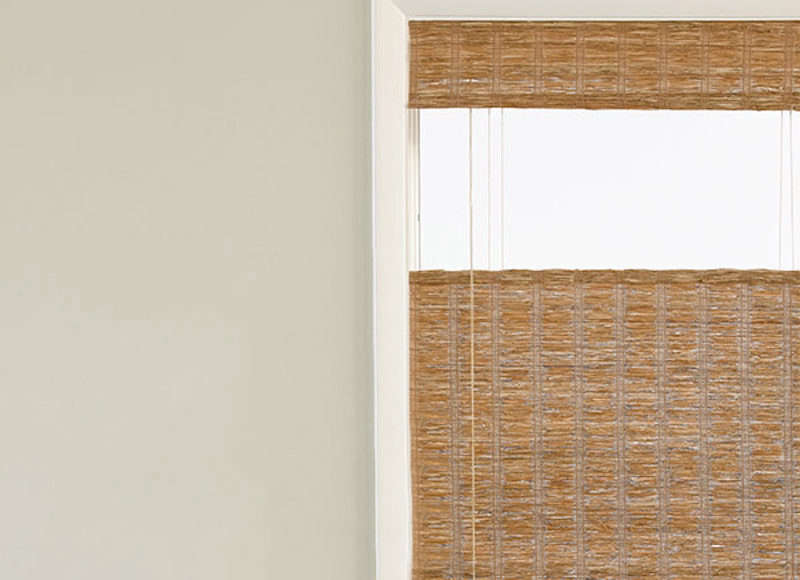
Waterfall woven wood shades are what happens when a practical window covering decides to take a spa weekend and come back looking relaxed, natural, and quietly expensive. They filter sunlight, add texture, soften hard architectural lines, and bring a little “vacation home near the coast” energy into everyday roomseven if the nearest beach is your laundry basket.
At their core, waterfall woven wood shades are natural window shades made from materials such as bamboo, reeds, grasses, jute, rattan, and wood fibers. The “waterfall” part refers to the way the shade fabric falls forward over the top of the headrail, creating a clean, continuous cascade without the boxy look of a traditional front valance. The result is casual but tailored, organic but polished, and versatile enough for modern, coastal, farmhouse, bohemian, transitional, and even minimalist interiors.
If you have ever looked at plain white blinds and thought, “Well, they do technically exist,” waterfall woven wood shades may be the upgrade your windows have been quietly begging for.
What Are Waterfall Woven Wood Shades?
Waterfall woven wood shades are a style of Roman-style natural shade. Instead of folding behind a separate valance or exposing a decorative topper, the woven material rolls or folds from the front, falling smoothly over the headrail. This creates a seamless look from top to bottom. When lowered, the shade appears like a natural woven panel. When raised, it forms soft stacked folds that look relaxed rather than stiff.
The beauty of this style is its simplicity. A standard woven wood shade may include a separate valance to hide the headrail. A waterfall style lets the same woven material do the hiding. No extra fuss, no heavy topper, no “grandma’s formal dining room in 1994” drama. Just texture, shadow, and warmth.
Why Waterfall Woven Wood Shades Are Popular
Homeowners and designers love waterfall woven wood shades because they solve several design problems at once. First, they add depth to rooms that feel flat. A painted wall, smooth sofa, glass table, and plain trim can look clean but sometimes a little sterile. Woven wood shades introduce natural variation: thin reeds, thicker bamboo slats, twisted fibers, knots, color shifts, and tiny irregularities that make a room feel lived-in instead of showroom-staged.
Second, they manage light beautifully. Unlined woven wood shades allow sunlight to pass through the weave, creating a soft glow instead of harsh glare. The room feels brighter, but not blasted. It is the difference between “morning light” and “interrogation lamp.”
Third, waterfall woven wood shades pair well with other window treatments. You can use them alone for a casual, clean appearance or layer them with drapery panels for extra softness, insulation, privacy, and drama. In living rooms, dining rooms, bedrooms, and home offices, that layered look can make the window feel intentionally designed rather than simply covered.
Common Materials Used in Woven Wood Shades
The term “woven wood” is broad. These shades are often made from a mix of natural and renewable fibers, including bamboo, jute, reeds, grasses, rattan, sisal, and thin wood strips. Each material changes the final look and performance.
Bamboo
Bamboo is one of the most familiar materials in natural shades. It is lightweight, strong, and visually warm. Bamboo weaves may appear fine and tight or more open and textured. A lighter bamboo shade can make a room feel airy, while darker bamboo creates contrast and a richer mood.
Jute and Grasses
Jute and grasses often produce a softer, fabric-like appearance. They are excellent for rooms where you want texture without a heavy, slatted look. These materials work beautifully in coastal bedrooms, relaxed living rooms, and spaces with linen, cotton, stone, and warm wood furniture.
Reeds and Rattan
Reeds and rattan usually create a more pronounced woven pattern. They can look rustic, tropical, or artisanal depending on the color and weave. If your room needs a strong design feature, these materials can bring personality without relying on loud color or busy prints.
Waterfall Style vs. Standard Woven Wood Shades
The biggest difference between waterfall woven wood shades and standard woven wood shades is the top treatment. Standard styles usually come with a valance or have the material falling behind the headrail. Waterfall shades allow the material to fall forward, hiding the hardware in a smoother, more modern way.
Choose waterfall woven wood shades if you want a cleaner, designer-like finish. They are especially attractive on inside mounts where the shade sits neatly within the window frame. They also work well on outside mounts when you want to visually enlarge the window or cover imperfect trim.
Standard woven wood shades still have their place. A valance can look more structured and traditional, which may be ideal for formal spaces. But for many modern homes, the waterfall style feels lighter and more effortless. It says, “I have taste,” without shouting, “I spent three weekends comparing shade samples under different bulbs.” Even if you did. No judgment.
Light Filtering, Privacy, and Liners
One of the most important decisions when buying waterfall woven wood shades is whether to add a liner. This is where many shoppers get surprised. Woven wood shades are naturally textured, which means tiny openings in the weave can let light through. That is lovely during the day, but it may not provide enough privacy at night.
Unlined Shades
Unlined waterfall woven wood shades are best for spaces where privacy is not the main concern. Think breakfast nooks, sunrooms, living rooms facing a private backyard, or decorative windows. They show off the natural weave beautifully and allow the most filtered daylight.
Privacy Liners
A privacy liner adds a fabric backing that reduces visibility from outside while still allowing some light to enter. This is a smart choice for street-facing living rooms, bathrooms with appropriate moisture control, and bedrooms where you want privacy but not complete darkness.
Blackout or Room-Darkening Liners
For bedrooms, nurseries, media rooms, or anyone who treats weekend sleep like a competitive sport, a blackout or room-darkening liner is worth considering. It blocks much more light and improves privacy. Keep in mind, however, that woven wood shades may still allow small light gaps at the sides, especially with inside mounts. For near-total darkness, layer them with blackout drapery panels.
Best Rooms for Waterfall Woven Wood Shades
Living Rooms
In living rooms, waterfall woven wood shades add warmth without making the space feel heavy. They work well with white walls, leather sofas, slipcovered furniture, wood floors, and neutral rugs. If your living room feels a bit too plain, woven shades can provide the missing texture.
Bedrooms
For bedrooms, choose a privacy or blackout liner. A natural woven shade with a soft liner creates a cozy, layered effect that feels calm and restful. Pairing waterfall shades with side drapery panels can make the bedroom feel more finished and hotel-like.
Dining Rooms
Dining rooms are excellent candidates because woven shades look elegant without being stiff. A darker woven wood shade can frame a dining area beautifully, especially when paired with a wood table, woven chairs, ceramic lighting, or brass accents.
Home Offices
In a home office, light-filtering woven wood shades can reduce glare while keeping the room bright enough for productivity. They also look far better on video calls than a cluttered window or a set of bent mini blinds that has clearly survived three apartments and one emotional move.
Kitchens and Breakfast Areas
Waterfall woven wood shades can look beautiful in kitchens, but placement matters. Avoid installing natural woven materials too close to sinks, high humidity, or heavy cooking splatter. In breakfast areas or windows away from moisture, they can add warmth to painted cabinets, stone counters, and tile backsplashes.
Inside Mount vs. Outside Mount
Inside mount shades sit within the window frame. This gives a clean, built-in look and shows off trim. It is a great choice when your window frames are deep enough and reasonably square. The waterfall fold looks especially refined inside the frame because the material appears integrated with the architecture.
Outside mount shades are installed above and around the window frame. This can make windows appear taller or wider, hide unattractive trim, and reduce side light gaps. Outside mounts are also helpful when the window frame is too shallow for an inside mount.
Measure carefully. For inside mounts, measure the width at the top, middle, and bottom of the window and use the narrowest measurement. For height, measure left, center, and right and use the longest measurement. For outside mounts, add extra width and height for better coverage. A half-inch mistake may not sound dramatic until your custom shade arrives and your window looks like it is wearing pants that shrank in the dryer.
Cordless and Motorized Options
Modern waterfall woven wood shades often come with cordless or motorized lift options. Cordless shades are cleaner visually and safer for homes with children or pets. Instead of dangling cords, the shade is raised or lowered by gently moving the bottom rail.
Motorized woven wood shades add convenience, especially for tall windows, wide windows, hard-to-reach areas, or smart-home setups. They can be controlled by remote, wall switch, app, or compatible smart-home systems depending on the product. Motorization also helps preserve the shade because it encourages smooth, even operation rather than daily tugging.
For households with young children, cordless window coverings are strongly recommended. Window cords can be hazardous, and choosing cordless or motorized shades is one of the simplest ways to make a room safer without sacrificing style.
Design Ideas and Color Tips
Waterfall woven wood shades come in many tones, from pale natural beige to deep espresso brown. The right color depends on your room’s palette, flooring, furniture, and the mood you want to create.
Light Natural Shades
Light woven wood shades are perfect for airy interiors. They work with white walls, oak floors, coastal décor, Scandinavian styling, and rooms where you want the window treatment to feel soft rather than dominant.
Medium Warm Shades
Medium honey, tan, and walnut tones are the most flexible. They add warmth without overwhelming the room and pair well with leather, brass, cream upholstery, green plants, and natural stone.
Dark Woven Shades
Dark brown, charcoal, or espresso woven shades create contrast and drama. They can look striking in dining rooms, offices, and bedrooms with moody paint colors. Use them when you want the windows to become a design feature.
Layering Waterfall Woven Wood Shades With Curtains
Layering is one of the easiest ways to make waterfall woven wood shades look custom. Install the woven shade close to the window, then add curtain panels on a rod above and wider than the frame. The shade provides texture and light control, while the curtains add softness and vertical height.
For a relaxed look, choose linen or cotton curtains. For a more polished room, use pinch pleat or tailored panels. In bedrooms, pair woven shades with blackout drapes for better sleep. In living rooms, use unlined or light-filtering curtains for a breezy, layered style.
Cleaning and Maintenance
Woven wood shades are not difficult to maintain, but they do require gentle cleaning. Natural fibers do not love harsh chemicals, soaking, scrubbing, or dramatic cleaning experiments inspired by short videos on the internet.
For regular care, dust the shades with a microfiber cloth, clean duster, or vacuum using a soft brush attachment. Work from top to bottom and avoid pressing too hard into the weave. If a small spot appears, use a barely damp cloth and mild soap only if the manufacturer allows it. Always test in an inconspicuous area first and let the shade dry completely.
Avoid steam cleaning, bleach, abrasive pads, and soaking. Natural fibers can warp, discolor, fray, or weaken when exposed to too much moisture. If your shades are installed in a kitchen or bath, clean them more often to prevent dust, grease, and humidity from settling into the weave.
Pros and Cons of Waterfall Woven Wood Shades
Pros
Waterfall woven wood shades add natural texture, filter light beautifully, hide the headrail without a bulky valance, and work with many decorating styles. They are available with liners, cordless controls, motorization, edge binding, and custom sizing. They also pair well with curtains, making them a flexible choice for both casual and elegant interiors.
Cons
They may cost more than basic vinyl or aluminum blinds. Unlined versions may not provide enough nighttime privacy. Natural materials can vary in color and texture, which is part of their charm but may surprise anyone expecting machine-perfect uniformity. They also need gentle cleaning and may not be ideal for very damp rooms.
Buying Tips Before You Order
Always order samples before committing. Natural woven materials can look very different online than they do in your home. Check samples in morning light, afternoon light, and evening artificial light. Hold them near flooring, wall paint, furniture, and trim.
Decide early whether you need a liner. If the window faces a neighbor, sidewalk, street, or bedroom area, a privacy or blackout liner may be essential. Also consider edge binding if you want a more tailored look or need to protect delicate edges from wear.
Finally, think about operation. Cordless is practical and clean. Motorized is excellent for convenience and safety. Continuous loop systems may be available, but they require proper tension devices and may not be the best choice for homes with children.
Real-Life Experience: Living With Waterfall Woven Wood Shades
The first thing most people notice after installing waterfall woven wood shades is not actually the shade itselfit is the way the room changes. The light becomes warmer. The walls look less flat. The furniture suddenly seems more intentional, as if the room had been waiting for one natural texture to pull everything together.
In a living room, the difference can be immediate. Before installation, a window may feel like a bright rectangle interrupting the wall. After adding waterfall woven wood shades, the same window becomes part of the design. During the day, sunlight slips through the weave and creates soft patterns. The room feels relaxed, not dark. Guests may not say, “What an excellent forward-falling headrail treatment,” because normal people do not talk like product catalogs, but they will often say the room feels warmer or more finished.
In bedrooms, the experience depends heavily on the liner. Unlined woven wood shades can be beautiful, but they are not the best choice if privacy and sleep matter. A blackout liner makes the room feel more restful, especially when paired with curtains. The combination of a textured shade and soft fabric panels gives the window depth. It also helps reduce that awkward nighttime feeling where you wonder whether the outside world can see your shadow making tea in pajamas.
Home offices benefit in a different way. Waterfall woven wood shades reduce glare without making the workspace gloomy. They create a background that looks professional on camera but still feels personal. Compared with plain roller shades, woven wood has more character. Compared with heavy drapes, it feels lighter and easier to manage during the day.
The biggest practical lesson is to respect the material. Woven wood shades are natural, and natural means variation. One shade may have a darker reed, a lighter grass strand, or a slightly irregular knot. That is not a flaw; it is the point. These shades are not trying to look like plastic. They are supposed to look organic, textured, and handmade.
Another lesson: measure like your future happiness depends on it, because it sort of does. Custom shades are only satisfying when they fit properly. An inside mount that is too tight can rub. A shade that is too narrow can leave annoying light gaps. An outside mount that is too short can look skimpy. Taking careful measurements before ordering saves money, time, and the uniquely modern sadness of staring at a beautiful shade that almost fits.
Cleaning is simple if done regularly. A quick pass with a soft brush vacuum attachment or microfiber duster keeps dust from building up in the weave. Waiting too long makes the job harder because dust settles into every little groove. Think of it like brushing your teeth, but for your windows. Less minty, equally wise.
Overall, waterfall woven wood shades are best for people who want their window treatments to do more than block light. They add atmosphere. They bring natural materials indoors. They make rooms feel layered without becoming fussy. With the right liner, mount, and color, they can be one of the most rewarding upgrades in a homequiet, practical, and stylish in a way that does not need to announce itself.
Conclusion
Waterfall woven wood shades combine natural beauty with everyday function. Their forward-falling design creates a clean, modern look, while their woven fibers add warmth, depth, and character. Whether used alone in a sunlit breakfast nook or layered with drapery in a bedroom, they offer a flexible design solution for homeowners who want texture without clutter.
The key is choosing the right material, liner, mount, and lift system. Unlined shades are lovely for filtered light. Privacy and blackout liners make them more practical for bedrooms and street-facing rooms. Cordless and motorized options improve safety and convenience. With careful measuring and gentle maintenance, waterfall woven wood shades can make a room feel more polished, more comfortable, and just a little more like the home you meant to create all along.