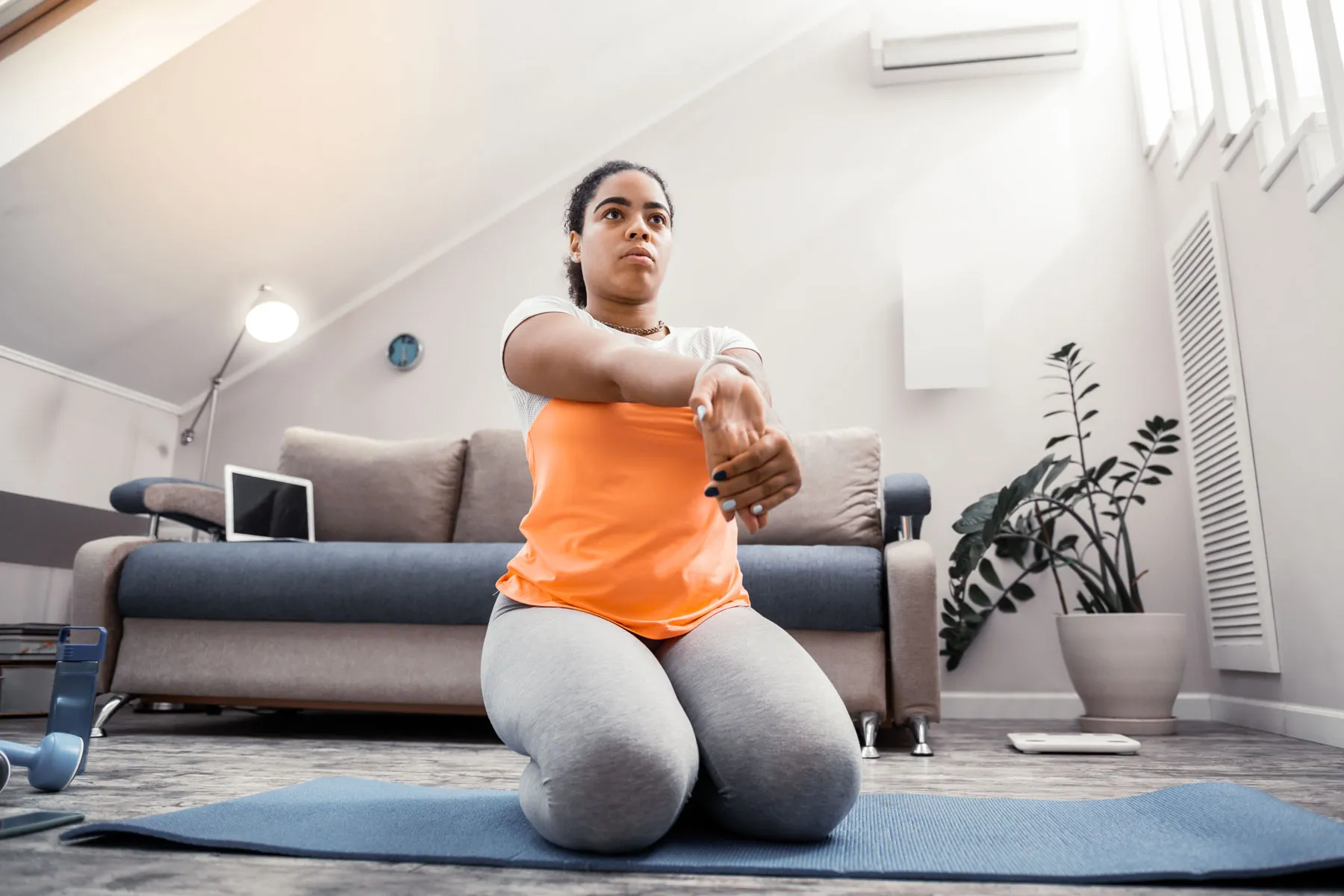
Cardio at home sounds wonderfully simple until you press play on a workout video and the instructor starts bouncing like a caffeinated kangaroo. Suddenly your living room feels small, your rug feels slippery, and your dog thinks mountain climbers are an invitation to wrestle. The good news? A good video on exercise can turn home cardio from “What am I doing with my arms?” into a practical, motivating, heart-pumping routine.
You do not need a boutique studio, a treadmill that costs more than your sofa, or a neighbor downstairs who has infinite patience. With the right exercise video, a safe space, and a realistic plan, you can build cardiovascular fitness, improve stamina, support heart health, and make movement a regular part of your day. The key is choosing cardio workouts that match your fitness level, schedule, joints, goals, and attention span.
This guide breaks down how to use exercise videos for cardio at home, what to look for in a quality routine, how to measure intensity, and how to stay consistent without turning your workout plan into another abandoned tab in your browser.
What Counts as Cardio at Home?
Cardio, also called aerobic exercise, is any rhythmic activity that raises your heart rate and breathing for a sustained period. At home, that can include marching in place, dance cardio, step-ups, low-impact aerobics, shadow boxing, stair climbing, jump rope, bodyweight circuits, indoor cycling, or a brisk walking video. If your heart is working harder and your breathing picks up, congratulations: your living room has become a tiny fitness studio with questionable acoustics.
The most useful home cardio workouts usually involve large muscle groups, repeatable movement patterns, and enough pace to keep your body warm. A beginner routine may use side steps, knee lifts, arm reaches, and gentle squats. A more advanced video may include high knees, skater hops, burpees, squat jumps, and fast intervals. Both can be effective when matched to the right person.
Why Exercise Videos Work So Well for Home Cardio
A video on exercise gives structure. Instead of wandering around your room thinking, “Maybe I’ll do five jumping jacks and then check my phone,” you get a warm-up, a workout, a cool-down, and someone telling you when to stop. That last part matters.
Exercise videos also remove decision fatigue. You do not have to design a workout from scratch. You simply choose a length, difficulty level, and style. Ten minutes of low-impact cardio before school or work? Easy. A 30-minute dance workout on Saturday? Done. A no-equipment HIIT routine that makes your legs question your life choices? Available, though not required.
Video-based cardio can also help with form. Good instructors demonstrate movements, offer modifications, explain breathing, and remind you to land softly, brace your core, or slow down when needed. That guidance is especially helpful for beginners who want to move safely without feeling lost.
How Much Cardio Should You Aim For?
For general health, many major health organizations recommend that adults work toward at least 150 minutes of moderate-intensity aerobic activity per week, 75 minutes of vigorous activity, or a combination of the two. Muscle-strengthening activity on at least two days per week is also commonly recommended. That does not mean you must do one heroic workout while dramatic music plays in the background. In fact, spreading activity throughout the week is usually more sustainable.
A simple home plan might be five 30-minute moderate cardio videos per week. Another option is three 20-minute vigorous workouts plus two shorter low-impact sessions. Beginners can start smaller: 10 minutes a day, three to five days per week, then gradually build. Your body appreciates progress. It does not require a grand opening ceremony.
How to Choose the Right Video on Exercise
1. Match the Workout to Your Current Fitness Level
The best cardio video is not the hardest one. It is the one you can complete with decent form and repeat consistently. If you are new to exercise, returning after a long break, or dealing with joint sensitivity, choose beginner, low-impact, or walking-style cardio. These workouts can still raise your heart rate without excessive jumping.
If you already exercise regularly, intermediate or advanced cardio videos may be useful. Look for routines with intervals, compound movements, and clear rest periods. A good advanced workout should still include modifications. “No pain, no gain” is not coaching; it is a slogan that should have retired with neon headbands.
2. Check the Instructor’s Cues
A quality instructor does more than count down from ten with suspicious enthusiasm. Look for clear coaching: where to place your feet, how to protect your knees, when to breathe, how to modify, and how hard the workout should feel. Good cues make the difference between effective cardio and flailing near the coffee table.
3. Look for Warm-Up and Cool-Down Sections
A warm-up prepares your muscles, joints, and cardiovascular system for harder work. It may include marching, arm circles, step touches, gentle squats, and mobility drills. A cool-down gradually lowers your heart rate and may include slower walking, deep breathing, and light stretching. If a video jumps directly from “hello” to “burpee tornado,” keep scrolling.
4. Choose a Realistic Length
A 12-minute workout you actually do is better than a 60-minute workout you keep saving for “Monday,” a mysterious day where all human motivation supposedly resets. Short cardio videos can be useful on busy days. Longer videos are great when you have more time and energy. Build a small library: 10-minute, 20-minute, and 30-minute options.
How to Measure Cardio Intensity at Home
You do not need a laboratory, a coach, or a machine with blinking lights to understand exercise intensity. Two simple methods work well for most people: the talk test and heart rate zones.
The Talk Test
During moderate-intensity cardio, you should be able to talk but not sing comfortably. During vigorous exercise, you may only be able to say a few words before needing a breath. If you can sing an entire chorus while exercising, you are probably working at a light intensity. If you cannot speak at all and your form is falling apart, slow down.
Heart Rate Zones
A common estimate for maximum heart rate is 220 minus your age. Moderate exercise is often around 50% to 70% of maximum heart rate, while vigorous exercise is often around 70% to 85%. Wearable devices can help, but they are not perfect. Use heart rate as a guide, not a bossy robot strapped to your wrist.
Best Types of Cardio Videos for Home Workouts
Low-Impact Cardio
Low-impact cardio keeps at least one foot close to the floor most of the time. Examples include step touches, marching, side lunges, standing crunches, low-impact jumping jacks, and gentle kickboxing. These videos are excellent for beginners, apartment workouts, recovery days, or anyone who wants less joint stress.
Dance Cardio
Dance cardio is perfect if traditional workouts make you bored enough to reorganize your sock drawer. You follow rhythmic moves set to music, usually with repeated combinations. The secret is not dancing perfectly. The secret is moving continuously, smiling occasionally, and accepting that your “hip roll” may look like you are trying to escape a spiderweb.
HIIT Cardio
High-intensity interval training alternates hard work with rest or lighter movement. A home HIIT video might use 30 seconds of work and 15 seconds of rest for exercises like squat thrusts, mountain climbers, high knees, or skater jumps. HIIT can be efficient, but it is intense. Beginners should start with low-impact intervals and longer rest periods.
Walking Workouts
Indoor walking videos are underrated. They often combine marching, side steps, knee lifts, kicks, and arm movements. They are easy to follow, space-friendly, and surprisingly effective when performed with energy. For people who dislike complicated choreography, walking workouts are the cardio equivalent of a reliable friend who always shows up on time.
Kickboxing-Inspired Cardio
Cardio kickboxing uses punches, knee drives, front kicks, side steps, and defensive movements. It improves coordination and raises your heart rate without requiring equipment. Keep your joints soft, avoid locking your elbows or knees, and focus on control rather than pretending your air punches are auditioning for an action movie.
A Simple Beginner Home Cardio Plan
Here is a realistic weekly plan for someone starting with exercise videos:
- Monday: 15-minute low-impact cardio video
- Tuesday: Rest or easy walk
- Wednesday: 20-minute indoor walking workout
- Thursday: 10-minute mobility or light cardio video
- Friday: 15-minute beginner dance cardio
- Saturday: Optional 20-minute low-impact kickboxing
- Sunday: Rest, stretch, or gentle walk
After two to four weeks, increase one variable at a time. Add five minutes, choose a slightly harder video, reduce rest a little, or add another workout day. Do not upgrade everything at once unless your hobbies include soreness and regret.
Safety Tips Before You Press Play
Clear your workout area first. Move chairs, bags, loose rugs, and anything fragile. Your favorite mug does not want to participate in cardio. Wear supportive shoes if the workout involves impact, quick direction changes, or jumping. If you prefer barefoot exercise, choose low-impact routines and make sure the floor is not slippery.
Keep water nearby. You do not need to drink dramatically every 30 seconds, but hydration helps you feel better. Pay attention to warning signs such as chest pain, dizziness, faintness, unusual shortness of breath, or sharp joint pain. Stop exercising and seek medical guidance if symptoms feel concerning. People with heart conditions, diabetes, pregnancy, recent injuries, or chronic health issues should check with a qualified healthcare professional before starting a new intense routine.
How to Make Home Cardio More Enjoyable
The best cardio routine is the one you do often enough to matter. Make it easier to begin. Put your shoes where you can see them. Save three favorite videos in a playlist. Decide your workout time before the day gets chaotic. Keep a towel nearby. Give yourself permission to do the beginner version without making a speech about it.
Music helps. So does variety. Rotate between walking cardio, dance cardio, kickboxing, and intervals. If a video makes you feel clumsy but happy, keep it. If a video makes you feel defeated, delete it from your mental universe. Fitness should challenge you, not insult your existence.
Common Mistakes to Avoid
Going Too Hard Too Soon
Motivation is exciting, but it can be a terrible personal trainer. Starting with daily advanced HIIT after months of inactivity is a fast path to burnout. Begin with manageable sessions and build gradually.
Ignoring Form
Speed is not useful if your knees cave in, your back rounds, or your landings sound like furniture falling down stairs. Move with control. Choose lower-impact modifications when form starts to fade.
Skipping Recovery
Cardio improves fitness, but recovery allows adaptation. Mix harder days with easier days. Sleep, hydration, and food all affect how well your body responds to exercise.
Only Doing Cardio
Cardio is excellent, but strength training supports muscles, bones, joints, posture, and metabolism. Add simple bodyweight strength exercises such as squats, wall push-ups, glute bridges, planks, and lunges two days per week.
Experience Notes: What Cardio at Home Really Feels Like
The first experience many people have with a video on exercise is humbling. You press play feeling confident. Three minutes later, the instructor says, “Great warm-up!” and you realize the workout has not technically started. This is normal. Home cardio has a way of revealing your current fitness level with brutal honesty and cheerful background music.
One helpful lesson is that space matters less than planning. You may think you need a huge room, but most cardio videos can be done in a small area if you choose the right style. Indoor walking, low-impact aerobics, standing core cardio, and kickboxing-inspired routines are usually compact. The trick is to preview the video for big traveling moves. If the instructor starts sprinting diagonally across a studio the size of an airport terminal, that may not be the best match for your bedroom.
Another real-world lesson: modifications are not failure. They are strategy. If the video shows jumping jacks, step one foot out at a time. If the instructor does burpees, try a squat to reach, or place your hands on a sturdy chair for an incline version. If high knees feel too intense, march with strong arms. You are not “cheating.” You are choosing the version that lets you keep moving safely.
Consistency often improves when workouts are attached to existing routines. For example, do a 10-minute cardio video after brushing your teeth in the morning, before a shower, after homework, or before dinner. The workout becomes less of a dramatic event and more like a normal part of the day. That is where the magic lives: not in one heroic session, but in repeated ordinary sessions.
It also helps to track tiny wins. Maybe you completed the full warm-up without pausing. Maybe your breathing recovered faster. Maybe the same 20-minute video felt less impossible after two weeks. These small signs are proof that your heart, lungs, muscles, and coordination are adapting. Home cardio progress is not always loud. Sometimes it whispers, “Hey, stairs are easier now.”
Finally, the best exercise video is one you do not secretly hate. Fun matters. If dance cardio makes you laugh, do that. If kickboxing makes you feel focused, choose it. If walking workouts are your comfort zone, keep using them. Cardio at home should feel practical, flexible, and repeatable. You are building a habit, not filming a superhero training montage.
Conclusion
A video on exercise can be one of the easiest ways to start cardio at home. It gives you structure, timing, motivation, and guidance without requiring a gym membership or expensive equipment. The smartest approach is simple: choose workouts that match your level, use the talk test or heart rate zones to manage intensity, warm up, cool down, and progress gradually.
Whether you prefer low-impact cardio, dance workouts, indoor walking, HIIT, or kickboxing-style routines, the goal is not perfection. The goal is movement you can repeat. Press play, clear the rug, respect your limits, and let your home become the most convenient cardio studio you have ever joined.
Note: This content is for general educational purposes and should not replace personalized medical or fitness advice. Anyone with a medical condition, recent injury, pregnancy, or unusual symptoms during exercise should consult a qualified healthcare professional before starting or intensifying a workout plan.