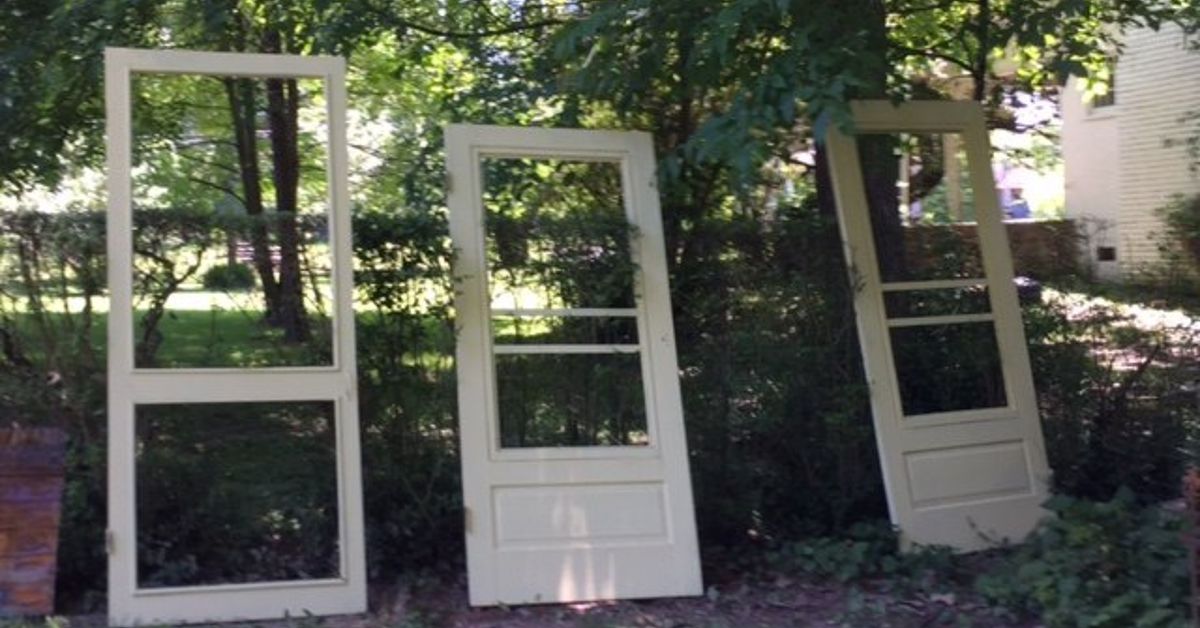
Backyard privacy is one of those home upgrades that sounds expensive until you look around and realize the solution may be leaning against the garage wall, collecting dust, spiderwebs, and mild judgment. Old screen doors, especially wood-framed ones, can become beautiful outdoor privacy screens with a little cleaning, reinforcement, paint, and imagination.
Instead of building a full fence, pouring posts, or pretending you enjoy making eye contact with the neighbor while watering tomatoes in pajamas, you can repurpose screen doors into flexible backyard privacy panels. They can block awkward sightlines, frame a patio, hide trash bins, soften a deck edge, or create a cozy garden corner that feels intentional rather than improvised.
This guide explains how to turn screen doors into backyard privacy using practical design ideas, safe installation methods, weather-friendly materials, and styling tricks that make the project look charming instead of “I found this on the curb and panicked.”
Why Screen Doors Work So Well for Backyard Privacy
Screen doors are naturally suited for outdoor privacy projects because they already have the bones of a panel: a frame, an open center, and enough height to interrupt a view. Unlike solid boards, they create privacy without turning your patio into a wooden cave. Light still passes through. Air still moves. Plants still get sunshine. You still get to feel like you live outdoors, not inside a shipping crate.
They are also easy to customize. A basic screen door can be painted, stained, filled with lattice, covered with outdoor fabric, fitted with bamboo reed fencing, wrapped in faux greenery, or used as a trellis for climbing plants. That flexibility makes screen doors useful for renters, small-yard owners, budget DIYers, and anyone who wants privacy without the permanence of a full fence.
Best Places to Use Screen Door Privacy Panels
The best privacy screen does not always surround the whole yard. In fact, targeted privacy usually looks better. Instead of walling off your entire property like a suburban fortress, think about where privacy is actually needed.
Patio Dining Areas
A pair of old screen doors can shield a small dining table from a sidewalk, driveway, or neighboring deck. Set the panels at a slight angle to create a corner effect. This makes the space feel more like an outdoor room and less like a table accidentally abandoned in the yard.
Deck Railings
If your deck railing is too open, mounted screen doors can add height and softness. They work especially well when attached behind planters or along one side of the deck where visibility is highest.
Garden Seating Nooks
Screen doors can become the “walls” of a reading spot, coffee corner, or quiet bench area. Add climbing vines or hanging planters, and suddenly the backyard has a destination instead of just grass with responsibilities.
Utility Zones
Trash cans, compost bins, garden tools, pool equipment, and air-conditioning units all benefit from visual screening. Just remember that equipment needs airflow and service access. A decorative screen should hide the view, not trap heat or turn maintenance into a wrestling match.
Choosing the Right Screen Doors
Not every screen door is ready for backyard fame. Before you start painting and attaching things, inspect the frame carefully. A privacy screen must be attractive, but it also has to stay upright when the wind gets dramatic.
Look for a Strong Frame
Wood screen doors are often easiest to modify because they can be sanded, painted, screwed into, and repaired. Aluminum doors can also work, but they may require different fasteners and careful drilling. Avoid doors with warped frames, deep rot, loose joints, or cracked corners unless you are prepared to rebuild them.
Check the Existing Screen
The original mesh may be torn, brittle, or too transparent for privacy. That is not a problem. You can remove it and replace it with outdoor fabric, lattice, reed fencing, privacy mesh, chicken wire for vines, or decorative metal panels. The frame is the valuable part.
Match Door Style to Backyard Style
A farmhouse-style screen door looks great in cottage gardens and casual patios. A clean, flat-frame door suits modern spaces. A vintage door with decorative trim can become a romantic garden feature. In short, choose a door that does not fight the rest of the yard. Your screen should whisper “designed,” not shout “yard sale with screws.”
How to Prepare Screen Doors for Outdoor Use
Preparation is the difference between a privacy screen that lasts and one that looks exhausted by Labor Day. Outdoor wood and metal face moisture, sunlight, insects, wind, and temperature changes, so treat the project like a real exterior feature.
Step 1: Clean the Door Thoroughly
Remove dust, cobwebs, old hardware, loose paint, and anything mysterious enough to deserve its own ZIP code. Wash the frame with mild soap and water, rinse, and let it dry completely. If the door has mildew, use an appropriate outdoor cleaner and follow label directions.
Step 2: Sand Rough Areas
Light sanding helps paint or stain adhere better. Smooth splinters, peeling paint edges, and rough corners. If the old paint may contain lead, do not dry-sand it. Use safe renovation practices or choose a different door, especially for homes with children or pets.
Step 3: Repair Weak Joints
Tighten loose corners with exterior-rated screws, wood glue made for outdoor use, or small metal corner braces. If the frame twists when you lift it, reinforce it before installation. Privacy is nice; watching a door cartwheel across the lawn is less nice.
Step 4: Prime and Paint or Stain
Use exterior primer and exterior paint for painted finishes. For a natural wood look, choose an outdoor stain or sealer. Paint gives strong sun protection and a bold design statement, while stain highlights wood grain and often looks more relaxed. Dark colors feel modern, white feels cottage-like, green blends into landscaping, and black makes even a humble old screen door look like it has a design degree.
Privacy Fill Options for Screen Doors
The open center of a screen door is where the project gets fun. You can make the privacy level light, medium, or full depending on what you add.
Outdoor Fabric Panels
Outdoor fabric is one of the easiest ways to add privacy. Staple or attach weather-resistant fabric to the back of the frame, pulling it taut. Choose a neutral shade for a clean look or a stripe for cheerful patio energy. Fabric works well for seasonal screens because it is easy to replace when it fades.
Bamboo or Reed Fencing
Bamboo reed fencing gives instant privacy and a natural texture. It is lightweight, affordable, and easy to cut to size. Attach it with staples, small screws and washers, or outdoor zip ties. It pairs beautifully with tropical plants, gravel patios, and relaxed outdoor furniture.
Lattice Inserts
Lattice creates partial privacy and gives vines something to climb. Wood lattice can be painted to match the frame, while vinyl lattice is low-maintenance. This option works well when you want privacy without fully blocking light.
Faux Greenery
Artificial leaf panels are popular because they offer instant green coverage without watering, pruning, or apologizing to a dead plant. Choose UV-resistant versions made for outdoor use, and attach them securely so they do not flap in the wind like a leafy flag of surrender.
Climbing Plants
For a living privacy screen, attach wire mesh, lattice, or garden netting inside the screen door and plant vines at the base. Annual vines can provide fast seasonal coverage, while perennial vines may return each year. Pick plants suited to your local climate, sun exposure, and maintenance tolerance. A vine that sounds “fast-growing” can be wonderful on a trellis and terrifying near siding, gutters, or fences if it gets too enthusiastic.
How to Install Screen Doors as Privacy Panels
Installation depends on whether you want the panels fixed, freestanding, hinged, or movable. The goal is stability first, style second, and “please do not fall over during dinner” always.
Option 1: Attach Screen Doors to Fence Posts
For a sturdy permanent screen, install pressure-treated or rot-resistant posts and attach the doors between them. Use exterior-rated screws, hinges, or brackets. This works well along patios, side yards, or garden paths. Check local rules before building anything tall near a property line.
Option 2: Create a Folding Privacy Screen
Connect two or three screen doors with exterior hinges to create a folding panel. This is great for renters or flexible spaces because it can be moved as needed. For safety, add wide feet, planter-box bases, or weights so the folding screen does not tip over.
Option 3: Anchor Doors Behind Planters
Large planter boxes can act as bases for screen door panels. Attach the door to posts secured inside the planter, then fill the planter with soil and plants. This gives you privacy and greenery in one project. Use a deep, heavy planter and make sure the panel is braced well.
Option 4: Mount Panels to a Deck or Pergola
If you already have a deck frame, pergola posts, or covered patio structure, screen doors can be attached as decorative side panels. Use corrosion-resistant hardware and avoid blocking important exits, stairs, or access paths.
Design Ideas That Make Screen Door Privacy Look Intentional
The secret to a polished screen door privacy project is repetition. One random door in the yard can look like a mistake. Two or three matching or coordinated panels look like design.
Use Matching Paint Colors
Paint all the doors the same color for a unified look. Soft gray, sage green, charcoal, white, navy, and natural wood tones all work well outdoors. Match the color to existing trim, patio furniture, or planters.
Add Planters at the Base
Plants make privacy screens feel rooted in the landscape. Use ornamental grasses, herbs, flowering annuals, compact shrubs, or trailing plants. Planters also help visually connect the screen to the patio or garden.
Install Hooks for Decor
Hooks can hold small hanging baskets, lanterns, garden tools, or seasonal wreaths. Just do not overload the frame. A screen door is not a load-bearing wall, even if it has emotional strength.
Layer Privacy Materials
For better coverage, combine materials. Use lattice plus vines, fabric plus planters, or reed fencing plus string lights. Layering creates depth and avoids the flat, temporary look of a single material slapped onto a frame.
Safety and Weather Tips
Outdoor privacy screens must handle wind, rain, sun, and normal backyard chaos. Use exterior-rated fasteners, check connections regularly, and anchor panels securely. Tall freestanding screens should be weighted or braced, especially in windy areas.
Keep wood off direct soil contact whenever possible. Elevate panels slightly or mount them to posts so water does not sit against the bottom rail. Reapply paint, stain, or sealer when the finish begins to fade or crack. Inspect yearly for rot, rust, loose screws, and insect damage.
Also consider sightlines from both sides. Your privacy screen should look decent from the neighbor’s side if it faces a shared boundary. It is not just polite; it also helps avoid backyard diplomacy meetings nobody wants.
Budget Breakdown
The cost of turning screen doors into backyard privacy depends on whether you already have doors. Salvaged or reused screen doors can make the project very affordable. New basic wood screen doors cost more but still may be cheaper than a full fence or custom privacy wall.
Common expenses include exterior paint or stain, primer, sandpaper, screws, hinges, brackets, lattice, fabric, bamboo fencing, planters, and posts. A simple single-panel project may cost very little if you reuse materials. A more polished three-panel privacy wall with planters and lighting will cost more but can still be a weekend-friendly upgrade compared with major construction.
Maintenance: Keeping Your Screen Door Privacy Panels Fresh
Maintenance is simple but important. Wash the panels a few times a year to remove dust and pollen. Tighten hardware after storms. Trim vines before they become bossy. Replace fabric if it fades or tears. Touch up paint when bare wood appears.
If you use faux greenery, shake or rinse it occasionally so it does not become a pollen museum. If you use bamboo or reed fencing, expect natural weathering. Some homeowners love the aged look; others prefer to replace it every few seasons for a cleaner finish.
Common Mistakes to Avoid
Using Indoor Materials Outside
Indoor fabric, untreated wood, and basic craft paint may look good for about three raindrops. Choose outdoor-rated materials whenever possible.
Skipping Anchors
A privacy screen is basically a sail when the wind hits it. Secure it properly. Even a lightweight door can cause damage if it tips over.
Blocking Too Much Airflow
Full privacy is tempting, but patios need airflow to stay comfortable. Partial screens, lattice, and plant layers often feel better than solid walls.
Ignoring Local Rules
Some neighborhoods, HOAs, cities, or rental agreements limit fence height, structures near property lines, or exterior changes. A quick check can save a future headache.
of Real-World Experience: What This Project Feels Like in Practice
Turning screen doors into backyard privacy is one of those projects that looks simple on paper and then teaches you three life lessons before lunch. The first lesson is that old doors are rarely square. They may appear straight while leaning against a wall, but once you lay them flat, you discover one corner has chosen independence. That does not ruin the project. It just means you should measure each door individually, use flexible design choices, and avoid assuming every panel will behave like fresh lumber from a store.
The second lesson is that privacy is not the same as total coverage. Many people start this project thinking they need to block everything. Then they stand behind a lattice panel with plants and realize partial screening is often enough. A well-placed screen door can block the exact view from a neighbor’s kitchen window while leaving the rest of the yard open and breezy. That is the magic of targeted privacy. You are not building a bunker. You are editing the view.
In practice, the best results usually come from placing the panels before permanently attaching them. Prop them up safely, step back, sit in the chair you actually use, and look around. The view from standing height may be totally different from the view while eating dinner, reading, or drinking coffee. Privacy should be designed from the position where people spend time, not from the dramatic pose of a homeowner surveying the kingdom.
Paint also makes a bigger difference than expected. A mismatched old door can look like clutter, but once painted the same color as nearby planters or trim, it suddenly becomes architectural. Black or charcoal adds structure. White feels bright and cottage-like. Green disappears into foliage. Natural stain feels warm and relaxed. The right finish can turn “old screen door” into “custom garden panel,” which is a very satisfying upgrade for the ego.
Another practical tip: plan for maintenance access. If the screen hides trash cans, leave enough room to roll them out without scraping paint every week. If it hides an AC unit, leave space for airflow and service. If it supports vines, make sure you can prune both sides. Backyard projects should make life nicer, not create a leafy obstacle course.
Finally, this project is most enjoyable when you let it evolve. Start with one or two doors, add planters, test the privacy, then build from there. Maybe you add string lights later. Maybe you swap fabric for bamboo. Maybe the vines take off and become the star of the show. Screen door privacy panels are forgiving, affordable, and full of personality. They solve a real problem while giving your backyard a handmade detail that feels charming, useful, and just a little clever.
Conclusion
Screen doors are more than entryway leftovers. With smart placement, weather-ready finishes, sturdy installation, and a little design confidence, they can become stylish backyard privacy screens that define outdoor rooms, hide unattractive views, and make patios feel more comfortable.
The best part is flexibility. You can create a freestanding folding screen, mount doors between posts, attach them to planter boxes, or dress them with lattice, fabric, bamboo, greenery, or climbing plants. Whether your backyard is tiny, wide open, overlooked, or simply in need of charm, repurposed screen doors offer a budget-friendly privacy solution with character.
And yes, there is something deeply satisfying about turning an old door into the reason your patio suddenly feels like a private retreat. It is recycling, decorating, problem-solving, and mild neighbor-avoidance all in one weekend project. That is what we call efficient.
Note: This article is written for web publication and synthesizes practical guidance from reputable U.S. home improvement, landscaping, exterior wood finishing, and DIY privacy-screen resources.