Note: This article is based on publicly available information from parenting media, breastfeeding health resources, social media policy pages, and photo-editing trend coverage. It is written for general informational and editorial purposes, not as medical advice.
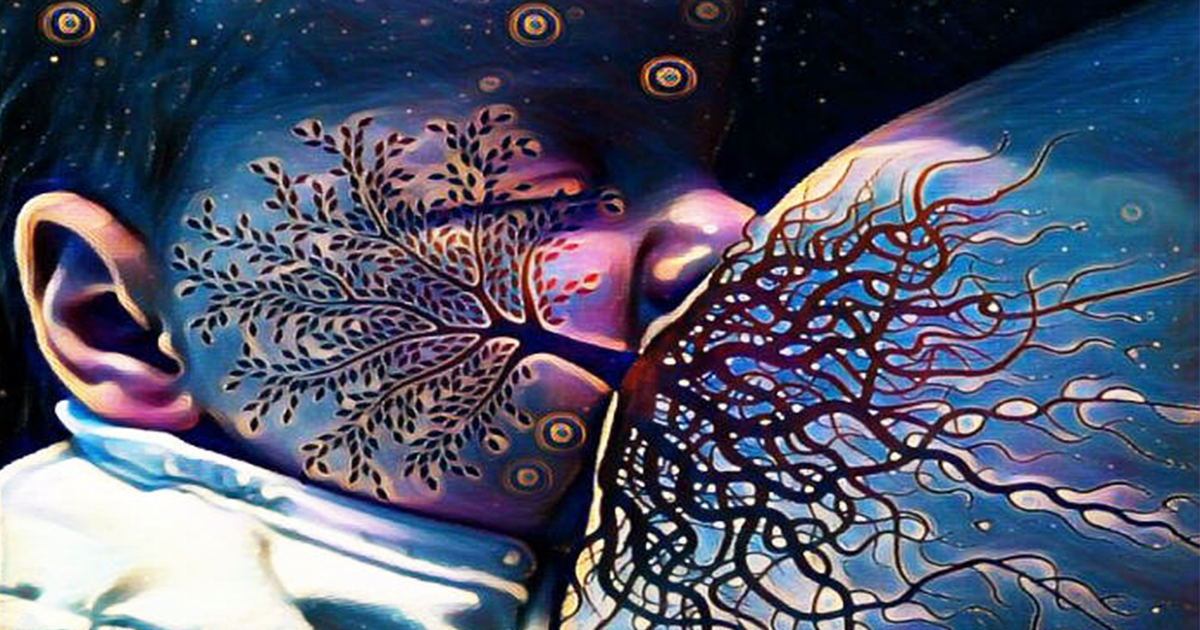
Every so often, the internet collectively pauses its doom-scrolling, looks up from a plate of reheated leftovers, and says, “Wait… that is actually beautiful.” That is exactly what happened with the “Tree of Life” breastfeeding photos, a viral visual trend that turns ordinary nursing snapshots into glowing, dreamlike works of art. Instead of a simple selfie, parents use photo-editing tools to place a tree illustration over a breastfeeding image, with roots, branches, stars, and colorful filters creating the impression that nourishment is flowing like life itself.
The result is part family keepsake, part digital art, part public statement. These images are often shared with hashtags like #TreeOfLife, #brelfie, and #normalizebreastfeeding. And yes, “brelfie” is exactly what it sounds like: a breastfeeding selfie. The internet has created stranger words, but few with such soft lighting.
What makes the trend so powerful is not only the visual effect. It is the emotional message behind it. For many parents, breastfeeding can be tender, exhausting, confusing, funny, painful, peaceful, messy, empowering, or all of those things before 9 a.m. The Tree of Life photo trend gives that complicated experience a symbolic frame. It says: this moment matters.
What Are “Tree Of Life” Breastfeeding Photos?
A Tree of Life breastfeeding photo usually begins with a normal picture of a baby nursing. Then, using a photo-editing app such as Picsart, the parent adds a tree sticker or illustration. The roots are placed near the breast, the trunk follows the nursing connection, and the branches stretch toward the baby. Many users then apply dramatic filters, starry overlays, lens flares, rainbow effects, or soft color washes.
The finished image often looks less like a casual phone picture and more like a page from a magical storybook. Imagine a baby feeding in a quiet room, except suddenly the room has cosmic lighting, the milk supply has become a glowing forest, and everyone involved appears to have been blessed by a woodland fairy with excellent editing skills.
The concept is simple, which is one reason it spread so quickly. You do not need a professional camera, a studio, or a degree in graphic design. A parent can take a nursing photo, add a tree graphic, adjust the filter, and create something shareable in minutes. That accessibility helped the trend move from small parenting groups into wider social media feeds.
Why The Tree Symbol Works So Well
The “tree of life” is an old and widely recognized symbol. Across cultures, trees often represent growth, fertility, family roots, strength, renewal, and connection between generations. That symbolism fits naturally with breastfeeding, which many parents experience as both practical and deeply emotional.
There is also a visual logic to the design. The roots suggest nourishment and support. The trunk suggests connection. The branches suggest growth. In one image, the viewer sees a parent, a child, and the invisible work of feeding made visible. It is not subtle, but viral internet art rarely wins by whispering. It wins by making people stop, feel something, and tap “share.”
For breastfeeding parents, the symbolism can feel especially meaningful because the process itself is often invisible labor. People may see the baby growing, sleeping, smiling, and wearing tiny socks that disappear into another dimension, but they do not always see the hours of feeding, pumping, soothing, and learning behind the scenes. A Tree of Life photo turns that private effort into a public celebration.
How A Simple Photo Trend Became A Movement
The Tree of Life breastfeeding photo trend gained major attention around 2016, when parents began using Picsart stickers and filters to transform nursing photos into glowing “brelfies.” The trend has resurfaced repeatedly since then, especially during World Breastfeeding Week and in online parenting communities.
Its staying power comes from a mix of beauty, emotion, and activism. On one level, the photos are simply pretty. They have bright colors, soft faces, and dramatic tree designs. On another level, they participate in a longer conversation about normalizing breastfeeding in public, online, and in everyday life.
For decades, breastfeeding has been treated with a strange double standard. It is widely recommended by health organizations, yet parents may still face stares, awkward comments, or online moderation issues when they share nursing moments. The Tree of Life trend responds to that contradiction with art. It does not argue in a comment section for six hours, which is healthier for everyone’s blood pressure. It simply shows breastfeeding as natural, nurturing, and worthy of respect.
The Role Of Picsart And Social Media
Photo-editing apps helped turn the trend into something anyone could try. Picsart, in particular, became closely associated with the Tree of Life brelfie because it offered stickers, filters, and editing tools that made the effect easy to create. Users could search for tree graphics, layer them onto a nursing image, adjust placement, add color effects, and share the final result.
Social media then did what social media does best: it turned one creative idea into a flood. Parents shared their versions, friends asked how to make them, tutorials appeared, and hashtags carried the style across Facebook, Instagram, Pinterest, blogs, and parenting forums. The trend also encouraged community participation. Some parents who were comfortable editing helped others who were not. In that way, the trend became more than a filter; it became a shared digital ritual.
Why Parents Are Drawn To The Trend
It Turns A Fleeting Moment Into A Keepsake
Breastfeeding can feel endless when you are living it. Then, somehow, it becomes a memory. Many parents look back and realize the late-night feeds, tiny hands, sleepy eyes, and quiet moments were gone faster than expected. A Tree of Life photo captures that stage in a way that feels artistic rather than purely documentary.
It Makes Breastfeeding Feel Seen
Some parents describe breastfeeding as rewarding but demanding. It can involve sore beginnings, supply worries, pumping schedules, cluster feeding, work interruptions, and a level of thirst that makes a person understand deserts on a spiritual level. The Tree of Life image validates that work. It says feeding a baby is not just routine; it is care, effort, and connection.
It Helps Camera-Shy Parents Share Comfortably
Not everyone wants to post an unedited breastfeeding photo. Filters and illustrations can create a layer of privacy and artistry. For some parents, the tree design makes the image feel less exposed and more symbolic. The result is a photo that can be personal without feeling too revealing.
The Health Context Behind Breastfeeding
The popularity of these photos also connects to a broader public-health conversation. Major health organizations recommend exclusive breastfeeding for about the first six months when possible, followed by continued breastfeeding alongside complementary foods. Breast milk changes as a baby grows and contains nutrients and immune-supporting components that help protect infants.
Breastfeeding is associated with reduced risks of several conditions for babies, including certain infections, severe lower respiratory illness, obesity, type 1 diabetes, and sudden infant death syndrome. It may also support maternal health in multiple ways. Still, the most important point for any parenting article is this: feeding a baby is not a moral contest. Some families breastfeed, some pump, some use formula, and many do a combination. A thriving baby and a supported parent matter more than winning an imaginary internet trophy.
That nuance is important because breastfeeding content can sometimes become emotionally charged. A beautiful Tree of Life photo should celebrate one family’s experience without shaming another family’s feeding choices. The best version of the trend is inclusive, warm, and realistic. It honors breastfeeding while leaving room for the truth that every baby-feeding journey looks different.
Normalizing Breastfeeding Without Turning Parents Into Performers
One reason the Tree of Life trend resonates is that many parents want breastfeeding to be treated as normal. They want to feed a hungry baby without feeling like they have accidentally started a public debate. They want social platforms to understand that breastfeeding is not inappropriate content. They want workplaces, restaurants, airports, parks, and family gatherings to make room for real babies with real appetites.
At the same time, normalizing breastfeeding does not mean every parent has to post photos, become an advocate, or turn their nursing experience into content. Privacy is also valid. A parent can love breastfeeding and never share a single image online. They can also create a Tree of Life photo just for themselves, print it, save it in a baby book, or keep it in a private folder next to 4,000 nearly identical pictures of the baby sleeping.
The Privacy Question: Beautiful Does Not Mean Careless
Because the trend involves photos of babies, privacy deserves a thoughtful mention. Sharing children’s images online can create a digital footprint long before a child is old enough to understand or consent. That does not mean parents should panic and delete every family photo. It does mean they should pause before posting publicly.
Good questions include: Is the baby’s face visible? Is the account public? Does the caption reveal the child’s full name, birth date, location, or medical details? Would this image still feel respectful years from now? Could the photo be shared in a private family group instead of a public feed?
A Tree of Life breastfeeding photo can be meaningful and tasteful, but the safest approach is intentional sharing. Parents can crop carefully, avoid location tags, use privacy settings, skip identifying details, or keep the final image offline. The internet is wonderful at turning art into community, but it is also terrible at forgetting things. Basically, the internet has the memory of an elephant and the impulse control of a toddler near a cupcake.
How To Create A Tree Of Life Breastfeeding Photo
Parents who want to make their own version can keep the process simple. Start with a nursing photo that feels comfortable and respectful. Choose an image where the baby and parent are positioned clearly enough for the tree design to align naturally. Open a photo-editing app, search for a tree or Tree of Life sticker, and place it so the roots and branches follow the feeding connection.
After that, adjust the size and angle until it looks balanced. Add a filter if desired. Popular styles include dark blue night-sky effects, rainbow tones, soft glows, and lens flares. The trick is not to overdo it. When every corner sparkles, the image can start looking less like a tender parenting moment and more like a unicorn sneezed on the screen.
Finally, save the image in high quality. Parents can share it with hashtags, print it, or keep it private. The best photo is not the most technically perfect one. It is the one that feels true to the person who made it.
Why The Internet Loves These Photos
The internet loves contrast. It loves ordinary moments made extraordinary. A parent nursing a baby is common. A parent nursing a baby while a glowing tree appears to grow between them is visually striking. That transformation is exactly why the trend works.
There is also a universal emotional hook. Even people who have never breastfed can understand the idea of being nourished, protected, and connected to someone. The tree symbol translates the specific experience of breastfeeding into a broader language of family, care, growth, and love.
In a digital environment often filled with arguments, outrage, and people confidently misusing the word “literally,” Tree of Life breastfeeding photos offer something softer. They invite people to admire, remember, and support. That is rare enough online to feel almost suspicious.
Criticism And Conversation Around The Trend
Like most viral parenting content, the Tree of Life trend has attracted mixed reactions. Many viewers find the photos moving and beautiful. Others feel uncomfortable with breastfeeding images online. Some worry that the trend may unintentionally make formula-feeding parents feel excluded. Others raise reasonable privacy concerns about posting children’s photos.
These conversations are not necessarily bad. In fact, they show why the trend matters. A single edited photo can open discussions about parenting expectations, body norms, social media rules, infant feeding support, and public attitudes toward caregiving. That is a lot of cultural work for a sticker and a filter.
The healthiest interpretation is this: Tree of Life photos are not a commandment. They are not saying every parent must breastfeed, post online, or turn motherhood into a glowing forest mural. They are simply one creative way some parents honor a meaningful part of their lives.
Real-Life Experiences: What These Photos Mean To Parents
For many parents, the Tree of Life breastfeeding photo is not really about going viral. It is about remembering a chapter that can feel both intimate and overwhelming. One parent might create the image after finally getting through a difficult latch journey. Another might make one to celebrate six months of breastfeeding. Someone else might edit a photo after returning to work and pumping during lunch breaks, in between emails, meetings, and pretending not to hear the office printer making that haunted grinding noise.
There is also an emotional difference between living a moment and seeing it transformed into art. In real life, breastfeeding may happen on a couch with laundry nearby, a half-empty water bottle on the floor, and a burp cloth that has seen things. The photo, however, can reveal what the moment felt like inside: quiet, powerful, connected, and full of love. The Tree of Life effect gives parents a way to say, “This was more than a feeding. This was part of our story.”
Some parents say the trend helped them feel proud after struggling with confidence. Breastfeeding in public or posting a nursing image can feel intimidating, especially when people still make unnecessary comments. A stylized image can feel like armor made of leaves and light. It allows the parent to share the beauty of the moment while keeping some emotional distance from the vulnerability of an unedited photo.
Others use the trend as a celebration after a long road. Breastfeeding does not always begin smoothly. Some families deal with tongue-tie evaluations, pumping routines, low supply concerns, oversupply discomfort, bottle refusal, mastitis, or the mysterious baby habit of wanting to nurse exactly when the parent sits down to eat something hot. Creating a Tree of Life image can become a small victory ceremony. It says, “We made it through something.”
There are also parents who create Tree of Life photos after weaning. In that case, the image becomes a farewell. It can honor the last nursing session, the end of a baby stage, or the bittersweet shift from one kind of closeness to another. The baby grows. The routine changes. The parent gets a little more bodily freedom back, perhaps even both hands at once, which is basically a luxury spa package in early parenthood.
Some families keep the photo private. They print it for a nursery, save it in a digital album, or tuck it into a memory book. This private use is just as meaningful as a public post. Not every powerful image needs an audience. Sometimes the best audience is the future version of the parent who looks back years later and remembers the weight of the baby, the rhythm of those days, and the strange sweetness of being needed so completely.
The trend can also help partners and family members understand the emotional side of breastfeeding. A regular snapshot may show what happened. A Tree of Life edit can show what it meant. That is the magic of symbolic art: it translates daily care into something people can feel at a glance.
Of course, not every parent connects with the style. Some think it is too dramatic, too sparkly, or too internet-y. That is fine. Parenting already comes with enough pressure; nobody needs homework from a hashtag. The point is not that everyone should make a Tree of Life photo. The point is that the trend gave many parents a creative language for an experience that is often underappreciated.
In the end, these photos are popular because they combine beauty with recognition. They show that feeding a baby is ordinary and extraordinary at the same time. Ordinary because babies need to eat. Extraordinary because the act can carry love, patience, sacrifice, and connection. The Tree of Life trend simply makes that invisible meaning visible, one glowing branch at a time.
Conclusion: More Than A Pretty Filter
The “Tree of Life” breastfeeding photos took the internet by storm because they gave parents a visually stunning way to honor one of the most personal parts of early caregiving. The trend blends digital creativity, ancient symbolism, breastfeeding advocacy, and emotional storytelling into images that are easy to make and hard to ignore.
At their best, these photos do not shame, preach, or perform perfection. They celebrate connection. They remind viewers that feeding a baby is care work, and care work deserves respect. Whether shared publicly or kept private, a Tree of Life breastfeeding photo can become a lasting symbol of a brief, intense, unforgettable season of parenthood.