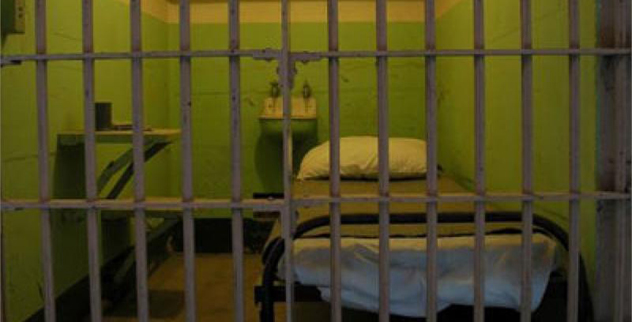
Entering prison can feel like landing in a country where nobody gave you the phrasebook, the schedule changes without consulting you, and nearly everything has a rule attached to it. The smartest approach is not to imitate movie characters or arrive determined to become the toughest person in the building. It is to observe carefully, control your reactions, protect your health, and learn how the institution actually operates.
Effective prison survival tt consistency tends to be more useful than a theatrical display of toughness. Prison is already stressful enough without auditioning for a sequel nobody requested.
1. Learn the Rules Before Trying to Learn the Culture
Your first survival tool is not muscle, money, or an intimidating nickname. It is information. Read the admission and orientation handbook, attend orientation sessions, check posted schedules, and ask staff for clarification when instructions are unclear.
Correctional facilities regulate movement, clothing, identification cards, property, mail, telephone use, meals, work assignments, medication lines, counts, and recreation. A harmless habit outside prison can become a disciplinary problem inside because it interferes with security or violates a local procedure.
Pay special attention to daily timing
Learn when counts occur, where you are allowed to be, and how movement periods work. Missing an appointment or being in an unauthorized area can create consequences even when you had no bad intention. Check call-out lists and bulletin boards every day. In prison, “I did not know” is rarely treated as a magical eraser.
2. Observe More Than You Speak
During the first days and weeks, listen carefully and avoid broadcasting your personal history. You do not need to tell everyone about your case, finances, relationships, sentence, family problems, or plans. Personal details can travel faster than cafeteria gossip and may be misunderstood, exaggerated, or used to pressure you.
Observation helps you understand ordinary routines: how people line up, share common areas, handle noise, and communicate about limited resources. It also gives you time to distinguish between helpful guidance and somebody attempting to involve you in a problem.
Be polite without becoming overly familiar
A calm greeting and basic courtesy are usually enough. Avoid staring, interrupting private conversations, spreading rumors, or asking intrusive questions. You can be respectful without promising loyalty, choosing sides, or becoming part of every argument within a fifty-foot radius.
3. Respect Personal Space and Property
Privacy is limited in prison, which makes boundaries even more important. Do not sit on another person’s bed, handle someone’s food, borrow clothing, inspect legal documents, or use personal items without clear permission. What looks like a minor misunderstanding may feel serious to someone who has very little private space or property.
Keep your own belongings organized and secured according to facility rules. Save authorized receipts when required, store items in designated lockers, and avoid holding property for other people. Possessing an item that belongs to someone else may create disciplinary trouble or accusations you cannot easily disprove.
Return shared spaces in good condition
Clean sinks, tables, showers, telephones, and exercise areas after using them. Small courtesies reduce unnecessary friction. Nobody expects a luxury resort, but leaving a wet sink full of hair is an impressively efficient way to become unpopular.
4. Avoid Debt, Gambling, Contraband, and “Favors”
One of the most practical prison safety rules is simple: do not create obligations you cannot control. Avoid gambling pools, informal loans, unauthorized trades, and arrangements in which someone gives you food or supplies now and expects an unspecified favor later.
Correctional rules commonly prohibit gambling, unauthorized exchanges of valuables, possession of another person’s property, and contraband. Even when an offer initially appears generous, debt can lead to pressure, conflict, disciplinary charges, or demands that place you at greater risk.
Use approved purchasing systems
Buy permitted necessities through the commissary or another authorized channel. When money is limited, prioritize hygiene products, writing materials, medically appropriate items, and modest food purchases. A carefully managed account is far safer than an underground economy with terrible customer service and no refund policy.
5. Control Your Reactions and De-Escalate Conflict
Prison life can produce frustration through noise, waiting, bad news, lack of privacy, and constant restrictions. Anger may be understandable, but acting on it can lengthen your problems. Fighting, threatening others, damaging property, or disobeying orders can result in disciplinary sanctions, lost privileges, segregation, criminal charges, or reduced access to programs.
When tension rises, lower your voice, create distance when permitted, and avoid turning a disagreement into a public performance. A simple statement such as, “I am not looking for trouble,” may be more useful than a clever insult.
Know when to seek official help
If a threat is serious, persistent, or connected to extortion, assault, sexual abuse, or forced participation in prohibited activity, report it through an authorized channel. Requesting help is not weakness. It is risk management, which sounds less dramatic because it generally works better.
6. Protect Your Physical Health and Hygiene
Correctional facilities are shared environments where respiratory, skin, gastrointestinal, and other infections can spread more easily. Follow shower and laundry schedules, wash your hands, keep wounds clean, avoid sharing razors or toothbrushes, and store food properly. Wear appropriate footwear in showers when facility rules allow it.
Report injuries and symptoms through the designated medical request process. Learn the difference between routine sick call and an emergency procedure. Attend scheduled appointments, medication lines, screenings, and chronic-care visits. Do not stop prescribed medication or trade medicine with another person.
Document medical requests
When possible, keep copies or dates of health-service requests, appointment notices, and responses. Describe symptoms honestly and specifically: when they started, whether they are worsening, and how they affect eating, sleeping, movement, or breathing. “My chest hurts when I breathe” communicates more than “I feel weird.”
7. Take Mental Health Seriously
Fear, sadness, anger, grief, insomnia, and hopelessness can intensify after incarceration. These reactions do not mean you are weak or failing. They mean your mind is responding to a difficult environment. Ask how to contact psychology services, counseling, substance-use treatment, peer support, religious services, or other approved programs.
Create a basic routine that includes sleep, exercise, reading, writing, and manageable goals. Avoid spending every waking hour replaying your case or imagining every possible disaster. Focus on decisions you can make today.
Report a mental health crisis immediately
If you are considering self-harm, feel unable to remain safe, or notice another person giving away possessions, withdrawing suddenly, or expressing hopelessness, alert a staff member immediately. Confidentiality in correctional mental health care has limits, especially when safety is involved, but seeking help can protect a life.
8. Use Formal Procedures and Keep Records
Every institution has methods for requesting information, raising concerns, challenging certain decisions, and filing grievances. Learn the local process, required forms, deadlines, and appeal levels. Whenever possible, try to resolve routine issues calmly at the lowest appropriate level before escalating them.
Keep notes containing dates, locations, names or job titles, request numbers, witnesses, and responses. Write factually rather than emotionally. A clear record is more persuasive than five pages of capital letters and seventeen exclamation points.
Know the special reporting channels
Sexual abuse and sexual harassment are prohibited. Facilities operating under Prison Rape Elimination Act standards must provide ways to report abuse, including options beyond reporting directly to an alleged abuser. Third parties may also be able to report concerns. Ask for the facility’s current PREA instructions and use an emergency channel whenever immediate danger exists.
9. Build a Productive Routine
Unstructured time can magnify stress. Work assignments, education, library use, exercise, religious activities, vocational training, and approved treatment programs can create structure while building useful skills. Available programs vary, and some have waiting lists, so submit requests early and follow up appropriately.
Set small goals: finish one book, improve reading skills, earn a certificate, exercise consistently, write a letter, or complete a class. Progress may feel slow, but a routine gives the week shape and reduces the temptation to become involved in other people’s conflicts.
Choose exercise over reckless competition
Regular movement can support sleep, mood, and physical health. Exercise within your ability and follow recreation rules. You are trying to maintain your body, not transform the yard into an unauthorized championship with dental work as the consolation prize.
10. Maintain Healthy Connections and Prepare for Release
When permitted and emotionally safe, maintain contact with supportive relatives, friends, attorneys, mentors, or community organizations through approved mail, telephone, email, and visitation systems. Positive connections can reduce isolation and become important sources of housing, transportation, treatment, and employment support after release.
Begin reentry planning earlier than seems necessary. Ask about identification documents, medical records, prescriptions, health coverage, probation requirements, education, job training, housing, transportation, and substance-use or mental health services.
Make the plan specific
“I will find a job” is a hope. “I will complete the welding course, obtain identification, prepare a résumé, and contact three employers before release” is a plan. Successful reentry usually involves several practical pieces working together. Freedom is easier to manage when the first week outside is not organized entirely by panic.
Experience-Based Lessons: What Adjustment Often Looks Like
The following composite scenarios illustrate common prison-adjustment experiences. They are not claims about every institution or quotations from specific individuals. Their purpose is to show how ordinary choices can influence safety, stress, and long-term progress.
The person who tried to impress everyone
A newly arrived individual enters the housing unit believing that confidence must look aggressive. He talks loudly about his case, challenges harmless comments, and treats every correction as disrespect. Within days, he has arguments with several people and receives a disciplinary report after refusing an instruction.
The lesson is not that a person should appear frightened. It is that performative toughness creates unnecessary attention. Calm behavior, direct communication, and willingness to learn usually provide greater protection. Confidence does not require turning breakfast into a courtroom drama.
The person who accepted a “free” package
Another newcomer arrives without commissary funds. Someone offers snacks and hygiene supplies, saying repayment can happen later. The newcomer accepts, then discovers that “later” involves a much larger amount or participation in unauthorized activity.
A safer response would have been to ask staff about indigent supplies, approved purchasing procedures, or assistance from family. Refusing an unclear favor may feel uncomfortable for thirty seconds. Accepting it can create a problem that lasts much longer.
The person who ignored a medical problem
Someone develops a painful skin infection but delays requesting care because he does not want to complain. The condition worsens, interferes with sleep, and eventually requires more treatment than it might have needed earlier.
Correctional health systems can be slow and procedures may feel complicated, but silence does not improve an infection. Submitting a clear request, attending appointments, and reporting worsening symptoms are practical acts of self-preservation. Medical problems do not award bonus points for stoicism.
The person who built a daily schedule
A person serving a long sentence initially spends most of the day worrying and counting time. Eventually, she creates a routine: morning exercise, work, an education class, evening reading, and two scheduled family calls each week. The sentence does not become easy, but the days become more manageable.
This example demonstrates why structure matters. A routine cannot remove confinement, yet it can protect attention, identity, and a sense of progress. Completing small goals also provides evidence that life has not stopped, even when movement is restricted.
The person who prepared for release too late
One individual waits until the final month to think about identification, medication, housing, and employment. He leaves with excitement but no coordinated plan. Another begins preparing months earlier, gathers documents, contacts treatment providers, speaks with family, and participates in vocational training.
The second person still faces obstacles, but fewer of them arrive as surprises. Reentry preparation is part of prison survival because the objective is not merely to endure confinement. It is to leave with the best possible chance of remaining healthy, stable, and free.
Final Thoughts on How to Survive Prison
The most reliable prison survival tips are grounded in discipline rather than drama. Learn the rules, respect boundaries, avoid debt and contraband, protect your health, control your reactions, use formal reporting procedures, and build a productive routine. Seek help when danger, abuse, illness, or emotional crisis appears.
No strategy can eliminate every risk, and institutional conditions vary widely. Still, thoughtful daily choices can prevent avoidable problems. The goal is not to win every disagreement or become the most feared person in the unit. The goal is to protect your safety, preserve your dignity, use your time constructively, and prepare for a stable return to the community.