There are two kinds of people in spring: the ones who throw open every window at the first sign of sunshine, and the ones who casually browse Amazon for a tiny home with a porch “just to look.” Both groups deserve respect. One group gets pollen on the sofa. The other may accidentally acquire a cabin-shaped delivery problem.
Still, the appeal is easy to understand. Tiny homes have become a favorite daydream for anyone tired of paying for rooms that mostly store forgotten exercise equipment and mystery cables. Add a porch to the equation, and suddenly the idea becomes less about downsizing and more about upgrading the way you spend a Saturday morning.
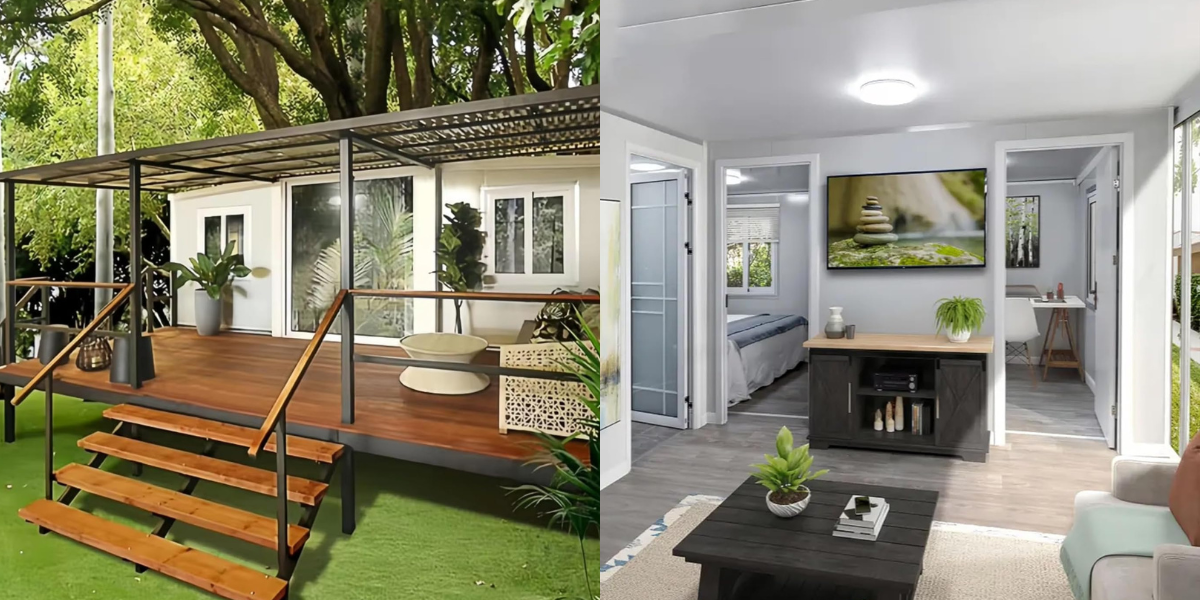
An Amazon tiny home with a porch has a particular kind of magic. It suggests coffee before emails, rainstorms without getting wet, bare feet on wood planks, and a place to wave at neighbors without inviting them inside to see the laundry mountain. Whether you imagine it as a backyard guest suite, a weekend cabin, a garden office, a rental retreat, or a compact full-time home, the porch is what turns a small structure into a lifestyle scene.
But before you picture yourself sipping lemonade while a bluebird lands dramatically on the railing, it helps to understand what these online tiny-home listings actually offerand what they do not.
Why This Amazon Tiny Home Feels Made for Spring
Small homes can be charming, practical, and surprisingly stylish. Yet a porch gives a compact home something more valuable than square footage: breathing room.
When indoor space is limited, every extra usable inch matters. A porch becomes the place where shoes come off, muddy paws pause, plants gather, guests perch, and a quick five-minute break turns into a suspiciously long conversation about tomatoes.
That is why a tiny house porch is more than a decorative add-on. It creates an outdoor room. With a pair of chairs, a small table, soft lighting, and a few weather-friendly plants, even a modest front porch can feel like a miniature living room with better air circulation and fewer arguments about the thermostat.
A Porch Makes a Tiny Home Feel Bigger
Tiny homes work best when the design encourages you to use the area around them, not just the rooms inside them. Large windows, doors that open toward a deck or porch, and a covered entry create a visual connection between indoor and outdoor spaces.
That connection matters. A tiny home may have one main living area doing the work of a kitchen, dining room, office, reading nook, and occasional place to panic-clean before company arrives. A porch gives that main room a sidekick. It becomes the breakfast spot, the laptop zone, the sunset perch, or the place where everyone gathers when the indoor space reaches maximum human capacity.
In spring, that extra zone feels especially useful. The weather is warm enough for outdoor coffee but not yet hot enough to make a chair feel like it has been preheated in an oven. A covered porch also offers some protection from light rain and bright sun, making it more flexible than an uncovered patio.
The Covered Porch Advantage
A covered porch is the tiny-home equivalent of bringing an umbrella to a picnic: not glamorous, but suddenly everyone is grateful when the weather changes its mind.
Porch coverage can help protect seating, entry doors, and outdoor accessories from direct sun and rain. It can also create a more comfortable transition between outside and inside. Instead of opening the door directly into wind, mud, dripping jackets, or a delivery person balancing a suspiciously large box, you get a sheltered landing zone.
For spring, that means a porch can handle potted flowers, a doormat, a small bench, and a chair or two without feeling crowded. It also means you can enjoy the first drizzle of the season without standing under the roof overhang like a confused raccoon.
What Amazon Tiny Home Listings Usually Include
The phrase “tiny home on Amazon” sounds straightforward, but it can cover several very different products. Some listings are small cabin kits. Others are expandable prefab structures, portable studios, modular shells, garden rooms, or steel-frame units. Some include exterior walls, windows, doors, and a roof. Others may include a porch, deck platform, or covered entry design in the images while leaving certain details to the buyer.
In other words, do not assume that “tiny home” automatically means “fully finished house with plumbing, wiring, appliances, permits, and a cheerful welcome basket.” Sometimes it means a structure. Sometimes it means a kit. Sometimes it means a project that will introduce you to words such as footing, ledger board, and why is this crate the size of a school bus?
Common Features to Look For
When comparing an Amazon prefab tiny home with a porch, look beyond the listing photos. The prettiest image may show a fully furnished retreat surrounded by mountain views, but the actual purchase may include only the basic shell.
Focus on practical details such as:
- Overall exterior dimensions and interior floor area
- Whether the porch is included, optional, or decorative only
- Wall, roof, and floor materials
- Insulation specifications and climate suitability
- Window and door quality
- Plumbing and electrical readiness
- Foundation, anchoring, and installation requirements
- Delivery method, unloading needs, and site access
- Assembly requirements and labor costs
- Warranty coverage and return restrictions
The difference between “included porch” and “porch shown for inspiration” can be several thousand dollars, several weekends, and at least one dramatic hardware-store receipt.
The Porch Is the Real Springtime Selling Point
A tiny home can be beautifully designed, but the porch is often where the personality lives. It gives the home curb appeal, creates a welcoming entrance, and makes a compact building look less like a storage pod and more like a place where someone might bake banana bread.
Create a Coffee-and-Conversation Corner
You do not need a massive wraparound porch to create a comfortable outdoor hangout. A small porch can work beautifully with two compact chairs, a narrow side table, and an outdoor rug sized for the space.
Choose furniture that fits the actual dimensions rather than the fantasy dimensions in your head. A giant sectional may look fabulous online, but it can turn a tiny porch into an obstacle course. Smaller-scale bistro chairs, folding furniture, stackable stools, or a built-in bench can make the area feel open instead of overstuffed.
Arrange seats so people can face one another. A row of chairs staring into the yard may look charming, but it turns every conversation into a neck workout. A small angled arrangement creates a more natural gathering area.
Add Spring-Friendly Layers
Spring porch decorating works best when it feels relaxed rather than overly staged. You do not need to turn the space into a garden-center display with forty-seven wooden signs announcing that life is better on the porch. One or two thoughtful layers can do the job.
Try a washable outdoor rug, weather-resistant cushions, a lightweight throw for cool evenings, and planters with seasonal color. Herbs, trailing flowers, small evergreens, and native-friendly plants can soften the edge of the structure without swallowing the porch whole.
Lighting matters, too. Warm outdoor-rated string lights, wall lanterns, or rechargeable table lamps can make the porch feel usable after sunset. Just make sure any electrical components are appropriate for exterior use and installed safely.
Use the Porch as a Flexible Extension of the Home
The best tiny-home porch does not have one job. It has several.
On weekday mornings, it may be a quiet spot for coffee and a calendar check. At lunch, it can become a fresh-air office break. In the afternoon, it might be a place to repot seedlings. At night, it can host dinner for two, board games, or the timeless porch activity known as “watching someone else walk their dog.”
This flexibility is especially valuable in a small home. When every indoor corner has to work hard, the porch becomes a pressure-release valve for daily life.
Before You Buy: The Important Reality Check
Buying a tiny house online can be exciting, but it should never be an impulse purchase. A throw pillow? Sure. A 20-foot prefab structure? Maybe take a breath.
Before ordering, contact the seller and ask for written clarification about exactly what is included. Confirm dimensions, materials, assembly instructions, shipping arrangements, delivery timeline, warranty terms, and whether the home is designed for permanent residential use, seasonal use, storage, or another purpose.
Check Local Zoning and Permit Rules First
This step is not glamorous, but it is the step that keeps your dream porch from becoming an expensive lawn ornament.
Local zoning rules may affect whether you can place a tiny home on your land, use it as a primary residence, connect it to utilities, rent it out, or build it as an accessory dwelling unit. Requirements can vary by city, county, neighborhood, and property type.
You may need permits for the foundation, electrical work, plumbing, septic system, water connection, deck, porch, or structural installation. Some areas have minimum-size rules for dwellings. Others may have setbacks, height restrictions, utility requirements, or rules related to manufactured and modular housing.
Call your local planning department and building office before you order. Ask direct questions. “Can I put a tiny home on my property?” is useful. “Can I place a prefab unit measuring this size, connect utilities, and use it as a guest house or residence?” is much better.
Understand Foundation and Anchoring Needs
A tiny home is still a building, even when it arrives in a very impressive crate. The site needs to be level, stable, accessible, and appropriate for the structure’s intended use.
Depending on the product and your location, the home may need piers, a slab, a crawlspace foundation, ground anchors, or another approved support system. Wind, snow, rain, soil conditions, and flood risk can all affect the installation plan.
Do not treat anchoring as an optional upgrade. A porch swing is allowed to sway. Your house is not.
Plan for Delivery Before You Click “Buy Now”
Delivery is often one of the biggest variables in an online tiny-home purchase. Consider truck access, road width, turning space, overhead branches, gates, slope, unloading equipment, and the distance from the road to the final site.
A delivery truck may need more room than you expect. A rural property may need grading or a temporary access route. A backyard location may require equipment capable of lifting or moving sections into place.
Ask who is responsible for unloading, whether a forklift or crane is needed, and whether delivery fees include placement. “Free shipping” can mean very different things when the item weighs more than your car.
How to Make a Tiny Home Porch Feel High-End
Luxury does not always come from size. Sometimes it comes from having a place to sit outside with a good drink and no leaf blower running nearby.
A tiny porch can look polished with a few smart choices:
- Use one strong focal point, such as a painted front door, porch swing, or pair of statement chairs.
- Choose weather-resistant materials that can handle sun, rain, and spring mud.
- Use planters at different heights for visual depth.
- Keep walkways clear so the porch stays useful, not cluttered.
- Add storage-friendly pieces, such as a bench with a hidden compartment.
- Use outdoor cushions and rugs designed to resist moisture and fading.
- Keep the color palette simple: warm wood, soft green, cream, charcoal, blue, or terracotta all work beautifully in spring.
The goal is not to make the porch look like a catalog page. The goal is to make it feel inviting enough that you actually use it.
Who This Amazon Tiny Home Could Be Perfect For
A tiny home with a porch can make sense for several lifestyles. It may appeal to homeowners who want a backyard studio, artists who need a separate workspace, families creating a guest retreat, retirees interested in downsizing, or property owners exploring a vacation-rental setup where permitted.
It can also be appealing for people who want a compact weekend escape. A cabin-style tiny home with a porch can turn a small piece of land into a place that feels far away from the daily grind, even if it is only an hour from home.
The key is choosing the right structure for the right purpose. A seasonal garden room is different from a code-compliant permanent home. A backyard office is different from a rental unit. A porch is wonderful in all of those scenarios, but the legal, financial, and installation details may not be the same.
The Tiny-Home Porch Experience: A Spring-Day Scenario
Imagine the first genuinely warm Saturday of spring. The kind of day when the sky looks like it has been rinsed clean and every neighbor suddenly decides it is time to mow the lawn at exactly the same hour.
You step out of the tiny home and onto the porch with a mug of coffee. The house itself is compact, but the porch changes the entire feeling. Inside, everything has a designated place: the small kitchen, the compact sofa, the tidy sleeping loft, the cleverly hidden storage. Outside, the porch gives you room to stretch your legs without having to reorganize the furniture first.
A light breeze moves through the railing. A pot of rosemary catches the sun. Somewhere nearby, a bird performs an enthusiastic concert that sounds less like nature and more like it is auditioning for a very tiny musical.
You sit in one of two chairs. They are not oversized, but they are comfortable. A small table holds your coffee, your phone, and a book you have been “currently reading” for approximately eight months. The porch roof keeps the early sun from turning breakfast into a survival challenge.
By late morning, the porch becomes a project station. You bring out seed packets, a bag of potting soil, and several optimistic little plants that may or may not survive your gardening confidence. The porch floor catches the dirt. The outdoor table becomes a temporary potting bench. The house stays clean, mostly because the mess has been strategically relocated three feet away.
At lunchtime, the porch shifts again. A friend stops by, and instead of trying to squeeze two people into a tiny living area while pretending the kitchen counter is not also your desk, you sit outside. The conversation moves easily. The chairs face one another. The breeze handles the awkward pauses.
Later, a quick spring shower arrives. This is when the covered porch earns its paycheck. You do not rush indoors. You stay seated, listening to rain tap against the roof while the yard darkens and the air cools. The tiny home feels less like a small box and more like a lookout point.
By evening, string lights flick on. Dinner is simple: grilled vegetables, something cold to drink, and the satisfaction of eating outside without having to reserve a table or tip anyone. The porch is now a dining room, a lounge, and a front-row seat to the slowest show in town: sunset.
That is the real promise of a tiny home with a porch. It is not just about having less house. It is about making the space you do have work harder, feel warmer, and invite you outside more often. The porch is where the day begins quietly, gets a little messy, becomes social, survives a rain shower, and ends under a soft glow.
For spring, that may be all the luxury anyone really needs.
Note: Product specifications, pricing, shipping arrangements, utility requirements, building permits, zoning rules, porch construction details, and return terms can change. Confirm all details directly with the seller and your local planning and building authorities before purchasing or installing any tiny home.