Note: This article is an original, fully rewritten synthesis based on real gardening information from The Old Farmer’s Almanac, USDA and EPA Integrated Pest Management principles, and U.S. university extension gardening resources.
Every gardener eventually learns the same humbling truth: you are not the only one excited about your tomatoes. The moment your seedlings look lush, green, and Instagram-worthy, a tiny army of aphids, beetles, caterpillars, mites, slugs, and mystery nibblers may show up like they received a dinner invitation. That is where The Old Farmer’s Almanac’s Garden Pests Guide for gardeners becomes so useful. It does not ask you to panic, spray first, or dramatically abandon zucchini forever. Instead, it helps you identify the culprit, understand the damage, and choose a sensible control method.
Good pest control starts with a calm eye and a little detective work. A chewed leaf does not automatically mean disaster. A few insects do not mean your garden is doomed. In fact, many bugs are harmless, and some are the tiny unpaid employees keeping the bad bugs in check. The goal is not to create a sterile vegetable fortress. The goal is to grow healthy plants, protect harvests, and manage pests before they throw a block party on your bean trellis.
This guide walks through the most common garden pests, how to spot them, and how to manage them using practical, gardener-friendly methods. Think of it as a field guide with muddy boots: useful, realistic, and not above laughing at the absurdity of finding one hornworm the size of a breakfast sausage on your prized tomato plant.
Why The Old Farmer’s Almanac Garden Pest Guide Still Matters
The Old Farmer’s Almanac has long been a trusted resource for gardeners because it combines plain-language advice with seasonal awareness. Its garden pest and disease library focuses on identification first, which is exactly the right approach. You cannot fix a problem well if you do not know what caused it. A cucumber beetle, a squash bug, and a flea beetle may all seem like “small crunchy villains,” but they damage different crops and require different strategies.
The best pest guides do more than name insects. They explain what pests look like, what damage they cause, when they appear, and which control methods are worth trying. That is important because garden pest control is rarely one magic trick. It is usually a combination of observation, prevention, hand removal, barriers, beneficial insects, crop rotation, and carefully selected treatments when needed.
Start With Integrated Pest Management, Not Garden Rage
The smartest way to handle garden pests is Integrated Pest Management, often called IPM. This approach uses multiple strategies instead of relying on one heavy-handed solution. In everyday gardener language, IPM means: identify the pest, monitor the problem, use the least disruptive control first, protect beneficial insects, and only use pesticides when necessary and appropriate.
IPM is especially useful in vegetable gardens because everything is connected. If you spray broadly for one pest, you may also harm lady beetles, lacewings, bees, parasitic wasps, and other helpful creatures. Then the original pest may rebound because its natural enemies are gone. Congratulations, you have accidentally fired your garden security team.
The Basic IPM Steps for Home Gardeners
Begin by inspecting plants regularly. Look under leaves, along stems, near new growth, and at the soil line. Many pests hide where you are least likely to look, which is rude but effective. Next, identify the pest accurately. Then decide whether the damage is serious enough to act. A few holes in older leaves may be cosmetic. Seedlings being eaten overnight require faster action.
When action is needed, start with simple methods: hand-picking, pruning damaged leaves, blasting aphids with water, using floating row covers, removing weeds and plant debris, or encouraging beneficial insects. If you use any pesticide, including organic products such as insecticidal soap, neem oil, pyrethrin, or Bacillus thuringiensis, read and follow the label. “Organic” does not mean “spray it like salad dressing.”
Common Garden Pests and How to Control Them
Garden pests vary by region, weather, crop, and season, but some offenders are famous from coast to coast. Below are the usual suspects and the practical ways gardeners can keep them from turning a harvest into a buffet.
Aphids: Tiny Sap-Suckers With Big Family Plans
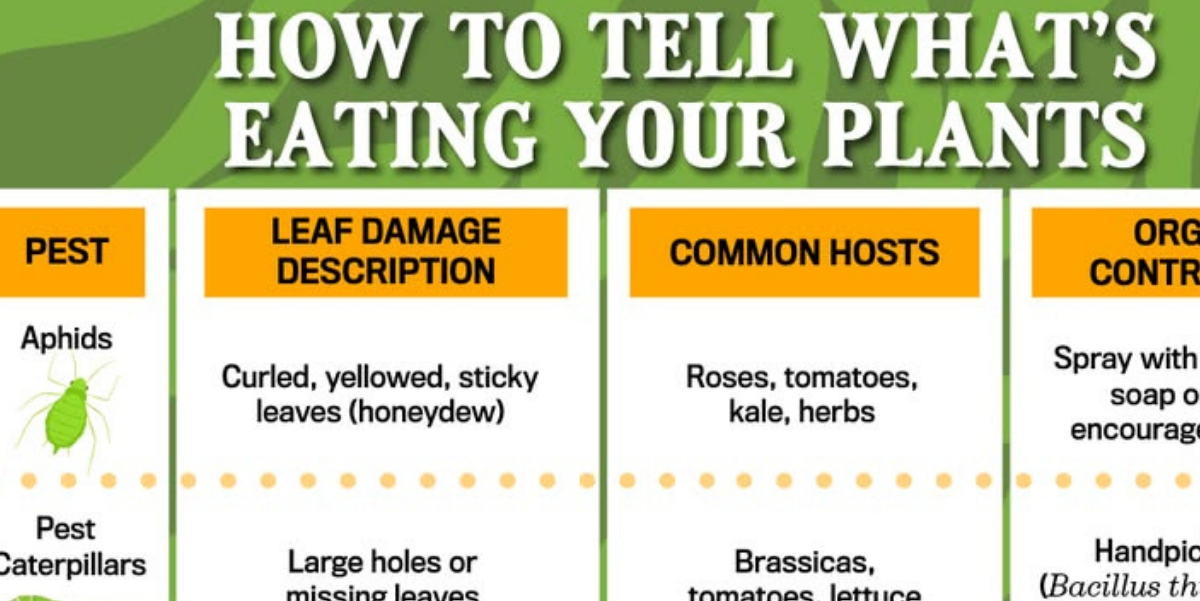
Aphids are small, soft-bodied insects that cluster on tender new growth, stems, buds, and the undersides of leaves. They may be green, black, yellow, gray, or pinkish depending on the species. Aphids feed by sucking plant sap, which can cause curled leaves, distorted growth, yellowing, sticky honeydew, and sometimes sooty mold. They can also transmit plant viruses, especially in vegetables like squash, cucumber, beans, lettuce, and tomatoes.
The good news is that aphids are relatively easy to manage when found early. A strong spray of water can knock them off plants. Lady beetles, lacewings, syrphid fly larvae, and parasitic wasps also feed on aphids. Avoid overfertilizing with nitrogen, because lush, tender growth can attract them. For heavier infestations, insecticidal soap may help if it directly contacts the insects. Spray carefully, avoid hot sunny conditions, and repeat only according to the label.
Tomato Hornworms: The Green Giants of Regret
Tomato hornworms are large green caterpillars that blend into tomato foliage with almost theatrical commitment. They chew leaves rapidly and may also damage fruit. One day your tomato plant looks majestic; the next morning it looks like a salad bar after a marching band came through.
The best control is regular inspection and hand-picking. Look for missing leaves, dark droppings, and stripped stems. If you see a hornworm covered with small white cocoons, leave it alone. Those cocoons belong to parasitic wasps, which help control future hornworm populations. For severe outbreaks, products containing Bacillus thuringiensis var. kurstaki may control young caterpillars, but hand removal is usually enough in home gardens.
Squash Bugs: The Drama Queens of Cucurbits
Squash bugs attack squash, pumpkins, and related cucurbits. Adults are brownish gray and somewhat shield-shaped, while their eggs often appear in bronze-colored clusters on the undersides of leaves. Nymphs are smaller and grayish. These pests suck sap from plants, causing yellowing, wilting, crispy leaves, and reduced production.
Control begins with vigilance. Check leaves for egg clusters and crush or remove them. Hand-pick adults and nymphs when possible. Boards placed near plants can attract squash bugs overnight; in the morning, flip the boards and dispose of the pests. Remove crop debris at the end of the season because squash bugs can overwinter in sheltered areas. Row covers can protect young plants, but they must be removed when flowering begins so pollinators can do their job.
Squash Vine Borers: The Sneaky Stem Assassins
Squash vine borers are among the most frustrating garden pests because the damage often appears suddenly. The adult is a clearwing moth that lays eggs near the base of squash plants. The larvae tunnel into stems and feed inside, causing plants to wilt even when the soil is moist.
Watch for sawdust-like frass near the base of stems. Use row covers early in the season to prevent egg-laying, but remove them when flowers need pollination. Some gardeners wrap the base of stems with foil or fabric as a physical barrier. If a plant is already infested, carefully slit the stem, remove the larva, and mound moist soil over the wound to encourage rooting. It sounds like vegetable surgery because, frankly, it is.
Cucumber Beetles: Small Beetles, Big Problems
Striped and spotted cucumber beetles feed on cucumbers, melons, squash, pumpkins, and other cucurbits. They chew leaves, flowers, and stems, and striped cucumber beetles can spread bacterial wilt. Seedlings are especially vulnerable because a small plant does not have many spare leaves to lose.
Use floating row covers at planting and remove them once flowering begins. Rotate cucurbit crops from year to year. Clean up weeds and old vines that can shelter pests. Some gardeners use Blue Hubbard squash as a trap crop because it is highly attractive to cucumber beetles and squash bugs. When using trap crops, monitor them closely so they do not become a pest hotel with free breakfast.
Flea Beetles: Tiny Jumpers That Pepper Leaves With Holes
Flea beetles are small, shiny beetles that jump when disturbed. They chew many tiny holes in leaves, creating a “shot-hole” appearance. They are especially troublesome on eggplant, potatoes, tomatoes, radishes, cabbage, turnips, and other young crops.
Protect seedlings with row covers, keep plants healthy and well-watered, and remove weeds that can host flea beetles. Mulches may help interfere with their movement from soil to leaves. Because seedlings are most vulnerable, transplants may tolerate flea beetle pressure better than tiny direct-seeded plants. If damage is severe, use labeled treatments carefully and avoid spraying when pollinators are active.
Japanese Beetles: Shiny, Hungry, and Overconfident
Japanese beetles are metallic green and coppery brown insects that feed on many ornamentals, fruits, and vegetables. They often skeletonize leaves, leaving the veins behind. Roses, grapes, beans, fruit trees, and many landscape plants may suffer noticeable damage.
For small gardens, hand-picking is often the most effective method. Drop beetles into soapy water early in the morning when they are sluggish. Japanese beetle traps can attract more beetles than they catch if placed near valued plants, so use them carefully and far away from the garden if you use them at all. Healthy, established plants usually tolerate some feeding, but young or stressed plants may need extra protection.
Cabbage Worms and Cabbage Loopers: Brassica Bandits
Cabbage worms, cabbage loopers, and related caterpillars feed on broccoli, cabbage, cauliflower, kale, collards, and Brussels sprouts. Their damage includes ragged holes, green droppings, and caterpillars tucked into leaf folds. Finding one in your harvested broccoli is a memorable culinary event, though not one most guests request twice.
Use row covers soon after planting to prevent egg-laying by adult butterflies and moths. Inspect leaves regularly and hand-pick caterpillars. Encourage birds and beneficial insects. Bacillus thuringiensis var. kurstaki can be effective against young caterpillars when used correctly, but timing matters. Mature caterpillars are harder to control, so catch the problem early.
Colorado Potato Beetles: Potato Patch Professionals
Colorado potato beetles attack potatoes, eggplants, tomatoes, and peppers. Adults have yellowish wing covers with black stripes, and larvae are plump, reddish-orange, and hungry enough to make a potato plant nervous. They can defoliate plants quickly if left unmanaged.
Rotate crops so potatoes and related plants are not grown in the same spot year after year. Hand-pick adults, larvae, and yellow-orange egg clusters from the undersides of leaves. Straw mulch may help reduce beetle movement and support beneficial insects. Because this pest has a history of developing resistance, repeated use of the same pesticide is a poor long-term strategy. Rotate methods and emphasize prevention.
Spider Mites: Almost Invisible, Definitely Annoying
Spider mites are tiny arachnids that thrive in hot, dry conditions. They cause stippled, speckled leaves and fine webbing on heavily infested plants. Tomatoes, beans, cucumbers, eggplants, and many ornamentals can be affected.
Reduce plant stress with consistent watering and avoid dusty conditions. A firm spray of water can knock mites from leaves and raise humidity around plants. Insecticidal soap or horticultural oil may help if applied thoroughly to leaf undersides. Avoid broad-spectrum insecticides that kill predatory mites and insects, because that can make spider mite problems worse.
Slugs and Snails: Night Shift Leaf Criminals
Slugs and snails chew irregular holes in leaves and leave shiny slime trails, which is their rude little signature. They are most active in damp, shady areas and often feed at night. Lettuce, hostas, strawberries, young beans, and tender seedlings are common targets.
Reduce hiding places by clearing excess debris, boards, and dense weeds. Water in the morning so the surface dries before night. Trap slugs under boards, citrus rinds, or damp newspaper, then remove them in the morning. Iron phosphate baits can be useful when used according to the label. Beer traps may catch some slugs, though they are also a tragic reminder that even pests enjoy happy hour.
Prevention Is Easier Than Rescue
The best garden pest control often happens before pests become obvious. Strong plants tolerate damage better than stressed plants. Choose the right plant for the right location, improve soil with compost, water deeply and consistently, and give plants enough spacing for airflow. Crowded plants are harder to inspect and easier for pests and diseases to exploit.
Rotate Crops Each Year
Crop rotation disrupts pest life cycles. If squash bugs, cucumber beetles, or Colorado potato beetles overwinter near last year’s crop, planting the same crop in the same place gives them a convenient breakfast table. Move crop families around the garden when space allows. Tomatoes, peppers, eggplants, and potatoes are related, so rotate them as a group. Cucumbers, squash, melons, and pumpkins are another group.
Use Row Covers Wisely
Floating row covers are lightweight fabrics that protect plants from insects while allowing light and water through. They are excellent for young brassicas, cucurbits, radishes, and eggplants. The trick is timing. Install covers before pests arrive, secure the edges, and remove covers from crops that need pollination once flowers appear. Otherwise, you may protect the plant so well that bees cannot reach it, and your harvest will be more theoretical than edible.
Invite Beneficial Insects
Beneficial insects need food, shelter, and a reason to stay. Planting flowers such as dill, fennel, alyssum, yarrow, calendula, cosmos, marigolds, and native flowering plants can support predators and parasitoids. Lady beetles, lacewings, syrphid flies, ground beetles, spiders, assassin bugs, and parasitic wasps all help reduce pest populations. A garden with only one crop is a buffet for pests; a diverse garden is more like a balanced neighborhood with security cameras.
When to Use Organic or Chemical Controls
Sometimes physical and cultural controls are not enough. That is when gardeners may consider organic or synthetic pesticide options. The key is to choose the right product for the right pest and use it at the right time. Insecticidal soap works mainly on soft-bodied insects like aphids and whiteflies. Bacillus thuringiensis targets certain caterpillars. Neem oil can affect immature insects and some fungal issues but must be used carefully to avoid harming pollinators and beneficial insects. Horticultural oils can smother mites, scale, and some insect eggs.
Always read the label. The label tells you which plants the product can be used on, which pests it controls, how much to apply, when to apply it, and how long to wait before harvesting edible crops. Spray in the evening or early morning when pollinators are less active, and never spray open flowers unless the label specifically allows it and the situation truly requires it.
Animal Pests Count Too
Not every garden pest has six legs. Deer, rabbits, groundhogs, squirrels, birds, voles, and raccoons can also cause chaos. Deer may browse beans, hostas, sweet potato vines, and tender shoots. Rabbits often clip seedlings cleanly near ground level. Groundhogs can eat with the confidence of a diner who knows the owner.
Fencing is usually the most reliable control for animal pests. Deer fencing must be tall, while rabbit fencing should be buried slightly or secured at the bottom. Hardware cloth can protect raised beds and young trees. Netting may protect berries, though it should be installed tightly and checked often to avoid trapping birds or wildlife. Repellents can help temporarily, but they usually need reapplication after rain and work best before animals develop a habit.
A Seasonal Garden Pest Checklist
Spring
Inspect seedlings for cutworms, flea beetles, aphids, cabbage worms, and slugs. Use collars around young transplants if cutworms are a problem. Install row covers early. Remove weeds around beds because they can shelter pests. Keep seedlings growing vigorously with proper watering and soil preparation.
Summer
Watch for squash bugs, squash vine borers, cucumber beetles, Japanese beetles, hornworms, spider mites, and stink bugs. Inspect plants at least twice a week. Harvest ripe produce promptly. Remove badly infested leaves when appropriate. Keep flowers blooming nearby to support beneficial insects during peak pest season.
Fall
Clean up diseased or heavily infested plant debris. Compost only healthy material unless your compost pile gets hot enough to kill pests and diseases. Remove dropped fruit, old vines, and weeds. Make notes about what pests appeared, which crops suffered, and where problems were worst. Future-you will appreciate the notes, even if present-you writes them with dirt on your elbow.
Common Mistakes Gardeners Make With Pest Control
The first mistake is treating before identifying. Spraying “something” on “some bug” is not a strategy; it is a garden-themed guessing game. The second mistake is waiting too long. Small pest problems are usually easier to manage than large ones. The third mistake is killing beneficial insects by accident. Learn what lady beetle larvae, lacewing eggs, syrphid fly larvae, and parasitic wasp cocoons look like before declaring everything suspicious.
Another common mistake is ignoring plant health. Stressed plants attract more trouble and recover more slowly. Poor watering, compacted soil, crowding, and nutrient imbalance can make pest damage worse. Finally, many gardeners forget to review what happened each season. A simple notebook can reveal patterns: flea beetles on eggplant in May, squash bugs in July, deer whenever the fence gate is left open by “someone” who may or may not be you.
Real Gardening Experience: Lessons From the Pest Patrol
One of the most useful experiences a gardener can have is losing a small battle with pests and learning from it. The first time aphids appear on pepper plants, they may look harmless, almost cute if you squint and temporarily ignore reality. A few days later, the new leaves curl, the stems feel sticky, and ants begin farming the aphids like tiny livestock managers. The lesson arrives quickly: check early, check often, and do not underestimate anything that reproduces faster than your weekend plans.
In a practical home garden, pest control becomes part of the routine rather than a separate emergency. A morning walk with coffee can double as inspection time. Look under squash leaves for eggs. Check tomato stems for missing foliage. Flip a few leaves on kale and broccoli. Search for slug trails around lettuce. This habit takes only minutes, but it can save weeks of frustration. The garden rarely collapses all at once; it usually whispers first. The wise gardener listens before the whisper becomes a horror movie soundtrack.
Another hard-earned lesson is that hand-picking pests is strangely satisfying. Dropping Japanese beetles into soapy water at dawn may not sound glamorous, but neither does losing grape leaves to a shiny beetle convention. Removing hornworms by hand can be shocking the first time because they are enormous, soft, and somehow both impressive and offensive. But once you learn to spot their droppings and stripped stems, finding them becomes a weird garden treasure hunt. A gross treasure hunt, yes, but still useful.
Row covers are another experience-based favorite. They are not fancy, and they will not make your garden look like a lifestyle magazine spread. In fact, your beds may look like they are tucked under lightweight laundry. But row covers can make the difference between healthy brassicas and cabbage leaves redesigned by caterpillars. The key is to install them before pests arrive and seal the edges well. A row cover with open sides is basically a VIP entrance for insects.
Companion planting and beneficial insect habitat also prove their value over time. A border of flowers near the vegetable garden is not just decorative. It attracts pollinators and predators, keeps the space lively, and creates a more balanced ecosystem. Sweet alyssum, dill, calendula, marigolds, and native flowers can bring in tiny wasps, hoverflies, lacewings, and bees. The garden feels less like a battlefield and more like a small community where not every insect is trying to ruin your lunch.
Perhaps the biggest lesson is restraint. New gardeners often want instant action, preferably from a bottle with bold lettering. Experienced gardeners learn that not every bug requires a response. A few chewed leaves are normal. A few aphids may soon become lady beetle food. A caterpillar on a sacrificial plant may be feeding tomorrow’s butterfly. The best pest management is not about destroying every living thing that moves. It is about protecting the harvest while keeping the garden alive, diverse, and resilient.
That is why The Old Farmer’s Almanac’s Garden Pests Guide for gardeners remains so helpful. It encourages observation, identification, and practical action. It gives gardeners a way to respond without panic. And it reminds us that gardening has always involved negotiation with nature. Sometimes you win the tomato. Sometimes the hornworm gets a leaf. With good timing, smart prevention, and a sense of humor, you can make sure you get the better end of the deal.
Conclusion
Garden pests are part of gardening, but they do not have to control the season. With careful inspection, accurate identification, healthy soil, crop rotation, row covers, beneficial insects, and targeted treatments when necessary, gardeners can manage pests without turning the backyard into a chemical war zone. The Old Farmer’s Almanac approach works because it begins with knowledge. Once you know what is eating your plants, when it appears, and how it behaves, you can respond with confidence instead of panic.
A thriving garden is not pest-free. It is balanced, watched, and cared for. The leaves may not be perfect, but the harvest can still be delicious. And if you ever find yourself arguing with a squash bug before breakfast, congratulations: you are officially a gardener.