For decades, public conversations about weight have behaved like a badly programmed GPS: loud, overly confident, and determined to send everyone down the same road. “Lose weight” is often treated as a universal health instruction, while eating disorders are still imagined as illnesses that only affect visibly thin people.
Real life is far more complicated. Obesity and eating disorders can overlap, coexist, influence each other, or be mistaken for one another. A person in a larger body may struggle with binge eating disorder, bulimia nervosa, restrictive eating, compulsive exercise, purging, or atypical anorexia. Another person may be managing obesity-related health concerns while also trying to recover from years of shame, dieting, food rules, and body criticism.
This intersection matters because size alone cannot diagnose health, wellness, or an eating disorder. Bodies do not come with warning labels printed on their sleeves. To support people well, doctors, families, schools, employers, and friends need to look beyond the number on a scale and pay attention to behaviors, emotions, physical symptoms, and quality of life.
Why Obesity and Eating Disorders Are Often Misunderstood
Obesity is generally recognized as a chronic health condition associated with excess body fat and increased risk for concerns such as type 2 diabetes, high blood pressure, cardiovascular disease, sleep apnea, fatty liver disease, and joint problems. However, body weight is influenced by much more than food choices. Genetics, medications, hormones, sleep, stress, health conditions, income, trauma, access to nutritious food, work schedules, and the built environment can all play a role.
Eating disorders are serious mental and physical health conditions involving harmful patterns of eating, body image distress, obsessive food thoughts, loss of control, restriction, purging, compulsive exercise, or other behaviors that interfere with daily life. They are not lifestyle choices, personality flaws, or evidence that someone simply needs more discipline.
The problem starts when society treats body size as a shortcut for diagnosis. Someone in a thin body may be praised for restrictive eating. Someone in a larger body may be congratulated for rapid weight loss even when that loss is driven by starvation, vomiting, laxative misuse, or overexercise. In both cases, the applause can accidentally reward illness.
Eating Disorders Can Affect People at Any Weight
A persistent myth says that a person must look underweight to have an eating disorder. That myth is not only wrong; it can be dangerous. Eating disorders affect people across body sizes, genders, ages, races, cultures, income levels, and physical abilities.
People in larger bodies may be overlooked because their symptoms are misread as “diet success,” “lack of willpower,” or ordinary concerns about weight. This can delay treatment, worsen medical complications, and reinforce shame. A person can have normal lab results, a higher body weight, or even a diagnosis of obesity while still experiencing serious malnutrition, electrolyte problems, heart complications, depression, anxiety, or trauma-related eating patterns.
Binge Eating Disorder
Binge eating disorder is one of the most common eating disorders in the United States. It involves recurrent episodes of eating an unusually large amount of food in a short period while feeling unable to stop or control the eating. The key issue is not merely eating a big holiday meal or polishing off too much pizza during a movie marathon. It is the repeated experience of loss of control, distress, secrecy, shame, and feeling trapped in a cycle.
Many people with binge eating disorder live in larger bodies, but not everyone with obesity has binge eating disorder. Likewise, not everyone who binge eats has obesity. The relationship is complicated, and treating every higher-weight person as though binge eating is automatically involved can be just as harmful as ignoring binge eating entirely.
Bulimia Nervosa
Bulimia nervosa involves binge eating followed by behaviors intended to prevent weight gain, such as vomiting, misuse of laxatives or diuretics, fasting, or excessive exercise. People with bulimia may be underweight, average weight, or higher weight. Because many do not “look sick” to outsiders, they may struggle silently for years.
The physical effects can be serious, including dehydration, electrolyte imbalances, digestive problems, dental erosion, throat irritation, irregular heart rhythms, and dangerous cardiac complications. Bulimia is not a vanity issue. It is a medical and mental health condition that deserves professional treatment.
Atypical Anorexia and Restrictive Eating in Larger Bodies
Some people develop severe restrictive eating patterns but remain in a body size that others consider average or large. Clinicians may describe this as atypical anorexia nervosa, often diagnosed under other specified feeding or eating disorder. The word “atypical” can be misleading because the suffering and medical risk are very real.
A person may lose a substantial amount of weight quickly, skip meals, avoid entire food groups, exercise compulsively, panic around eating, and still be told they are “doing great” because their body has not become visibly underweight. That is like congratulating someone for driving a car with smoke pouring from the engine because the paint still looks shiny.
The Dieting and Binge Eating Cycle
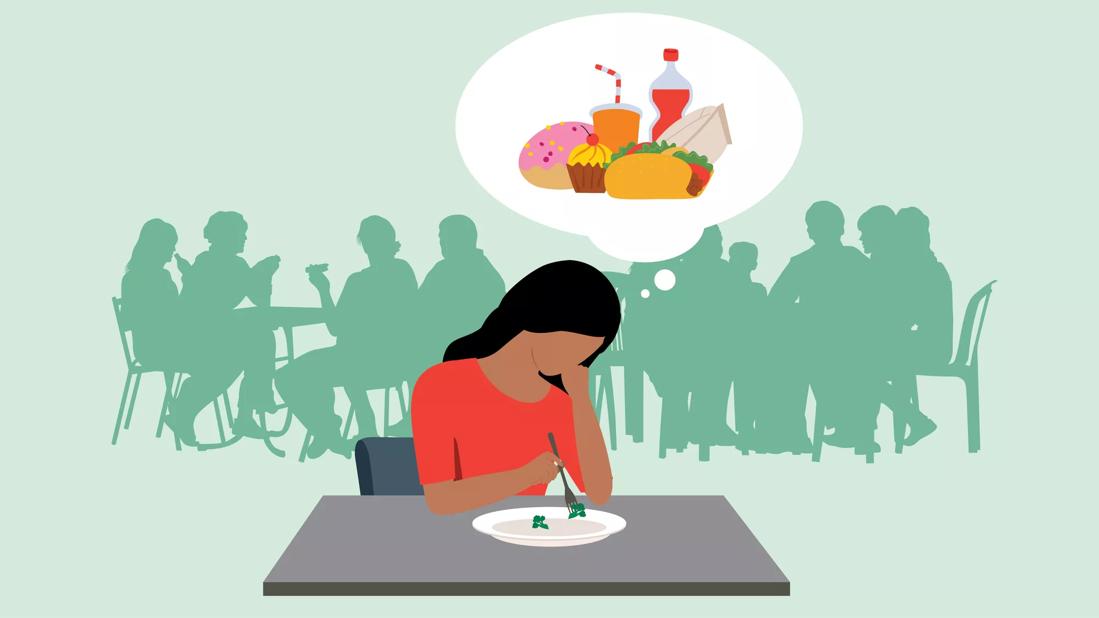
Diet culture often promotes the idea that strict food rules are the gateway to health, confidence, and a better life. In reality, rigid dieting can create a cycle that is emotionally exhausting and biologically difficult to sustain.
A common pattern looks like this:
- A person feels unhappy about their body or receives criticism about their weight.
- They begin strict food rules, skip meals, eliminate favorite foods, or severely cut calories.
- Hunger, stress, cravings, and food preoccupation increase.
- They eventually eat more than planned and feel out of control.
- Shame appears, followed by promises to “be good” tomorrow.
- The cycle begins again, usually with more rules and less self-trust.
This is not a character flaw. Restriction can intensify hunger, and intense hunger can make eating feel urgent. Add stress, poor sleep, loneliness, trauma, financial pressure, and a refrigerator full of foods labeled “bad,” and the brain starts acting less like a calm nutrition coach and more like a smoke alarm that will not stop beeping.
For some people, repeated dieting contributes to binge eating, compulsive food thoughts, body dissatisfaction, and emotional distress. This does not mean every attempt at weight management causes an eating disorder. It does mean that any plan involving food, exercise, weight change, or medication should be screened carefully for eating disorder symptoms and approached with compassion.
Weight Stigma Can Make Both Problems Worse
Weight stigma includes teasing, discrimination, negative assumptions, poor medical treatment, workplace bias, bullying, and social messages that equate body size with laziness, irresponsibility, or poor character. These attitudes can harm mental health and may make people avoid doctors, gyms, restaurants, social events, or even family gatherings.
For someone already struggling with food or body image, weight stigma can become fuel for an eating disorder. A child teased about their body may begin skipping meals. An adult repeatedly told to “just eat less” may hide binge episodes rather than seek support. A patient whose every symptom is blamed on weight may delay medical care because they expect another lecture instead of actual help.
Weight stigma also creates a painful double standard. A thin person who does not eat may raise concern. A larger person who does not eat may receive praise. A thin person who exercises obsessively may be seen as dedicated. A larger person doing the same may be told they are finally “taking health seriously.” Neither response is helpful when the person is suffering.
Health Is Bigger Than a Number on the Scale
Body mass index, or BMI, can be useful as one screening tool, but it does not tell the whole story. It cannot measure emotional distress, eating disorder severity, fitness, nutritional status, trauma history, muscle mass, sleep quality, food insecurity, or a person’s relationship with food.
A more complete approach looks at the full picture:
- Eating patterns and food-related anxiety
- Episodes of binge eating, purging, fasting, or compulsive exercise
- Blood pressure, blood sugar, cholesterol, sleep, and other medical markers
- Medication use and medical conditions that affect weight
- Depression, anxiety, trauma, substance use, and stress
- Access to food, safe movement, healthcare, and social support
- How a person feels physically, emotionally, and socially in everyday life
Health care should not be an either-or choice between treating obesity-related medical risks and treating an eating disorder. Both can be addressed at the same time, ideally by a coordinated team that understands the overlap.
What Compassionate, Integrated Care Looks Like
The best care does not begin with a lecture, a calorie target, or a dramatic before-and-after photo. It begins with curiosity. A skilled clinician asks what is happening beneath the number on the scale.
Screen Before Recommending Weight Loss
Before beginning a weight-loss plan, clinicians should ask about binge eating, purging, fasting, meal skipping, body image distress, obsessive exercise, and past eating disorder treatment. This is especially important for people who have experienced rapid weight changes, repeated dieting, depression, anxiety, trauma, or shame around food.
Screening is not an accusation. It is a safety check. Just as a doctor would ask about allergies before prescribing medication, they should ask about eating disorder symptoms before prescribing a restrictive food plan.
Use a Team Approach
Integrated care may include a primary care clinician, eating disorder therapist, psychiatrist, registered dietitian trained in eating disorders, endocrinologist, obesity medicine specialist, and other professionals depending on a person’s needs. The goal is not to force every person into the same plan. It is to reduce medical risks while protecting mental health and restoring a more stable relationship with food.
Evidence-based treatments may include cognitive behavioral therapy, interpersonal psychotherapy, dialectical behavior therapy, family-based treatment for adolescents, nutrition counseling, medication when appropriate, medical monitoring, and support for co-occurring depression, anxiety, trauma, or substance use.
Focus on Behaviors, Not Shame
Helpful goals might include eating regular meals, reducing binge episodes, improving sleep, managing blood sugar, finding enjoyable movement, treating depression, increasing energy, lowering blood pressure, and building coping skills. These goals are meaningful whether or not a person’s body size changes quickly.
Shame is not a treatment plan. It has never lowered anyone’s blood pressure, repaired a relationship with food, or made therapy feel safer. Compassion, on the other hand, can make it easier for people to seek care and stay engaged with it.
Warning Signs That Should Not Be Ignored
Eating disorders often hide in plain sight. A person does not need to look emaciated, dramatically ill, or “out of control” to need help. Warning signs may include:
- Frequent dieting or repeated cycles of losing and regaining weight
- Eating large amounts of food rapidly and feeling unable to stop
- Eating in secret because of shame or embarrassment
- Skipping meals, fasting, or following extremely rigid food rules
- Vomiting, using laxatives, or exercising excessively to compensate for eating
- Feeling intense guilt, fear, or panic after eating
- Obsessing over calories, body size, “clean” foods, or weigh-ins
- Avoiding social situations involving food
- Rapid weight changes or physical symptoms such as dizziness, fainting, weakness, dehydration, irregular periods, digestive problems, or heart palpitations
Anyone experiencing these symptoms should speak with a qualified healthcare or mental health professional. Early support can prevent complications and make recovery more achievable.
How Family Members and Friends Can Help
Supportive conversations can make a major difference. Instead of commenting on someone’s body, weight loss, portion size, or “good” and “bad” foods, focus on what you notice about their wellbeing.
You might say, “I’ve noticed food seems to be causing you a lot of stress lately, and I care about you,” or “You do not have to handle this alone.” Avoid trying to diagnose them, debate their body size, or turn dinner into an intervention episode worthy of reality television.
It also helps to retire casual body talk. Complimenting weight loss may seem harmless, but you do not know whether it came from illness, grief, medication side effects, food insecurity, depression, or an eating disorder. Compliments about kindness, creativity, persistence, humor, and accomplishments are much safer bets.
Experiences at the Intersection of Obesity and Eating Disorders
The following examples are composite experiences based on common themes reported in clinical care and recovery communities. They are not stories of specific individuals.
Marcus spent most of his teenage years hearing jokes about his weight. At family gatherings, relatives commented on how much food was on his plate. At school, classmates made up nicknames that he laughed along with because pretending not to care felt safer than admitting it hurt. By college, Marcus had become an expert at starting diets on Mondays. He would cut out bread, dessert, snacks, and eventually breakfast. For a few days, he felt powerful. Then the hunger and stress built until he would eat large amounts of food alone at night, usually in his car or after everyone else had gone to sleep.
Afterward, Marcus felt ashamed and promised himself he would be stricter tomorrow. He thought the problem was that he lacked discipline. It took a therapist to help him see that the cycle was not about being weak. He had been swinging between restriction and binge eating for years. Treatment focused on regular meals, coping with stress, challenging body shame, and learning that food did not need to be earned or punished.
Danielle had a different experience. She lived in a larger body and was praised when she began losing weight rapidly. Friends asked for her “secret.” Coworkers told her she looked amazing. Her doctor congratulated her before asking how she had lost the weight. No one knew that Danielle was skipping meals, exercising through injuries, and panicking whenever she ate something outside her carefully controlled list. She was exhausted, cold, dizzy, and terrified of gaining weight back.
When Danielle finally met with an eating disorder specialist, she worried that she would not be taken seriously because she was not underweight. The specialist listened to her symptoms instead of judging her appearance. That simple shift changed everything. Danielle learned that severe restriction can be medically dangerous at any body size. Her recovery did not involve giving up on her health. It involved expanding her definition of health beyond shrinking her body at all costs.
Then there was Luis, a father in his forties managing high blood pressure and prediabetes. He had tried countless weight-loss programs, many of which left him feeling hungry, embarrassed, and frustrated. During a medical appointment, he finally admitted that he often ate until uncomfortably full after stressful workdays. He expected another speech about willpower. Instead, his care team asked about sleep, anxiety, work stress, childhood food insecurity, and his history of dieting.
Luis began working with a therapist and dietitian who helped him build predictable meals, identify emotional triggers, and reduce the all-or-nothing thinking that had followed him for years. He also received medical care for his blood pressure and blood sugar. Over time, he stopped seeing his health as a battle against his body. He started seeing it as a relationship worth repairing.
These experiences highlight an important truth: people can have legitimate medical concerns related to obesity and also need protection from eating disorder harm. They can want to improve mobility, blood sugar, sleep, or energy without being shamed into starvation. They can seek treatment for binge eating without being told every meal must be perfect. They can recover from restrictive eating without being accused of “giving up.”
Recovery often begins when someone stops asking, “What is wrong with my body?” and starts asking, “What has my body and mind been trying to survive?” That question leaves room for medical care, emotional healing, dignity, and hope.
Conclusion: A Better Way to Talk About Food, Weight, and Health
The intersection of obesity and eating disorders is not a contradiction. It is a reminder that health is complex and people deserve care that sees the whole person. Eating disorders can affect people in larger bodies, obesity-related health risks can be real, and weight stigma can make both issues harder to treat.
The most effective path forward is not more shame, more rigid rules, or more assumptions based on appearance. It is earlier screening, compassionate language, evidence-based treatment, and healthcare that addresses both physical and mental health. A body is not a moral report card. It is a living system, and it deserves informed, respectful care.
Note: This article is for educational purposes and is not a substitute for medical, nutritional, or mental health advice. Anyone experiencing eating disorder symptoms, medical complications, or emotional distress should seek support from a qualified healthcare professional.