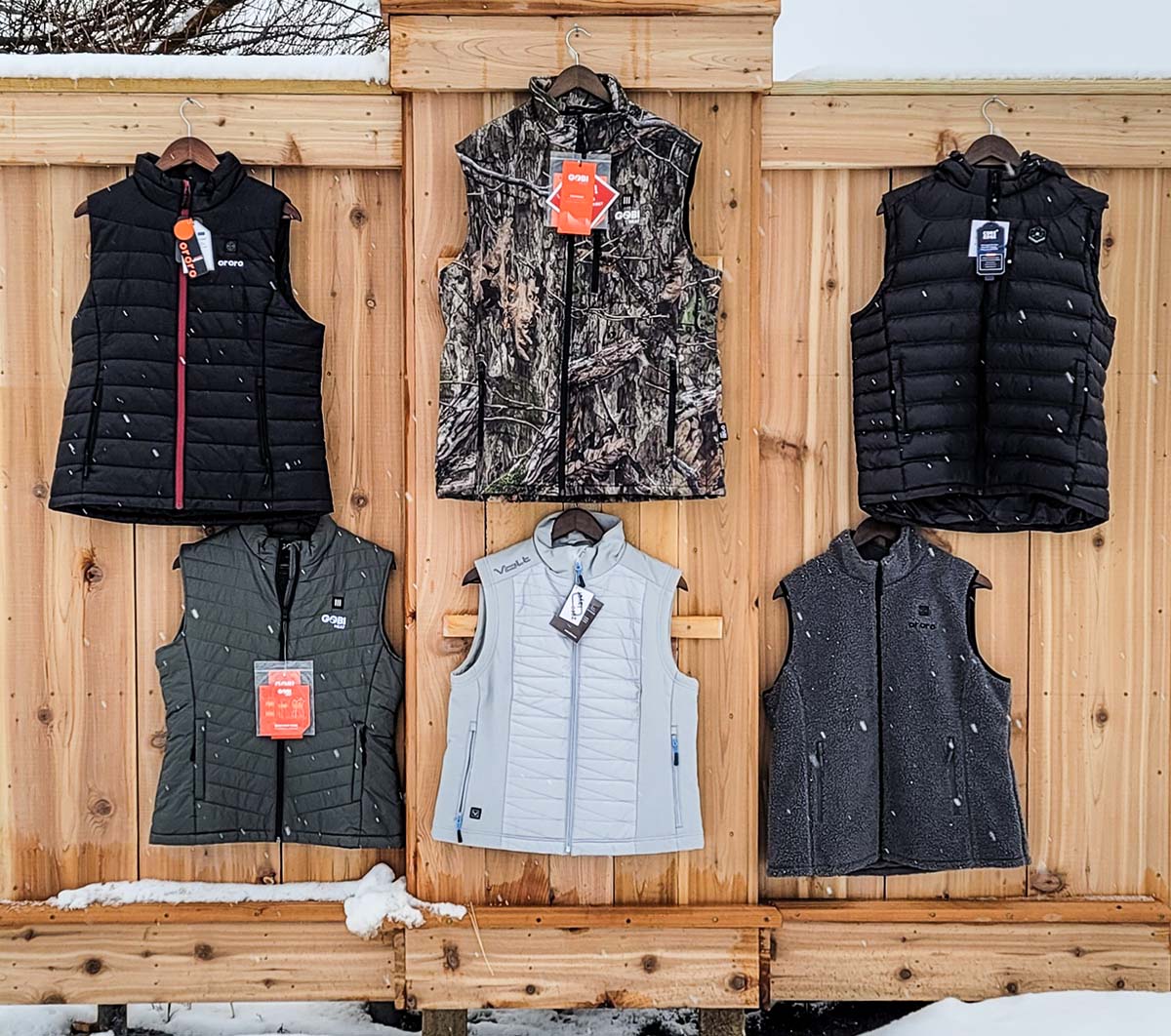
Note: This article is written for web publishing and synthesizes real hands-on heated vest testing, current buying guidance, and cold-weather gear insights from reputable U.S. product-review and safety resources.
Why Heated Vests Became the Winter Layer Everyone Suddenly Wants
Cold weather has a special talent for turning normal tasks into tiny survival missions. Walk the dog? Expedition. Rake leaves? Polar training. Stand at a youth hockey rink for 90 minutes? Congratulations, you are now a popsicle with car keys. That is why heated vests have moved from “interesting gadget” to “where has this been my whole life?” territory.
The best heated vests in 2025 combine lightweight insulation, rechargeable batteries, carbon-fiber heating panels, weather-resistant shells, and simple temperature controls. Instead of trapping you in bulky layers, they warm your core directly, helping your body feel comfortable while your arms remain free for work, hiking, hunting, commuting, tailgating, or pretending you enjoy winter yard cleanup.
Bob Vila’s heated vest testing focused on practical questions that matter in real life: Does the vest actually get warm? Is it comfortable enough to wear while bending, reaching, and moving? How long does the battery last? Does the shell block wind? Can it handle light moisture? And, most importantly, does it make cold-weather chores less miserable?
After reviewing Bob Vila’s tested picks and comparing them with other expert heated apparel guides, several names stood out: Ororo, Venustas, Gobi Heat, CoreEdge, Volt, and ActionHeat. Each has a slightly different personality. Some are built for jobsite movement, some for outdoor sports, some for women’s everyday layering, and some for people who believe “heated hood” are the two most beautiful words in the English language.
Quick Verdict: The Best Heated Vests of 2025
If you want one dependable all-around heated vest, the Ororo Men’s Lightweight Heated Vest is the strongest overall pick from Bob Vila’s testing. It offers a durable nylon shell, a heated collar, lower-front heating zones, and better-than-expected high-setting runtime. For budget-minded buyers, the Ororo Men’s Heated Fleece Vest delivers comfort and breathability at a friendlier price. For serious cozy factor, the Venustas Women’s Detachable Hood Heated Down Vest brings down insulation, fast heat, and a detachable hood. For hunters and brush-busting outdoor users, the Gobi Heat Colorado Heated Hunting Vest is the rugged standout.
Best Heated Vests Comparison
| Category | Recommended Vest | Best For | Key Strength |
|---|---|---|---|
| Best Overall | Ororo Men’s Lightweight Heated Vest | Everyday wear, outdoor work, commuting | Heated collar, durable shell, long runtime |
| Best Value | Ororo Men’s Heated Fleece Vest | Comfort-focused buyers | Breathable fleece feel and strong warmth |
| Best Recycled Fabric | Ororo Women’s Heated Recycled Fleece Vest | Eco-conscious layering | Soft recycled fleece and flattering fit |
| Best With Hood | Venustas Women’s Detachable Hood Heated Down Vest | Cold commutes, arenas, winter errands | Down insulation and quick heat |
| Best Heated Hood | CoreEdge Heated Vest With Detachable Heated Hood | Windy, snowy, ear-freezing days | Independent heating zones and hood warmth |
| Best for Sportsmen | Gobi Heat Colorado Heated Hunting Vest | Hunting, ranch work, wooded terrain | Abrasion-resistant camo exterior |
| Best Bluetooth | Volt Women’s Heated Vest With Bluetooth | Layering under coats | Phone-based heat control |
| Best Low-Profile | ActionHeat Adult 5V Heated Vest Liner | Active work and travel | Thin, flexible, easy to layer |
How Heated Vests Work
Most heated vests use thin heating elements built into key zones such as the chest, back, collar, abdomen, or pockets. These panels are usually powered by a rechargeable lithium-ion battery or lithium-polymer battery. Press a button, choose a heat level, and the vest sends gentle warmth to your core. It is like having a tiny fireplace under your jacket, minus the smoke, sparks, and awkward conversations with the fire department.
Most models offer three heat settings: low, medium, and high. High is useful when you first step into the cold, but it drains the battery faster. Low and medium settings usually provide the best balance for long wear. In real-world use, buyers should expect battery life to vary based on temperature, wind, layering, and how often the vest is set to high.
Best Overall: Ororo Men’s Lightweight Heated Vest
The Ororo Men’s Lightweight Heated Vest earned Bob Vila’s best overall spot because it checks the boxes that matter most: reliable warmth, durable construction, wind-blocking comfort, and an excellent heated collar. The vest has four heating panels: one on each lower front side, one in the mid-back, and one in the collar. That collar panel is a small luxury that feels wildly important once icy wind starts sneaking around your neck like it pays rent there.
Bob Vila’s testing found that the vest produced heat for about six hours on high, which exceeded the manufacturer’s high-setting claim. It uses a rechargeable 7.4-volt battery and offers three temperature settings. The nylon shell helps block cold wind, and the construction felt well made, with strong seams and durable material. The main downside was battery-pocket placement, which some wearers may feel near the hip.
Who Should Buy It?
This is the best heated vest for men who want one dependable piece for outdoor chores, winter commuting, walking the dog, or layering under a heavier coat. It is also a smart pick for anyone new to heated clothing because the controls are simple and the heat zones are practical.
Best Bang for the Buck: Ororo Men’s Heated Fleece Vest
The Ororo Men’s Heated Fleece Vest is a good reminder that “budget-friendly” does not have to mean “mysterious plastic rectangle from the internet.” Bob Vila praised it for comfort, breathability, fleece-lined pockets, and a high zip-up neck that helps block cold air. It has three heat zones: right chest, left chest, and mid-back.
Unlike nylon-shell vests, this fleece option breathes better, making it more comfortable during active use. That is helpful if you are working outside, moving firewood, taking a brisk walk, or doing anything that makes you warm up naturally. The trade-off is wind resistance. Fleece does not block icy gusts as well as a nylon shell, so this vest shines under a jacket or during moderately cold conditions rather than brutal wind.
Best Use Case
Choose this vest if you want heated comfort without spending top dollar. It is especially good for cool garages, fall yard work, light winter errands, and active outdoor tasks where sweat buildup can become annoying.
Best Recycled Fabric: Ororo Women’s Heated Recycled Fleece Vest
The Ororo Women’s Heated Recycled Fleece Vest stands out for buyers who want warmth with a lighter environmental footprint. Its fleece shell is made from recycled plastic bottles, yet it still feels soft and comfortable. Bob Vila’s testers liked the flattering fit, with a tapered waist and roomier hip area, plus a heated collar that helps reduce that unpleasant “cold wind down the back of the neck” feeling.
This vest includes four heating panels: two lower-front abdomen zones, one mid-back zone, and one collar zone. It is not windproof, so it works best as a mid-layer beneath a coat or as a standalone piece in mild cold. The only major wish-list item was upper-front chest heating, which would have made the vest feel warmer across the torso.
Best With Hood: Venustas Women’s Detachable Hood Heated Down Vest
The Venustas Women’s Detachable Hood Heated Down Vest is the cozy champion for people who want warmth even before the power button enters the conversation. Filled with 90 percent white duck down and lined with reflective material, it provides strong passive insulation. When activated, the vest warms quickly, and the detachable hood adds useful protection for cold commutes, dog walks, bleacher sitting, and indoor ice rinks where the air feels personally offended by your body temperature.
Bob Vila’s testers wore this vest outside in temperatures in the high 20s and low 30s Fahrenheit, as well as inside a hockey rink. The vest performed well, especially at low and medium settings. The heated pockets were appreciated, although they may get too warm for storing a phone. One caution from testing: the battery pack overheated when charged with the included wall adapter, though charging through USB did not repeat the issue. That detail is a good reminder to follow charging instructions carefully and stop using any heated apparel battery that behaves strangely.
Best Heated Hood: CoreEdge Heated Vest With Detachable Heated Hood
The CoreEdge Heated Vest With Detachable Heated Hood is for people who believe cold ears should be illegal. Its heated hood includes panels over the ears, and the vest lets users choose which zones to run. You can heat the hood, collar, shoulders, front abdomen, back panel, or all zones together. That flexibility makes it one of the most customizable heated vests in Bob Vila’s lineup.
The learning curve is slightly steeper because there are multiple buttons and zone combinations. However, once mastered, the control system gives you more precision than basic one-button vests. The nylon shell is wind- and water-resistant, and the lightweight design can work over a sweater or under a roomy coat.
Best for Sportsmen: Gobi Heat Colorado Men’s Heated Hunting Vest
The Gobi Heat Colorado Men’s Heated Hunting Vest is built for outdoor users who need durability as much as warmth. Its abrasion-resistant camo exterior can handle brush, branches, and rugged conditions better than fashion-first heated vests. It has three heat panels: two in the chest and one in the back.
In Bob Vila’s testing, the vest produced heat for just over four hours on high and up to about 10 hours on low. The fit is slightly roomy, which helps with layering, and the longer length adds coverage. It does not have a hood and has fewer heating panels than some competitors, but it makes sense for hunters, landowners, ranch work, and anyone who spends time moving through wooded terrain.
Best Bluetooth: Volt Women’s Heated Vest With Bluetooth
The Volt Women’s Heated Vest With Bluetooth solves a common heated vest problem: once you layer a coat over it, the control button becomes harder to reach. With Bluetooth app control, users can adjust heat settings from a phone without unzipping outerwear or removing gloves. That sounds like a small convenience until you are standing in 28-degree weather trying to find a button under three layers and questioning every choice that brought you outdoors.
This vest has four heating panels, including two chest panels and two back panels. Bob Vila’s testers liked the tapered fit, stretchy side panels, and broad back warmth. The main drawback was thin pocket lining, which made the pockets less useful for warming hands.
Most Versatile: Ororo Women’s Classic Heated Vest
The Ororo Women’s Classic Heated Vest is a lightweight, packable, stylish option that works for travel, errands, cold arenas, and layering under a winter coat. It heats in less than 10 seconds and includes four heating zones. The high neck and heated collar are standout comfort features, especially when the vest is worn without a scarf.
Bob Vila’s testing included outdoor use in low-to-mid 30s Fahrenheit temperatures and a cold hockey arena test. The vest performed well during movement and offered enough warmth to remain comfortable with minimal layering. The colorful zipper also gives it more personality than the standard “black rectangle with battery” aesthetic found in many heated vests.
Best Low-Profile Vest: ActionHeat Adult 5V Heated Vest Liner
The ActionHeat Adult 5V Heated Vest Liner is not trying to be a standalone winter vest. It is designed as a thin heated layer under regular clothing. That makes it ideal for active users who need mobility, such as DIYers, outdoor workers, travelers, or anyone who wants warmth without changing their entire outfit.
It has three heating panels and a slim 5-volt battery. It heats quickly and distributes warmth effectively, but the battery runtime is shorter than many heavier vests, and it lacks insulation. Think of it as a heat-boosting base layer rather than a full cold-weather solution.
What to Look for When Buying a Heated Vest
Heating Zones
The best heated vests place warmth where it matters: chest, back, collar, and sometimes pockets or hood. A heated collar is especially useful because warming the neck can make the whole body feel more comfortable. Heated pockets are nice for hands, but avoid putting temperature-sensitive items like phones directly into very warm pockets for long periods.
Battery Life
Battery life depends heavily on the heat setting. High gives quick warmth but drains faster. Low can often last two to three times longer. For all-day use, consider buying a spare battery from the same brand. Do not mix random batteries unless the manufacturer says they are compatible.
Fit and Layering
A heated vest should fit close enough for warmth to reach your body but not so tight that it restricts movement. If it floats away from your torso like a ceremonial cape, the heat will not transfer as efficiently. For layering under a jacket, choose a slim or low-profile vest. For wearing as an outer layer, pick a wind-resistant shell or insulated puffer design.
Material
Nylon and polyester shells tend to block wind and light moisture better than fleece. Fleece feels cozy and breathable but is not ideal in sharp wind unless layered under a shell. Down-filled heated vests offer excellent insulation, while vest liners are best for active movement and low-bulk warmth.
Controls
Simple one-button controls are easy and reliable. Bluetooth controls are convenient when the vest is worn under a coat, but they add app dependency. Multi-zone controls are excellent for fine-tuning warmth, although they can take a few uses to learn.
Are Heated Vests Safe?
Quality heated vests are generally safe when used properly. Look for reputable brands, clear care instructions, compatible batteries, automatic shutoff features, and well-protected wiring. Remove the battery before washing. Do not wear a heated vest if the interior lining is wet. Do not use damaged batteries, frayed wiring, scorched fabric, or chargers that cause overheating.
Lithium-ion batteries require sensible handling. Charge them on a hard surface, unplug them when full, keep them away from extreme heat, and store them properly during the off-season. If you travel by air, heated clothing is usually allowed, but lithium batteries should be packed according to TSA and airline rules, typically in carry-on luggage. Always check your airline’s current battery policy before flying.
Heated Vest vs. Heated Jacket: Which Is Better?
A heated vest is best when you want core warmth and arm mobility. It is easier to layer, lighter to pack, and less restrictive than a jacket. It is ideal for outdoor work, commuting, hiking, hunting, and errands. A heated jacket is better for severe cold, long stationary exposure, or people who need arm warmth too. In short: heated vest for flexibility, heated jacket for full-coverage warmth.
Our Buying Advice
For most people, the best heated vest is not the one with the most panels, the biggest battery, or the flashiest button. It is the one you will actually wear. If you work outdoors, prioritize durability and wind resistance. If you commute, choose a stylish, lightweight vest that layers easily. If you sit at sports events, look for down fill, a heated collar, and long runtime. If you hunt, focus on quiet fabric, camo patterns, rugged construction, and battery life.
Also, be honest about your cold tolerance. Some people need high heat in 40-degree weather. Others wear shorts in November and claim they are “fine,” while everyone else calls for help. Heated vests are adjustable, but choosing the right insulation level makes a big difference.
Final Verdict
The Ororo Men’s Lightweight Heated Vest is the best overall heated vest in Bob Vila’s 2025 testing because it offers the right balance of warmth, comfort, durability, and battery performance. The heated collar and wind-blocking nylon shell make it especially practical for everyday winter use. The Ororo Men’s Heated Fleece Vest is the best value for buyers who want breathable comfort, while the Venustas Women’s Detachable Hood Heated Down Vest is a cozy choice for cold commutes, hockey rinks, and outdoor errands. The Gobi Heat Colorado is the rugged pick for hunters and sportsmen, and the Volt Bluetooth Heated Vest is the smartest choice for tech-friendly layering.
The biggest lesson from the 2025 heated vest category is simple: warmth is personal. The right vest depends on how cold your climate gets, how active you are, and whether you need wind protection, packability, long battery life, or maximum cozy power. Buy for your real winter life, not your fantasy winter life where you gracefully snowshoe through alpine forests while looking like a catalog model. Most of us are just trying to take out the trash without our shoulders touching our ears.
Extra Experience Section: Living With a Heated Vest in Real Winter Conditions
Using a heated vest day after day changes how you think about winter clothing. At first, the novelty is the heat itself. You press a button, the collar warms up, and suddenly your brain says, “Ah yes, civilization.” But after a few uses, the real benefit becomes less dramatic and more practical: you can wear fewer bulky layers, move more freely, and stay outside longer without constantly thinking about being cold.
For outdoor chores, a heated vest is especially useful because it warms the core while leaving the arms free. When stacking firewood, shoveling a short walkway, cleaning gutters, hauling tools, or raking late-season leaves, a full insulated jacket can make you overheat quickly. A heated vest gives you a more adjustable system. Start on high for the first few minutes, switch to medium once you are moving, then drop to low as your body warms up. This rhythm keeps you comfortable instead of bouncing between freezing and sweaty, which is winter’s least charming magic trick.
For commuting, the biggest advantage is consistency. A regular vest may feel fine during the walk to the car but useless while waiting at a train platform or scraping frost from the windshield. A heated vest helps during those awkward in-between moments when you are not active enough to generate body heat but not outside long enough to justify dressing like an Arctic researcher. Lightweight models from Ororo and Volt are particularly practical because they can pass as normal outerwear and do not scream, “I am wearing a battery-powered survival garment.”
At outdoor sports events and cold indoor arenas, heated vests can feel almost unfair. Sitting still is where cold wins. Your body is not moving, metal bleachers steal warmth, and the wind somehow finds every gap in your clothing. A vest with a heated collar or down insulation can make the difference between enjoying the game and silently counting the minutes until hot chocolate. Venustas-style down vests and Ororo’s classic women’s vest are strong examples of this comfort-first category.
For hunting, camping, and early-morning fishing, battery management matters more. A vest that feels perfect for a 45-minute dog walk may not be enough for five hours in a blind. In those situations, low heat, proper layering, and a spare battery are the winning combination. Rugged models like Gobi Heat’s hunting vest make sense because they are built for brush, abrasion, and quiet outdoor use. A shiny city puffer can keep you warm, but it may not appreciate crawling through underbrush. Fashion has limits; briars do not care.
One underrated experience is learning where the battery sits. Some vests place the battery in an inside pocket near the ribs or hip, and depending on body shape and activity, that can become noticeable. Before committing to a vest, consider how you sit, bend, drive, and move. A battery that feels fine while standing may poke annoyingly during a long car ride. Slimmer batteries are more comfortable, but larger batteries usually provide longer runtime. As always, winter gear demands negotiation.
Care is also part of the ownership experience. Heated vests are not difficult to maintain, but they do require attention. Remove the battery before washing, use the recommended cycle, avoid harsh drying unless the manufacturer allows it, and inspect wires and ports occasionally. Store the battery separately during the off-season, and do not toss the vest under a pile of heavy gear where heating elements may be bent or stressed.
The best heated vest becomes the piece you grab automatically. It is not just for dramatic cold snaps. It is for chilly garages, porch coffee, kids’ sports, winter markets, dog walks, early jobsite starts, and those weird spring mornings when the calendar says April but the weather says “absolutely not.” Once you get used to adjustable warmth, regular vests can feel a little underemployed.
In the end, a heated vest will not replace smart layering, gloves, hats, or common sense. It will not make a blizzard pleasant, and it will not convince winter to improve its attitude. But the right heated vest can make cold days more manageable, more productive, and even a little enjoyable. And when a piece of clothing can turn “I refuse to go outside” into “Fine, I’ll walk the dog,” that is not just apparel. That is household diplomacy.