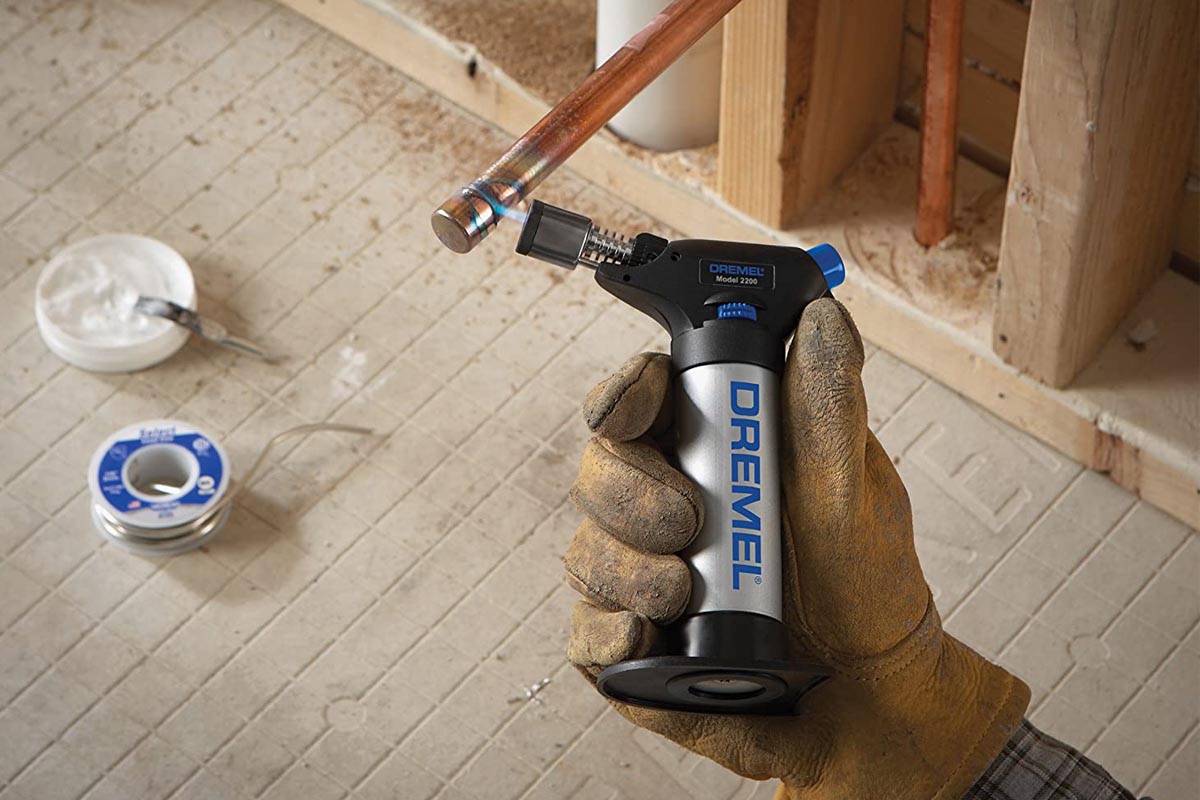
A butane torch is one of those tools that looks tiny, sounds dramatic, and quietly becomes the hero of about 19 different projects. One minute it is caramelizing sugar on a crème brûlée like a restaurant magician. The next, it is shrinking tubing, loosening a stuck bolt, soldering a small fitting, lighting a grill, or helping a DIYer add a decorative char to wood. It is basically the pocket-sized dragon of the tool draweruseful, fiery, and not something you want to wave around while distracted.
The best butane torch is not simply the one with the biggest flame. A great model balances heat, control, safety, fuel capacity, comfort, and the job you actually need it to do. A kitchen torch for toasted meringue does not need the same build as a soldering torch for workshop tasks. A jewelry maker may care about a narrow, precise flame. A home cook may want easy ignition, a steady base, and no surprise fuel leaks. A DIY enthusiast may want accessories, runtime, and a body tough enough to survive a cluttered bench.
Inspired by Bob Vila-style product evaluation, this guide breaks down the best butane torch options, what features matter, which models suit different users, and how to choose without accidentally buying a gadget that becomes a drawer fossil. Let’s light this topic carefully.
What Is a Butane Torch?
A butane torch is a handheld flame tool powered by pressurized butane gas. It creates a concentrated flame that can reach very high temperatures, often hot enough for cooking, soldering, brazing light metals, crafting, heat-shrinking, and small repair tasks. Unlike a full-size propane torch, a butane torch is usually more compact, easier to control, and friendlier for detailed work.
Most consumer butane torches fall into two broad groups: culinary torches and utility torches. Culinary torches are commonly used for crème brûlée, browning cheese, charring vegetables, toasting marshmallows, finishing sous-vide steak, or adding that dramatic “I definitely know what I’m doing” look to dinner. Utility torches are usually built for workshop use, including soldering, small plumbing work, electronics repair, jewelry making, resin projects, and heat applications.
The difference matters. A culinary torch should feel stable, clean, lightweight, and easy to aim. A workshop torch should prioritize durability, runtime, flame precision, and compatibility with tips or accessories. The wrong torch may still work, but it may make the job slower, messier, or more exciting than anyone requested.
Top Butane Torch Picks
The following picks reflect a practical mix of popular product categories, real-world use cases, and the types of features commonly praised in trusted tool and kitchen reviews. Product availability and pricing can change, but the buying logic remains the same: match the torch to the task, not to the flashiest packaging.
Best Overall: Blusky Butane Torch
The Blusky Butane Torch is often highlighted as a strong all-purpose option because it combines high heat output, a durable build, adjustable flame control, and a compact body. It is the kind of torch that makes sense for someone who wants one tool for multiple jobs rather than a separate gadget for every hobby.
Its appeal comes from versatility. It can handle culinary browning, small soldering tasks, wood-grain effects, crafting, and light workshop use. A brass nozzle and aluminum-style body give it a more rugged feel than many plastic-heavy kitchen torches. The adjustable flame helps users move from a broad, hotter flame for larger surfaces to a smaller, more controlled flame for detail work.
This is a good fit for homeowners who want a reliable “general flame tool” without stepping into full professional torch territory. It is not the only torch worth considering, but as a balance of power, size, and value, it earns its reputation.
Best Budget Pick: Kollea Butane Torch
The Kollea Butane Torch is a smart choice for users who want useful flame power without spending a premium. It is often positioned as an affordable model that still includes core features such as push-button ignition, adjustable flame intensity, and a continuous flame lock.
Budget torches can be tricky. Some feel like they were assembled during a thunderstorm. The better ones, however, deliver enough performance for kitchen use, basic crafts, and occasional light-duty repairs. Kollea fits the second group for many casual users. It is compact, easy to store, and less intimidating than a large utility torch.
The tradeoff is durability. A lower-cost torch with more plastic components may not survive heavy workshop use as well as a metal-bodied model. For occasional crème brûlée, roasted peppers, resin bubbles, or quick heat-shrink tubing, it can be an excellent value. For daily soldering, choose something tougher.
Best With Soldering Kit: Dremel VersaFlame Butane Torch
The Dremel VersaFlame is a favorite among hobbyists and DIYers because it is not just a torchit is a small heat workstation. It typically comes with accessories such as a soldering tip, flame diffuser, deflector, and storage case, depending on the kit. That makes it especially useful for people who want one tool for soldering, heat shrinking, hobby welding, crafting, and detailed repair work.
The biggest advantage is control. Instead of only offering an open flame, the VersaFlame can be adapted for different heating modes. That matters when you are soldering a small component, warming a stubborn part, or using heat on materials that should not be blasted like a campfire marshmallow.
It is also convenient for users who prefer a known tool brand. Dremel has a long reputation in rotary tools and hobby equipment, and the VersaFlame follows that same “small but capable” approach. For workshop-minded users, this may be the most practical pick on the list.
Best Kitchen Torch: Iwatani PRO2 Culinary Butane Torch
For serious cooking, the Iwatani PRO2 is a standout culinary torch. Unlike many refillable handheld models, it attaches directly to a compatible butane canister. That gives it a strong, consistent flame and a longer working time than small reservoir torches.
This design is especially useful when torching multiple servings, charring a tray of peppers, browning sous-vide steaks, or finishing a large meringue. A small refillable torch may start strong and fade quickly; the Iwatani-style canister setup keeps the performance steadier. It is also generally easy to handle once users get familiar with attaching the fuel canister.
The downside is that it is less compact than a tiny crème brûlée torch and may require specific canisters. But for home cooks who actually cooknot just people who bought ramekins during an ambitious phaseit is one of the most capable culinary choices.
Best for Crème Brûlée: Rösle Kitchen Torch
The Rösle Kitchen Torch is a polished, premium-feeling option that suits cooks who want precision, comfort, and good results on delicate desserts. Crème brûlée requires even caramelization without scorching sugar into bitter black islands. A torch with smooth flame adjustment and comfortable handling makes a noticeable difference.
Rösle’s stainless-steel design also looks at home in a serious kitchen. This may not matter when you are melting cheese at 11 p.m. in pajama pants, but build quality and ergonomics do count when a torch is used often. It is commonly praised for being easy to wield and effective for controlled browning.
It tends to cost more than basic culinary torches, so casual users may prefer a cheaper model. But if desserts, meringue, and finishing work are regular events in your kitchen, the Rösle is worth considering.
Best Beginner Kitchen Torch: Jo Chef Butane Torch
The Jo Chef Butane Torch is a friendly entry-level option for home cooks. It is compact, approachable, and usually sold with beginner-friendly features such as adjustable flame control, a safety lock, and a comfortable grip. Some kits also include butane, which is helpful because nothing ruins new-tool excitement like realizing the torch is empty and dinner is already plated.
This type of torch is best for occasional use: caramelizing sugar, browning meringue, toasting marshmallows, finishing baked Alaska, or adding color to a casserole. It is not the most powerful choice for large batches or heavy-duty work, but it is easy to control and easy to store.
For beginners, that matters more than maximum flame size. The first torch should build confidence, not make the user feel like they accidentally adopted a welding dragon.
Best Compact Utility Torch: Bernzomatic Butane Detail Torch
Bernzomatic is a familiar name in torches, and its butane detail models are practical for users who need a compact flame tool for small repairs and detail work. These torches are often used for soldering, heat-shrinking, loosening parts, and craft applications.
A detail torch should offer good ignition, a stable flame, and precise aim. Bernzomatic models often include trigger ignition and flame-lock features, which are helpful when a job takes more than a few seconds. For users who want a tool that feels more workshop-oriented than culinary, this is a sensible category to explore.
Choose this type of torch if you care more about repairs and small projects than caramelized sugar. It can still do some kitchen-style work, but its personality belongs on the bench.
How to Choose the Best Butane Torch
1. Decide Where You Will Use It Most
Before comparing temperatures and flame lengths, ask one question: where will this torch live? If the answer is “kitchen drawer,” choose a culinary torch with a comfortable grip, safety lock, stable base, and easy flame adjustment. If the answer is “garage workbench,” choose a utility torch with stronger construction, accessory tips, and longer runtime.
For mixed use, pick a multipurpose model. But remember that “multipurpose” does not mean “perfect at everything.” A compact kitchen torch can melt cheese beautifully but may be frustrating for soldering. A workshop torch can brown sugar, but it may feel oversized for delicate dessert work.
2. Look for Adjustable Flame Control
Flame adjustment is one of the most important features. A good butane torch should let users move from a small, precise flame to a stronger flame without sputtering or cutting out. This is essential for tasks like jewelry work, soldering small parts, caramelizing sugar, and browning food evenly.
A flame that is too weak makes projects slow. A flame that is too aggressive turns dinner into evidence. Adjustable control gives you options.
3. Prioritize Safety Features
Useful safety features include a child-resistant lock, flame lock, stable base, finger guard, anti-flare nozzle, and clear on/off controls. A torch should not ignite accidentally, wobble easily, or continue burning when the user thinks it is off.
Safety is especially important if the torch will be stored in a kitchen, workshop, dorm, apartment, or anywhere curious hands might find it. Butane torches are small, but they are not toys. Even a compact flame can ignite paper towels, curtains, cardboard packaging, loose sleeves, or that mysterious pile of “I’ll organize it later” stuff on the bench.
4. Consider Runtime and Fuel Capacity
Runtime matters more than many buyers expect. A small refillable torch may be fine for two crème brûlées but annoying for eight. A larger tank or canister-attached torch is better for batch cooking, repeated heating, or longer shop projects.
For occasional culinary use, a small reservoir is usually enough. For soldering, large recipes, resin work, and repeated heat applications, choose a torch with longer burn time or a replaceable canister system.
5. Check Build Materials
Brass nozzles, metal bodies, and sturdy bases usually indicate better durability. Plastic components are not automatically bad, especially in kitchen torches, but they may not hold up as well around heavy workshop use or high-frequency heating.
A good torch should feel solid in hand. If it feels flimsy before it is even filled, that is not a promising start. A torch is one product category where “lightweight” is good, but “toy-like” is not.
Best Uses for a Butane Torch
Cooking and Baking
In the kitchen, a butane torch is famous for crème brûlée, but it does much more. It can brown meringue, toast marshmallow topping, blister peppers, melt cheese, crisp poultry skin, add color to sous-vide steak, and caramelize fruit. It is also useful when the oven broiler is too blunt an instrument. A broiler says, “Good luck.” A torch says, “Let’s handle this square inch by square inch.”
DIY and Repairs
In the workshop, a butane torch can help with heat-shrink tubing, small soldering jobs, loosening stuck nuts, softening adhesives, and controlled heating. It is not a replacement for every propane or MAP-Pro torch job, but for small tasks, its portability and precision are excellent.
Crafts and Hobbies
Crafters use butane torches for resin bubbles, jewelry soldering, leather edge work, wood burning effects, and mixed-media projects. The key is control. Delicate materials can go from “beautiful handmade finish” to “tiny campfire” quickly, so a smaller adjustable flame is better than brute force.
Butane Torch Safety Tips
Always read the manual before filling or lighting a torch. Refill only in a well-ventilated area and away from flames, sparks, cigarettes, pilot lights, or hot surfaces. Let the torch cool completely before refilling or storing it. Keep the nozzle pointed away from your face, hands, pets, people, food packaging, dish towels, and anything that looks even slightly eager to burn.
Use the right fuel. Most refillable torches require standard butane, while canister-mounted models may require a specific canister type. Do not improvise fuel. Improvisation is great in jazz and terrible with pressurized gas.
Wear eye protection and heat-resistant gloves for workshop tasks. Use a nonflammable surface, keep a fire extinguisher nearby, and do not leave a lit torch unattended. After use, confirm the flame is fully off, let the torch cool, and store it upright in a cool, dry place away from direct sunlight and children.
Buying Mistakes to Avoid
Buying Only for Maximum Temperature
A hotter torch is not always better. Flame control, comfort, stability, and runtime often matter more. For desserts, a controlled flame beats a roaring one. For soldering, heat concentration and accessory tips can matter more than a large flame.
Ignoring Fuel Compatibility
Some torches are refillable from standard butane cans. Others attach to proprietary or specific fuel canisters. Before buying, check how the torch is fueled and whether replacement fuel is easy to find. A great torch becomes decorative if you cannot refill it.
Choosing a Tiny Torch for Big Jobs
Small torches are convenient, but they may need frequent refilling. If you plan to torch multiple steaks, work on plumbing fittings, or run long craft sessions, choose a model with stronger runtime.
Forgetting About Storage
Look for a model with a stable base, safety lock, and clear controls. If it comes with a case, even better. A torch rolling around loose in a drawer with scissors, peelers, and random batteries is not ideal kitchen organization. It is a tiny suspense movie.
Personal Experience: What Using a Butane Torch Teaches You
The first thing you learn with a butane torch is humility. On paper, it seems simple: press button, flame appears, food gets fancy. In real life, the torch has opinions. Hold it too close to sugar and the surface goes from golden glass to bitter lava. Hold it too far away and you stand there waving fire at dessert while everyone politely pretends this is normal.
My favorite lesson is that a torch rewards patience. When caramelizing crème brûlée, the best result comes from moving slowly in small circles and letting the sugar melt evenly. Rushing creates burnt patches. Hesitating in one place creates craters. The sweet spot is steady motion, moderate distance, and just enough confidence to avoid flinching every time the flame makes that little dragon sound.
For savory food, the torch is surprisingly useful but not magic. It can improve a sous-vide steak by adding browning, but it works best when the surface is dry. Moisture is the enemy of browning. If the steak comes straight from the bag and looks like it just returned from a spa retreat, pat it dry first. Then torch in passes rather than blasting one spot. The goal is a crust, not a police report.
In DIY use, a butane torch teaches the value of preparation. Heat-shrink tubing looks easy until the cord moves, the tubing rotates, and the flame starts aiming at something that was not invited. Clamps, heat-safe surfaces, and clear space make the job calmer. A small torch is precise, but only if the workspace is not a disaster zone.
Refilling is another experience users remember. The first refill often feels awkward: invert the torch, press the fuel nozzle, hear the hiss, wonder whether you are doing it correctly, then stop too soon or overdo it. The practical habit is to refill in short bursts, let the torch rest, wipe away any residue, and wait a few minutes before ignition. Cold butane can make the torch sputter immediately after filling, so patience helps.
The best butane torch experience comes from choosing the right size. A small culinary model is delightful for desserts and quick tasks. A canister-mounted torch is better when cooking in batches. A kit-style torch with tips is more satisfying for hobbies and repairs. One torch can do many things, but one torch cannot be all things to all people unless your expectations are as adjustable as the flame knob.
Most of all, a butane torch makes ordinary tasks feel more controlled and a little more fun. It turns sugar into glass, cheese into bubbling gold, peppers into smoky perfection, and stubborn materials into workable ones. Used carefully, it is one of the most satisfying small tools to own. Used carelessly, it is a reminder that fire has been around longer than humans and still has a winning record.
Final Verdict
The best butane torch depends on the job. For an all-around utility option, the Blusky Butane Torch offers a strong mix of power, durability, and adjustability. For budget-conscious users, the Kollea Butane Torch is a practical starter pick. For soldering, hobbies, and workshop versatility, the Dremel VersaFlame stands out thanks to its accessories and controlled heat options. In the kitchen, the Iwatani PRO2 and Rösle Kitchen Torch are excellent choices for cooks who want reliable browning and better flame control.
Choose a torch based on how you will actually use it. Prioritize adjustable flame control, safe ignition, stable handling, suitable runtime, and easy fuel access. A good butane torch should feel comfortable, controlled, and predictable. After all, when you are holding fire in your hand, “predictable” is not boringit is the whole point.
Note: This article is original, rewritten, and synthesized from current product-review, manufacturer, retailer, and safety guidance. Always follow the specific instructions included with your torch before lighting, refilling, cleaning, or storing it.