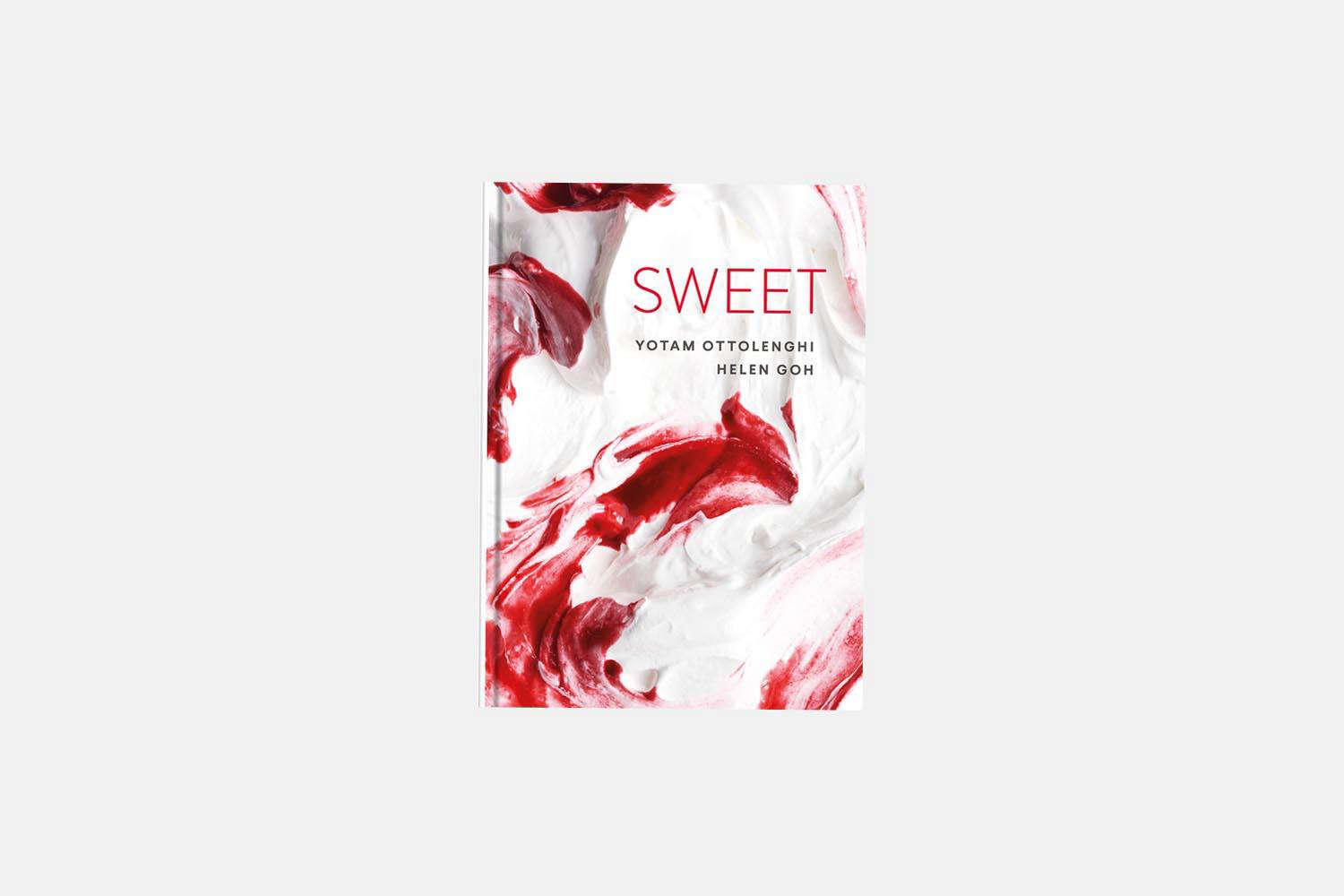
Some baking books politely suggest that you make a cake. Sweet: Desserts from London’s Ottolenghi practically grabs you by the apron, hands you a jar of tahini, and asks whether your afternoon plans are truly that important.
Created by Yotam Ottolenghi and pastry chef Helen Goh, Sweet is a colorful celebration of cakes, cookies, cheesecakes, tarts, puddings, candies, and other excellent reasons to turn on the oven. Published in the United States in 2017, the 368-page baking book contains more than 110 recipes, ranging from familiar comfort desserts to ambitious creations flavored with rose water, cardamom, saffron, sesame, citrus, coffee, and spice.
Although the title connects the collection to Ottolenghi’s London restaurants and delis, this is not merely a catalog of bakery-counter favorites. Some recipes were inspired by the shops, while others were developed specifically for home bakers. Together, they capture the larger Ottolenghi philosophy: food should look generous, taste exciting, and contain at least one element that makes people at the table pause and say, “Wait, what is in this?”
The answer might be tahini caramel. It might be saffron and honey. It might be black pepper hiding in a chocolate cake like a tiny culinary spy. Whatever the surprise, Sweet rarely settles for sugar alone.
What Makes the Sweet Cookbook Special?
Plenty of baking books promise beautiful desserts. Sweet distinguishes itself by combining theatrical presentation with disciplined recipe testing and deeply considered flavor. The desserts often look like they belong in the window of a fashionable London pastry shop, but the instructions are written for real kitchens, where mixing bowls do not match and someone has misplaced the measuring spoon again.
During development, Goh created and tested recipes before bringing them to weekly tasting sessions with Ottolenghi and the test-kitchen team. They sometimes assessed 10 to 12 desserts in one meeting, starting with lighter items before moving toward powerful combinations involving chocolate, treacle, nuts, or alcohol. Recipes were adjusted repeatedly for flavor, texture, appearance, and reliability. That process helps explain why the book can be adventurous without feeling careless.
The collection also reflects the complementary strengths of its authors. Ottolenghi is famous for exuberant combinations and ingredients drawn from Middle Eastern and Mediterranean cooking. Goh brings extensive pastry knowledge, structural precision, and an instinct for balancing sweetness with bitterness, acidity, spice, and salt. Their collaboration produces desserts that are imaginative but still recognizable as food rather than edible architecture requiring a construction permit.
A Baking Book Built on Contrast
Many recipes in Sweet are memorable because they balance opposing sensations. Rich chocolate meets sharp citrus. Buttery pastry meets tart fruit. Soft cake receives a crunchy nut topping. Sweet caramel is deepened by savory sesame paste. Floral rose water is restrained by raspberries, pistachios, or lemon.
This approach matters because sweetness becomes tiring when it has nothing to push against. Ottolenghi and Goh frequently use sour fruit, toasted nuts, dark chocolate, coffee, spice, and slight bitterness to keep desserts lively. The result is not “less dessert.” It is dessert with better conversation skills.
Inside the Book: Cakes, Cookies, Tarts, and Showstoppers
Sweet covers a broad range of baking projects, from cookies that can be prepared ahead to elaborate celebration desserts. The chapters allow readers to choose a recipe according to time, confidence, equipment, and willingness to cover the kitchen in powdered sugar.
Cakes That Refuse to Be Boring
The cake recipes offer an excellent introduction to the book’s personality. A relatively familiar loaf may be transformed with poppy seeds, citrus syrup, cardamom, coffee, olive oil, or maple frosting. These additions are not included simply to make the ingredient list look worldly. Each one changes the aroma, moisture, texture, or finish of the cake.
The lemon and poppy seed cake, for example, demonstrates how a straightforward bake can become memorable through strong citrus flavor and careful balance. Food52 highlighted it as one of the recipes home bakers were likely to make repeatedly, praising its combination of vibrant flavor and dependable appeal.
The apple and olive oil cake with maple icing represents another Ottolenghi specialty: taking a homey dessert and giving it a polished edge. Olive oil contributes moisture and a faintly savory depth, while maple icing adds richness without erasing the character of the apples. It is the sort of cake that works for an afternoon coffee and then mysteriously loses three slices before dinner.
Chocolate lovers are not neglected. The book’s chocolate desserts tend to layer cocoa with coffee, spice, nuts, or contrasting fillings. Instead of treating chocolate as a flavor that needs no assistance, the recipes explore how bitterness, salt, and aromatics can make it taste even more intensely chocolaty.
Cookies and Small Bakes with Big Personalities
The cookie chapter may be the easiest place to begin because many recipes are suitable for gifting, freezing, or baking in batches. Yet “easy” does not mean plain. Soft gingerbread tiles receive a rum-butter glaze. Rugelach is paired with quince paste. Spiced praline meringues can function as both dessert and holiday decoration, assuming nobody eats them before they reach the tree.
The saffron, orange, and honey madeleines illustrate the authors’ practical side. Traditional madeleines are famously delicate and often best moments after baking. This version uses a food processor, sacrificing a little airiness in exchange for greater sturdiness and a longer window of deliciousness. The cakes remain buttery and fragrant but are less likely to collapse emotionally before the guests arrive.
Tahini, Halvah, and the New Life of Caramel
One of the book’s most influential ideas is the use of sesame-based ingredients in Western-style baked goods. Tahini and halvah appear in brownies, shortbread, caramel, and other rich desserts, where their nutty bitterness prevents sweetness from becoming flat.
The Middle Eastern millionaire’s shortbread is a particularly persuasive example. Traditional millionaire’s shortbread already combines a buttery base, caramel, and chocolate. Ottolenghi and Goh add a layer of halvah and make the caramel with tahini, creating a deeper, slightly savory confection. The Washington Post later featured the recipe among memorable homemade food gifts, noting its distinctive tahini caramel.
The tahini and halvah brownies perform a similar trick. They still deliver the dense chocolate satisfaction expected from a brownie, but the sesame introduces complexity and faint bitterness. It is a small adjustment with a large effectrather like adding a leather jacket to a perfectly respectable outfit.
Pavlovas and Celebration Desserts
Pavlova is an ideal Ottolenghi canvas because it combines drama with flexibility. A crisp meringue shell, marshmallow-like center, cream, fruit, and nuts provide multiple opportunities for contrasting colors and textures. The cinnamon pavlova with praline cream and fresh figs is one of the book’s signature showpieces. Brown sugar contributes a toffee-like character, while cinnamon, praline, cream, and ripe figs turn the dessert into a full autumn production.
The authors also use rolled pavlovas and fruit-topped meringues to show that visual abundance does not require fussy decoration. A dessert can crack, tumble, and lean slightly to the left while still looking magnificent. In fact, the imperfections often make it more inviting. The Los Angeles Times emphasized the book’s focus on dessert technique while demonstrating one of its fruit pavlovas with Ottolenghi and his recipe team.
Are the Recipes Suitable for Beginning Bakers?
The honest answer is: some are, and some would like to see your résumé.
Beginners can comfortably start with cookies, loaf cakes, brownies, madeleines, and simpler tray bakes. The instructions are generally direct, and many recipes include useful notes about preparation, storage, and serving. Food & Wine has praised the book’s detailed recipes, helpful photographs, and diverse selection, while Eater described its language as clear and its flavor combinations as bold but dependable.
Other recipes involve several components, specialized pans, chilling periods, sugar syrups, meringue, pastry, or careful assembly. A technically demanding cake may require a base, filling, frosting, garnish, and the emotional stability to wait until everything has cooled. That does not make the book inaccessible, but it does reward planning.
The most useful strategy is to read the complete recipe before beginning. Then read it again. Bakers should weigh ingredients when possible, prepare pans in advance, bring ingredients to the specified temperatures, and organize components before mixing. Baking is chemistry wearing a cute apron; improvisation is welcome only after you understand which ingredients are holding up the roof.
Helpful Equipment for Baking from Sweet
Ottolenghi and Goh have recommended an electric scale for accuracy, stainless-steel mixing bowls, a small offset spatula, a Microplane for citrus zest and spices, and a spice grinder for stronger freshly ground flavor. None of these tools is especially glamorous, but together they prevent many common baking disasters.
A stand mixer is useful but not mandatory for every recipe. Home bakers will also benefit from parchment paper, a reliable oven thermometer, cooling racks, and pans that match the stated dimensions. Substituting a dramatically different pan and hoping for the best is less a baking technique than a suspense genre.
The Flavor Style of London’s Ottolenghi Desserts
The desserts in Sweet feel international because the authors draw naturally from several culinary traditions. Middle Eastern ingredients such as tahini, halvah, rose water, pistachios, and orange blossom sit beside European pastry techniques, British cakes, Australian influences, American-style brownies, and Asian fruits and spices.
This cultural range never feels like a checklist. Ingredients are chosen because they perform a clear role. Cardamom brings a cool, aromatic lift. Saffron contributes perfume and color. Rose water creates a floral note that works best when measured with restraint. Tahini offers bitterness and fat. Citrus zest brightens rich dough. Pomegranate, berries, plums, and passion fruit provide the acidity needed to keep cream and sugar in balance.
The visual language is equally recognizable. Ottolenghi desserts often favor generous swirls, visible layers, jewel-like fruit, scattered nuts, glossy glazes, and deliberately abundant toppings. The goal is not sterile perfection. It is controlled exuberance: the dessert should appear as though it dressed beautifully for dinner but then decided to have fun.
Why Sweet Still Deserves Space on the Cookbook Shelf
Sweet arrived during an era when elaborately photographed cookbooks were sometimes purchased as decorative objects. This one certainly looks impressive on a coffee table, but its staying power comes from recipes people genuinely bake. It offers enough accessible choices for regular use and enough demanding projects to keep experienced bakers interested.
The book also helped expand the flavor vocabulary of contemporary home baking. Tahini caramel, halvah brownies, saffron madeleines, rose-scented cakes, and cardamom-spiked batters are much more familiar to American bakers today than they once were. Sweet was not solely responsible for that change, but it made those combinations approachable, desirable, and highly photographable.
Perhaps most importantly, the book respects dessert. It does not apologize for butter or pretend that a pistachio cake is secretly a salad. At the same time, it recognizes that successful sweets need proportion and balance. Ottolenghi and Goh openly frame dessert as one pleasurable part of a varied life rather than something requiring guilt, panic, or a ceremonial apology to the bathroom scale. Eater’s early assessment similarly noted the authors’ emphasis on balance alongside the book’s inventive flavors and textures.
Who Should Buy Sweet?
This Ottolenghi dessert cookbook is especially well suited to bakers who enjoy experimenting with flavor while working from precise instructions. It is a strong choice for:
- Intermediate bakers ready to move beyond basic cupcakes and chocolate-chip cookies.
- Confident beginners willing to read carefully and start with simpler recipes.
- Fans of tahini, cardamom, citrus, nuts, spice, and fruit-forward desserts.
- Hosts looking for impressive dinner-party cakes, pavlovas, tarts, and cheesecakes.
- Cookbook collectors who value strong photography and distinctive editorial design.
- Experienced bakers searching for fresh combinations rather than another collection of standard formulas.
People who want only one-bowl, five-ingredient desserts may find parts of the book demanding. However, even they may be converted by the cookies, brownies, loaf cakes, and other approachable recipes. The secret is not to begin with the tallest dessert in the photograph. That is how confidence gets injured.
A Home Baker’s Experience with Sweet
Spending a weekend baking from Sweet feels less like completing a list of recipes and more like visiting a particularly aromatic neighborhood of London. The experience starts before the oven is warm. You open the book intending to choose one sensible cake, notice a photograph of a cinnamon pavlova, turn the page toward some tahini brownies, and suddenly your grocery list includes saffron, rose water, three kinds of chocolate, and enough butter to concern a small dairy farm.
The first pleasant surprise is that the unusual ingredients rarely feel ornamental. Suppose you begin with saffron, orange, and honey madeleines. The saffron does not shout. It hums beneath the orange zest, while honey rounds the edges of the butter. The food-processor method feels almost suspiciously easy, especially for a pastry associated with delicate technique. When the shell-shaped cakes emerge, their ridged surfaces golden and fragrant, the kitchen smells far more sophisticated than the amount of work would suggest.
Next comes a chocolate recipe involving tahini or halvah. At the mixing stage, the sesame paste may seem like an eccentric guest invited to the wrong party. Once baked, however, it makes perfect sense. Its nutty bitterness sharpens the chocolate and gives each bite a slightly savory finish. People who cannot identify the ingredient may simply announce that the brownie tastes “more chocolaty,” which is both unhelpful and entirely correct.
The more elaborate recipes create a different experience. A pavlova, for example, asks for patience. The meringue needs proper whipping, gentle baking, and enough cooling time to develop its crisp exterior and soft center. It may crack. This feels alarming until cream and fruit are added, at which point every fracture becomes part of the design. Sweet gradually teaches that an impressive dessert does not have to be geometrically perfect. A few cracks, drips, and scattered pistachios can communicate abundance more effectively than flawless symmetry.
The book also changes how a baker tastes. After working through several recipes, you begin noticing balance before sweetness. A fruit topping needs acidity. A caramel benefits from salt or bitterness. A floral ingredient needs restraint. Nuts should be toasted enough to contribute flavor rather than merely occupy space. Citrus zest is not decoration; it can rescue an entire bowl of buttercream from dullness.
There are mildly chaotic moments. You may discover that a recipe uses multiple bowls just after loading the dishwasher. You may forget that a component needs to chill for two hours. A cake that appeared effortless in the photograph may occupy most of the counter and several parts of your personality. Yet the detailed instructions usually provide a path back to order.
The strongest experience comes when the dessert reaches the table. Ottolenghi-style baking encourages sharing because the finished creations look generous. A tall cake, glossy tart, or fruit-covered pavlova demands an audience. Someone asks about the spice. Someone else requests a second slice “for research.” The baker explains tahini caramel with the enthusiasm of a person who has recently discovered electricity.
By Sunday evening, the kitchen may contain sticky measuring cups, citrus peels, and one lonely pistachio under the refrigerator. It will also contain the feeling that familiar desserts have acquired a larger vocabulary. That is the real pleasure of Sweet: it does not merely provide recipes. It trains home bakers to think in contrasts, build flavor deliberately, and understand that a memorable cake can be comforting and surprising at the same time.
Conclusion: A Dessert Book with Substance
Sweet: Desserts from London’s Ottolenghi succeeds because it offers more than attractive photographs and dramatic finishes. Yotam Ottolenghi and Helen Goh combine rigorous testing, pastry expertise, global flavors, and a genuine sense of pleasure. Their recipes can be playful, precise, comforting, and ambitiousoccasionally all within the same slice.
Beginners will find approachable cookies and cakes, while experienced bakers can tackle layered desserts, pavlovas, tarts, and celebration projects. Throughout the book, sweetness is balanced by citrus, spice, coffee, fruit, dark chocolate, nuts, and sesame. The result is a baking collection that remains useful long after the first admiring flip through its pages.
For anyone who believes dessert should be beautiful without becoming boring, Sweet is an essential invitation to preheat the oven. Just make sure there is enough counter space. Ottolenghi has plans for it.