A round felt meditation cushion looks wonderfully simple: a soft circle, a quiet corner, and perhaps a housepl a noticeable difference in how comfortable and stable you feel during seated meditation.
Unlike an ordinary throw pillow, a well-designed meditation cushion is intended to elevate the pelvis, support a balanced sitting position, and reduce the amount of muscular effort needed to remain upright. The round shape offers flexibility for cross-legged and kneeling positions, while a felt exterior adds warmth, texture, durability, and a clean modern appearance.
This guide explains what a round felt meditation cushion is, how it works, which fillings are available, how to choose the right size and firmness, and what the experience of using one is actually like. No levitation is promised, but fewer arguments with your hips may be possible.
What Is a Round Felt Meditation Cushion?
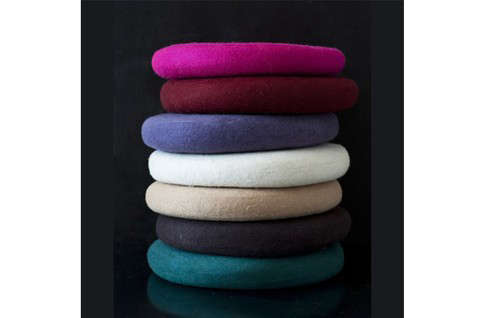
A round felt meditation cushion is a firm, elevated seat designed for meditation, breathwork, restorative yoga, and other floor-based activities. Many round cushions are based on the traditional zafu, a circular cushion commonly associated with seated Zen meditation.
The word “felt” generally describes the outer material rather than the filling. Depending on the product, the cover may be made from wool felt, a wool blend, recycled fibers, or synthetic felt. Inside, the cushion may contain buckwheat hulls, kapok fiber, cotton batting, recycled textile fibers, foam, or a combination of materials.
The best models are firm enough to prevent the pelvis from sinking too deeply but adaptable enough to feel supportive rather than brick-like. They often include a concealed zipper, removable inner liner, carrying handle, or adjustable filling.
Why the Round Shape Works So Well
It Elevates the Pelvis
Sitting directly on a hard floor can cause the pelvis to roll backward, especially when the hips and hamstrings are tight. That backward tilt may encourage the lower back to round and the upper body to slump.
A meditation cushion raises the hips above the knees, making it easier for the pelvis to tilt slightly forward. This creates a more stable base for an upright spine without forcing the body into a stiff, military-style posture. Your back should feel alert but not as though it has been personally inspected by a drill sergeant.
It Supports Several Sitting Positions
A circular cushion does not lock the user into one orientation. It can be rotated, shifted, or tilted to support several positions, including:
- Easy cross-legged sitting
- Burmese-style sitting with both lower legs resting on the floor
- Half-lotus, when appropriate for the user’s mobility
- Kneeling or seiza-style meditation
- Supported sitting against a wall
- Restorative yoga and breathwork
The curved edge also allows the thighs to slope downward more naturally than they might on a wide, flat household cushion.
It Distributes Weight Evenly
Quality round cushions provide a stable surface beneath the sitting bones while allowing the legs to settle toward the floor. This can reduce concentrated pressure beneath the hips and may make longer sessions feel more manageable.
A cushion cannot correct every postural problem, and it should not be treated as a cure for back, hip, or knee pain. Its job is simpler: to create a more workable relationship between your body and the floor.
What Makes Felt a Useful Cover Material?
A Warm, Comfortable Surface
Felt has a soft, slightly cushioned texture that feels warmer than slick synthetic fabric or bare canvas. This can be especially pleasant in cool rooms or during early-morning meditation, when both the mind and the thermostat may still be negotiating.
Durability and Structure
Dense felt can resist everyday abrasion and help a cushion maintain a neat, structured appearance. It generally does not wrinkle as easily as thin woven fabric, and its texture can disguise minor dust or wear between cleanings.
A Calm, Minimalist Appearance
Round felt meditation cushions often come in neutral shades such as charcoal, gray, cream, brown, muted green, or deep blue. These colors work well in bedrooms, yoga spaces, offices, and living rooms without making the cushion look like exercise equipment that escaped from a gym locker.
Possible Limitations
Not all felt is the same. Wool felt may require gentler cleaning and can be unsuitable for people who avoid animal-derived materials. Synthetic felt may be easier to maintain but can differ in breathability, softness, and environmental impact.
Always check whether “felt” refers to pure wool, a wool blend, recycled polyester, or another material. Product photographs are not legally obligated to explain themselves.
Choosing the Right Filling
Buckwheat Hulls
Buckwheat hulls are among the most popular fillings for meditation cushions. The small, firm hulls shift under body weight and conform to the user’s shape while remaining supportive. They create a feel somewhat like firm, movable sand.
An adjustable buckwheat cushion allows users to add or remove hulls to change its height and firmness. Removing a small amount creates a lower, more flexible seat. Adding hulls creates greater elevation and a firmer base.
Buckwheat cushions can be relatively heavy and may make a quiet rustling sound when repositioned. Fortunately, the hulls usually stop announcing themselves once you stop fidgeting.
Kapok Fiber
Kapok is a light plant fiber traditionally used in cushions and bedding. It creates a firmer, springier feel than ordinary cotton stuffing and makes the cushion easier to carry than a buckwheat-filled model.
Kapok does not mold itself around the body in the same way as loose hulls. Over time, it may compress and require occasional fluffing or redistribution.
Cotton or Recycled Fiber
Cotton batting and recycled textile fillings can provide a softer, quieter seat. They may appeal to users who dislike the shifting sensation of buckwheat. However, loosely packed fiber can flatten with repeated use, so construction quality and fill density are important.
Foam
Foam-filled cushions are lightweight and retain a predictable shape. Dense foam can be supportive, while softer foam may allow the hips to sink too deeply. Foam quality varies considerably, so look for a cushion that rebounds after use and does not collapse at the center.
How to Choose a Round Felt Meditation Cushion
Consider the Height
Standard round meditation cushions are commonly around five or six inches high, although low-profile and extra-tall versions are available. People with limited hip mobility, longer legs, or difficulty bringing the knees toward the floor may prefer a taller cushion.
Flexible users may be comfortable with less elevation. The goal is not to choose the tallest cushion available; it is to find a height that allows the knees to rest comfortably while the pelvis remains stable.
Check the Diameter
A diameter of approximately 14 to 16 inches is common for traditional round cushions. A larger surface can provide more room and may feel stable for broader or taller users. A smaller cushion is easier to carry and store but may feel restrictive.
Evaluate Firmness
A meditation cushion should not feel like a sofa pillow. If it compresses until your hips are almost touching the floor, it is providing decoration rather than useful elevation.
Look for firm support with a modest amount of give. Adjustable fill is particularly helpful because it allows the seat to change as your mobility, posture, or preferences evolve.
Look for a Removable Cover
A removable cover makes routine cleaning much easier. Ideally, the cushion should include both an outer felt cover and a separate inner liner that securely contains the filling.
Read the care label before washing. Some synthetic felt covers may be washable, while wool felt often requires spot cleaning, hand washing, or professional care.
Inspect the Zipper and Seams
The seams carry substantial pressure during daily use. Look for reinforced stitching, a sturdy concealed zipper, and an inner bag made from durable fabric. Weak seams and loose buckwheat hulls are an excellent combination only if your long-term goal is to vacuum the entire house.
Check Portability
A built-in handle is useful for taking the cushion to yoga classes, meditation groups, retreats, or another room. Weight also matters. Buckwheat cushions are supportive but often heavier than kapok, cotton, or foam alternatives.
How to Sit on a Round Meditation Cushion
Cross-Legged Position
Place the cushion on a nonslip mat, rug, or zabuton. Sit near the front third rather than directly in the center. Allow the pelvis to tilt slightly forward and let the knees descend toward the floor.
Rest the hands on the thighs or in the lap. Lengthen upward through the crown of the head while keeping the jaw, shoulders, and abdomen relaxed. The spine should feel naturally upright, not aggressively straight.
If the knees remain suspended far above the floor, place folded blankets or yoga blocks beneath them. Supporting the knees can reduce strain and help the legs relax.
Kneeling Position
Turn the cushion on its edge or place it flat between the lower legs. Lower the sitting bones onto the cushion while keeping excessive pressure off the ankles.
This position can be comfortable for people who do not enjoy sitting cross-legged, but it should not cause sharp pain, numbness, or joint compression. Additional padding beneath the knees and ankles may help.
Chair-Supported Meditation
Floor sitting is optional, not an entrance exam for enlightenment. A round cushion can be placed on a firm chair to add height or create a slight forward pelvic tilt. Keep both feet supported and avoid using a cushion so thick that it makes the chair unstable.
Care and Cleaning
Regular light maintenance is better than waiting until the cushion becomes an archaeological record of snacks, dust, and pet hair.
- Brush or vacuum the felt surface using low suction.
- Blot spills immediately with a clean, absorbent cloth.
- Spot clean according to the manufacturer’s instructions.
- Remove the inner filling before washing a removable cover.
- Use cool water and gentle detergent only when the care label permits it.
- Avoid high heat, which may shrink or distort wool-blend felt.
- Air-dry the cover completely before reassembling the cushion.
- Keep buckwheat hulls and natural fibers dry.
- Rotate and gently reshape the cushion to encourage even wear.
Do not machine-wash an entire buckwheat-filled cushion. Wet hulls can retain moisture, develop odors, and become difficult to dry safely.
Common Mistakes to Avoid
Buying for Appearance Alone
A beautiful cushion that is too low, too soft, or too small may become an expensive floor ornament. Start with your body, preferred sitting position, and mobility needs. Color can join the conversation afterward.
Forcing the Knees Down
The knees should descend gradually through comfortable positioning and improved mobility. Pressing them toward the floor can strain the hips, knees, or ankles. Use support under the knees instead.
Sitting Too Far Back
Sitting in the middle of a tall round cushion may tip the pelvis backward. Moving toward the front edge often creates a more natural forward tilt and greater stability.
Ignoring Pain or Numbness
Mild stretching sensations may occur as the body adapts, but sharp pain, persistent numbness, tingling, or joint discomfort should not be ignored. Change positions, use additional support, or meditate in a chair. Anyone with an injury or medical condition should seek guidance from a qualified healthcare professional.
Who May Enjoy This Cushion Most?
A round felt meditation cushion can be a good choice for beginners who want a dedicated meditation seat, experienced practitioners seeking firm pelvic support, yoga students, breathwork enthusiasts, and people creating a calm multipurpose space at home.
It also works as a low reading seat, decorative floor cushion, gentle yoga prop, or support for quiet stretching. However, it may not suit people who need a backrest, cannot comfortably transfer to the floor, or require specialized orthopedic support.
Real-World Experience With a Round Felt Meditation Cushion
The first noticeable difference is usually not mystical. It is mechanical. A round meditation cushion makes the floor feel less distant and gives the pelvis a clear place to settle. During the first few sessions, many users become more aware of how they normally sit. One shoulder may rise, the back may lean slightly to one side, or the knees may hover like nervous birds. The cushion does not hide these habits; it makes them easier to notice and adjust.
With a buckwheat-filled model, the setup process often involves a little experimentation. The cushion may initially feel unusually firm. After removing a small amount of filling and sitting closer to the front edge, the position can become much more natural. This adjustability is one of the biggest practical advantages of loose hulls. A minor change in fill level can produce a surprisingly large change in pelvic angle.
The felt cover contributes more to the experience than expected. It feels warm and quiet rather than sporty, and it stays visually at home in a bedroom or living room. Because the cushion does not need to be hidden after every session, it can remain in sight as a gentle reminder to practice. That reminder is sometimes more effective than an inspirational quote displayed over a photograph of a mountain.
During short five- or ten-minute sessions, the cushion may simply feel like a comfortable seat. Its value becomes clearer during longer sits. When the hips are properly elevated and the knees are supported, less energy is spent holding the torso upright. Attention can return to breathing instead of conducting a detailed investigation into why the left ankle has become the most interesting object in the universe.
There is still an adjustment period. A cushion cannot instantly create hip flexibility, and beginners may need blankets beneath the knees or a padded mat under the ankles. Changing positions between sessions is often more useful than insisting on one supposedly perfect pose. Some days, cross-legged sitting works beautifully. On other days, kneeling or using a chair is the wiser option.
Daily maintenance is uncomplicated. Felt collects a little lint, especially in homes with pets, but a soft brush or quick vacuuming usually restores its appearance. Spills require prompt attention, particularly with wool felt. A removable cover is therefore more than a marketing detail; it can determine whether the cushion remains attractive after months of regular use.
Over time, the cushion can become part of a small ritual. Placing it on the floor, setting a timer, and taking a seat creates a clear transition from ordinary activity to intentional stillness. That ritual does not guarantee a silent mind. Thoughts about deadlines, groceries, old conversations, and suspicious noises from the refrigerator will still appear. The cushion merely provides a stable place from which to notice them.
The most realistic benefit is consistency. When meditation has a comfortable, dedicated location, beginning the practice requires less negotiation. The round felt meditation cushion becomes less of a wellness accessory and more of a familiar tool: supportive, unobtrusive, and ready whenever a few quiet minutes are available.
Frequently Asked Questions
Is a Round Cushion Better Than a Crescent Cushion?
Neither shape is universally better. Round cushions provide versatile support for cross-legged and kneeling positions. Crescent cushions leave more room for the heels and may feel comfortable to users who prefer a wider base beneath the thighs.
How Firm Should a Meditation Cushion Be?
It should be firm enough to maintain elevation without collapsing. A small amount of surface give is comfortable, but excessive sinking can reduce postural support.
Can a Meditation Cushion Help With Back Pain?
A suitable cushion may help some users sit more comfortably by improving pelvic position and reducing slumping. It is not a treatment for back pain, and the wrong height or sitting position may increase discomfort. Persistent pain should be evaluated by a healthcare professional.
Can Beginners Use a Zafu?
Yes. Beginners can use a zafu or round felt cushion for short sessions and gradually increase their sitting time. Blankets, blocks, a wall, or a chair can be added whenever more support is needed.
Conclusion
A round felt meditation cushion combines useful postural support with a warm, minimalist design. Its rounded form can elevate the pelvis, accommodate several sitting positions, and help create a stable base for meditation. Felt adds texture and durability, while fillings such as buckwheat, kapok, cotton, or foam determine how firm, adjustable, and portable the cushion feels.
The best cushion is not necessarily the most expensive or photogenic. It is the one that suits your hip mobility, body proportions, preferred posture, cleaning habits, and available space. Choose carefully, adjust the setup patiently, and remember that sitting in a chair is still meditation. The mind does not award bonus points for ankle discomfort.