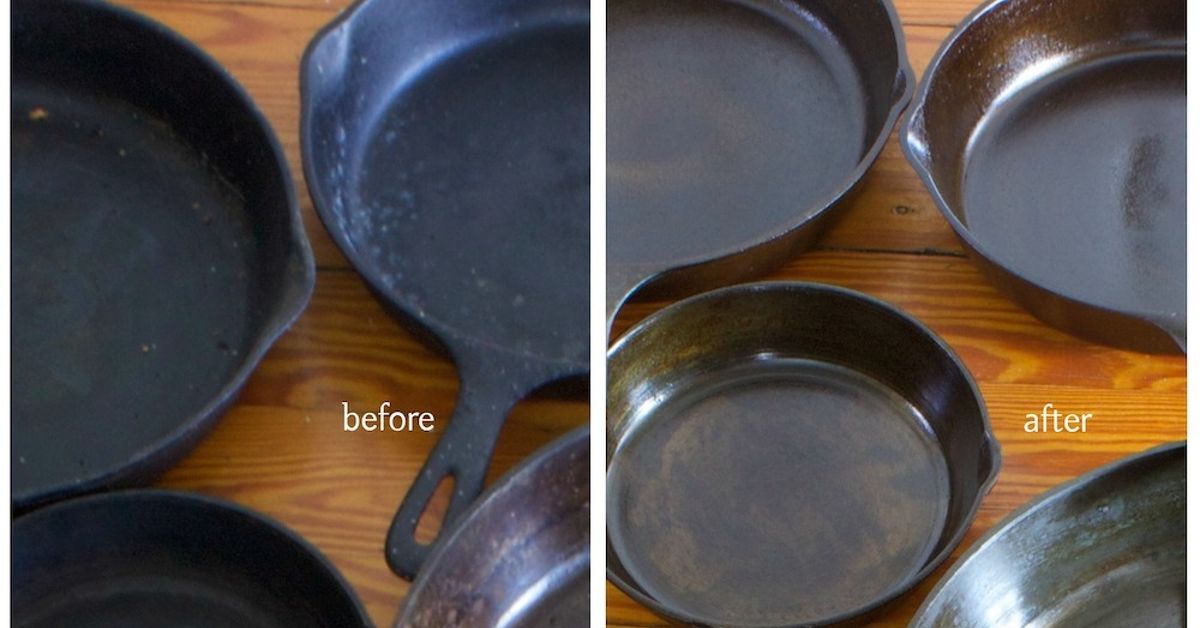
There are two kinds of people in this world: the ones who see a rusty cast iron pan and think, “What a tragedy,” and the ones who think, “Give me ten minutes, some oil, and a little attitude.” This article is for the second group. Or for the first group who would like to become the second group by dinner time.
Restoring cast iron pans is one of the most satisfying kitchen projects you can take on. Unlike trendy gadgets that mysteriously disappear into the back of a cabinet after three uses, cast iron has staying power. It can survive bad storage, surface rust, years of neglect, and even the occasional well-meaning relative who “helpfully” soaked it overnight. The good news is that most cast iron cookware can be brought back to life with a practical process: clean, strip what needs to go, remove rust, reseason, and maintain.
If you have inherited an old skillet, rescued one from a flea market, or rediscovered a forgotten pan in the garage, do not toss it just because it looks rough. In many cases, restoring cast iron pans is less about magic and more about patience. The metal itself is incredibly durable. What usually fails is the seasoning layer, not the pan.
Why Cast Iron Pans Rust in the First Place
Cast iron is tough, but it has one very obvious weakness: water. When moisture sits on bare iron or sneaks past a damaged seasoning layer, rust forms. That can happen after soaking, air-drying, storing food in the pan, putting the pan away slightly damp, or leaving it in a humid spot. In other words, cast iron is like that one dramatic houseplant that seems fine until you look away for twelve seconds.
The protective barrier on a cast iron pan is called seasoning. Despite the name, it is not salt, pepper, or culinary fairy dust. It is a hardened layer created when thin coats of oil bond to the metal under heat. A strong seasoning layer helps protect the surface from rust and improves cooking performance. When that layer wears down or becomes patchy, the pan becomes vulnerable.
Signs Your Cast Iron Pan Needs Restoration
Not every pan needs a full rescue mission. Sometimes it only needs a quick touch-up. Here is how to tell the difference.
Minor Issues That Need Simple Maintenance
- A dull or dry-looking surface
- A few sticky spots after cooking
- Small orange rust specks
- Food sticking more than usual
Bigger Problems That Need Full Restoration
- Thick rust across large areas
- Flaking seasoning
- A rough, gummy, or uneven finish
- A pan that smells stale or looks heavily neglected
If the pan has a crack, a warped base that rocks dangerously on the stove, or severe structural damage, restoration may not be worth it. But surface rust, ugly buildup, and sad-looking seasoning? Those are fixable.
What You Need Before You Start
Restoring cast iron pans does not require a laboratory or a blacksmith’s apron. You can do most jobs with a few basic tools:
- Dish soap
- Warm water
- Steel wool, a stiff brush, or a chain mail scrubber
- White vinegar for heavier rust
- Paper towels or lint-free cloths
- A neutral oil such as canola, vegetable, or grapeseed oil
- An oven
- Aluminum foil or a sheet pan to catch drips
For basic restoration, that is enough. Some experienced collectors also use lye baths or electrolysis for deeply neglected vintage cookware, but those methods are more advanced and usually unnecessary for the average home cook.
Step-by-Step Guide to Restoring Cast Iron Pans
1. Wash the Pan Without Fear
Let us clear up one of cast iron’s most tired myths: a little soap is not going to destroy your pan forever. When you are restoring a damaged pan, you actually want to clean it thoroughly. Wash the cookware with warm water and dish soap to remove grease, dirt, and loose debris. If some seasoning comes off, good. That means the weak stuff was not worth keeping.
2. Scrub Off Rust and Loose Seasoning
Use steel wool, a stiff brush, or a chain mail scrubber to remove rust and flaky buildup. This part is not glamorous. It is elbow grease season. Scrub until the surface looks clean and solid. For small spots, this may take only a few minutes. For a pan that has been living a hard life in a damp basement, it may take longer.
If the pan has only light rust, aggressive scrubbing may be all you need before moving on to drying and seasoning. If the rust is heavy, bring vinegar into the conversation.
3. Use a Vinegar Soak for Stubborn Rust
For more serious rust, soak the pan in a mixture of equal parts white vinegar and water. This helps loosen corrosion, but it is not a “set it and forget it” situation. Check the pan often. Once the rust begins to release, remove the pan and scrub again. Leaving it in acid too long can start to affect the iron itself, so this is a short-term tactic, not a weekend spa retreat.
A good rule is to monitor it closely and pull it as soon as the rust comes off easily. Then rinse well and move immediately to drying. Bare cast iron flashes rust quickly, sometimes alarmingly fast, because apparently it enjoys drama.
4. Dry It Thoroughly
This step matters more than people think. Wipe the pan dry, then place it over low heat on the stove or in a warm oven for several minutes to drive off every bit of moisture. Even invisible moisture can lead to fresh rust.
If you skip this part, you may spend the next hour wondering why your newly scrubbed pan looks orange again. The answer will be: because water never misses a chance.
5. Apply a Very Thin Layer of Oil
Now that the pan is clean and dry, rub it all over with a small amount of neutral oil. Then wipe it down again until it looks almost dry. This is the point where many people go wrong. More oil does not equal better seasoning. Thick oil layers create sticky, blotchy results. The best seasoning coats are whisper-thin.
Coat the inside, outside, handle, and any exposed iron. Then buff away the excess with a clean cloth or paper towel.
6. Bake the Pan to Build New Seasoning
Place the pan upside down in a hot oven, with foil or a baking sheet underneath to catch any drips. Bake it long enough for the oil to polymerize and bond to the metal. One round improves protection, but two or three thin rounds often produce a more even finish after restoration.
Do not expect a perfectly jet-black museum finish after one cycle. Freshly restored cast iron often starts out bronze, brownish, or satin black before darkening with regular use. That is normal. Cast iron seasoning is built over time, not summoned in one dramatic montage.
Best Oils for Reseasoning Cast Iron
When restoring cast iron pans, the safest bet is a neutral oil with a relatively high smoke point. Canola, vegetable, and grapeseed oil are popular because they are affordable, easy to find, and reliable. Some people prefer shortening because it spreads evenly. What matters most is not chasing a trendy oil but applying a very thin coat and heating it properly.
Olive oil is usually not the top choice for seasoning because it can be less stable for this purpose. Highly delicate or fashionable oils may sound exciting, but cast iron restoration rewards boring consistency over culinary romance.
Common Mistakes People Make When Restoring Cast Iron Pans
Using Too Much Oil
If your pan comes out sticky, tacky, or patchy, the oil layer was probably too thick. Wipe more off than you think you need.
Not Drying the Pan Enough
Moisture is the enemy. Always dry thoroughly before oiling or storing.
Letting Vinegar Sit Too Long
Vinegar helps remove rust, but it should be watched closely. It is a tool, not a storage solution.
Expecting Instant Perfection
A restored pan may look uneven at first. Regular cooking, especially with foods that use a little fat, helps improve the finish over time.
Storing Food in the Pan
Once restored, do not use your cast iron as a leftover container. Move food out after cooking, especially acidic foods.
How to Maintain a Restored Cast Iron Pan
Once your pan is back in action, maintenance is simple:
- Wash it soon after cooking
- Use warm water and a brush or scrubber
- Use a little soap when needed
- Dry it completely
- Rub on a tiny amount of oil before storing if the surface looks dry
- Store it in a dry place with airflow
If food gets stuck, coarse salt can help lift residue without demolishing your seasoning. A chain mail scrubber can also remove stubborn bits while being gentler than endless aggressive scraping. And if you see a small rust spot later, do not panic. Spot-clean it, dry the pan, add oil, and keep cooking.
Can You Really Bring a Bad Pan Back to Life?
Yes, most of the time you can. That is one of the best things about cast iron cookware. A nonstick pan with a ruined coating is often headed for retirement. Stainless steel is durable, but it does not develop the same character. Cast iron, on the other hand, can look terrible one afternoon and cook cornbread beautifully the next day.
That is why vintage cast iron remains so beloved. People restore skillets that belonged to grandparents, thrift-store griddles with mystery stains, and Dutch ovens rescued from garage sales. The restoration process is practical, but it is also oddly emotional. You are not just cleaning a pan. You are recovering a tool that was built to last.
Real-Life Experiences Restoring Cast Iron Pans
One of the most common stories people share about restoring cast iron pans starts with neglect and ends with obsession. Someone finds a skillet in the back of a cabinet, covered in rust and old grease, and assumes it is finished. Then they scrub one section and notice good metal underneath. That tiny patch becomes proof that the pan is not dead, just cranky. Before long, the person who was ready to throw it away is standing in the kitchen admiring a skillet like it just won a medal.
Another common experience comes from inherited cookware. A pan passed down from a parent or grandparent often arrives with a little family mythology attached. Maybe it made Sunday fried chicken. Maybe it lived on a wood stove. Maybe it survived three moves, one divorce, and a kitchen painted the color of mustard. Restoring that pan can feel personal. The work becomes part preservation, part home project, and part quiet tribute. People often say the first meal cooked in a restored family skillet feels more meaningful than anything made in a brand-new pan.
Thrift-store restorations have their own personality. These are the pans that look so rough you almost feel judged by them. They sit in the resale aisle with a price tag that says “maybe” and a surface that says “absolutely not.” Yet those are often the most satisfying restorations. Once cleaned, many turn out to be beautifully made pans with smooth cooking surfaces and years of life left in them. The transformation is dramatic enough that it makes people irrationally confident. Suddenly they think, “I can restore this skillet, so maybe I can also rewire a lamp.” That second thought should probably be handled with more caution.
There is also the learning curve that comes after restoration. A freshly seasoned pan does not always behave like a seasoned-for-decades skillet. The first few meals may be a little humbling. Eggs may stick. Potatoes may test your faith. Pancakes may come off looking abstract. But that experience teaches an important lesson: restored cast iron improves with use. Every batch of bacon, every grilled sandwich, every roasted vegetable adds to the seasoning story. The pan gets better because you keep cooking in it, not because you stared at it lovingly from across the room.
People who restore cast iron often say the biggest surprise is how forgiving the material is. They expect one wrong move to ruin everything, but cast iron does not require perfection. It requires attention. If the pan rusts again, you fix it. If the seasoning gets patchy, you touch it up. If someone in the household washes it and leaves it wet, you sigh dramatically, then restore it again. Cast iron rewards consistency, not panic.
In the end, the experience of restoring cast iron pans is about more than cookware. It teaches patience, practical skill, and the oddly comforting fact that some things are worth saving even when they look rough around the edges. And honestly, if a rusty old skillet can get a second act, that feels like pretty encouraging kitchen philosophy.
Conclusion
Restoring cast iron pans is not difficult, but it does reward careful steps. Clean thoroughly, remove rust completely, dry the pan like you mean it, apply very thin coats of oil, and build seasoning with heat. That is the whole game. Once restored, a cast iron pan can go right back to searing, baking, frying, and showing off.
The beauty of cast iron is that it does not demand perfection. It asks for maintenance, respect, and the occasional scrub session that feels like a workout. In return, it gives you cookware that can last for decades, improve with use, and develop a character no factory-fresh pan can fake. So if you are staring at a rusty skillet and wondering whether it is salvageable, the answer is probably yes. Roll up your sleeves and rescue it.