If there is one reliable way to make design lovers stop scrolling, it is this: offer them a gorgeous place to stay, a stack of handmade goods, and the fantasy of becoming the kind of person who knows the difference between “weathered” and “well curated.” That is exactly why the Remodelista in Maine giveaway made such a splash. It was not the usual sweepstakes fluff with a generic hotel room and a tote bag that will eventually hold old receipts. It was a sharply styled, deeply regional package built around the idea of Maine as both destination and design philosophy.
The original giveaway was published by Remodelista in May 2022 to celebrate the release of Remodelista in Maine: A Design Lover’s Guide to Inspired, Down-to-Earth Style. The contest has long since closed, so no, you cannot currently swoop in and claim the tree dwelling with heroic timing. But the promotion is still worth unpacking because it remains an excellent example of how a lifestyle brand can turn a giveaway into a full-on editorial experience. It also doubles as a smart snapshot of what makes Maine coastal design so enduring: practical beauty, natural materials, local makers, and a refusal to confuse luxury with fuss.
What the Remodelista in Maine Giveaway Actually Offered
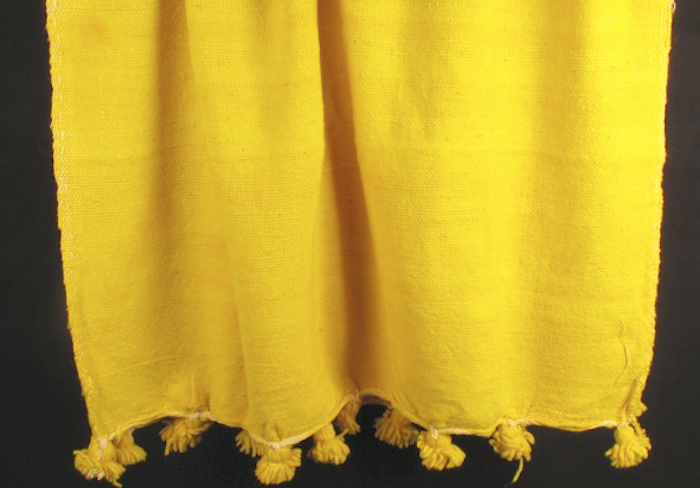
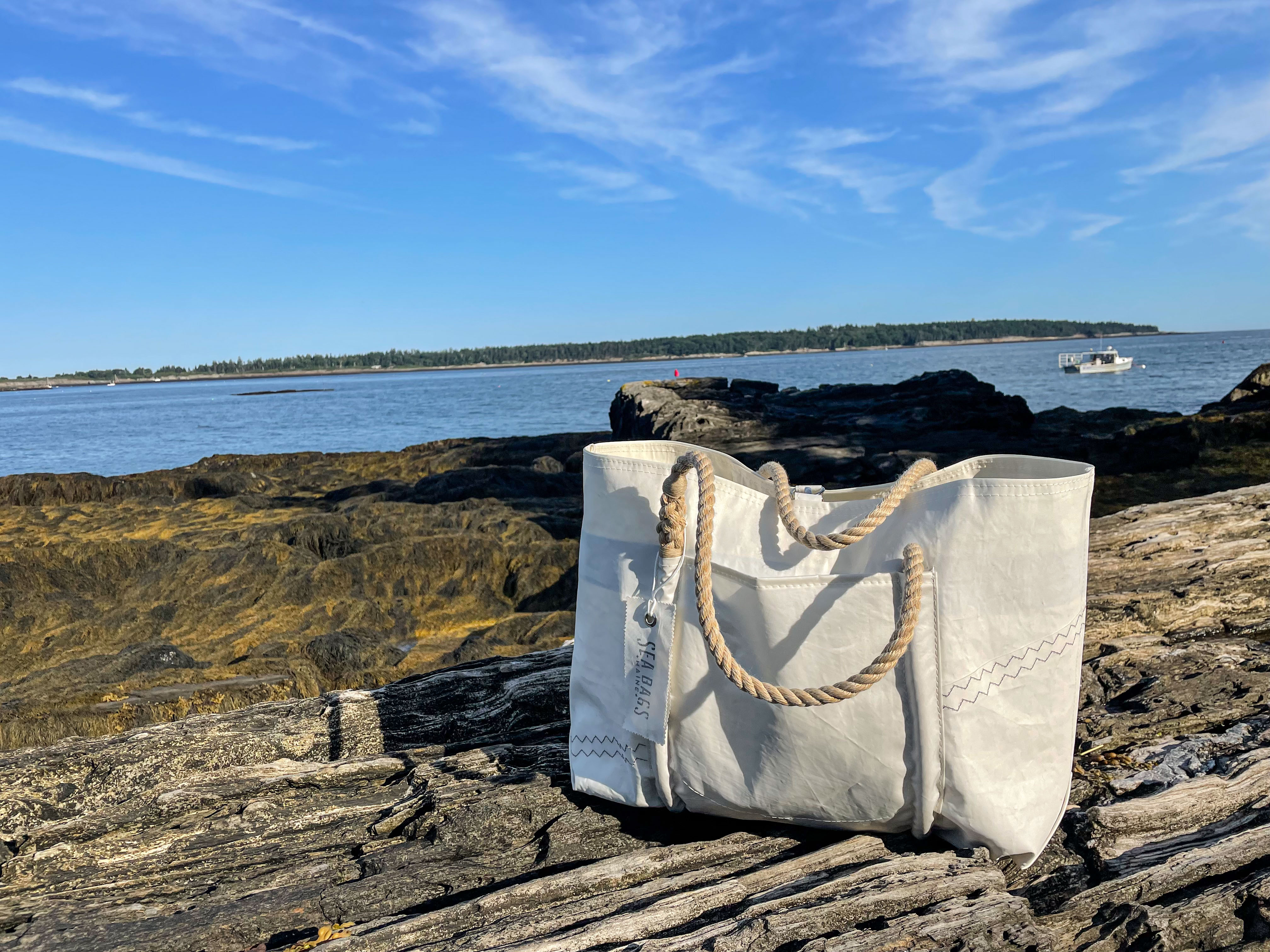
The grand prize was gloriously specific, which is one reason it worked so well. Instead of tossing together a random bundle of “nice things,” Remodelista built a package that told one coherent story. The winner received a two-night stay at Seguin Tree Dwellings in Georgetown, Maine, plus a copy of Remodelista in Maine, a ceramic planter from Campfire Pottery, a handwoven Heritage Throw from Swans Island Company, and a Wharf Tote from Sea Bags. Two runners-up also received copies of the book.
That lineup matters. Each piece reinforced the same message: this was not just a chance to win a trip to Maine, but a chance to step into the Remodelista version of Maine living. That version is rugged but elegant, minimal but warm, and full of objects that look good because they are useful, not because they are showing off.
The Headliner: A Two-Night Stay at Seguin Tree Dwellings
The heart of the giveaway was the two-night stay at Seguin Tree Dwellings in Georgetown. And honestly, if you are going to build a dream prize around the Maine coast, starting with a modern tree dwelling overlooking the Back River is a pretty strong move. Seguin’s appeal comes from its balancing act: it feels tucked into nature without abandoning comfort like some kind of noble design experiment. The dwellings are perched on a wooded hillside, framed by river views and conservation land, with minimalist interiors, vintage windows, and cedar hot tubs that somehow manage to sound both earthy and extremely brag-worthy.
This is the kind of place that translates beautifully in photos and even better in the imagination. It fits the modern appetite for unique lodging, but it also aligns with a broader shift in design-forward travel. Travelers increasingly want places that feel intentional rather than generic. They want a stay with texture, story, atmosphere, and maybe one excellent place to drink coffee while pretending to write a novel. Seguin clearly understands that brief.
Its Georgetown location makes the prize even stronger. This part of Maine offers access to Reid State Park, nearby beaches, working waterfront culture, and views tied to the Kennebec River and Seguin Island Light. It gives the experience a real sense of place. In other words, the stay was not just scenic. It was rooted.
The Supporting Cast: Maine-Made Goods With Real Character
The non-lodging prizes were just as important because they extended the trip into the home. A good giveaway makes the winner think, “I want that.” A great giveaway makes everyone else think, “I want that entire lifestyle.” This one aimed squarely at the second reaction.
The Heritage Throw from Swans Island Company was an especially smart inclusion. Swans Island is known for heirloom-quality textiles that feel unmistakably Maine: handwoven, substantial, and quietly luxurious. The throw used in the giveaway reflected the same values celebrated throughout the bookcraft, durability, and a local-materials sensibility that resists disposable decorating. This is not the kind of blanket you fling on a chair because a stylist told you to. It is the kind you keep for years and then casually mention to guests in a tone that says, “Oh this old thing? It was handwoven in Maine.”
Then there was the planter from Campfire Pottery, a Maine ceramic studio celebrated for earthy, functional forms and restrained finishes. That prize made sense on every level. It was useful, attractive, and aligned with the down-to-earth aesthetic Remodelista has long championed. Campfire’s work feels contemporary without being cold, which is harder to pull off than many brands would like to admit.
The Sea Bags Wharf Tote added a dose of salty practicality. Sea Bags built its brand around repurposed sailcloth, turning retired marine materials into durable bags and accessories. That alone makes it feel deeply linked to the Maine waterfront. The tote in the giveaway was not just decorative coastal merchandise. It was an object with actual working-harbor DNA. Today, Sea Bags highlights the millions of pounds of sailcloth it has repurposed, underscoring why the bag still stands as one of the most on-theme and sustainable items in the prize package.
And then, of course, there was the book itself. Remodelista in Maine is more than a coffee-table beauty object, though it absolutely knows how to photograph well. It is also a design field guide to the Maine way of making a home: resourceful, layered, eco-conscious, and deeply responsive to landscape and season. The book ties everything together. Without it, the giveaway would still be lovely. With it, the prize becomes editorially complete.
Why This Giveaway Felt So Much Smarter Than the Average Contest
The genius of the Remodelista in Maine contest is that it never felt like a random promotion. It felt like a feature story with a golden ticket attached. That is a big difference.
First, the prize package had narrative cohesion. Every component supported the same idea of coastal Maine style: simple forms, natural materials, craftsmanship, and usefulness. Nothing felt bolted on. There was no weird luxury gadget, no generic gift card, no filler. Just one highly specific world, assembled with taste.
Second, the giveaway tapped into aspiration without becoming ridiculous. It did not promise yacht-level extravagance. Instead, it offered a version of luxury that modern audiences find more believable and more desirable: quiet, tactile, thoughtful, local. A tree dwelling in the pines. A woven throw. A ceramic planter. A recycled sailcloth tote. It is luxury for people who like their indulgence with a side of moral clarity.
Third, it worked as content marketing without looking like it was trying too hard. The promotion supported the book launch, spotlighted partner brands, and reinforced Remodelista’s editorial identity all at once. That is not accidental. It is a master class in how to market a lifestyle product by building a world around it rather than shouting “buy now” until everyone goes emotionally offline.
What “Maine Style” Means in This Context
To understand why this giveaway clicked, it helps to understand the version of Maine it was selling. The book and the partner brands all point to a consistent visual language. Maine style, at least in this design-forward lane, is not about nautical clichés and lobster-print chaos. It is about restraint, weather, work, and texture.
Think painted wood floors, practical hooks, rough linen, wool throws, honest pottery, and rooms that seem to respect the outdoors rather than trying to compete with it. Think objects that can survive muddy boots, sea air, and actual life. Maine style is not flimsy. It is grounded.
That is part of why the phrase “inspired, down-to-earth style” lands so well. It acknowledges that good design can be beautiful without becoming precious. Maine homes, at their best, often feel lived in rather than staged. They are shaped by climate, use, and memory. Remodelista did not invent that ethos, but this giveaway packaged it exceptionally well.
Publications covering Maine design often describe the state’s interiors in similar terms: earthy, no-nonsense, calm, and deeply tied to place. That through line shows up everywhere from modern retreats to old farmhouses to boutique hospitality projects in the Midcoast. The giveaway succeeded because it distilled that larger design culture into one irresistible bundle.
If You Were Planning the Dream Coastal Maine Version of This Prize
Even though the giveaway is over, the itinerary it suggests still has real travel appeal. Georgetown and the surrounding Midcoast are packed with the kind of experiences that pair beautifully with a design-focused getaway.
Start with the obvious: spend time at the lodging instead of treating it like a place to merely sleep between errands. A stay at a place like Seguin works because it invites slowness. Open the windows. Read on the deck. Soak in the cedar hot tub. Watch the light change over the river. Let the architecture do some of the entertainment.
Then get out and explore the area. Reid State Park offers broad beaches, dunes, and trails, while nearby Popham Beach delivers one of the most iconic coastal landscapes in the region. Seguin Island Light, visible from the area and visitable in season, adds the kind of maritime history that makes Maine feel even more like Maine. Georgetown itself leans into the quiet-life charm: working water views, local seafood, and fewer showy crowds than some better-known summer towns.
For travelers who want to widen the lens, Midcoast Maine delivers a bigger design ecosystem too. There are galleries, museums, pottery studios, historic towns, and a growing list of stylish stays that prove Maine hospitality is not stuck in a plaid-and-lobster-boil time warp. It can be classic, yes, but it can also be surprisingly modern, tactile, and architectural.
What Brands and Publishers Can Learn From This Giveaway
This giveaway also offers a useful lesson for marketers, editors, and anyone building lifestyle content online. The strongest campaigns do not just offer value; they communicate identity. Remodelista did not say, “Here are some prizes.” It said, “Here is our point of view, and here is what it looks like when you can walk into it.”
That strategy matters for SEO, too. A search-friendly article about a contest can either become throwaway news or evolve into evergreen content about travel, style, and regional design. The latter has far more staying power. Keywords like Remodelista in Maine giveaway, design-forward stay on the coast, Maine makers, and coastal Maine design naturally overlap with what readers are already searching for: unique lodging, local crafts, travel inspiration, and home ideas they can actually borrow.
In other words, the best giveaway content is not just promotional. It is useful, atmospheric, and memorable. It leaves readers with a stronger understanding of the place, the products, and the values behind them. This one did exactly that.
The Real Prize Was the Mood, and the Mood Was Excellent
At the end of the day, the most compelling part of the Remodelista in Maine giveaway was not that it gave one person a very enviable trip. It was that it distilled an entire way of living into a package that felt attainable, intelligent, and deeply charming. The contest celebrated Maine without reducing it to stereotype. It celebrated craft without becoming preachy. And it sold style without losing sight of function.
That balance is rare. Plenty of giveaways are generous. Far fewer are coherent. This one understood that readers were not just entering to win a two-night stay on the coast. They were entering to win a few days inside a beautifully edited philosophy: slow down, use natural materials, buy better things, pay attention to place, and maybe carry your groceries in a recycled sailcloth tote that has more personality than some apartments.
For design fans, travel lovers, and brand strategists alike, that is what makes the Remodelista in Maine giveaway memorable years later. It was not just a contest. It was a miniature manifesto with a cedar hot tub.
Extended Experience: What a Design-Forward Maine Getaway Like This Actually Feels Like
Imagine arriving in Georgetown late in the afternoon, when the light has started doing that dramatic coastal Maine thing where every pine, patch of marsh, and weathered plank suddenly looks like it was art-directed. You pull into a wooded property and immediately realize this is not a place built around excess. It is built around perspective. The architecture does not scream for attention; it frames the landscape and quietly lets the river do the talking.
Inside the dwelling, the appeal is instant. The rooms feel calm, edited, and deeply livable. There is wood, glass, texture, and a sense that everything has earned its place. No overdecorated corners. No trendy chaos. Just the kind of interior that makes you want to set your phone down for a minute and inspect the grain of a bench like it contains life advice. Through the windows, the Back River and surrounding conservation land pull the outdoors close. It is hard not to exhale on contact.
The experience gets richer because the setting encourages a different pace. You are not sprinting through a jam-packed itinerary unless you insist on being your own worst enemy. You make coffee. You sit on the deck. You stare at the trees with suspicious intensity, as though you have always been the sort of person who understands migrating shorebirds. Later, the cedar hot tub starts calling your name. You climb in, breathe the cool air, and realize that this is exactly why “design-forward” matters: not because it is fancy, but because it shapes how you feel in a space.
The next day, maybe you wander to Reid State Park or head toward Popham Beach, where the dunes, wide sand, and shifting tides remind you that Maine’s best design collaborator is still nature. Maybe you spot the distant pull of Seguin Island Light and decide that a lighthouse visible across the water is objectively a better accessory than most things sold in home stores. Lunch might be lobster near the harbor, simple and perfect, because Maine is often at its best when it does not overcomplicate the obvious.
Back at your lodging, the objects from the giveaway suddenly make even more sense. The wool throw is not just photogenic; it belongs here. The pottery is not decoration for decoration’s sake; it feels like part of the rhythm of the place. The Sea Bags tote is exactly the sort of thing you would grab for beach gear, market finds, or a stack of books you swear you are finally going to read. Every item reflects the same coastal logic: make it useful, make it durable, and let the beauty come from honesty.
That is what this kind of Maine stay offers at its best. It gives you a temporary life that feels both elevated and possible. You leave with plenty of photos, sure, but also with a clearer sense of what makes a home or a trip feel good in the first place. Better materials. Better editing. More air. More light. More respect for place. Less nonsense. It is the kind of experience that follows you home and shows up weeks later when you start decluttering a shelf, shopping for handmade ceramics, or wondering whether your own guest room could use a little less clutter and a lot more coast.
Conclusion
The original giveaway may be over, but the appeal behind it is not. The combination of a two-night Maine coast stay, local artisan goods, and a design book rooted in real regional style still feels fresh because it was built on timeless values. The promotion worked not just because the prizes were attractive, but because they belonged together. They told a story about Maine as a place where beauty and practicality are roommates, where sustainability can be stylish, and where the best luxury often looks a lot like simplicity done well.
That is why this campaign still stands out. It was a contest, yes, but also a highly effective piece of design storytelling. And in a crowded digital world full of forgettable promos, that kind of storytelling is the real win.