The red spider lily looks like a flower that read too much gothic poetry, put on a crimson costume, and decided to appear only when the garden least expected it. One day the ground is quiet. The next day, thin green stalks rise like elegant little antennae, and suddenly the landscape is glowing with curled red petals and long, spider-like stamens. No wonder people across cultures have attached so much meaning to it. A flower this dramatic was never going to be described as “just nice.”
Known botanically as Lycoris radiata, the red spider lily has become one of the most symbolic flowers in East Asian culture. It is associated with autumn, farewell, remembrance, death, rebirth, lost love, spiritual transition, and the mysterious border between this world and the next. In Japan, it is widely known as higanbana, a name connected to the autumn equinox and Buddhist ideas of “the other shore.” In Korea, related meanings often point toward longing and lovers who cannot meet. In China, the flower’s story includes both beauty and older religious associations, later shaped by Japanese and Korean popular culture.
But the red spider lily is not only a flower of sorrow. It is also a survivor, a garden heirloom, a seasonal signal, a poison-powered pest deterrent, and a surprisingly low-maintenance bulb that has found a second home in the American South. Its beauty is intense, its history is layered, and its mythology is just spooky enough to keep things interesting. Let’s step carefully into the red field.
What Is the Red Spider Lily?
The red spider lily is a perennial bulb in the amaryllis family, Amaryllidaceae. Its scientific name, Lycoris radiata, gives us two useful clues. “Lycoris” refers to a figure from classical history, while “radiata” points to the way the flower’s narrow petals and long stamens radiate outward like spokes, flames, or very fashionable spider legs.
The plant is native to parts of East Asia, including China, Japan, Korea, and nearby regions. It blooms in late summer or early fall, often after rain. In the United States, especially in warm Southern gardens, this timing explains some of its common names: hurricane lily, equinox flower, surprise lily, naked lily, and magic lily. The “naked” part is not botanical gossip. It simply means the flowers appear on bare stalks before the leaves show up.
Why the Flower Looks So Strange
The red spider lily’s growth habit is one of the main reasons it became so symbolic. Most plants politely introduce leaves first, then flowers. The red spider lily does the opposite. Its flowers bloom first, rising on leafless scapes. After the flowers fade, strap-like green leaves emerge and remain through winter before dying back in spring.
This separation between flower and leaf is central to many legends. The flower and leaves belong to the same plant, yet they never appear together. For storytellers, that is practically an engraved invitation to talk about lovers who miss each other, people separated by fate, or souls passing into another realm. Botanists may call it a seasonal growth strategy. Poets call it heartbreak with petals.
Red Spider Lily Meaning: The Core Symbolism
The red spider lily meaning changes depending on culture and context, but several themes appear again and again. The most common meanings include farewell, final separation, remembrance, death, rebirth, autumn, spiritual crossing, and passionate but impossible love.
Its red color adds another layer. Red can suggest life, blood, danger, passion, vitality, and warning. When combined with a flower that blooms near cemeteries, around the autumn equinox, and without visible leaves, the result is a symbol that feels both beautiful and unsettling. It is not a daisy waving cheerfully from a picnic blanket. It is more like a velvet curtain opening at midnight.
1. Farewell and Final Separation
One of the strongest red spider lily meanings is goodbye. In Japanese symbolism, the flower is often linked to parting, especially a separation that cannot easily be reversed. This meaning comes partly from folklore and partly from the plant’s own behavior. Since its leaves and flowers never meet, the red spider lily became a natural emblem of missed connections.
In modern storytelling, anime, manga, films, and visual art often use red spider lilies to signal a farewell, a tragic memory, or a character standing near the edge of life-changing loss. If a red spider lily appears on screen, the mood is probably not “surprise birthday brunch.” Something emotional is about to happen, and the flower knows it before everyone else does.
2. Death, Cemeteries, and the Afterlife
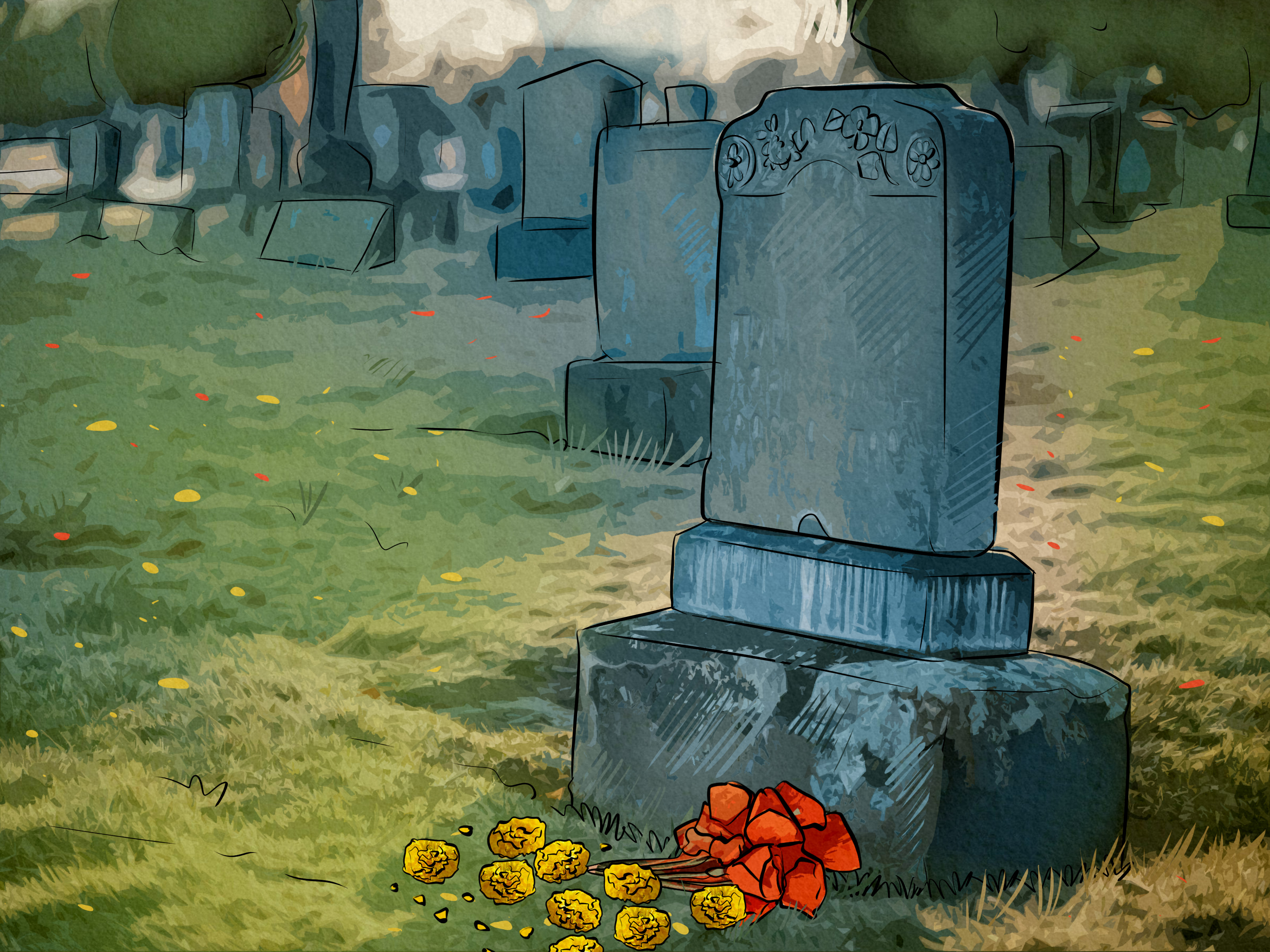
The red spider lily is famously associated with death in Japan. It blooms around the autumn equinox, a time connected with ancestral remembrance. It is also commonly seen near graves, temples, roadsides, and field edges. Over time, these visual associations helped turn the flower into a symbol of the dead and the journey beyond life.
There is also a practical reason for its cemetery connection. The bulbs contain toxic compounds, and historically they were planted near graves or rice fields to discourage animals from digging or damaging the area. This is a perfect example of how practical gardening can become mythology. First, people plant poisonous bulbs to keep pests away. Later, everyone agrees the flowers look like they belong on the road to the underworld. Honestly, the flower did bring that drama upon itself.
3. Rebirth and Spiritual Transition
Although the red spider lily is often described as a flower of death, that interpretation is incomplete. In Buddhist-influenced symbolism, death is not always an end; it can also be a passage, transformation, or step toward rebirth. The flower’s sudden emergence after dormancy makes it a powerful image of return.
This is why the red spider lily can symbolize reincarnation or the soul’s movement from one state to another. Its life cycle supports that reading. It disappears, waits underground, and then returns in a blaze of red. Subtle? Not even slightly. Effective? Absolutely.
Higanbana in Japanese Culture
In Japan, the red spider lily is called higanbana. The word combines higan, a Buddhist term often translated as “the other shore,” with bana, meaning flower. Higan occurs around the spring and autumn equinoxes, but the red spider lily is especially connected with the autumn season because that is when it blooms.
The phrase “other shore” carries deep symbolic weight. In Buddhist thought, it can refer to crossing from the world of suffering and illusion toward enlightenment. In folk imagination, it also became associated with the boundary between the living and the dead. That is why the red spider lily often feels like a flower growing at a threshold: between summer and autumn, life and death, memory and forgetting.
The Sanzu River and the Road of Souls
Japanese Buddhist folklore includes the Sanzu River, a mythological river that souls must cross after death. The red spider lily is often imagined as blooming along this path, guiding spirits toward the afterlife. This image is one reason the flower appears so often in supernatural stories and visual art.
The idea is haunting but also oddly gentle. The flower is not merely a warning sign. It is a guide. It marks the road when the traveler no longer knows where to go. In that sense, the red spider lily meaning is not just “death.” It is orientation in the dark.
Why You Should Not Casually Gift Red Spider Lilies
Because of these associations, red spider lilies are not usually considered cheerful bouquet flowers in Japanese culture. Giving them as a casual gift could send the wrong message. Imagine trying to say, “Congratulations on your new apartment,” and accidentally sending “May we meet only in the afterlife.” Not ideal. Flowers have manners too, and this one arrives wearing funeral symbolism.
That does not mean the red spider lily is disliked. On the contrary, it is admired for its beauty, seasonal power, and atmosphere. Many people visit famous blooming sites to photograph fields of higanbana. The key is context. In a garden, temple path, art piece, or seasonal festival, it can be breathtaking. In a birthday bouquet for someone unfamiliar with the symbolism, it may require a very long card.
Red Spider Lily in Chinese Culture and Mythology
The red spider lily is believed to have originated in China before spreading widely through East Asia. In Chinese, it is often associated with names connected to stone garlic or cluster amaryllis. Its cultural meaning is complex. In some interpretations, it represents beauty, elegance, and otherworldly purity. In others, especially through Buddhist and later popular influences, it is linked to death, separation, and the underworld.
Chinese and Japanese Buddhist traditions include references to heavenly or mysterious flowers, and later associations connected the red spider lily with manjushage, a flower name related to Buddhist texts and religious imagination. Over time, the red spider lily became a bridge between botany, religious metaphor, and folklore. It is a real plant, yes, but it also behaves like a symbol that escaped from a temple painting.
The Legend of Flowers and Leaves That Never Meet
One of the best-known legends tells of two beings, often described as guardians of the flower and the leaves. One cared for the blossom, the other for the foliage. Because the flower and leaves never appeared at the same time, the two guardians were destined never to meet. This story became a metaphor for lovers separated by fate.
The legend works because the plant itself seems to act it out every year. First the flowers bloom in red fire. Then they vanish. Only afterward do the leaves arrive, as if late to an appointment that ended centuries ago. Nature can be rude that way.
Red Spider Lily in Korean Symbolism
In Korean symbolism, the red spider lily is often connected with longing, remembrance, and love that cannot be fulfilled. The flower’s habit of separating bloom and leaf makes it a natural symbol for two people who care for each other but cannot be together at the same time.
This meaning is gentler than the flower’s darker funeral associations, but it is still bittersweet. It speaks to emotional distance, timing, and regret. In that sense, the red spider lily is not only about death; it is also about the living experiences that feel like small deaths: missed chances, unfinished conversations, and relationships that remain vivid even after they are gone.
The Red Spider Lily in American Gardens
In the United States, the red spider lily has a very different personality. It is still mysterious, but in Southern gardens it is also a beloved pass-along plant. Gardeners value it because it blooms when many summer flowers are fading. Its sudden red flowers bring fresh color to late-season landscapes, especially after rain.
The plant has a long history in Southern garden culture. Stories connect its arrival in North America to nineteenth-century trade with Japan and to bulbs brought back to North Carolina. Whether every detail of the story is perfectly documented or not, the flower became deeply rooted in Southern landscapes. Today, it appears in old gardens, cemetery plantings, borders, lawns, and courtyards.
Why Gardeners Love It
Gardeners appreciate the red spider lily because it is both dramatic and low-maintenance. It prefers well-drained soil, full sun to partial shade, and a period of summer dryness while dormant. Once established, the bulbs can remain undisturbed for years. They multiply by offsets, forming bright colonies that seem to appear by magic.
It is also a useful design plant. Because the flowers appear before the leaves, red spider lilies can be planted among groundcovers or perennials that hide the bare soil during dormancy. Then, when the season turns, the red flowers rise through the surrounding greenery like tiny fireworks with excellent posture.
Is the Red Spider Lily Poisonous?
Yes. The red spider lily is toxic if ingested, especially the bulb. Like other members of the amaryllis family, it contains alkaloids that can cause unpleasant symptoms in humans and animals. This toxicity is one reason the plant was historically used near rice fields and graves to discourage pests.
For modern gardeners, the advice is simple: admire the flower, do not eat it, and keep bulbs away from children and pets. The red spider lily is a beauty, not a snack. Some plants whisper this message. The red spider lily practically writes it in red ink.
Red Spider Lily in Anime, Manga, Tattoos, and Modern Art
The red spider lily has become extremely popular in modern visual culture. It appears in anime, manga, video games, tattoos, illustrations, and fashion designs. Artists use it because it communicates a mood instantly. A single red spider lily can suggest danger, memory, tragic love, death, reincarnation, or supernatural beauty without needing a long explanation.
In tattoo art, the flower often represents transformation, farewell, resilience, or a connection to someone who has passed away. Some people choose it for its darker symbolism; others choose it because it looks elegant and fierce. Both reasons are valid. Few flowers can look delicate and slightly threatening at the same time, but the red spider lily has range.
Why the Symbol Works So Well
The flower’s shape is visually unforgettable. Its curled petals and extended stamens create movement, almost like flames, claws, or threads. This makes it ideal for dramatic art. Its cultural meanings add emotional depth, while its botanical oddness gives it a built-in story.
Unlike generic floral symbols, the red spider lily does not feel vague. It has a specific atmosphere. It belongs to autumn rain, old paths, temple steps, gravesides, lost lovers, and sudden memories. It is basically the flower version of a beautifully shot movie scene where nobody says anything, but everyone understands the pain.
How to Interpret the Red Spider Lily Meaning Today
Today, the red spider lily meaning depends on how it is used. In a Japanese cultural context, it may strongly suggest death, parting, or the autumn equinox. In Korean-inspired symbolism, it may point toward longing or impossible love. In a garden context, especially in the American South, it can simply mean seasonal beauty, resilience, and the joy of surprise blooms.
The safest interpretation is layered: the red spider lily represents beauty at the edge of change. It blooms when summer is ending. It appears without leaves. It is toxic but lovely. It is connected to graves, but also to rebirth. It suggests goodbye, but also return. That contradiction is exactly why people keep talking about it.
Growing Red Spider Lilies: Practical Tips with Symbolic Bonus Points
If you want to grow red spider lilies, choose a site with well-drained soil and full sun to partial shade. Plant bulbs with the neck near or slightly above the soil surface, and avoid moving them too often. These bulbs do not enjoy being fussed over. Like many mysterious characters, they prefer stability and excellent drainage.
Do not panic if they fail to bloom the first year. Red spider lilies sometimes need time to establish strong roots before producing flowers. Once settled, they can bloom for many years and slowly form clumps. Their winter foliage should be left alone so the plant can store energy for the next bloom cycle.
Best Places to Use Them in the Landscape
Red spider lilies look beautiful along walkways, in woodland edges, beneath deciduous trees, in mixed borders, around courtyards, or near lawns where their foliage will not be mowed too early. They are especially effective when planted in groups. One flower is interesting. A whole drift of them looks like the garden opened a portal and decided to decorate it.
Personal Experiences and Reflections on Red Spider Lily Meaning
Encountering red spider lilies in person is different from seeing them in a photograph. Pictures capture the color, but they rarely capture the surprise. The first experience many people have with this flower is not slow discovery but sudden appearance. A path that looked ordinary last week is suddenly lined with red. A quiet garden corner becomes theatrical. A cemetery edge becomes strangely luminous. The plant seems less like it has grown and more like it has arrived.
That suddenness is part of the emotional experience. Red spider lilies make people notice time. They bloom when the year is turning, when summer heat begins to loosen its grip and autumn starts clearing its throat. Even if someone knows nothing about Japanese higanbana symbolism, the timing feels meaningful. The flower appears at a seasonal doorway. It says, without using words, “Something is ending, and something else is coming.”
For gardeners, the experience can be surprisingly joyful. You may forget where the bulbs are during the dormant months. Then rain comes, and the stalks rise. It feels like receiving a message from your own garden: “Hello, remember me?” This is one reason red spider lilies are beloved in old Southern landscapes. They behave like memories planted in the soil. You do not have to supervise them constantly. They return when their season arrives.
For people drawn to mythology, the red spider lily offers a different kind of experience. It invites contemplation. The idea that flowers and leaves never meet is simple, but it touches something universal. Everyone knows the feeling of bad timing. Everyone has a person, place, or version of themselves they can no longer reach. The plant turns that feeling into a visible pattern. It blooms, disappears, and then sends up leaves too late to meet the blossom. It is botanical poetry, and yes, it is a little rude of the plant to be so emotionally accurate.
In art and personal symbolism, the red spider lily often becomes a way to honor grief without making it plain or heavy-handed. A tattoo, illustration, or garden planting can carry private meaning. It may represent a loved one who has died, a farewell that changed someone’s life, or a period of transformation. Because the flower is beautiful rather than purely gloomy, it allows sorrow and elegance to exist together. That balance is one of its greatest strengths.
There is also a lesson in how cultures shape nature into meaning. The red spider lily did not wake up one morning and announce, “I shall now symbolize the afterlife.” People noticed its timing, toxicity, location, and strange growth pattern, then built stories around those traits. Over generations, those stories became powerful. The flower reminds us that symbolism is often born where observation meets imagination.
At the same time, modern viewers do not have to choose only one meaning. You can appreciate the red spider lily as a garden bulb, a Buddhist symbol, a Japanese autumn flower, a Korean emblem of longing, a Chinese plant with layered associations, or a visual icon in anime and tattoo culture. The meanings do not cancel one another. They accumulate. That is why the flower feels so rich.
Perhaps the most moving experience related to the red spider lily is the way it changes silence. A field of these flowers can feel quiet even when visitors are taking photos. The red color is loud, but the mood is still. It encourages people to pause. In a fast, noisy world, a flower that asks people to think about memory, impermanence, and return has real power.
So, what does the red spider lily mean? It means farewell, but not emptiness. It means death, but also passage. It means longing, but also beauty. It means the garden has a flair for drama and possibly a subscription to ancient folklore. Above all, it means change: the kind that hurts, the kind that heals, and the kind that arrives suddenly after rain.
Conclusion: A Flower at the Border of Beauty and Mystery
The red spider lily is one of the rare flowers whose meaning is as striking as its appearance. Its crimson petals, spider-like stamens, autumn bloom time, poisonous bulbs, and unusual leafless flowering habit have all contributed to its deep symbolism. Across Japan, China, Korea, and beyond, it has been linked to death, reincarnation, separation, longing, remembrance, and spiritual transition.
Yet the red spider lily is not only a dark symbol. It is also a flower of seasonal wonder, resilience, and return. In American gardens, it brings late-season color and a sense of surprise. In art, it adds emotional intensity. In mythology, it marks the road between worlds. It is beautiful, eerie, practical, poetic, and just dramatic enough to deserve every legend attached to it.
If roses are the flowers of romance and sunflowers are the flowers of optimism, the red spider lily is the flower of the threshold. It blooms where one chapter ends and another begins. And honestly, it does so with spectacular style.
Note: This article is written as original, web-ready content in standard American English and synthesizes real botanical, cultural, historical, and mythological information without copying source text.