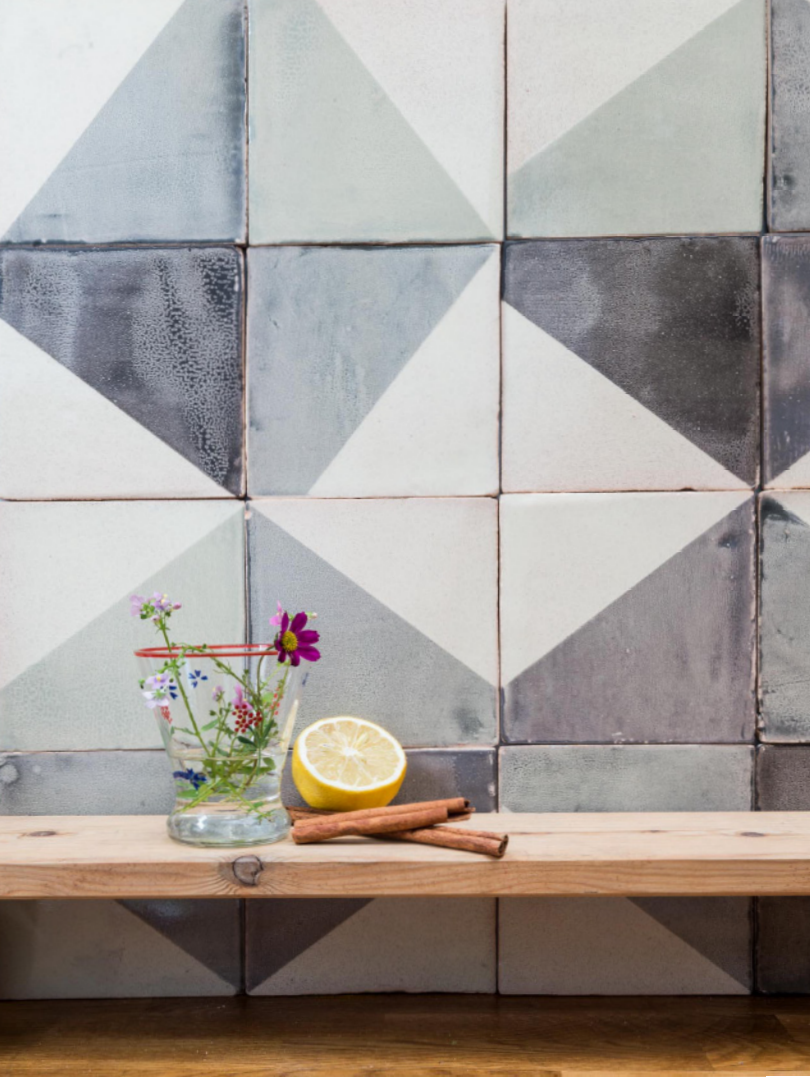
Some tiles politely sit on a wall and say, “Please do not notice me.” Recubed Ceramic Tile is not one of those tiles. It walks into a kitchen, bathroom, shower, or outdoor wall and brings geometry, handmade charm, color play, and just enough artistic confidence to make plain drywall feel underdressed.
Recubed Ceramic Tile refers to a handmade, screen-printed ceramic tile design known for its cube-inspired pattern, small-format square shape, and lively variations from piece to piece. Instead of looking factory-perfect, Recubed tiles lean into the beauty of human-made design: slight shifts in tone, texture, alignment, and surface character. In other words, they are tiles with personality. Not chaos. Personality.
For homeowners, designers, architects, and anyone who has stared at a blank backsplash wondering whether life has more to offer, Recubed Ceramic Tile offers a fresh way to add movement and depth without relying on oversized patterns or loud decorative murals. It is artistic, practical, and surprisingly versatile when used with a thoughtful layout and color palette.
What Is Recubed Ceramic Tile?
Recubed Ceramic Tile is a decorative handmade ceramic tile style associated with geometric patterning, screen-printed surfaces, and small square pieces. The design typically plays with cube-like forms, angular shapes, and repeating visual rhythm. Because the tiles are handmade, each piece may vary slightly in size, surface, color, and texture. These differences are not defects; they are part of the appeal.
Most Recubed tiles are around 14 x 14 centimeters, or roughly 5.5 x 5.5 inches. This size gives the tile enough surface area to show off its pattern while still allowing detailed layouts. The scale works especially well for backsplashes, accent walls, shower niches, fireplace surrounds, powder rooms, and boutique-style commercial spaces.
The tile is also known for screen printing, a process that transfers a design onto the ceramic surface before firing or finishing. Unlike flat printed wallpaper, screen-printed ceramic has a tactile quality. The result feels crafted rather than digitally stamped. It can look crisp from a distance and beautifully irregular up close, which is exactly the design sweet spot many homeowners want today.
Why Recubed Ceramic Tile Stands Out
The biggest reason Recubed Ceramic Tile stands out is simple: it combines art and utility. A painting is beautiful, but you probably should not grout it behind your stove. Ceramic tile, on the other hand, can handle moisture, heat, and daily cleaning when installed correctly. Recubed brings the decorative spirit of artwork into a surface material that can actually live in a busy home.
The cube-inspired pattern creates a subtle optical effect. Depending on the colors and layout, it can feel playful, architectural, retro, modern, or even textile-like. In a kitchen, it can turn a backsplash into a focal point. In a bathroom, it can add depth to a shower wall. In a small powder room, it can become the design moment that makes guests say, “Wait, where did you get this?” which is basically the Super Bowl of interior compliments.
Handmade Character
Mass-produced tiles are consistent, affordable, and useful, but they can sometimes feel a little too perfect. Recubed Ceramic Tile is different because handmade production allows tiny variations to remain visible. The edges may not be perfectly identical. The glaze may shift slightly. The printed pattern may have small differences. These details create warmth and movement.
This handmade character is especially valuable in rooms that need softness. Modern kitchens often include flat cabinet doors, smooth countertops, stainless appliances, and straight lines. A patterned handmade tile can prevent the space from feeling cold. It adds evidence of craft, and craft is what keeps a room from looking like it was assembled by a spreadsheet.
Geometric Pattern Without Visual Overload
Geometric tiles can be dramatic, but Recubed Ceramic Tile has a controlled rhythm. It gives the eye something to follow without demanding that every other design element in the room move out of the way. With softer colors, it can feel calm and architectural. With high-contrast tones, it becomes bold and graphic.
This flexibility makes Recubed a strong choice for homeowners who want pattern but do not want a trend that feels dated in two years. The cube motif has a classic mathematical quality, while the handmade surface keeps it from feeling sterile.
Best Places to Use Recubed Ceramic Tile
Recubed Ceramic Tile can work in many areas, but it performs best when the design has room to repeat. A single tile is attractive, but a field of Recubed tiles is where the pattern truly comes alive.
Kitchen Backsplashes
The kitchen backsplash is one of the best places to use Recubed Ceramic Tile. It protects the wall from splashes and cooking mess while adding personality at eye level. Since the tile is decorative, it can become the bridge between cabinets, countertops, flooring, and hardware.
For a modern kitchen, pair Recubed tile with slab-front cabinets, warm wood tones, and simple stone countertops. For a more vintage-inspired kitchen, choose warmer colors and combine them with brass fixtures, open shelving, and painted cabinetry. If your kitchen is mostly white, Recubed tile can rescue it from looking like a dental office with pendant lighting.
Bathroom Walls and Showers
Bathrooms are another natural home for Recubed Ceramic Tile. A shower wall, vanity backsplash, or tub surround can benefit from its waterproof glazed surface when paired with proper installation materials and waterproofing behind the tile. The pattern brings visual energy to a room that often has limited furniture and décor.
In small bathrooms, use Recubed tile strategically. A full room covered in bold geometric tile can feel exciting, but it may also make the space feel busy. A feature wall behind the vanity or inside a shower niche can deliver impact without overwhelming the room.
Fireplace Surrounds
Ceramic tile is often used around fireplaces because it handles heat better than many decorative wall finishes. Recubed Ceramic Tile can give a fireplace a crafted, architectural look. It works especially well in living rooms that mix old and new elements, such as traditional trim with modern furniture or vintage décor with clean-lined lighting.
Entryways and Mudrooms
In an entryway, Recubed Ceramic Tile can create a strong first impression. Used on a wall, bench backdrop, or small floor accent where appropriate, it adds pattern in a hardworking space. Because entryways often lack large decorative opportunities, tile can do the heavy lifting.
Commercial and Hospitality Spaces
Recubed Ceramic Tile is also a smart choice for boutique hotels, cafés, restaurants, salons, and retail spaces. Patterned ceramic tile can help define a brand atmosphere without relying on signs, murals, or trendy paint colors. A tiled counter front, bathroom wall, or bar backsplash can make a space feel custom and memorable.
Color Ideas for Recubed Ceramic Tile
Color is where Recubed Ceramic Tile becomes especially fun. Depending on the palette, the same geometric design can shift from calm to energetic.
Soft Neutrals
Neutral Recubed tiles in cream, taupe, gray, smoke blue, or soft brown feel understated and sophisticated. They are ideal for homeowners who want texture and pattern without strong contrast. Use them with natural wood, limestone-look counters, matte black hardware, or brushed nickel fixtures.
Earthy Warm Tones
Warm shades such as amber, ginger, rust, orange, clay, and brown give Recubed Ceramic Tile a cozy, European-inspired feel. These colors work beautifully with terracotta floors, walnut cabinets, unlacquered brass, plaster walls, and woven textures.
Blue and Green Palettes
Blue and green Recubed tiles feel fresh, relaxed, and slightly artistic. Delft blue, smoke blue, sage, olive, or deep green can make a bathroom feel serene or give a kitchen a crafted coastal look without leaning into seashell territory. Nobody needs a backsplash that screams “vacation rental bathroom.” A thoughtful blue or green tile whispers it instead.
High-Contrast Graphic Looks
For a bold effect, choose contrasting colors such as charcoal and cream, navy and white, or red and pale neutral. High contrast makes the cube pattern more visible and gives the room a strong design identity. This approach works best when surrounding finishes are simple.
How to Style Recubed Ceramic Tile
The key to styling Recubed Ceramic Tile is balance. Since the tile already brings movement, let other elements support it rather than compete with it.
Pair It With Simple Countertops
If you use Recubed tile as a backsplash, consider a quieter countertop. Marble-look quartz, soapstone, concrete-look surfaces, butcher block, or solid-color counters can all work well. Strong countertop veining plus bold geometric tile can be beautiful, but it requires a careful eye. Otherwise, the kitchen may look like two design ideas arguing over the microphone.
Use Grout Intentionally
Grout color changes the entire look of small-format tile. Matching grout softens the pattern and creates a more blended surface. Contrasting grout emphasizes each tile and makes the grid more visible. For handmade tiles, many designers prefer a grout color that is close to the tile base color because it allows the pattern and surface variation to shine.
Mix With Natural Materials
Recubed Ceramic Tile pairs beautifully with wood, stone, plaster, linen, cane, aged metal, and other natural textures. These materials echo the handmade quality of the tile and prevent the room from feeling too slick.
Let the Pattern Breathe
Because Recubed tile has visual movement, avoid crowding it with too many decorative accessories. Open shelves can work, but keep the styling edited. A few ceramic bowls, glassware, or plants are enough. The tile is already doing the jazz hands.
Installation Considerations
Installing handmade tile requires more planning than installing standard machine-made tile. The result can be stunning, but the process needs patience, skill, and realistic expectations.
Expect Variation
With handmade Recubed Ceramic Tile, variation is normal. Size, thickness, color, and surface texture may differ slightly from tile to tile. Before installation, dry-lay the tiles on the floor or a large table to review the mix. This helps distribute color and pattern variations evenly.
Order Extra Tile
Always order extra tile for cuts, breakage, and future repairs. Handmade tiles may have longer lead times, and a later batch may not match the original exactly. A waste allowance is not wasted money; it is insurance against future frustration.
Hire an Experienced Installer
A professional tile installer who understands handmade ceramic tile can make a major difference. Handmade tiles often require careful spacing, adjustment, leveling, and layout planning. The goal is not to force every piece into machine-like uniformity, but to create a finished surface that feels intentional and balanced.
Waterproof Wet Areas Correctly
For showers, tub surrounds, and other wet areas, remember that tile is only one part of the system. Proper waterproofing behind the tile is essential. A glazed ceramic tile surface may resist water, but the wall assembly still needs the right membrane, mortar, grout, and installation method. Beauty matters, but behind-the-wall performance is what keeps your dream shower from becoming an indoor weather event.
Cleaning and Maintenance
Recubed Ceramic Tile is relatively easy to maintain when installed and sealed properly. For routine cleaning, use warm water, mild dish soap, and a soft cloth or sponge. Avoid abrasive pads that can dull the surface. For kitchen backsplashes, wipe grease regularly before it builds into a mysterious cooking fossil.
Grout usually needs more attention than the tile itself. Clean grout lines with a soft brush and a gentle cleaner. Depending on the grout type, sealing may be recommended to reduce staining. In showers, good ventilation helps prevent mildew and soap scum. A quick squeegee after use may not feel glamorous, but neither does scrubbing grout on a Saturday morning while questioning your life choices.
Pros and Cons of Recubed Ceramic Tile
Pros
Recubed Ceramic Tile offers a distinctive handmade look, strong decorative value, durable ceramic performance, and excellent versatility for kitchens, bathrooms, showers, walls, and feature areas. Its geometric design creates visual depth, while its handcrafted surface adds warmth. It is also easier to personalize through color combinations than many standard tile options.
Cons
The main drawbacks are cost, lead time, and installation complexity. Handmade decorative tiles are typically more expensive than basic subway tile. They may require a minimum order quantity, extra planning, and a skilled installer. The variation that makes them beautiful can also surprise buyers who expect perfectly identical pieces.
Is Recubed Ceramic Tile Worth It?
Recubed Ceramic Tile is worth considering if you want a surface that feels artistic, durable, and personal. It is not the cheapest tile option, and it is not designed for people who want every line to look laser-straight. But for the right project, it can bring a level of character that standard tile rarely achieves.
It is especially worthwhile in areas where a smaller amount of tile can create a big effect. A backsplash, vanity wall, fireplace surround, or shower feature wall does not require covering an entire house. This makes Recubed tile a smart splurge: concentrated impact, manageable square footage, and maximum “where did you find that?” energy.
Real-Life Experience With Recubed Ceramic Tile
Choosing Recubed Ceramic Tile feels different from choosing a basic tile from a big-box shelf. With standard tile, the process is often practical: pick a size, pick a color, check the price, and move on. With Recubed, the process feels more like selecting artwork. You start thinking about rhythm, direction, color movement, grout tone, lighting, and how the pattern will behave across a full wall.
One of the most important experiences homeowners often have with this kind of tile is the “sample reality check.” A single Recubed tile may look charming in your hand, but the real magic appears when several pieces sit together. The pattern begins to repeat, the cube effect becomes clearer, and the small variations make the surface feel alive. This is why ordering samples and arranging them near your cabinets, counters, or bathroom finishes is so useful. Tile changes dramatically under different lighting. A color that looks soft in daylight may feel richer at night under warm bulbs.
Another practical experience is learning to appreciate imperfection. Handmade tile asks you to loosen your grip a little. If you are the kind of person who measures picture frames with a laser level, you may need a deep breath and perhaps a cookie. Recubed Ceramic Tile is not about sterile precision. It is about controlled variation. Once installed well, those tiny differences create depth that machine-made tile cannot fake.
During installation planning, many people discover that layout matters as much as color. The cube-inspired pattern can create different visual effects depending on rotation and placement. Before committing, it helps to photograph several layout options. Look at them from a distance, then close up. A pattern that feels bold on the table may look perfectly balanced once spread across a backsplash.
Living with Recubed Ceramic Tile is usually a pleasure because it gives the room a built-in focal point. In a kitchen, it makes simple cabinets feel more intentional. In a bathroom, it adds charm without needing extra décor. In a powder room, it can make a small space feel designed rather than merely decorated. Guests notice it because it does not look generic. That alone can make the investment feel rewarding.
Maintenance is also part of the experience. The tile surface itself is straightforward to clean, but grout deserves attention. Choosing a grout color close to the tile background can make everyday maintenance feel easier because minor discoloration is less obvious. In a kitchen, wiping the backsplash after heavy cooking keeps the surface looking fresh. In a shower, ventilation and regular drying help preserve the finish and grout lines.
The biggest lesson from working with Recubed Ceramic Tile is that it rewards patience. Do not rush the order. Do not skip samples. Do not hire the cheapest installer just because they once tiled a cousin’s laundry room in 2009. Good handmade tile deserves thoughtful installation. When everything comes together, the result feels layered, personal, and quietly luxurious.
Recubed Ceramic Tile is best for people who want design with a pulse. It is not trying to disappear. It is not trying to mimic marble, wood, or concrete. It is proudly ceramic, proudly patterned, and proudly handmade. In a world full of safe beige rectangles, that confidence is refreshing.
Conclusion
Recubed Ceramic Tile is a strong choice for homeowners and designers who want more than a basic surface. Its handmade construction, screen-printed geometric pattern, compact square format, and rich color possibilities make it ideal for backsplashes, bathrooms, showers, fireplaces, and statement walls. It combines practical ceramic performance with the charm of crafted design.
The key is to plan carefully. Order samples, expect natural variation, choose grout thoughtfully, and work with an installer who understands handmade tile. When done well, Recubed Ceramic Tile can turn an ordinary room into a memorable space with depth, texture, and personality. It is proof that tile does not have to be background music. Sometimes, it gets to sing lead.
Note: This article is written for web publication and synthesizes real product characteristics, ceramic tile design principles, installation guidance, and maintenance best practices into original SEO-friendly content.