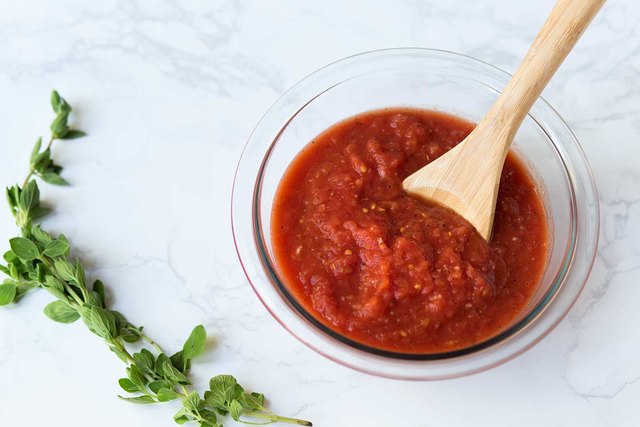
Note: This homemade pizza sauce recipe is designed for home ovens, everyday ingredients, and people who believe pizza night should involve more cheese than stress.
Great pizza does not begin with a mountain of toppings. It begins with sauce. A good homemade pizza sauce should taste bright, savory, lightly garlicky, and unmistakably tomato-forward. It should also be thick enough to stay where you put it instead of turning your beautiful crust into a soggy little tomato raft.
The good news is that making pizza sauce from scratch is not a culinary marathon. You do not need a wood-fired oven, an Italian grandmother glaring at your stirring technique, or a shelf full of mysterious spices. With canned tomatoes, garlic, olive oil, herbs, and a few smart choices, you can make a rich, flavorful sauce in about 20 minutes.
This recipe for homemade pizza sauce is flexible enough for classic cheese pizza, pepperoni, veggie pizza, calzones, pizza rolls, and late-night “I only had one slice” situations. It delivers a balanced tomato flavor without tasting like pasta sauce dumped on dough.
Why Homemade Pizza Sauce Tastes Better
Store-bought pizza sauce can be convenient, but it often comes with extra sugar, too much salt, or a flavor that is trying very hard to be exciting. Homemade sauce gives you control. You decide whether it should be tangy, garlicky, spicy, sweet, chunky, smooth, or all of the above.
Pizza sauce is also different from a long-simmered pasta sauce. Pasta sauce is often cooked for a longer time and may include onions, carrots, wine, meat, or a larger amount of herbs. Pizza sauce is usually simpler and thicker because it finishes cooking in the oven. The pizza oven does part of the work, which is excellent news for anyone who enjoys flavor but does not enjoy washing three saucepans.
The best homemade pizza sauce has three jobs:
- Bring a fresh tomato flavor to every bite.
- Add moisture without soaking the crust.
- Support the cheese and toppings instead of competing with them.
Easy Recipe for Homemade Pizza Sauce
This cooked pizza sauce has a deeper flavor than a basic no-cook sauce, but it is still fast enough for a weeknight. It makes approximately 2 1/2 cups, enough for four to six medium pizzas depending on how generously you sauce them.
Ingredients
- 1 tablespoon extra-virgin olive oil
- 2 cloves garlic, finely minced
- 1 can (28 ounces) crushed tomatoes or whole peeled tomatoes
- 2 tablespoons tomato paste
- 1 teaspoon dried oregano
- 1/2 teaspoon kosher salt, plus more to taste
- 1/4 teaspoon freshly ground black pepper
- 1/4 teaspoon red pepper flakes, optional
- 1/2 teaspoon granulated sugar, optional
- 4 to 5 fresh basil leaves, optional
Instructions
- Prepare the tomatoes. If using whole peeled tomatoes, crush them with clean hands, a fork, or a few quick pulses in a food processor. Do not blend them until perfectly smooth unless you enjoy sauce with the personality of tomato-colored wallpaper.
- Warm the olive oil. Heat the olive oil in a medium saucepan over medium-low heat.
- Cook the garlic briefly. Add the minced garlic and stir for about 30 seconds, just until fragrant. Do not let it brown deeply. Burnt garlic can turn a promising pizza sauce into a tiny tragedy.
- Add the tomato base. Stir in the crushed tomatoes, tomato paste, oregano, salt, black pepper, and red pepper flakes.
- Simmer until thick. Bring the sauce to a gentle simmer. Reduce the heat to low and cook for 15 to 20 minutes, stirring occasionally, until thickened.
- Balance the flavor. Taste the sauce. Add sugar only if the tomatoes seem sharply acidic. Stir in fresh basil during the final few minutes of cooking, then remove the leaves before using the sauce.
- Cool before assembling pizza. Let the sauce cool slightly before spreading it over dough. Warm sauce can soften the dough before it reaches the oven, which is not the kind of drama pizza night needs.
How Much Pizza Sauce Should You Use?
More sauce is not always better. This is one of the most common homemade pizza mistakes. A heavily sauced pizza may sound glorious in theory, but too much moisture can prevent the crust from crisping properly.
For a 12-inch thin-crust pizza, start with about 1/3 cup sauce. Spread it in a thin, even layer, leaving a border around the edge for the crust. For a thicker pan pizza, Detroit-style pizza, or deep-dish pizza, you can use a little more because the crust is built to handle it.
A simple rule works well: the dough should still be visible in a few faint spots after you spread the sauce. Think “light jacket,” not “tomato snowstorm.”
Choosing the Best Tomatoes for Pizza Sauce
The tomato product you choose has a major effect on the final flavor. High-quality canned tomatoes are often more reliable than fresh tomatoes, especially when tomatoes are out of season. Canned tomatoes are packed when ripe, so they can deliver a bright, sweet tomato flavor without requiring a produce-market scavenger hunt.
Crushed Tomatoes
Crushed tomatoes are the easiest choice for a quick homemade pizza sauce. They have a ready-to-use texture and usually require less blending or crushing. Choose a brand with tomatoes, tomato juice, and minimal additives when possible.
Whole Peeled Tomatoes
Whole peeled tomatoes give you more control over texture. You can crush them by hand for a rustic sauce or pulse them briefly for a smoother finish. They are an excellent choice for Neapolitan-style and Margherita pizza.
Tomato Purée or Passata
Tomato purée or passata creates a smooth, silky sauce. It is useful when you want a uniform layer, especially for thin-crust pizza. Because purée can be thinner than crushed tomatoes, simmer it a little longer or add a small spoonful of tomato paste.
What Makes Pizza Sauce Thick Enough?
Thickness matters because pizza bakes at high heat. If the sauce is watery, steam builds up under the cheese and can leave the center of the pizza limp. Nobody orders a pizza hoping it folds like a damp postcard.
Tomato paste is the easiest way to add body without making the sauce taste heavy. A small amount deepens the tomato flavor and helps the sauce cling to dough. Simmering also reduces excess liquid and concentrates the natural sweetness of the tomatoes.
If your sauce still seems loose after simmering, cook it for another five minutes with the lid off. If it becomes too thick, stir in a tablespoon or two of water. Pizza sauce should spread easily with the back of a spoon, but it should not run across the crust like it is trying to escape.
No-Cook Pizza Sauce Option
When time is short, a no-cook pizza sauce can be just as delicious. This style is especially good for pizzas baked at very high temperatures because the sauce cooks directly on the dough.
Quick No-Cook Pizza Sauce
- 1 can (28 ounces) whole peeled tomatoes, lightly drained
- 1 tablespoon extra-virgin olive oil
- 1 small garlic clove
- 3/4 teaspoon kosher salt
- 1/2 teaspoon dried oregano
- Pinch of red pepper flakes, optional
Pulse everything in a blender or food processor until mostly smooth but still slightly textured. Taste and adjust the salt. Use immediately or refrigerate for a few hours so the garlic and herbs have time to mingle politely.
This uncooked version tastes fresher and brighter than simmered sauce. The cooked version tastes richer and more rounded. Neither is wrong. Pizza has enough rules already; sauce does not need to become one of them.
Flavor Variations for Homemade Pizza Sauce
Garlic Lover’s Pizza Sauce
Add one extra garlic clove and a pinch of garlic powder. The fresh garlic provides aroma, while garlic powder gives a deeper, slightly roasted background flavor.
Spicy Pizza Sauce
Increase the crushed red pepper flakes to 1/2 teaspoon, or add a small spoonful of Calabrian chile paste. Keep the heat balanced so it supports pepperoni, sausage, mushrooms, or roasted vegetables instead of overwhelming them.
Sweet and Tangy Pizza Sauce
Add 1 teaspoon of sugar and 1 teaspoon of balsamic vinegar near the end of cooking. This version works beautifully with salty toppings such as bacon, ham, olives, or feta.
Herby Italian Pizza Sauce
Add a pinch of dried basil, thyme, or marjoram along with the oregano. Use dried herbs early in the cooking process so their flavor has time to bloom. Add fresh basil at the end for a cleaner, brighter finish.
Common Homemade Pizza Sauce Mistakes
Using Too Much Sauce
A thick layer of sauce can make pizza heavy and soggy. Start with less than you think you need. You can always serve extra sauce for dipping, but it is hard to rescue a crust that has become a tomato swamp.
Overloading the Sauce With Herbs
Oregano, basil, garlic, and red pepper flakes are useful, but they should not bury the tomatoes. Pizza sauce should taste like tomatoes first and seasoning second.
Cooking the Garlic Too Long
Garlic burns quickly. Keep the heat moderate and add tomatoes soon after the garlic becomes fragrant. Deeply browned garlic can make the entire sauce bitter.
Skipping the Taste Test
Tomatoes vary from can to can. Some are naturally sweet, while others need a tiny pinch of sugar or a little more salt. Taste the sauce before it goes on the pizza. Your future self, holding a hot slice, will appreciate the effort.
How to Store Homemade Pizza Sauce
Let the sauce cool, then transfer it to a clean airtight container. Refrigerate it within two hours. For best food safety and flavor, use refrigerated homemade pizza sauce within three to four days.
For longer storage, freeze the sauce in small portions. Freezing 1/3-cup or 1/2-cup portions makes pizza night much easier because you can thaw exactly what you need. Silicone muffin trays, freezer-safe containers, or small zip-top bags all work well.
Thaw frozen sauce overnight in the refrigerator, then stir before using. If it separates slightly after thawing, that is normal. A quick stir brings it back together.
Ways to Use Leftover Pizza Sauce
Leftover homemade pizza sauce is not a problem. It is a future meal pretending to be a container in your fridge.
- Use it as a dipping sauce for garlic bread, mozzarella sticks, or breadsticks.
- Spread it inside calzones, stromboli, or pizza rolls.
- Use it as a shortcut sauce for baked ziti or lasagna.
- Spoon it over chicken Parmesan or eggplant Parmesan.
- Spread it on English muffins, bagels, pita bread, or tortillas for quick mini pizzas.
- Mix it into meatball sandwiches or sloppy pizza sandwiches.
Experiences From Homemade Pizza Sauce Nights
Homemade pizza sauce has a funny way of changing the mood of a kitchen. At first, it seems like a tiny detail. You might think sauce is sauce, cheese is cheese, and once pepperoni enters the conversation, nobody is going to care. Then you make one batch that tastes fresh, garlicky, and balanced, and suddenly the jar in the refrigerator starts looking a little suspicious.
Many home cooks discover that the first successful sauce is less about perfection and more about confidence. The tomatoes do not need to come from a secret market hidden behind a bakery in Naples. The garlic does not need to be measured with laboratory precision. What matters is learning how the sauce should taste before it hits the dough: bright but not harsh, seasoned but not salty, thick but not stiff.
Pizza night also teaches an important lesson about restraint. It is tempting to pile on sauce, cheese, vegetables, meat, and enough toppings to require structural engineering. But the best homemade pizzas often happen when each ingredient has room to do its job. A thin layer of pizza sauce lets the crust bake properly, helps the cheese brown, and keeps the toppings from sliding off in one glorious but messy avalanche.
There is also something satisfying about adjusting the sauce to match the people eating it. One family might like extra oregano and black olives. Another might want a mellow sauce with no spice for younger eaters. Someone else may want enough red pepper flakes to make the kitchen feel slightly dramatic. A homemade recipe can handle all of that. It becomes less of a fixed formula and more of a reliable starting point.
Over time, the sauce often becomes part of the routine. A batch gets made on Sunday, frozen in small portions, and used for quick dinners later in the week. One night it goes on a classic cheese pizza. Another night it becomes a dip for breadsticks, a sauce for pizza bagels, or the base for a skillet of baked pasta. The sauce earns its place because it is useful, not because it demands attention.
The most memorable part of homemade pizza sauce is usually not the exact amount of oregano or the brand of tomatoes. It is the moment the pizza comes out of the oven, the cheese is bubbling, the edges are browned, and everyone suddenly appears in the kitchen “just to check on it.” That is when a simple saucepan of tomatoes becomes part of a meal people remember.
Making pizza sauce from scratch is not about proving that store-bought sauce is bad. It is about having another option: one that tastes personal, costs very little, and makes homemade pizza feel more like an occasion. Once you find your favorite balance of tomatoes, garlic, herbs, and heat, you may stop following the recipe exactly. That is not failure. That is how a recipe becomes yours.
Final Thoughts
This recipe for homemade pizza sauce proves that better pizza does not require complicated ingredients or hours at the stove. A can of tomatoes, a little olive oil, garlic, oregano, and a short simmer can create a sauce that tastes fresher, richer, and more customizable than many store-bought options.
Make a batch, freeze a few portions, and keep it ready for pizza emergencies. Because sometimes the most important kitchen skill is knowing how to turn dough, cheese, and a simple tomato sauce into a dinner everyone suddenly has strong opinions about.