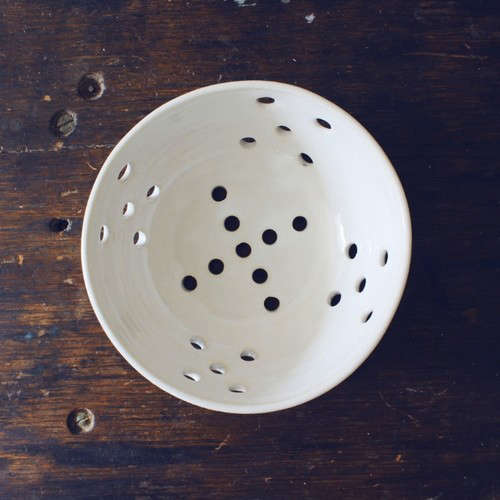
A porcelain berry bowl may sound like the kind of object that belongs in a cottage kitchen where sunlight pours through linen curtains and someone always has fresh scones cooling on the counter. But this charming little dish is more than a pretty face. It is a hardworking kitchen tool designed to rinse, drain, serve, and display berries without making your countertop look like a fruit crime scene.
At its simplest, a porcelain berry bowl is a small bowl or basket with drainage holes, often shaped like a miniature farmers market berry box, colander, or footed serving dish. It is commonly used for strawberries, blueberries, raspberries, blackberries, cherries, grapes, cherry tomatoes, and even small garden vegetables. Because porcelain is smooth, nonporous, and elegant, it gives the everyday act of washing fruit a tiny glow-up. Your berries get rinsed. Your table looks intentional. Your breakfast suddenly appears to have a public relations team.
This guide explains what a porcelain berry bowl is, how to use one, what to look for when buying one, how to care for it, and why this modest kitchen accessory has become a favorite among home cooks, hosts, gardeners, and anyone who believes fruit deserves better than being abandoned in a plastic clamshell.
What Is a Porcelain Berry Bowl?
A porcelain berry bowl is a small perforated bowl made from high-fired ceramic material. Unlike a standard mixing bowl, it has holes along the bottom and sometimes the sides, allowing water to drain after rinsing delicate fruit. Many porcelain berry bowls are designed to go straight from sink to table, which is their biggest advantage over a large metal colander. They are functional enough for prep work and attractive enough for serving.
Most berry bowls hold between one pint and one quart of fruit. Some come with a matching saucer or tray to catch drips, while others are styled like vintage berry baskets. You may see them described online as a ceramic berry basket, porcelain fruit colander, berry washing bowl, berry strainer bowl, or farmhouse berry bowl. The names vary, but the idea is the same: rinse, drain, and serve fruit in one beautiful piece.
Why Porcelain Works So Well for Berries
Berries are fragile. Raspberries can collapse if you look at them too sternly. Strawberries bruise easily, blueberries roll everywhere, and blackberries seem determined to stain anything white within a three-foot radius. A porcelain berry bowl helps by giving small fruits a contained space where they can be gently rinsed and drained without being tossed around in a giant kitchen colander.
Porcelain Is Smooth and Nonporous
High-quality porcelain is fired at very high temperatures, creating a dense, hard surface. This matters because a smooth glazed surface is easier to clean and less likely to absorb moisture, odors, or pigments from fruit. When properly glazed and labeled food-safe, porcelain is suitable for serving fresh produce, desserts, snacks, and other ready-to-eat foods.
It Doubles as Serveware
The magic of a porcelain berry bowl is that it does not look like a tool you forgot to put away. A stainless steel colander works, of course, but most people do not place one in the middle of a brunch table and wait for applause. A porcelain berry bowl, on the other hand, can sit beside pancakes, yogurt, granola, whipped cream, pound cake, or a cheese board and look completely at home.
Drainage Helps Prevent Soggy Fruit
After rinsing berries, extra moisture is the enemy. Water trapped under fruit can encourage mushiness and shorten freshness. A perforated berry bowl allows water to drain away quickly. If your bowl has a matching tray, you can let fruit sit for a short time while the tray catches drips. For longer storage, however, berries should usually be dried well and refrigerated in a breathable container or lined storage dish.
How to Use a Porcelain Berry Bowl
Using a porcelain berry bowl is wonderfully simple. There are no buttons, apps, filters, charging cords, or mysterious settings labeled “eco turbo.” It is a bowl with holes. Humanity can handle this.
Step 1: Sort the Berries
Before washing, check your berries and remove any that are moldy, crushed, leaking juice, or past their prime. One spoiled berry can quickly affect the rest. This is especially important with strawberries, raspberries, and blackberries because they contain more moisture and have delicate skins.
Step 2: Rinse Gently
Place the berries in the porcelain berry bowl and rinse them with cool running water. Use a gentle stream rather than a dramatic waterfall. For especially fragile berries like raspberries, you can lower the bowl into a larger bowl of cool water, lift it out, and let the water drain through the holes.
Step 3: Drain Thoroughly
Let the berries sit in the bowl for a minute or two so excess water can drain. Give the bowl a gentle tilt if needed. Avoid shaking it aggressively unless your goal is berry salsa.
Step 4: Dry When Needed
If you are serving the berries immediately, a little moisture is usually fine. If you plan to store them, spread them on a clean towel or paper towel and let them dry first. Storing wet berries is one of the fastest ways to invite mold to the party, and mold is a terrible guest.
Step 5: Serve Beautifully
Once drained, the bowl can go straight to the table. Use it for fresh fruit at breakfast, berries for cocktails, cherries for dessert, grapes for snacking, or rinsed cherry tomatoes from the garden. A porcelain berry bowl turns “I washed fruit” into “I curated a moment.”
Best Foods to Serve in a Porcelain Berry Bowl
Although the name suggests berries, this bowl is more flexible than it looks. A good porcelain berry bowl can handle many small foods that benefit from rinsing, draining, or stylish serving.
- Strawberries: Remove mushy berries first, rinse gently, and drain well.
- Blueberries: Ideal for berry bowls because they are sturdy and easy to rinse.
- Raspberries: Use a very gentle rinse or dip method to avoid crushing them.
- Blackberries: Drain carefully and pat dry if storing.
- Cherries: A porcelain bowl makes cherries look especially elegant on a summer table.
- Grapes: Rinse, drain, and serve chilled for easy snacking.
- Cherry tomatoes: Great for gardeners who bring in small harvests.
- Snap peas: Rinse and serve as a crisp snack or appetizer.
- Mini peppers: Use the bowl for colorful party prep.
What to Look for When Buying a Porcelain Berry Bowl
Not all porcelain berry bowls are created equal. Some are sturdy everyday pieces; others are delicate decorative dishes better suited to admiring than handling. When choosing one, focus on function first, then style.
Food-Safe Glaze
The most important feature is a food-safe glaze. A berry bowl is meant to touch fresh fruit, so it should be clearly labeled as safe for food use. Be cautious with antique, handmade, imported, or purely decorative ceramic pieces if they are not labeled for food. Decorative pottery may contain glazes that are not intended for serving food, especially acidic foods like berries.
Good Drainage Holes
Look for evenly spaced holes that are large enough to drain water but not so large that blueberries escape like tiny round fugitives. Holes on the bottom are essential. Holes on the sides can help water drain faster and create a classic berry basket look.
A Matching Saucer or Tray
A saucer is not mandatory, but it is useful. It catches drips after rinsing and protects your counter or table. If you often serve fruit at brunch, picnics, or dessert boards, a tray makes the bowl more convenient.
Comfortable Size
A small bowl is perfect for one pint of berries, while a larger one works better for family breakfasts or entertaining. If you buy berries in large containers, choose a wider bowl so the fruit is not stacked too deeply. Shallow layers reduce bruising.
Stable Base
A good berry bowl should sit flat and steady. A wobbly bowl full of blueberries is a slapstick routine waiting to happen. Check that the base is even, especially with handmade pieces.
Dishwasher-Safe Label
Many porcelain pieces are dishwasher-safe, but not all. Hand-painted designs, metallic accents, delicate decals, and artisan glazes may require hand washing. Always follow the maker’s care instructions.
Porcelain Berry Bowl vs. Ceramic Berry Bowl
The terms porcelain and ceramic are often used together, but they are not exactly the same. Ceramic is a broad category that includes earthenware, stoneware, and porcelain. Porcelain is a type of ceramic known for being dense, smooth, strong, and often slightly translucent when thin.
A porcelain berry bowl usually has a refined appearance and a hard glazed surface. Stoneware berry bowls may feel heavier and more rustic. Earthenware can be charming but may be more porous if not properly glazed. For everyday kitchen use, porcelain and high-fired stoneware are both excellent choices when they are properly glazed and food-safe.
How to Clean and Care for a Porcelain Berry Bowl
Porcelain is relatively easy to care for, but it still appreciates gentle treatment. Treat it well, and it may last for years. Treat it like a hockey puck, and the kitchen gods will respond accordingly.
Wash Soon After Use
Berry juice can leave stains if it sits too long, especially from blackberries, blueberries, or cherries. Rinse the bowl soon after use, then wash with warm water, mild dish soap, and a soft sponge.
Avoid Abrasive Scrubbers
Steel wool and harsh scouring pads can dull or scratch glazed surfaces. A soft sponge or cloth is usually enough. For stubborn stains, soak the bowl briefly in warm soapy water, then clean gently.
Check Before Using in the Microwave
Most berry bowls are not used for heating, but if you plan to microwave anything in one, confirm it is microwave-safe. Pieces with metallic decoration should not go in the microwave.
Store Carefully
If your porcelain berry bowl has a matching saucer, store the pieces with a soft cloth or paper towel between them to prevent scratches. Avoid stacking heavy items inside the bowl because the perforated structure may be more vulnerable than a solid serving bowl.
Can You Store Berries in a Porcelain Berry Bowl?
You can briefly hold berries in a porcelain berry bowl, especially when serving them soon. For longer storage, the answer depends on the berries and the conditions. Fresh berries generally last best when kept cold, dry, and loosely covered. Washing berries before storage can introduce moisture, which may speed spoilage. For that reason, many produce-care recommendations suggest rinsing berries shortly before eating rather than immediately after bringing them home.
If you want to use your porcelain berry bowl for storage, line the matching tray with a paper towel, make sure the berries are dry, and refrigerate them uncovered or loosely covered for airflow. This works best for sturdier berries like blueberries. For raspberries and blackberries, which are more fragile, use extra care and avoid stacking them deeply.
Styling Ideas for a Porcelain Berry Bowl
A porcelain berry bowl is one of those rare kitchen items that earns its cabinet space twice: once as a tool and again as decor. Even when empty, it can add texture and charm to a shelf, breakfast nook, or open kitchen display.
Breakfast Table
Fill it with blueberries or sliced strawberries and place it next to oatmeal, yogurt, waffles, pancakes, or toast. The bowl makes a simple breakfast feel hosted, even if the guest list is just you and a half-awake houseplant.
Dessert Bar
Use a porcelain berry bowl for strawberries beside angel food cake, pound cake, whipped cream, or chocolate sauce. The drainage holes keep fruit from sitting in excess water, and the presentation looks bright and fresh.
Cheese Board
Small clusters of grapes, cherries, or blackberries look beautiful in a white porcelain bowl. It adds height and keeps juicy fruit from rolling into crackers.
Garden Harvest Station
If you grow cherry tomatoes, currants, herbs, or small peppers, keep a berry bowl near the sink during harvest season. It is ideal for washing small amounts of produce without dragging out a large colander.
Common Mistakes to Avoid
A porcelain berry bowl is simple, but a few small mistakes can reduce its usefulness or shorten its life.
- Washing berries too early: Moisture can encourage spoilage, so rinse berries close to serving time when possible.
- Storing wet fruit: Always dry berries well before refrigerating them for later.
- Using decorative pottery for food: Only use bowls clearly labeled food-safe.
- Overloading the bowl: Deep piles can bruise delicate berries.
- Scrubbing with harsh pads: Abrasive tools may damage the glaze.
- Skipping the tray: If the bowl has no saucer, place it on a towel after rinsing to catch drips.
Is a Porcelain Berry Bowl Worth It?
For someone who rarely eats fresh fruit, a porcelain berry bowl may be more charming than necessary. But for berry lovers, home gardeners, brunch hosts, cottagecore dreamers, and people who enjoy practical beauty, it is absolutely worth considering.
The best kitchen tools are the ones you actually want to use. A porcelain berry bowl makes a small daily task feel pleasant. It encourages you to wash fruit, serve it attractively, and keep healthy snacks visible. That may sound minor, but kitchen habits often depend on convenience. When fresh berries are rinsed, drained, and presented beautifully, they tend to disappear faster than cookies at an office meeting.
Porcelain Berry Bowl Gift Ideas
A porcelain berry bowl also makes a thoughtful gift. It is more personal than a plain utensil and more useful than a purely decorative object. Pair it with a carton of local strawberries, a jar of honey, a linen towel, or a simple recipe card for berry shortcake. It works well for housewarming gifts, Mother’s Day, bridal showers, birthdays, garden party hosts, and anyone who has ever said, “I don’t need anything,” while clearly needing something adorable.
For a more elevated gift, choose a handmade porcelain berry bowl with a matching saucer. For a practical everyday gift, choose a dishwasher-safe white porcelain version that matches almost any kitchen. If the recipient loves color, look for soft blue, sage green, blush, or hand-painted floral designs.
Real-Life Experiences With a Porcelain Berry Bowl
The first time you use a porcelain berry bowl, it may feel like an unnecessary luxury. After all, a regular colander can rinse strawberries perfectly well. But the difference becomes clear when the bowl moves from the sink to the table without needing a second dish. Instead of washing berries, transferring them to a towel, moving them to a serving bowl, and then washing multiple items, you rinse, drain, and serve in one step. It is not revolutionary in the way electricity was revolutionary, but on a busy morning, fewer dishes can feel like a small domestic miracle.
One of the best experiences with a porcelain berry bowl is during weekend breakfast. Imagine rinsing blueberries, letting them drain for a minute, and setting the bowl beside yogurt, granola, and honey. The berries look fresh and intentional, not like they were panic-dumped from a plastic container. Guests naturally reach for them. Children do too, partly because small bowls with holes are apparently more interesting than regular bowls. The fruit becomes part of the table, not an afterthought hiding in the fridge.
The bowl is also surprisingly helpful for people trying to eat more fruit. Visual cues matter. A clean porcelain berry bowl filled with strawberries on the counter for a short serving window makes fruit look inviting. Of course, berries should not sit out all day, but placing them out during breakfast, snack time, or dessert encourages people to grab a handful. It turns healthy eating from a lecture into a pretty little invitation.
In a garden kitchen, the experience is even better. Bringing in a handful of cherry tomatoes or freshly picked blackberries and rinsing them in a porcelain bowl feels wonderfully old-fashioned. It connects the garden to the table in a way plastic containers never quite manage. The bowl catches the harvest, drains the rinse water, and becomes the serving dish. There is a reason these pieces often appear in farmhouse kitchens and market-inspired decor: they fit naturally into the rhythm of seasonal food.
There are practical lessons, too. Raspberries need gentleness. If you blast them with water, they may collapse into pink sadness. Blueberries are forgiving and perfect for everyday use. Strawberries are best rinsed shortly before eating, then dried if they are not being served right away. Blackberries can stain, so washing the bowl soon after serving is smart. A white porcelain berry bowl is beautiful, but it will reveal berry juice faster than a darker glaze. That is not a flaw; it is just porcelain being honest.
The biggest surprise is how often the bowl gets used for things that are not berries. It works for grapes, cherries, snap peas, kumquats, small citrus, olives, and even wrapped candies during holidays. Some people use it as a countertop catchall for garlic bulbs or shallots, though food-contact use should stay clean and sensible. Others keep it on display because the perforated shape adds texture to open shelving. In daily life, a porcelain berry bowl becomes one of those quiet objects that makes the kitchen feel warmer, more useful, and slightly more charming than it has any right to be.
Conclusion
A porcelain berry bowl is a small kitchen piece with big everyday appeal. It rinses delicate fruit, drains excess water, serves beautifully, and adds charm to the table without demanding much space. The best porcelain berry bowls are food-safe, easy to clean, stable, well-drained, and sized for the way you actually eat fruit. Whether you use one for blueberries at breakfast, strawberries for dessert, cherry tomatoes from the garden, or grapes on a cheese board, it brings together function and beauty in a way few simple tools can.
In a world full of complicated gadgets, the porcelain berry bowl is refreshingly straightforward. It does not beep, sync, update, or ask for your Wi-Fi password. It simply helps you wash and serve berries with grace. Sometimes, that is exactly what a kitchen needs.
Note: This article is written for general home, kitchen, and food-care education. Always follow the care label on your specific porcelain berry bowl and use only food-safe ceramic pieces for serving fresh produce.