Hair loss is one of those life experiences that can make a person suddenly become an amateur lighting technician. Overhead bulbs? Suspicious. Bathroom mirrors? Hostile. Wind? Absolutely personal. So it is not surprising that thousands of people have gathered in online communities to compare notes, share progress photos, and ask the same hopeful question: “Is this finally working, or am I just standing under kinder lighting?”
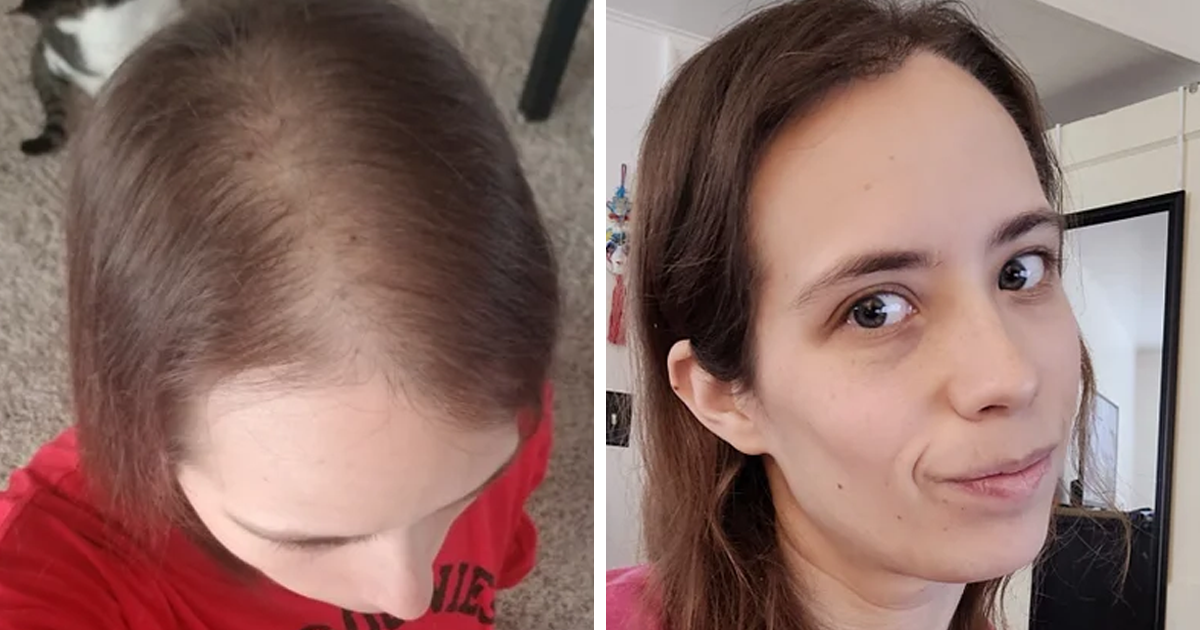
The dedicated hair loss community often discussed in viral “30 pics” roundups is built around before-and-after posts from people trying treatments such as minoxidil, finasteride, microneedling, ketoconazole shampoo, platelet-rich plasma therapy, low-level laser devices, and hair transplants. Some results look dramatic. Others are subtle. Many come with months of uncertainty, awkward shedding phases, side effects, routine changes, and a surprising amount of scalp photography.
What makes these hair loss treatment results fascinating is not just the photos. It is the human story behind them: the patience, the skepticism, the tracking, the disappointment, the small wins, and the occasional “wait, did my hairline just clock back in?” moment. Still, online progress pictures should be treated as inspiration, not a medical diagnosis. Hair loss has many causes, and the best treatment depends on why the shedding is happening in the first place.
Why Hair Loss Progress Photos Became So Popular Online
Hair growth is slow, and human memory is unreliable. One month into treatment, a person may feel convinced nothing has changed. Three months later, an old photo can reveal that their crown looks denser or their temples are slightly less bare. That is why before-and-after photos have become the unofficial spreadsheet of the hair loss world.
In online hair loss communities, people often post timelines: three months on topical minoxidil, six months on finasteride, one year after a hair transplant, or two years of a combined routine. These posts attract attention because they offer something advertisements rarely do: messy, imperfect, real-life context. The lighting changes. The hair is sometimes longer. The camera angles are not always scientific. But the posts still help readers understand that results are usually gradual, not overnight magic.
The strongest community posts tend to include dates, treatments used, dosages discussed with a clinician, side effects, shedding periods, and whether the person changed anything else. The weaker posts are the ones where the “before” photo looks like it was taken under a prison cafeteria light and the “after” photo looks like a shampoo commercial filmed at golden hour. Helpful? Maybe. Scientific? Not exactly.
What Hair Loss Treatments Are People Actually Trying?
The most common hair loss treatments discussed in these communities are not mysterious potions from a wizard with a TikTok account. They are usually well-known medical or cosmetic approaches that dermatologists have discussed for years. The big names include topical minoxidil, oral finasteride for eligible men, prescription oral minoxidil used off-label in some cases, PRP therapy, laser devices, microneedling, anti-dandruff shampoos used as support, and surgical hair restoration.
Minoxidil: The Reliable Workhorse
Minoxidil is one of the most frequently mentioned treatments in hair regrowth communities. It is available over the counter as a topical foam or liquid and is used to help regrow hair on the scalp. Many people use it once or twice daily depending on the product directions and their dermatologist’s advice.
Community users often report that minoxidil requires patience. Early shedding can happen, which understandably makes people panic. Nobody enjoys starting a hair treatment and then watching more hair fall out in the shower like the universe misunderstood the assignment. But temporary shedding may occur as follicles shift into a new growth cycle. Results, when they happen, usually take months, not days.
The realistic takeaway is simple: minoxidil may help slow hair loss and support regrowth for some people, especially when follicles are still active. It is not a time machine, and it will not rebuild areas where follicles are gone. Consistency matters, and stopping treatment often means losing the benefit over time.
Finasteride: The DHT Blocker People Debate Constantly
Finasteride is another major topic in hair loss communities. It works by lowering dihydrotestosterone, commonly called DHT, which plays a major role in male pattern hair loss. For many eligible men with androgenetic alopecia, it can help slow hair loss and may improve density over time.
Online discussions around finasteride are intense because the medication can be effective for some people but may cause side effects in others. That is why it should be discussed with a qualified healthcare professional rather than started casually because a stranger with excellent hairline lighting said it worked for him.
Community posts often show that finasteride results take time. Some users say they notice less shedding after a few months, while visible improvement may take longer. Others report no obvious regrowth but are happy because their hair loss seems to have stabilized. In the hair loss world, “nothing got worse” can be a surprisingly huge victory.
Oral Minoxidil: Popular, Promising, and Prescription-Only
Low-dose oral minoxidil has become a hot topic in recent years. Unlike topical minoxidil, oral minoxidil is prescription-only and is often used off-label for hair loss. Some people like it because it avoids the greasy scalp feeling of topical products. Others are cautious because oral medication can affect the body more broadly and may cause unwanted hair growth or cardiovascular-related side effects in some users.
In online communities, oral minoxidil progress photos can look impressive, but they should not be interpreted as a universal recommendation. What works for one person may not be appropriate for another. A dermatologist can consider health history, blood pressure, other medications, age, sex, pregnancy considerations, and the type of hair loss before deciding whether it belongs in a treatment plan.
The “Big 3” Routine: Why It Keeps Showing Up
Many hair loss communities refer to a basic routine sometimes called the “Big 3”: finasteride, minoxidil, and ketoconazole shampoo. The idea is to address hair loss from multiple angles: hormonal influence, growth stimulation, and scalp support.
However, the phrase can make treatment sound simpler than it is. Not everyone needs all three. Not everyone can use all three. Not everyone has androgenetic alopecia. Some people are dealing with telogen effluvium from stress or illness. Others may have alopecia areata, traction alopecia, thyroid-related shedding, iron deficiency, postpartum shedding, scalp inflammation, or scarring alopecia. Each cause needs a different strategy.
That is why the best “first step” is not buying a bathroom shelf full of products. It is getting the right diagnosis. A dermatologist may examine the scalp, review medical history, ask about family history, evaluate shedding patterns, perform a hair-pull test, use dermoscopy, or order labs when needed. The goal is to treat the actual problem, not just throw foam at the mirror and hope for diplomacy.
What the 30 Pics Trend Gets Right
The viral appeal of “30 pics” hair loss transformations is easy to understand. A good progress photo can show what six months of consistency looks like better than a thousand motivational captions. These posts can reduce shame, especially for people who thought they were the only ones obsessing over their temples, crown, part line, or shower drain.
The trend also gets one major thing right: hair loss treatment is a long game. Many successful posts are not “two weeks later, I became a shampoo model.” They are more like “I took photos for 10 months, doubted everything twice, survived a shed, adjusted my routine, and finally saw progress.” That is useful because it sets a more realistic expectation.
Another positive aspect is that communities often encourage documentation. Taking photos in the same lighting, from the same angle, with similar hair length can help people judge progress more accurately. It also prevents the classic emotional spiral where a person checks their hair 14 times a day and declares failure before the follicles have even had a chance to RSVP.
What the 30 Pics Trend Gets Wrong
Before-and-after photos can be motivating, but they can also mislead. Hair length, styling products, wet versus dry hair, camera quality, scalp angle, and lighting can completely change how density appears. A crown photo taken with flash can make normal scalp visibility look dramatic. A post-treatment photo taken with longer hair and softer light can make modest progress look like a miracle.
There is also survivorship bias. People with great results are more likely to post. People who saw no improvement may disappear quietly, taking their unused foam and disappointment with them. That does not mean the successful posts are fake; it means they are not the whole story.
Online communities can also normalize aggressive routines. Some users combine multiple treatments, change doses, or experiment with research chemicals. That can be risky. Hair loss is emotionally stressful, but more treatment is not always better treatment. A safe plan beats a chaotic one every time.
Common Patterns in Hair Loss Treatment Results
Across community posts, several patterns appear again and again. First, people who start earlier often report better-looking results than people trying to revive areas that have been bare for many years. Second, consistency matters. Skipping treatment repeatedly makes it harder to judge whether anything works. Third, combination therapy may help some people, but it also makes it harder to know which treatment deserves credit.
Fourth, shedding is one of the most emotionally difficult parts of the process. Users often describe an “it got worse before it got better” phase. This can happen with treatments that shift follicles into new growth cycles, but not every shed is harmless. Sudden or severe shedding should be evaluated, especially if it follows illness, rapid weight loss, medication changes, nutritional deficiency, or major stress.
Finally, the most convincing results usually come from people who track progress over at least six to twelve months. Hair grows slowly. A treatment that looks useless at eight weeks may show value at eight months. The scalp is not Amazon Prime; it does not do two-day delivery.
PRP, Laser Devices, and Hair Transplants: The Bigger Tools
Some people in these communities move beyond daily medications and try in-office or device-based options. Platelet-rich plasma therapy, often called PRP, uses a person’s own blood components and injects platelet-rich plasma into the scalp. Some studies and clinical experiences suggest PRP may help selected patients, especially those with early thinning, but protocols and results vary.
Low-level laser therapy devices are another option. These helmets, caps, and combs are designed to stimulate follicles with light energy. Some users like them because they are noninvasive. Others find them expensive, slow, or inconvenient. As with many hair loss treatments, the best results appear to happen when expectations are realistic and the diagnosis is appropriate.
Hair transplants are the most dramatic option in many before-and-after posts. A skilled surgeon can move follicles from a donor area to thinning or bald areas, creating a fuller hairline or crown. But hair transplants are not magic stickers. They require good donor hair, careful planning, realistic density goals, and long-term management of ongoing hair loss. A bad transplant can look unnatural, so choosing a qualified surgeon matters far more than chasing the cheapest package.
How to Read Hair Loss Results Without Fooling Yourself
If you are looking at hair loss treatment results online, use a friendly but skeptical eye. Ask whether the photos use the same angle, lighting, hair length, and styling. Look for timelines. Check whether the person mentions a diagnosis. Notice whether they used one treatment or five. Be cautious with posts that promise guaranteed regrowth, secret cures, or “doctor-hated” miracles. Doctors are busy; they do not have time to hate every bottle of suspicious oil on the internet.
The best progress posts are honest. They mention side effects if they happened. They admit uncertainty. They explain what changed and when. They do not pretend that every follicle returned like a heroic movie character in the final scene.
Also remember that hair is personal. One person may be thrilled with stabilization. Another may want visible regrowth. Someone else may decide that shaving their head feels better than managing a routine forever. All of those choices are valid. The goal is not to force everyone into the same beauty standard. The goal is to give people accurate information and options.
When to See a Dermatologist
A dermatologist visit is especially important if hair loss is sudden, patchy, painful, itchy, scaly, associated with redness, or accompanied by symptoms such as fatigue or changes in health. It is also important for women, teenagers, people who are pregnant or may become pregnant, and anyone considering prescription medication.
Medical guidance matters because some types of hair loss can become permanent if treated too late. Scarring alopecias, for example, can destroy follicles. In those cases, standard regrowth products may not work, and early diagnosis is critical. Even with common pattern hair loss, a clinician can help set expectations and reduce the trial-and-error chaos.
Conclusion: Hope Is Good, Hype Needs a Comb
The online community sharing hair loss treatment results has become popular because it offers proof that people are not alone. The photos can be encouraging, funny, emotional, and occasionally jaw-dropping. They show that treatments like minoxidil, finasteride, PRP, laser therapy, and hair transplants may help some people when used appropriately and consistently.
But the best lesson from these 30-pic-style transformations is not “copy this exact routine.” It is “track carefully, learn patiently, and get the right diagnosis.” Hair loss treatment is rarely a single heroic product. It is usually a plan, a timeline, and a willingness to be consistent even when the mirror is being dramatic.
Whether someone chooses medication, procedures, cosmetic styling, shaving, or simply accepting their changing hair, the healthiest outcome is confidence backed by good information. Online progress photos can open the door. A qualified professional can help make sure the path behind that door is safe, realistic, and actually worth walking.
Community Experiences: What Real Hair Loss Journeys Often Feel Like
One of the most relatable parts of online hair loss communities is that the stories rarely begin with calm, scientific curiosity. They usually begin with a tiny moment of panic. Someone notices more hair in the sink. Someone sees a photo from a party and zooms in until the pixels file a complaint. Someone catches their reflection under harsh store lighting and suddenly understands why hats were invented.
From there, the experience often becomes a mix of research, emotion, and routine-building. Many people describe spending weeks reading posts before doing anything. They compare minoxidil foam versus liquid, wonder whether finasteride is worth discussing with a doctor, and try to understand whether their hairline is maturing or retreating like it has somewhere better to be. The community becomes useful because it turns a private worry into a shared conversation.
A common experience is the first-treatment optimism phase. People buy the product, set reminders, take baseline photos, and imagine a future where their hairline sends a formal apology. Then comes the waiting. This is where many users struggle. Hair growth is painfully slow, and the early weeks can feel unrewarding. Some people report shedding, scalp irritation, or anxiety about whether they made the right choice. Others feel silly applying treatment every night without visible proof that anything is happening.
The people who stick with treatment often say documentation helped them stay grounded. Instead of judging progress every morning, they compare monthly photos. This can reveal small changes: a slightly darker hairline, less visible scalp at the crown, shorter baby hairs along the temples, or simply fewer hairs falling during washing. These small wins matter. In hair loss treatment, progress does not always arrive with a marching band. Sometimes it sneaks in quietly and asks not to be disturbed.
Another repeated theme is emotional relief. Even when results are modest, many users feel better because they are taking action. The feeling of helplessness can be worse than the thinning itself. A routine gives people structure. A diagnosis gives them clarity. A supportive comment from someone six months ahead in the process can turn a bad mirror day into a manageable one.
Of course, not every experience is positive. Some people stop because of side effects, cost, inconvenience, or lack of results. Some realize that maintaining a daily routine is not for them. Others decide that a buzz cut or shaved head feels more freeing than checking density forever. These stories are just as important as the dramatic regrowth posts because they remind readers that success is not one-size-fits-all.
The best community experiences are not about chasing perfection. They are about learning what is possible, what is realistic, and what feels healthy for the person living through it. A good hair loss community does more than celebrate thicker hair. It helps people ask smarter questions, avoid obvious scams, talk to professionals sooner, and understand that their value was never stored in their follicles in the first place.