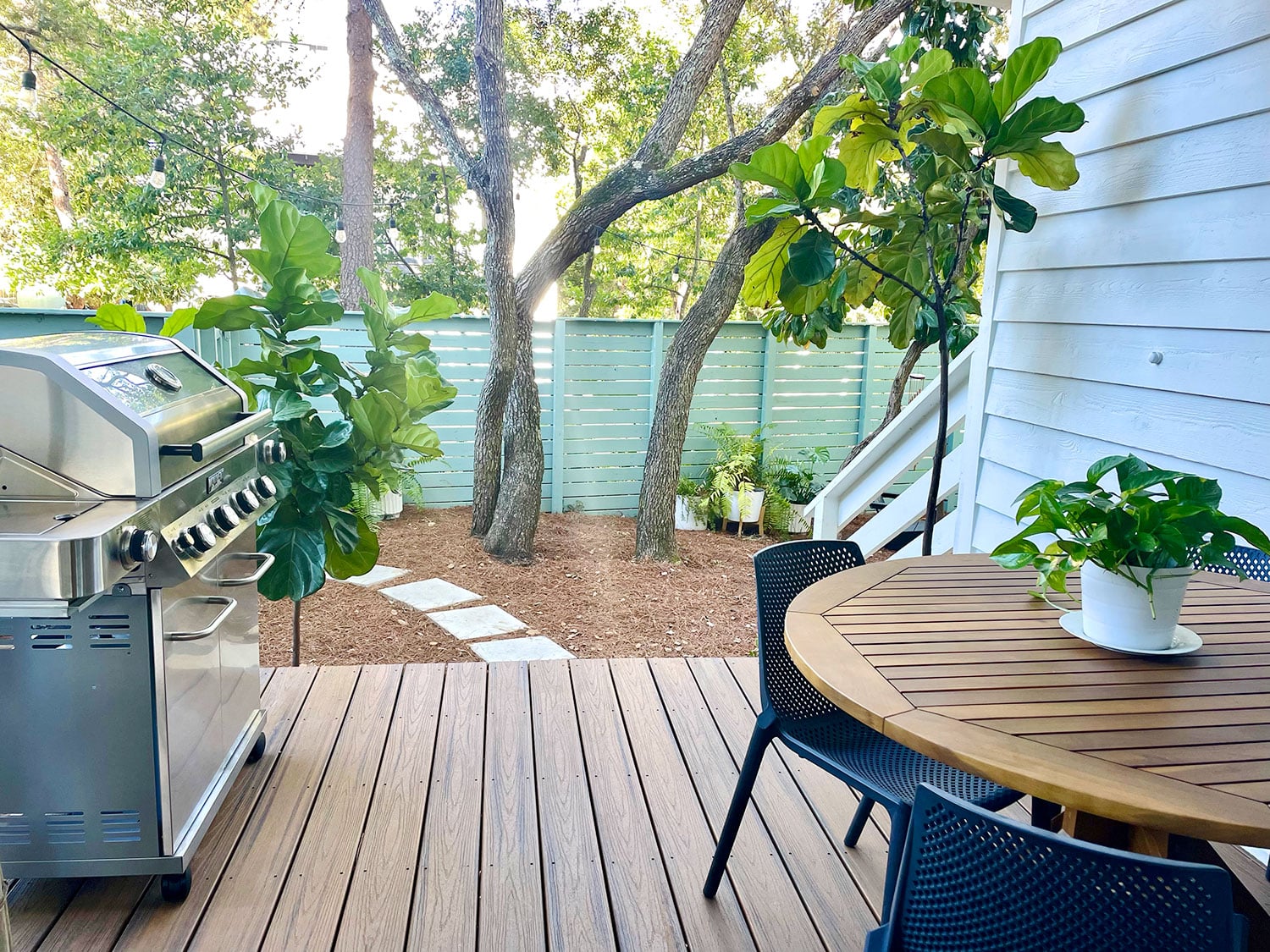
Every home has a room that quietly becomes the family headquarters. For some people, it is the living room with the big couch and the mysterious remote control that no one can ever find. For others, it is the kitchen island, where mail, snacks, homework, and emotional support coffee all gather in one heroic pile. For us, the newest star of the house is our new kitchen porch: a practical, sunny, slightly magical extension of the kitchen that makes everyday life feel more relaxed, more useful, and a little more like a vacation we do not have to pack for.
A kitchen porch is not just a porch near a kitchen. Done well, it becomes a bridge between indoor comfort and outdoor living. It is where morning coffee tastes better, dinner prep feels less rushed, herbs are close enough to grab with one hand, and guests naturally drift while saying, “I’m not in the way, right?” Of course, they are absolutely in the waybut somehow, on the porch, nobody minds.
Our new kitchen porch was designed around one simple idea: make the kitchen feel bigger without turning the house into a construction circus forever. We wanted a space that could handle real lifewet shoes, grocery bags, outdoor meals, kids running in and out, muddy paws, late-night tea, and the occasional dramatic search for the grill tongs. The result is a small but hardworking porch that has changed the rhythm of our home.
What Is a Kitchen Porch?
A kitchen porch is an outdoor or semi-outdoor space connected directly to the kitchen or dining area. It can be open, covered, screened, enclosed with windows, or designed as a flexible three-season space. Unlike a front porch, which often serves as a welcome zone, a kitchen porch is usually built for daily function. It supports cooking, dining, cooling off, entertaining, gardening, and that sacred ritual known as “standing outside for no reason while holding a mug.”
The best kitchen porch feels like it belongs to the house, not like it was added after someone watched one too many renovation shows at midnight. Scale matters. Materials matter. The traffic flow from kitchen to porch matters. If the porch is too far from the kitchen, it becomes a lonely platform for forgotten patio cushions. If it is too small, it becomes a decorative landing pad. But when the proportions are right, it becomes one of the most used spaces in the home.
Why We Wanted a Kitchen Porch in the First Place
Our kitchen worked, but it always felt like it stopped too suddenly at the back door. There was no gentle transition from inside to outside. You were either in the kitchen, fully committed to countertops and cabinets, or you were outside, holding a plate while looking for somewhere to put it. The porch solved that awkward gap.
We wanted a place to step out with coffee in the morning, unload groceries without blocking the doorway, cool pies and casseroles when the kitchen was packed, and serve casual meals without setting up a full backyard event. Basically, we wanted outdoor living without needing to send a calendar invite.
Another reason was light. A kitchen porch can make a home feel more open by visually extending the kitchen toward the yard. Even with a roof overhead, the space can frame the view, soften harsh sunlight, and make the kitchen feel connected to the seasons. In spring, it feels cheerful. In summer, it becomes a shaded escape. In fall, it is the perfect place to pretend you are outdoorsy while wearing slippers.
Designing the Layout: Flow Comes First
The most important part of our kitchen porch was not the furniture, the railing, or the ceiling fan. It was the path. A kitchen porch has to support movement: carrying trays, opening doors, walking around chairs, watering plants, and slipping outside without performing a sideways shuffle worthy of a game show.
We planned the layout around three zones. The first zone is the entry area right outside the kitchen door. This stays open so people can move in and out easily. The second zone is a small dining area, just large enough for a table and chairs without crowding the walkway. The third zone is a relaxed corner with a bench, planters, and a narrow shelf for drinks, herbs, or whatever snack bowl disappears first.
The Golden Rule: Do Not Block the Door
It sounds obvious, but outdoor spaces often fail because furniture gets placed where people naturally walk. Our rule was simple: if someone carrying a hot dish has to dodge a chair, the chair is wrong. We kept the doorway clear and chose lightweight, movable furniture so the porch can change depending on the day. Breakfast for two? Easy. Family cookout? Slide things around. One person hiding outside with iced tea and refusing to answer questions? Also supported.
Choosing Materials That Can Handle Real Life
A kitchen porch has to be prettier than a mudroom but tougher than a dining room. It sees food spills, moisture, heat, wind, shoes, pets, plants, and probably at least one dropped spoon per week. That means exterior-rated materials are not optional; they are the difference between a porch that ages gracefully and one that starts looking offended by the weather.
For flooring, we focused on durability and easy cleaning. Depending on the home, strong options include sealed wood, composite decking, stone, brick, concrete, porcelain tile rated for outdoor use, or other weather-resistant surfaces. The right choice depends on climate, budget, maintenance tolerance, and whether anyone in the house believes “I’ll reseal it every year” is a realistic personality trait.
For railings and trim, we wanted something that matched the house instead of shouting, “Hello, I am the new addition!” Paint color, post size, trim profile, and ceiling finish all helped connect the porch to the existing architecture. A porch should look like it grew from the home, not like it landed there during a strong wind.
Covered, Screened, or Open?
One of the biggest decisions for any kitchen porch is how protected it should be. An open porch feels breezy and simple, but it offers less shelter from rain and sun. A covered porch gives you more usable days, protects furniture better, and makes outdoor dining more comfortable. A screened porch adds another level of comfort by reducing bugs, leaves, and wind-blown surprises from nature’s confetti machine.
We chose a covered design because it gave us the most flexibility. The roof makes the porch useful even during light rain, provides shade during hot afternoons, and helps protect the doorway from weather. We considered screens, and they may come later, especially if mosquitoes file a formal claim on the backyard.
Why a Roof Changes Everything
A roof turns a porch from a fair-weather feature into an everyday room. Suddenly, you can leave cushions outside without sprinting every time clouds appear. You can serve lunch without everyone squinting into the sun. You can stand outside during a drizzle and feel poetic instead of damp and regretful.
However, a roof also affects light, drainage, airflow, and the overall look of the house. The porch ceiling height, slope, gutters, and support posts all need careful planning. A low, heavy roof can darken the kitchen. A well-proportioned roof can make the whole back of the house look more finished.
Lighting: The Detail People Notice After Sunset
Porch lighting has to do more than look cute. It needs to support cooking, dining, safety, and mood. We used layered lighting: a main overhead fixture, softer accent lighting near the seating area, and practical light near the kitchen door. This keeps the porch useful after dark without making it feel like a parking lot.
Warm outdoor-rated lights make food look better, faces look friendlier, and the whole porch feel more inviting. Bright white lighting has its place, but over a dinner table it can make grilled vegetables look like they are being interrogated. We kept the tone warm and comfortable.
Small Lighting Ideas That Make a Big Difference
Path lights near the steps help guests move safely. A sconce by the door makes the kitchen entrance feel intentional. A dimmable overhead fixture allows the space to shift from meal prep to slow evening conversation. If wiring is difficult, solar lanterns or rechargeable table lamps can add charm without turning the project into an electrical saga.
Airflow, Fans, and Comfort
Because the porch connects to the kitchen, airflow matters. Kitchens already produce heat, moisture, steam, and cooking odors. Add an outdoor-adjacent porch, and comfort depends on smart ventilation, shade, and air movement. A ceiling fan can make the space feel cooler, discourage still air, and help the porch stay pleasant on sticky days.
We installed an outdoor-rated ceiling fan because summer has a way of turning beautiful porches into saunas with chairs. The fan helps circulate air during meals and makes the space feel active, not stagnant. It also gives the porch that classic “I could sit here all afternoon” feeling.
Inside the kitchen, good ventilation remains important. A kitchen porch can make cooking feel more open, but it does not replace a properly vented range hood. Steam, grease, smoke, and odors still need to be managed at the source. The porch improves lifestyle; the range hood does the unglamorous but essential work.
The Kitchen Connection: Doors, Windows, and Serving Space
The doorway between the kitchen and porch is the heart of the design. A single back door works fine, but wider doors, French doors, sliding doors, or folding doors can make the kitchen and porch feel like one shared space. We kept our opening practical and added a small serving shelf nearby, which quickly became one of the most useful details.
A serving shelf does not need to be huge. Even a narrow counter-height ledge can hold drinks, condiments, plates, herbs, or a tray of burgers waiting for their big moment. It reduces traffic back into the kitchen and gives guests a natural place to gather without leaning on the actual cooking area.
The “Drop Zone” Nobody Talks About
Every kitchen porch needs a drop zone. This is the place for grocery bags, garden vegetables, muddy shoes, lunch boxes, and whatever random object someone carries in from the yard. Without a drop zone, everything ends up on the dining table. With one, the porch becomes organized without trying too hard.
We added hooks, a small bench, and a washable mat. It is not glamorous, but it is the kind of detail that makes daily life easier. Design magazines may photograph the flowers, but families appreciate the hook that saves a wet jacket from becoming floor art.
Decorating the Kitchen Porch Without Overcrowding It
A porch connected to a kitchen should feel fresh, practical, and relaxed. We avoided heavy furniture and chose pieces that can move easily. A small table, comfortable chairs, planters, and a bench were enough. The goal was not to recreate the entire living room outdoors. The goal was to create a place where people naturally want to pause.
Plants do a lot of the decorating work. Herbs near the kitchen are useful and beautiful. Basil, rosemary, mint, thyme, and parsley make the porch smell good and give meals a just-picked upgrade. Be careful with mint, though. Mint is less of a plant and more of a tiny green landlord with expansion plans.
Outdoor rugs can help define the dining zone, but they need to dry quickly and clean easily. Cushions should be weather-resistant. Storage should be simple. A porch is more enjoyable when it does not require a 12-step maintenance routine every time the weather changes.
How the Porch Changed the Way We Use the Kitchen
The surprise was not that the porch looked nice. The surprise was how quickly it changed our habits. Breakfast moved outside. Coffee breaks got longer. Cooking felt less boxed in. Friends stopped gathering directly in front of the refrigerator and drifted toward the porch instead, which may be the greatest entertaining upgrade of all time.
During busy meals, the porch acts like a pressure-release valve. Someone can set drinks outside. Someone else can prep herbs. Guests can sit close enough to talk without blocking the stove. The kitchen feels bigger because the social energy has somewhere to go.
In the evening, the porch becomes a quiet transition space. It is not fully indoors, not fully outdoors. It is the place where the day slows down. The lights come on, the fan turns lazily, and suddenly even leftovers feel a little more charming.
Practical Tips for Planning Your Own Kitchen Porch
Start With How You Actually Live
Do not design a kitchen porch for an imaginary version of yourself who hosts elegant dinner parties every Thursday and never misplaces scissors. Design for your real life. If you cook often, prioritize prep and serving space. If you entertain, focus on seating and flow. If you garden, add storage for tools and herbs. If you have kids or pets, choose surfaces that forgive chaos.
Think About Weather Before Decor
Before choosing pillows, think about sun, rain, wind, snow, humidity, and drainage. Where does water go? Will the floor become slippery? Does the roof protect the door? Will afternoon sun make the table unusable? Weather is not a design detail; it is a daily guest.
Use Outdoor-Rated Everything
Fixtures, fans, rugs, cushions, outlets, furniture, and finishes should be appropriate for exterior or covered exterior use. A covered porch is still exposed to temperature changes and moisture. Indoor furniture may look wonderful for three weeks, then begin its tragic career as a sponge.
Keep Maintenance Simple
The best porch is the one you actually use. Choose materials you can clean easily. Avoid too many delicate accessories. Build in storage where possible. Keep the design flexible so the porch can support everyday meals, weekend projects, and unexpected guests.
Common Mistakes to Avoid
The first mistake is making the porch too small. A narrow porch may look fine on paper but feel cramped once chairs, plants, people, and serving dishes appear. The second mistake is ignoring structure. If you are adding heavy features such as built-in counters, appliances, stone surfaces, or large planters, the porch or deck must be able to support the load safely.
The third mistake is forgetting the kitchen connection. If the porch does not make cooking, serving, or daily movement easier, it becomes decorative instead of useful. The fourth mistake is under-lighting. A beautiful porch that disappears after sunset is only doing half its job.
Finally, do not forget permits, codes, and professional advice where needed. Roof structures, electrical work, gas lines, plumbing, railings, stairs, and structural changes are not the place to freestyle with confidence and a video tutorial. A kitchen porch should feel relaxed after it is built, not during the inspection process.
Experience Section: What Living With Our New Kitchen Porch Has Taught Us
After using our new kitchen porch day after day, we learned that the best home improvements are not always the flashiest ones. A kitchen porch does not need to be enormous, expensive, or magazine-perfect to change how a home feels. It simply needs to solve real problems gracefully.
The first lesson is that convenience beats drama. Before the porch, outdoor meals felt like a production. Plates had to be carried too far, drinks were forgotten, and someone always had to run back inside for napkins, sauce, or the one fork that mysteriously mattered most. Now, everything feels closer. The porch gives us a staging area, a dining spot, and a breathing space all in one. It turns “Should we eat outside?” from a logistical debate into an easy yes.
The second lesson is that small comforts matter more than grand gestures. The ceiling fan, the hooks, the washable mat, the little serving shelf, and the warm lights are not dramatic design statements. Nobody walks in and gasps, “Behold, the hook!” But these details are the reason the porch works. They remove tiny frustrations. They make the space comfortable without requiring constant attention.
The third lesson is that a kitchen porch changes conversations. People linger differently outside. Morning coffee becomes slower. Family dinners become less formal. Guests feel welcome without crowding the kitchen. Even quick weekday meals feel less rushed when there is fresh air nearby. The porch has become the place where people say one more thing before leaving, sit for five more minutes after dinner, or wander outside just to check the weather and accidentally stay.
We also learned that nature will participate whether invited or not. Leaves appear. Birds comment from nearby branches. Wind rearranges napkins with artistic confidence. Rain tests the roof. Bugs conduct inspections. A kitchen porch is not about controlling the outdoors; it is about creating a comfortable agreement with it. Screens, fans, covered storage, and easy-clean surfaces help keep that agreement friendly.
Another practical experience: storage is never optional. At first, we thought the porch only needed seating and plants. Then came outdoor candles, gardening gloves, placemats, grill tools, extra napkins, sunscreen, and a collection of small things that apparently needed a home. A storage bench or cabinet keeps the porch from becoming a charming clutter museum.
Seasonal changes have also made the porch more interesting. In spring, it feels like a garden room. In summer, it becomes shaded dining space. In fall, it is perfect for soups, sweaters, and pretending every warm drink is part of a lifestyle brand. Even in colder months, the porch remains useful as a protected entry, grocery landing zone, and place to step outside without fully committing to the weather.
The biggest lesson is emotional: the porch makes the house feel more generous. Not bigger in a square-footage bragging way, but bigger in how it lives. It gives the kitchen a view, the family a gathering place, and ordinary routines a little more beauty. It has become a reminder that good design is not only about finishes and fixtures. It is about making daily life easier, warmer, and more enjoyable.
If we were starting again, we would make the same core choices: protect the porch with a roof, keep the layout open, invest in airflow and lighting, use durable materials, and leave enough flexibility for the space to evolve. We might add screens sooner. We might add one more outlet. We would definitely plan storage from day one. But overall, our new kitchen porch has done exactly what we hoped: it made the kitchen feel connected to the outdoors and gave our home a new favorite place to land.
Conclusion
Our new kitchen porch is more than an add-on. It is a practical extension of the kitchen, a casual dining room, a garden-adjacent sitting area, a weather-protected entry, and a daily reminder that home should support the way people actually live. With smart planning, durable materials, good airflow, useful lighting, and a layout that respects movement, a kitchen porch can become one of the hardest-working and most loved spaces in the house.
The beauty of a kitchen porch is that it does not have to be perfect. It only has to be welcoming, functional, and honest about real life. If it can handle coffee, crumbs, conversations, weather, and the occasional runaway napkin, it is doing its job beautifully.