If your floor has been standing there looking emotionally underdressed, the Nodi Rugs Double Braid style is exactly the kind of quiet design hero that can make a room feel finished without shouting, waving, or demanding its own lighting crew. Known in earlier design coverage as a handwoven brushed-jute rug available in natural and black, Nodi’s Double Braid belongs to the wider world of natural fiber rugs: warm, tactile, understated, and slightly imperfect in the best possible way.
In modern interiors, the best rug is not always the loudest rug. Sometimes it is the one that calmly walks into the room, adds texture, anchors the sofa, softens the acoustics, and somehow makes your coffee table look like it finally made a life plan. That is the appeal of a braided jute rug like Nodi’s Double Braid. It brings craft, structure, and organic charm into a space while staying flexible enough to work with coastal, minimalist, Scandinavian, farmhouse, modern rustic, and warm contemporary décor.
This guide explores what makes the Nodi Rugs Double Braid concept special, how it compares with today’s braided jute rug trends, where it works best, how to style it, and how to care for natural jute so it does not go from “designer texture” to “why is my rug having a nervous breakdown?”
What Is Nodi Rugs Double Braid?
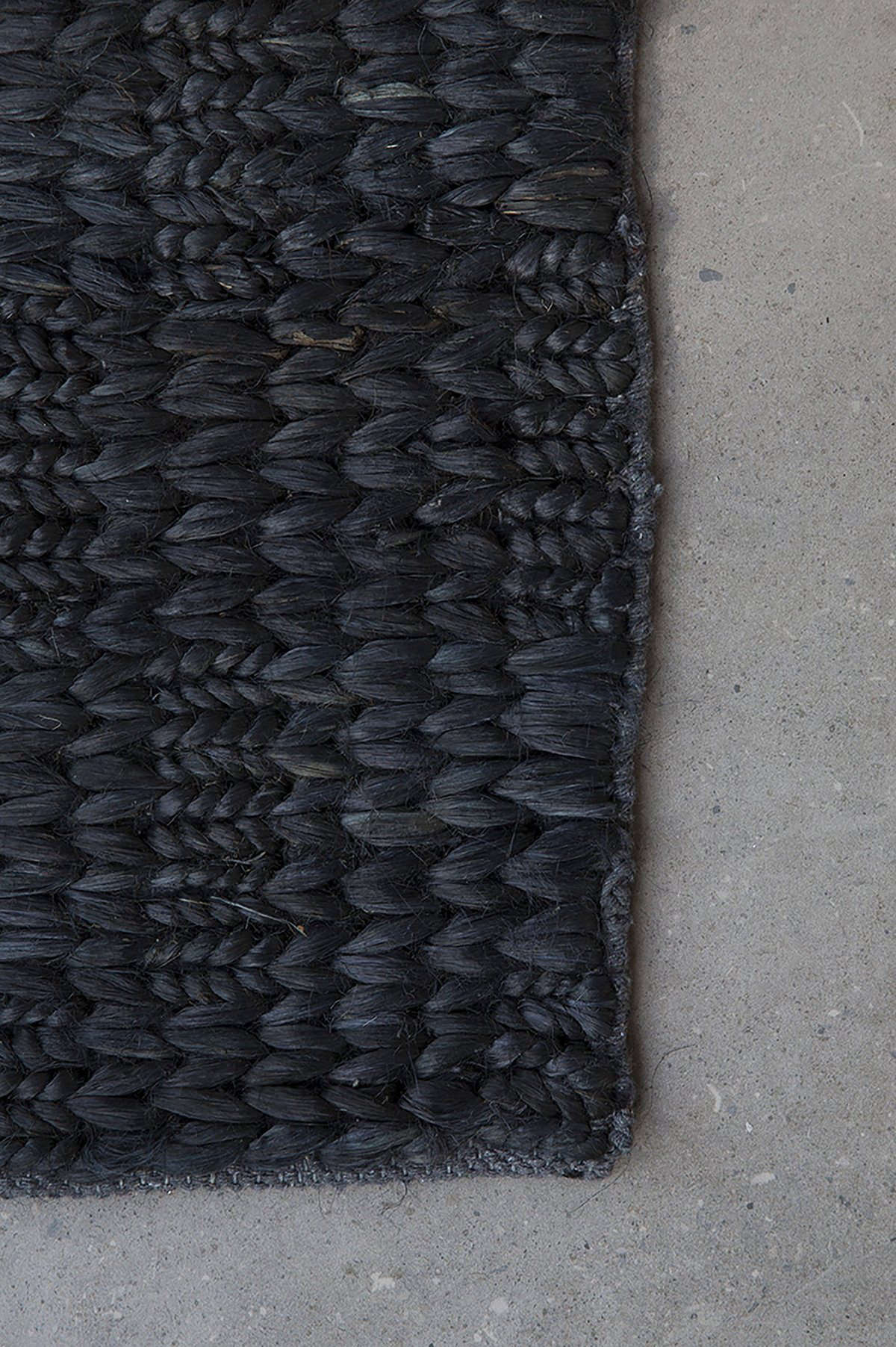
Nodi Rugs Double Braid refers to a natural, handwoven rug style associated with Nodi’s early collections, especially its use of brushed jute and braided construction. While the exact Double Braid name may not always appear in current product listings, the design language is still easy to recognize across Nodi’s broader braided jute family: natural fibers, visible handwork, relaxed texture, and a grounded neutral palette.
Nodi is known for rugs made from natural fibers such as jute and wool, with an emphasis on handwoven texture and longevity. The brand’s braided jute rugs are described as soft yet durable underfoot, crafted from premium hand-harvested jute, and shaped by an organic weave that reflects the hands that made it. In other words, this is not the type of rug that tries to look machine-perfect. It is more like the cool friend who wears linen, drinks black coffee, and somehow makes a wrinkled shirt look intentional.
Why the “Double Braid” Look Matters
The phrase “double braid” suggests a layered braided texture, which gives the rug visual depth without relying on bold color or printed pattern. Instead of florals, geometrics, or dramatic motifs, the design gets its personality from the construction itself. That matters because texture is one of the easiest ways to make a neutral room feel rich rather than flat.
A braided jute rug creates movement across the floor. Light catches the fibers differently throughout the day, so the surface never feels completely static. In a natural color, it adds warmth. In black or a darker tone, it adds contrast and sophistication. Either way, the rug becomes a foundation piece: subtle enough to support the rest of the room, interesting enough not to disappear.
Why Jute Works So Well in Home Design
Jute is a plant-based fiber commonly used in rope, burlap, textiles, and rugs. In interiors, it is loved for its earthy tone, organic texture, and ability to make a space feel relaxed without looking careless. It has that “I live beautifully, but I am not trying too hard” energy. Very useful. Slightly suspicious. Extremely stylish.
One of the biggest advantages of jute is its visual flexibility. A natural jute rug can sit beneath a linen sofa, a leather sectional, a wood dining table, or a painted console table and still feel at home. It warms up white walls, softens black metal, complements rattan and oak, and balances sleeker materials like marble, glass, and polished concrete.
For readers searching for Nodi Double Braid rug, Nodi braided jute rug, handwoven jute rug, or natural fiber area rug, the shared design idea is the same: a rug that adds tactile luxury without acting precious.
Design Personality: Calm, Textural, and Naturally Elegant
The Nodi Rugs Double Braid style is best understood as a texture-first rug. It does not need a busy pattern because the braid does the talking. This makes it especially useful in homes where the furniture, artwork, or architecture already has strong personality.
In a minimalist room, it prevents the space from feeling cold. In a coastal room, it supports a breezy, sun-washed atmosphere. In a rustic modern space, it connects wood, stone, ceramics, and soft upholstery. In a city apartment, it adds natural warmth to floors that might otherwise feel a bit too “rental special.” We respect rental floors, but sometimes they need help. A lot of help.
Best Interior Styles for Nodi Rugs Double Braid
Modern organic: Pair the rug with low-profile furniture, warm wood, neutral upholstery, stone accessories, and soft linen curtains.
Coastal casual: Use the natural version with white walls, pale oak, woven baskets, and blue or sage accents.
Farmhouse refined: Let the braided texture balance painted furniture, vintage ceramics, black hardware, and chunky wood pieces.
Scandinavian warm minimalism: Combine it with light flooring, simple silhouettes, wool throws, and matte black or brass details.
Urban loft: A darker braided jute rug can bring contrast to concrete floors, leather seating, and steel-framed furniture.
Where to Use a Nodi Rugs Double Braid Style Rug
A braided jute rug is versatile, but not every room is equally kind to natural fibers. Jute likes dry indoor spaces, regular vacuuming, and civilized behavior. It does not enjoy puddles, damp basements, muddy boots, or being treated like a bath towel with ambition.
Living Room
The living room is one of the best places for a Nodi Rugs Double Braid style rug. It anchors the seating area, creates softness underfoot, and adds a visual base that helps furniture feel connected. For best results, choose a rug large enough for at least the front legs of the sofa and chairs to sit on it. A rug that is too small can make the room feel like the furniture is floating away from each other after an awkward family dinner.
Common living room sizes include 8-by-10 feet and 9-by-12 feet, depending on the scale of the furniture. The rug should usually be wider than the sofa and long enough to frame the conversation zone. In open-plan spaces, a large natural fiber rug can quietly define the living area without putting up visual walls.
Dining Room
A braided jute rug can look beautiful under a dining table, especially if the room leans natural, casual, or coastal. However, practicality matters. Dining chairs should remain on the rug even when pulled out, so measure generously. Also consider the household. If your dining room regularly hosts toddlers, spaghetti, enthusiastic dogs, or adults who talk with wine glasses in their hands, jute may require patience.
Because jute is sensitive to moisture and staining, dining rooms are best when spills are rare and cleanup happens quickly. Think calm dinners, not salsa night with dramatic elbows.
Bedroom
In a bedroom, the Nodi Double Braid look adds warmth and structure without competing with bedding. It works especially well beneath a bed, extending beyond the sides so your feet land on texture rather than cold flooring in the morning. This is important because nobody should start the day by stepping onto a floor that feels like a tax audit.
Layer it with soft bedding, natural wood nightstands, ceramic lamps, and a wool or cotton throw for a relaxed, high-end look.
Entryway
A braided jute entrance mat can be handsome and practical in a covered, dry entry. It gives guests an immediate sense of warmth. Still, heavy rain, wet shoes, and high moisture can be rough on jute. If your entryway gets soaked often, consider a more water-resistant outdoor-rated rug instead.
How to Style Nodi Rugs Double Braid
The easiest way to style a Nodi Rugs Double Braid rug is to treat it as a neutral foundation with personality. Because the texture already creates interest, you can keep the rest of the room calm or layer in bolder pieces depending on your taste.
Layer It with a Smaller Rug
One of the most designer-friendly tricks is layering. Use a large braided jute rug as the base, then place a smaller vintage, wool, or patterned rug on top. This gives you the best of both worlds: the natural texture of jute and the color or pattern of a decorative accent rug. It also makes the room feel collected rather than assembled in one panicked online shopping session at midnight.
Pair It with Wood and Linen
Jute loves natural materials. Pair it with oak, walnut, rattan, cane, linen, cotton, stone, clay, and leather. The result feels warm and relaxed, but still polished. If the room starts to look too beige, add contrast through black frames, bronze lighting, green plants, or deeper cushions.
Use Contrast Carefully
If you find a darker Double Braid-style rug or a black braided jute option, use it to ground pale furniture and bright rooms. Dark braided texture can make a space feel more tailored and dramatic. Just remember that darker rugs may show lint, pet hair, and crumbs more easily. The rug will not judge you. Your guests might.
Comfort and Feel Underfoot
Jute is not the same as plush wool. It has a firmer, more textured feel. That is part of its charm. A Nodi braided jute rug can feel soft for a jute rug, especially compared with rougher natural fibers, but it will still have an earthy texture rather than a cloud-like pile.
If you want maximum softness for a nursery, playroom, or barefoot lounging zone, consider layering a softer rug on top or choosing wool. If you want texture, durability, and a grounded organic look, braided jute is a strong choice.
Care Guide for Nodi Rugs Double Braid and Jute Rugs
Natural fiber rugs reward consistent care. They do not need drama. They need vacuuming, rotation, and quick spill response. Basically, they are like houseplants, but flatter and less likely to guilt you by drooping.
Vacuum Regularly
Vacuum your jute rug regularly using suction rather than an aggressive rotating brush. A beater bar can pull at the fibers and encourage fuzzing or shedding. Vacuum in the direction of the weave where possible. This helps remove dust before it settles deeper into the braid.
Expect Some Shedding
Natural fiber rugs can shed, especially during the first few months and in high-traffic areas. This is normal. Regular vacuuming helps manage loose fibers. Do not panic if you see some fuzz at first. The rug is not falling apart; it is just introducing itself.
Keep It Dry
Moisture is the villain in the jute rug story. Avoid soaking, steam cleaning, or placing jute in damp rooms. Water can cause discoloration, browning, odor, or fiber damage. For spills, blot immediately with a clean, dry white cloth. Do not rub, because rubbing pushes liquid deeper and can distort the fibers.
Rotate the Rug
Rotate the rug every few months so traffic and sunlight affect it evenly. This is especially useful in living rooms, hallways, and spaces with large windows. Rotation keeps one side from aging faster than the other.
Use a Rug Pad
A rug pad helps prevent slipping, adds comfort, protects the floor, and reduces friction under the rug. It is one of those boring purchases that makes the beautiful purchase work better. Adulting, but make it décor.
Pros and Cons of Nodi Rugs Double Braid
Pros
Beautiful natural texture: The braided construction adds depth and warmth without needing a bold pattern.
Versatile neutral design: It works with many decorating styles, from coastal to modern organic.
Handcrafted appeal: Slight irregularities make the rug feel human, not factory-flat.
Durable for everyday spaces: Jute can handle regular use in dry indoor rooms when properly cared for.
Great for layering: It makes an excellent base rug beneath smaller patterned or wool rugs.
Cons
Not ideal for wet areas: Bathrooms, damp basements, and uncovered entries are risky for jute.
Can shed at first: Loose fibers are normal, especially in the early months.
Not plush like wool: The feel is textured and firm rather than cushiony.
Stain sensitivity: Spills need fast attention, especially dark liquids and oily foods.
Is Nodi Rugs Double Braid Worth It?
For the right home, yes. The Nodi Rugs Double Braid style is worth considering if you love natural materials, handcrafted texture, and quiet luxury. It is not the rug for someone who wants a machine-washable, spill-proof, synthetic performance rug. It is the rug for someone who wants a room to feel warmer, more grounded, and more intentional.
The best reason to choose this kind of rug is atmosphere. It changes how a room feels. It absorbs visual noise, softens hard surfaces, and creates a sense of calm. The natural color works like a bridge between furniture pieces, while the braid adds enough detail to prevent the space from looking plain.
If your home has pets, kids, or a high-spill lifestyle, you can still use braided jute, but placement matters. Choose living rooms, bedrooms, offices, or low-moisture entries. Avoid wet zones and chaotic dining setups unless you are prepared for careful maintenance.
Buying Tips Before Choosing a Double Braid Style Rug
Before buying a Nodi Double Braid-style rug or any braided jute rug, measure the room carefully. Do not guess. Rug guessing is how people end up with a tiny rectangle floating under a coffee table like a decorative postage stamp.
Use painter’s tape to mark the rug size on the floor. Walk around it. Pull chairs out. Open doors. Check whether the rug supports the furniture layout rather than simply filling empty floor space. A rug should serve the room, not just decorate it.
Also think about texture expectations. If you want a plush surface for lying on the floor, jute may not be your first choice. If you want an organic foundation with subtle character, it may be perfect.
Experience Notes: Living with a Nodi Rugs Double Braid Style Rug
Living with a Nodi Rugs Double Braid style rug is less like owning a flashy décor piece and more like adding a good rhythm to the room. The change is immediate but not loud. The floor looks warmer. The furniture feels more connected. The room suddenly seems as if someone made a design decision on purpose, which is always a lovely surprise.
The first thing most people notice is texture. A braided jute rug has presence. When sunlight hits it, the woven surface shows small variations in tone and shadow. That natural irregularity is exactly what gives the rug charm. A perfectly flat synthetic rug may be easier to clean, but it rarely has the same soul. The Double Braid look feels handmade, and that handmade quality makes even simple furniture feel more considered.
In a living room, the experience is especially satisfying. Place the rug under a neutral sofa, add a wood coffee table, and suddenly the space feels warmer without needing extra color. It also helps reduce that hollow feeling that can happen in rooms with hard flooring. The room does not become silent, but it feels softer and more comfortable. Your footsteps sound less like you are walking through an empty museum after hours.
In a bedroom, the rug brings a calm, natural mood. It pairs beautifully with white bedding, warm wood, linen curtains, and soft lamps. The texture underfoot is firmer than wool, but it feels grounding. It is the kind of surface that reminds you the room is meant for rest, not just laundry storage with pillows.
One honest experience note: jute requires realistic expectations. It may shed in the beginning. It may collect dust in the braid. It does not appreciate wet shoes, spilled coffee, or overenthusiastic scrubbing. The best routine is simple: vacuum gently, rotate occasionally, blot spills quickly, and avoid placing it where moisture is a regular guest. Treat it well, and it rewards you with years of quiet texture.
Another practical lesson is that rug pads matter. Without a rug pad, braided jute can shift, especially on smooth floors. A quality pad makes the rug feel more secure and slightly more cushioned. It also protects both the rug and the floor. Nobody gets excited about buying a rug pad, but nobody gets excited about slipping while holding a bowl of soup either.
Styling-wise, the Nodi Double Braid look is forgiving. It works with vintage furniture, modern sofas, black accents, pale woods, woven baskets, indoor plants, and ceramic décor. If a room feels too polished, the rug relaxes it. If a room feels too plain, the rug adds structure. If a room feels disconnected, the rug pulls it together like a very calm design therapist.
The best experience comes from using it where it can be appreciated but not abused. A dry living room, bedroom, study, or covered entry is ideal. A wet bathroom or messy dining zone is less ideal. Think of it as a natural textile, not a plastic shield. It is beautiful because it is organic, and organic materials come with personality.
Overall, living with a Nodi Rugs Double Braid style rug is about enjoying texture, warmth, and craft. It will not scream for attention. It will simply make the room feel better every time you walk in. And honestly, that is a pretty impressive job for something that spends its entire life on the floor.
Conclusion
Nodi Rugs Double Braid represents the best of natural fiber design: tactile, grounded, versatile, and quietly elegant. Whether you are drawn to the original brushed-jute Double Braid style or today’s related braided jute rugs from Nodi, the appeal is clear. This type of rug gives a room warmth without clutter, character without chaos, and texture without trend-chasing.
It is especially well suited for living rooms, bedrooms, offices, and dry entryways where natural materials can shine. With proper sizing, thoughtful placement, and simple care, a braided jute rug can become the foundation that makes everything else in the room look more intentional. Just keep it dry, vacuum gently, and give it a rug pad. Even beautiful rugs appreciate support.
Note: This article is written for web publishing in standard American English and synthesizes real product, care, and interior design information without copying source text.