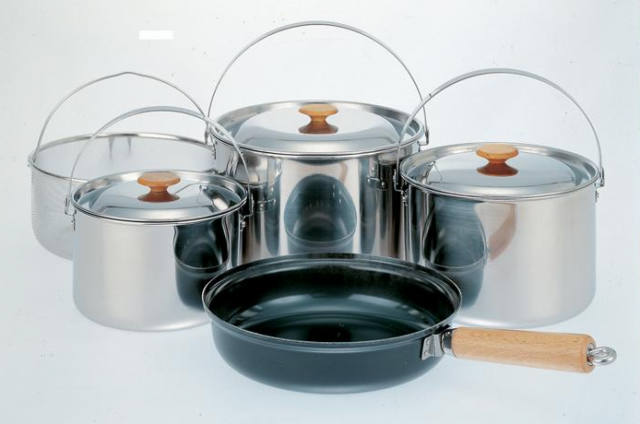
A good cookset should do more than sit in a gear bin looking shiny. It should boil pasta without drama, handle morning eggs without emotional damage, survive campfire-adjacent chaos, and nest together neatly enough that your storage bag does not resemble a raccoon’s junk drawer. That is where the Multi-Purpose Cookset 1 earns its name.
Often associated with Snow Peak’s heavy-duty camp-cooking style, the Multi-Purpose Cookset 1 is best understood as a durable outdoor cookware system built around practical pieces: nesting pots, a frying pan, a mesh strainer, and handles designed for real campsite use. It is not the featherweight choice for someone counting every ounce on a long-distance trail. Instead, it is the kind of camp cookware set that makes sense for car camping, basecamp meals, family outings, van life, cabin cooking, backyard fire-pit dinners, and anyone who believes “camp food” should mean more than instant noodles eaten from the bag.
This guide breaks down what makes a multi-purpose cookset useful, how to choose one, what meals it handles well, and why a stainless steel camping cookset with nesting pots can be one of the smartest long-term upgrades for outdoor cooking.
What Is Multi-Purpose Cookset 1?
The name Multi-Purpose Cookset 1 points to a rugged outdoor cooking kit designed to cover several jobs with fewer pieces. In practical terms, that means you can boil, simmer, strain, fry, reheat, steam, prep, and serve using a compact group of tools that pack into one another.
A typical heavy-duty version includes three pots in different capacities, a frying pan, and a mesh strainer. The larger pot can handle soup, stew, pasta, or rice for a small group. The medium pot is ideal for sauces, vegetables, oatmeal, or reheating leftovers. The smaller pot works well for drinks, quick sides, and solo meals. The mesh strainer is especially useful for pasta, rinsing produce, draining potatoes, or steaming vegetables when used creatively. The frying pan adds the thing many basic cook kits forget: the ability to brown food properly.
That last point matters. Boiling is easy. Making food taste like someone cared? That usually requires a pan.
Why a Multi-Purpose Cookset Beats Random Pots From Home
Many campers start by grabbing an old saucepan from the kitchen and calling it “gear.” This works until the handle loosens, the lid disappears, the pot refuses to fit in the storage box, and someone discovers that Grandma’s favorite pan now smells faintly like smoke and regret.
A purpose-built outdoor cooking kit solves those problems. The pieces are selected to work together, stack together, and tolerate harder use than typical indoor cookware. A nesting cookset saves space, protects smaller pieces during transport, and keeps the whole camp kitchen organized. Instead of packing five unrelated items, you carry one system.
Better Organization
When pots, pans, and strainers nest together, setup is faster and cleanup is less chaotic. You know where everything is because everything lives inside the largest pot. This is a small miracle when cooking after dark, in wind, or while someone keeps asking when dinner will be ready.
More Cooking Flexibility
A multi-purpose cookset gives you options. You can boil pasta in one pot, simmer sauce in another, and sauté vegetables in the frying pan. You can prepare coffee water while oatmeal finishes. You can cook for one person or scale up for a small group. Flexibility is the difference between “we made dinner” and “we made dinner without arguing over the only pot.”
Long-Term Durability
Stainless steel is popular for camp cookware because it is tough, scratch-resistant, and less delicate than many coated nonstick surfaces. It is heavier than aluminum or titanium, but that weight often brings confidence. You can use metal utensils more freely, scrub it more aggressively, and rely on it for years of regular trips.
Key Features That Make Multi-Purpose Cookset 1 Practical
1. Stainless Steel Pots for Real Camp Cooking
Stainless steel pots are a strong match for outdoor cooking because they can handle rough packing, frequent washing, and repeated heating. They are especially useful when cooking over camp stoves or near charcoal setups. Compared with ultralight materials, stainless steel is not the lightest choice, but it is one of the most forgiving.
For meals like chili, curry, soup, pasta, rice, boiled potatoes, and camp coffee, stainless steel performs reliably. The one thing to remember is that stainless steel does not spread heat as evenly as some aluminum cookware, so gentle flame control and stirring are your friends. Think of the spoon as your tiny anti-scorch insurance policy.
2. Multiple Pot Sizes for Better Meal Planning
A cookset with three pot sizes is far more useful than a single large pot. The biggest pot can serve as your main cooking vessel for group meals. The medium pot can handle sides or sauces. The smallest pot can be used for tea, hot chocolate, oatmeal, ramen, or reheating a single serving.
This arrangement allows better timing. You do not have to finish one dish before starting another. That makes breakfast smoother and dinner more civilized, especially when hungry campers begin circling the stove like polite wolves.
3. A Mesh Strainer That Does More Than Drain Pasta
The mesh strainer may be the quiet hero of the Multi-Purpose Cookset 1. At first glance, it looks like a simple pasta tool. In practice, it does much more. You can use it to rinse berries, wash leafy greens, drain canned beans, steam dumplings or vegetables over a pot, cool boiled eggs, or lift food from hot water.
For campers who cook fresh meals rather than only packaged food, a strainer turns a basic cook kit into a real camp kitchen.
4. A Frying Pan for Flavor
The frying pan is where camp meals get personality. It lets you crisp tortillas, fry eggs, brown sausage, toast bread, sauté onions, warm flatbread, sear vegetables, or make pancakes that may or may not look like the map of Nebraska.
If the pan is made from iron or steel, it may need a little care. Dry it thoroughly after washing, wipe it with a thin film of oil, and avoid storing it wet. That small habit helps prevent rust and keeps the pan ready for the next trip.
5. Nesting Storage for Small Spaces
The best camping cookware respects space. A nesting design lets the pots, pan, and accessories stack into a compact bundle. This matters in cars, vans, RVs, boats, cabins, tiny kitchens, and apartments where cabinet space is treated like beachfront property.
For small-space living, a multi-purpose cookset can double as emergency cookware, travel cookware, or a backup set for guests. It does not need to live only in the camping bin.
Who Should Choose Multi-Purpose Cookset 1?
Car Campers
This cookset is a strong choice for car camping because weight is less of a problem when your “pack animal” has tires and cup holders. You get durable cookware without sacrificing cooking ability.
Families and Small Groups
The range of pot sizes makes it easier to cook for several people. You can prepare a main dish and a side at the same time, which is especially useful when feeding kids, picky eaters, or friends who suddenly become food critics after hiking three miles.
Van Life and Overlanding
Van travelers and overlanders need gear that is compact, dependable, and easy to clean. A stainless steel nesting cookset fits that style well because it packs neatly and handles repeated use.
Campers Who Actually Cook
If your outdoor meals include fresh vegetables, rice bowls, pasta, eggs, soups, stir-fries, pancakes, or grilled proteins, this kind of cookset gives you the range to do more than rehydrate food.
Who Might Not Need This Cookset?
The Multi-Purpose Cookset 1 is not perfect for everyone. Ultralight backpackers may prefer titanium pots because titanium is much lighter. Solo hikers may not need three pots and a frying pan. Minimalists who only boil water for freeze-dried meals can get by with a small kettle-style pot.
In other words, this is not the cookset for someone whose entire dinner plan is “add hot water and stare into the distance.” It is for people who want real cooking capacity outdoors.
Material Comparison: Stainless Steel vs. Aluminum vs. Titanium
Stainless Steel
Stainless steel is durable, scratch-resistant, and dependable. It is excellent for long-term use and can handle a wide variety of cooking tasks. The tradeoff is weight and slightly less even heat distribution compared with aluminum. For car camping and group cooking, that tradeoff often makes sense.
Aluminum and Hard-Anodized Aluminum
Aluminum cookware is lighter and conducts heat well, which helps reduce hot spots. Hard-anodized aluminum is tougher than plain aluminum and resists scratches better. It is a popular choice for backpacking and general camping, though it may not feel as rugged as stainless steel over many years of rough use.
Titanium
Titanium is the favorite material of weight-conscious backpackers. It is light, corrosion-resistant, and strong for its weight. However, it can be expensive and is not always the best choice for careful simmering or frying because it heats quickly and can create hot spots.
The simple takeaway: choose titanium for ultralight trips, aluminum for lighter all-around cooking, and stainless steel when durability and group-friendly performance matter most.
Best Meals to Make With Multi-Purpose Cookset 1
Camp Pasta With Vegetables
Use the large pot to boil pasta, the mesh strainer to drain it, and the frying pan to sauté garlic, onions, peppers, and mushrooms. Toss everything together with olive oil, parmesan, or tomato sauce. This is the kind of meal that makes nearby campers quietly regret their granola bar dinner.
Breakfast Skillet
Fry potatoes or hash browns in the pan, scramble eggs in a smaller pot or directly in the pan, and warm tortillas over low heat. Add salsa and cheese for an easy breakfast wrap.
One-Pot Chili
The largest pot is perfect for chili because it gives ingredients room to simmer. Beans, tomatoes, spices, onions, and ground meat or plant-based protein all work well. A sturdy stainless steel pot can handle the stirring and simmering required for a hearty meal.
Rice Bowls
Cook rice in one pot, steam vegetables using the mesh strainer, and fry tofu, chicken, or eggs in the pan. Add soy sauce, sesame oil, or hot sauce. Suddenly the campsite feels like a tiny outdoor restaurant, minus the reservation system.
Simple Soup or Stew
Soup is one of the easiest meals to scale for a group. Use the large pot for broth, vegetables, noodles, beans, or meat. The smaller pots can heat bread, prepare tea, or warm a side dish.
Care and Cleaning Tips
Good cookware lasts longer when you treat it well. With stainless steel pots, let them cool before washing, use mild soap, and scrub gently with a sponge or camp-safe cleaning pad. For stuck-on food, add water and warm the pot again to loosen residue. Do not attack it like you are settling a personal grudge.
If your frying pan is iron or carbon steel, dry it completely after washing. A thin layer of cooking oil helps protect the surface during storage. Keep the set dry before nesting it together, because trapped moisture is the enemy of happy cookware.
At camp, always follow local fire rules and use cookware on stable surfaces. A flat stove base, steady table, or properly managed cooking area makes meals safer and less stressful. Nobody wants soup with a side of gravity.
Buying Checklist: What to Look For in a Multi-Purpose Cookset
Capacity
Choose a set based on the number of people you usually feed. For two to four campers, multiple pots in the 3-liter to 6-liter range offer useful flexibility.
Packability
A nesting design is important. Check whether the pieces fit together securely and whether the set includes a storage bag or case.
Handle Design
Removable or adjustable handles make storage easier. They also reduce the risk of awkward packing and broken parts.
Cooking Style
If you mostly boil water, a smaller lightweight pot may be enough. If you cook full meals, look for a set with a frying pan, strainer, and multiple pot sizes.
Durability
Stainless steel and steel pieces are heavier but durable. If your gear takes a beating, durability should rank high on your list.
Multi-Purpose Cookset 1 for Home, Cabin, and Emergency Use
Although designed for outdoor cooking, this kind of cookset can be useful at home too. It works well in small apartments, cabins, guest kitchens, and emergency kits. During power outages, planned outdoor meals, or backyard gatherings, having a compact cookware system ready to go can be surprisingly helpful.
The mesh strainer and multiple pots make it more versatile than a basic mess kit. You can cook indoors on a compatible stove, pack it for a road trip, or keep it with camping supplies so you are not hunting through kitchen cabinets before every adventure.
Common Mistakes to Avoid
Using Too Much Heat
Stainless steel can develop hot spots if the flame is too high. Medium heat and frequent stirring usually work better than blasting the burner like you are launching a rocket.
Nesting Pieces While Wet
Always dry every piece before packing. Moisture trapped between metal surfaces can lead to rust, stains, or unpleasant smells.
Forgetting the Right Utensils
Bring a spatula, spoon, tongs, and a small cutting board. A great cookset still needs basic tools to shine.
Cooking Without a Plan
Plan meals around the pieces you have. Use the large pot for main dishes, smaller pots for sides, and the pan for browning or finishing. A little planning makes camp cooking feel easy instead of chaotic.
Is Multi-Purpose Cookset 1 Worth It?
The Multi-Purpose Cookset 1 is worth considering if you want a durable, flexible, and organized outdoor cookware system. It is especially useful for campers who value real meals, group cooking, and long-term reliability over ultralight minimalism.
Its biggest strengths are versatility, nesting storage, stainless steel durability, and practical cooking capacity. Its main drawback is weight. But if your adventures usually involve a car, van, cabin, campsite, or basecamp setup, that weight becomes far less important than the ability to cook well.
A lightweight mug can boil water. A real cookset can make dinner. That is the difference.
Extended Experience: Living With Multi-Purpose Cookset 1 in Real Camp Life
The first thing you notice about a multi-purpose cookset like this is that it changes the way you plan food. With a tiny solo pot, every meal becomes a math problem: Can the noodles fit? Can the sauce fit? Can hope fit? With the Multi-Purpose Cookset 1, the answer is usually yes. The larger pot gives you room to cook pasta, potatoes, soup, or rice without watching foam rise like a tiny volcano. The smaller pots let you keep coffee water, sauce, or vegetables moving at the same time. That sounds simple, but at camp, simple is luxury.
On a weekend camping trip, this kind of cookset feels especially useful during breakfast. One pot can heat water for coffee while the frying pan handles eggs or bacon. Another pot can warm oatmeal or fruit. Nobody has to wait for one single vessel to finish every job. The morning moves faster, people get fed sooner, and the person cooking does not have to perform a one-man circus act with a spoon, a mug, and a suspiciously small pot.
The mesh strainer becomes more valuable the more you use it. Pasta is the obvious task, but it also works beautifully for rinsing berries, draining canned beans, washing cherry tomatoes, and steaming vegetables. If you camp with kids, fresh fruit and simple pasta dinners are lifesavers. If you camp with adults, the same applies, except everyone pretends to be more sophisticated while asking for seconds.
Cleaning is manageable as long as you do not let food burn into the bottom of the pots. Stainless steel rewards patience. Add warm water, let stuck food soften, then scrub. The frying pan deserves extra attention if it is iron or steel. Dry it over gentle heat and wipe it lightly with oil before storage. This takes less than a minute, and it prevents that sad rusty surprise when you unpack gear on the next trip.
Storage is another underrated benefit. Because the set nests together, packing becomes routine. The pots protect each other, the smaller pieces stay contained, and you are less likely to forget something important. For van life or car camping, this is a big advantage. A loose pile of cookware makes noise, wastes space, and somehow always hides the one pot you need. A nesting cookset behaves itself like a well-trained kitchen turtle.
The main lesson from using a cookset like this is that it encourages better meals. You bring vegetables because you have a strainer. You bring eggs because you have a pan. You bring rice, soup ingredients, or pancake batter because the cookware can handle it. In that way, the Multi-Purpose Cookset 1 is not just gear; it is permission to eat better outdoors.
For campers who enjoy cooking, the extra weight feels justified. For ultralight backpackers, it will be too much. But for weekend trips, family camping, cabin stays, road travel, and backyard outdoor cooking, it hits a sweet spot: compact enough to pack, durable enough to trust, and versatile enough to make camp meals feel like meals instead of survival exercises with snacks.
Conclusion
The Multi-Purpose Cookset 1 is built for people who want outdoor cooking to feel capable, organized, and enjoyable. Its combination of stainless steel pots, frying pan, mesh strainer, nesting design, and real cooking capacity makes it a practical choice for campers, road trippers, van-life travelers, and small groups.
It is not the lightest cookset, and it is not pretending to be. Its value comes from durability and flexibility. If your goal is to cook better meals outdoors without packing half your kitchen, this kind of stainless steel camp cookset deserves a serious look. It brings order to the camp kitchen, flavor to the menu, and just enough confidence to make pancakes outside without calling it a character-building exercise.
Note: This article is written for web publication and is based on real outdoor cookware features, material comparisons, and camp-cooking best practices.