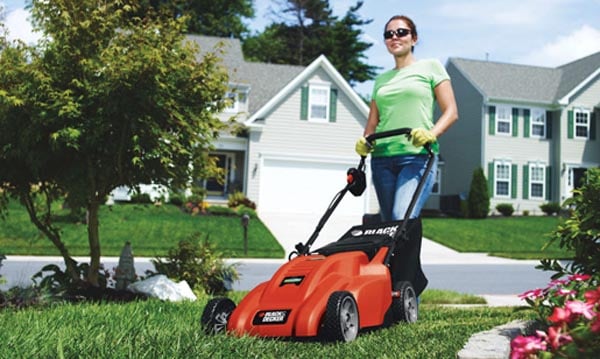
A great lawn does not happen because someone stares at it intensely from the porch and whispers, “Please be lush.” It happens because mowing is done with timing, height, sharp blades, and a little patience. The good news? You do not need a degree in turf science to make your yard look cleaner, greener, and less like it lost a wrestling match with a goat. With the right mowing tips, even a basic weekend lawn routine can improve grass health, reduce weeds, save water, and make your whole property look more polished.
This guide covers practical mowing tips for homeowners, simple lawn care habits that actually work, safety reminders, and a fun giveaway idea for anyone who wants to turn yard work into a neighborhood-friendly event. Whether you own a push mower, riding mower, reel mower, or battery-powered mower, the goal is the same: cut smarter, not harder.
Why Mowing Matters More Than Most People Think
Mowing is not just cosmetic. It affects how deep grass roots grow, how well turf handles heat, how easily weeds move in, and how much water the lawn needs during dry weather. Cutting too short may look tidy for a day, but it can weaken the grass and expose soil to sun, weed seeds, and stress. Think of grass blades as tiny solar panels. When you chop them too low, the plant has less surface area to create energy. Your lawn then has to work overtime, and frankly, it did not sign up for that.
Healthy mowing keeps the grass dense. Dense grass shades the soil, slows weed germination, and gives the lawn a thicker, more even appearance. The best mowing routine depends on your grass type, climate, rainfall, and season, but several rules apply almost everywhere.
Best Mowing Tips for a Healthier Lawn
1. Follow the One-Third Rule
The famous one-third rule is simple: never remove more than one-third of the grass blade at one mowing. If your target mowing height is 3 inches, mow when the lawn reaches about 4.5 inches. If you let the grass grow too tall and then scalp it down in one dramatic haircut, the lawn can become stressed, thin, and more vulnerable to weeds.
If the grass gets away from you after rain, vacation, or a week of heroic procrastination, do not punish it with one harsh cut. Raise the mower deck, mow lightly, then lower it gradually over the next few mowings. Your grass will forgive you faster.
2. Mow High for Stronger Roots
For many cool-season lawns, a mowing height around 3 to 4 inches is a strong general target, especially during warm weather. Taller grass shades the soil, helps reduce moisture loss, and encourages deeper roots. Short grass may look like a golf green, but unless you are also maintaining it like a golf course, it usually becomes a high-maintenance diva.
Warm-season grasses may have different ideal heights, so check recommendations for your region and turf type. Bermuda, zoysia, tall fescue, Kentucky bluegrass, ryegrass, and fine fescues do not all want the same haircut. The best mowing height is not “whatever setting the mower was on when I bought it.” Measure it and adjust.
3. Keep Mower Blades Sharp
A sharp blade cuts grass cleanly. A dull blade tears it. Torn grass tips often turn brown or whitish, making the entire lawn look tired even if it was healthy before mowing. If your yard looks dusty, ragged, or faded a day after mowing, your mower blade may be the villain.
Sharpen blades at least once or twice during the mowing season, and more often if you mow large areas, hit sticks, or discover rocks the hard way. Always turn the mower off completely and follow the manufacturer’s safety instructions before inspecting or servicing equipment.
4. Avoid Mowing Wet Grass
Wet grass clumps, slips, tears unevenly, and can clog the mower deck. It also leaves behind messy rows of clippings that look like green spaghetti. Whenever possible, mow when the grass is dry and the soil is firm. Dry mowing gives a cleaner cut, spreads clippings more evenly, and is safer for the person pushing or riding the mower.
Morning dew can be enough to make mowing messy, so late morning or early evening is often better than sunrise. During extreme heat, avoid mowing at the hottest part of the day because both you and the lawn will be cranky.
5. Leave Short Clippings on the Lawn
Grass clippings are not lawn garbage. When they are short and evenly distributed, they break down quickly and return nutrients to the soil. This practice is often called grasscycling. It can reduce the need for bagging, save time, and support healthier soil.
The key word is “short.” If clippings are long, wet, or piled in heavy mats, they can smother grass underneath. In that case, rake up the clumps or run over them again with a mulching mower. The goal is a light sprinkle, not a salad bar.
6. Change Your Mowing Pattern
Mowing the same direction every time can create ruts, compact soil, and train grass to lean one way. Alternate your pattern: north to south one week, east to west the next, then diagonal if you are feeling fancy. You do not have to create professional baseball stripes, but changing direction helps the lawn stand more upright and reduces repeated wheel stress.
7. Clear the Lawn Before You Mow
Before starting the mower, walk the yard and remove toys, sticks, stones, wire, garden tools, and surprise dog treasures. Mower blades can throw objects with serious force. This step takes two minutes and prevents broken windows, damaged blades, and extremely awkward conversations with neighbors.
8. Practice Smart Mower Safety
Wear sturdy closed-toe shoes, long pants, and eye protection. Keep children and pets away from the mowing area. Never carry riders on a riding mower, and do not bypass safety guards or switches. If a mower clogs, turn it off and wait for all moving parts to stop before clearing anything.
Lawn mowing may be routine, but it still involves fast-moving blades. Respect the machine, and it will help you maintain the yard without turning Saturday morning into an emergency room story.
Seasonal Mowing Advice
Spring: Start Gently
In spring, wait until the grass is actively growing and the ground is firm enough that wheels will not leave ruts. Start with a higher setting and avoid mowing too early when the lawn is still waking up. Spring is also a good time to check the mower, sharpen blades, clean the deck, replace old fuel if needed, and make sure everything runs properly before the grass begins its weekly sprint.
Summer: Raise the Deck
Summer mowing is about stress management. Heat, drought, foot traffic, and pests can all challenge grass. Raising the mower height helps shade the soil and protect plant crowns. If the lawn slows down during dry weather, mow less often. Your calendar should not decide mowing day; the grass should.
Fall: Keep Mowing While Grass Grows
Fall is recovery season for many lawns. Continue mowing as long as the grass is growing. You can also mulch dry leaves into the lawn if they are not too thick. Finely chopped leaves can break down and improve organic matter, but heavy leaf blankets should be removed so the grass can breathe.
Mowing Tips for Different Yard Situations
For Shady Lawns
Grass in shade needs more leaf surface to capture limited sunlight, so mowing slightly higher often helps. Avoid over-mowing shaded areas and reduce traffic where grass is already thin. If a spot is deeply shaded year after year, consider shade-tolerant groundcovers, mulch beds, or a small garden area instead of fighting nature with a mower and false hope.
For Weedy Lawns
Mowing high and consistently can help grass compete against weeds. A thick lawn blocks sunlight from reaching weed seeds. Cutting too low does the opposite: it opens the canopy and gives weeds a warm invitation. Combine proper mowing with smart watering, overseeding, soil improvement, and targeted weed control when necessary.
For New Grass
Newly seeded lawns need gentle handling. Wait until the grass is tall enough to mow without pulling seedlings from the soil. Use a sharp blade, mow when dry, and avoid heavy equipment if the soil is soft. The first few mowings help young grass thicken, but only if you treat it like a baby lawn, not a football field.
Common Mowing Mistakes to Avoid
The biggest mistake is scalping the lawn. Scalping happens when grass is cut too short, often because someone wants to mow less often. Unfortunately, short mowing usually causes more problems, not fewer. The lawn becomes stressed, weeds move in, and the soil dries faster. Congratulations, you saved one mowing and created five new chores.
Another mistake is bagging every clipping. Unless clippings are diseased, wet, long, or piled heavily, leaving them in place is usually better. Bagging removes nutrients and adds extra work. A mulching mower can make the job easier by chopping clippings finely and spreading them evenly.
Mowing on autopilot is also a problem. Grass growth changes with rain, temperature, fertilizer, and season. In fast spring growth, mowing may be needed more often. In dry summer periods, the lawn may barely grow. Let the lawn tell you when it needs mowing.
How to Host a Lawn Care Giveaway
A “Mowing Tips & Giveaway” campaign can be a fun way for a lawn care business, garden blog, neighborhood group, or hardware store to engage readers. The prize does not need to be huge. Useful lawn-related giveaway ideas include a mower blade sharpening voucher, garden gloves, grass seed, a lawn soil test kit, a battery trimmer accessory, a sprinkler timer, or a local lawn-care consultation.
Keep the giveaway simple and transparent. State who is eligible, when the giveaway begins and ends, what the prize includes, how winners are selected, and how they will be contacted. If the promotion is a sweepstakes, include “no purchase necessary” and provide a free method of entry. If social media posts are part of the campaign, make disclosures clear and easy to notice. A hashtag such as “contest” or “sweepstakes” can help make the promotion more transparent, but official rules should still be easy to find.
A smart giveaway should build trust, not confusion. Avoid vague promises like “Win the ultimate yard transformation!” unless the prize is clearly defined. People appreciate specifics. “Win a mower tune-up kit and $50 garden center gift card” is better than a mysterious prize cloud floating above the internet.
Example Giveaway Announcement
Here is a simple example: “Ready for a better-looking lawn? Enter our Mowing Tips Giveaway for a chance to win a lawn care starter kit, including gloves, a blade sharpening voucher, grass seed, and a watering gauge. No purchase necessary. Open to eligible U.S. residents. Enter by sharing your best mowing tip or submitting the entry form before the deadline. Winner selected at random and contacted by email.”
That kind of giveaway works because it matches the topic, gives readers a reason to participate, and encourages useful community discussion. People love sharing lawn opinions. Ask five neighbors about mowing height and suddenly you have a town hall meeting with grass stains.
Real Experiences From the Yard: What Actually Works
The most useful mowing lessons usually come from real yards, not perfect lawn photos online. One common experience is the “I cut it short so I would not have to mow again soon” mistake. It sounds practical until the lawn turns pale, weeds appear around the edges, and bare patches start showing up like unwanted guests. Many homeowners learn that mowing higher actually makes the yard easier to manage because healthier grass grows thicker and handles heat better.
Another real-world lesson is that sharp blades are not optional. A lawn can be watered, fertilized, and treated with care, but if the mower blade is dull, the finished result still looks rough. Homeowners often notice this after sharpening the blade for the first time: the mower cuts more smoothly, the grass tips look cleaner, and the yard has a fresher color after mowing. It is one of those small maintenance tasks that feels boring until the lawn basically sends a thank-you note.
Clippings also surprise people. Many homeowners grow up thinking clippings must be bagged every time. Then they try mulching and realize the lawn does not become messy when mowing is done regularly. The trick is not letting grass get too tall between cuts. Short clippings disappear quickly. Long clippings clump together, sit on top, and make the lawn look like it needs a comb.
Weather teaches its own lessons. Mowing wet grass often seems tempting when the weekend schedule is packed, but it usually creates more work. Wet clippings stick under the deck, shoes slide, mower tracks show, and the cut looks uneven. Waiting until the lawn dries can make the job faster and cleaner. Patience, annoyingly, is sometimes the best lawn tool.
Neighborhood giveaways can create surprisingly good engagement because lawn care is personal. People remember the first mower they used, the worst yard they ever tackled, or the time they hit a hidden stick and made a noise that summoned everyone within three houses. A giveaway tied to mowing tips invites readers to share stories, and those stories make the content feel alive. Instead of simply handing out a prize, the campaign becomes a conversation about practical yard wins, funny failures, and small improvements that make outdoor spaces more enjoyable.
The best experience-based advice is simple: respect the grass, respect the mower, and respect your own time. Mow high, mow with sharp blades, change direction, leave fine clippings, and do not turn lawn care into a battle. A good lawn does not need perfection. It needs consistency, smart habits, and maybe a giveaway prize that makes the next mowing day feel a little less like a chore.
Conclusion
Better mowing is one of the easiest ways to improve lawn health without buying a garage full of products. The main habits are simple: mow at the right height, follow the one-third rule, keep blades sharp, avoid wet grass, recycle short clippings, and stay safe around equipment. Add a thoughtful giveaway, and the topic becomes more than a chore; it becomes a useful, shareable way to help people care for their yards with confidence.
Whether you are maintaining a small front lawn, a busy family backyard, or a property that seems to grow grass while you blink, these mowing tips can help you create a cleaner, stronger, greener lawn. And if your giveaway gets people excited about sharpening blades and raising mower decks, congratulationsyou have officially made lawn care more interesting than it had any right to be.