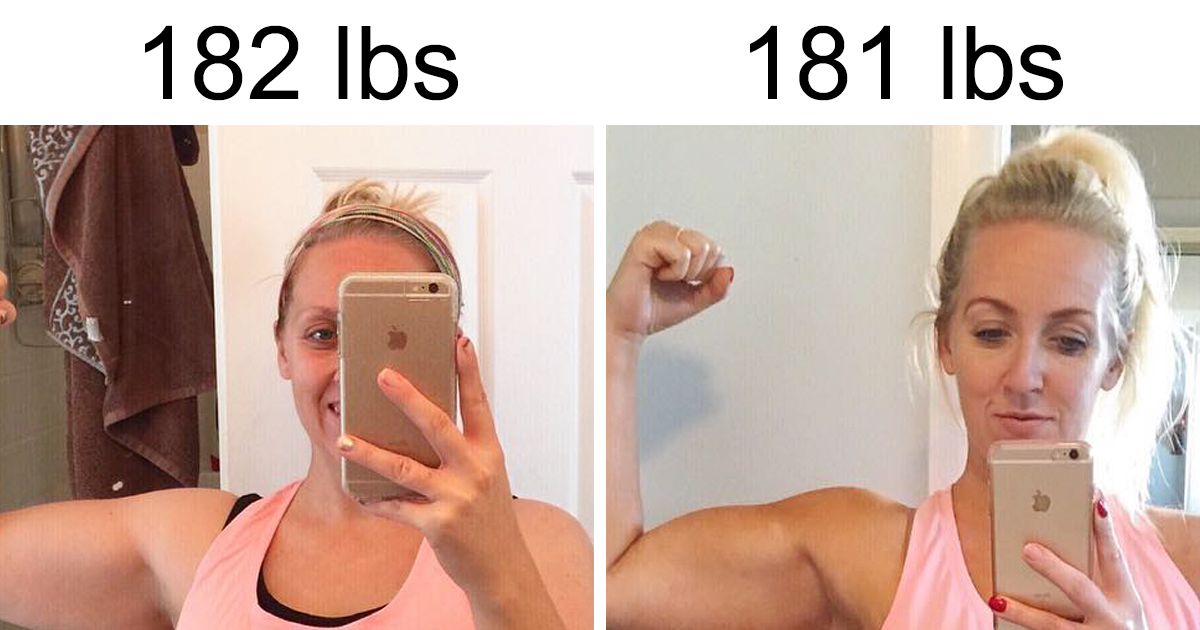
Every bathroom scale has one job: deliver a number, preferably while making you question every snack you have ever loved. But Adrienne Osuna, a mom of four and fitness blogger, turned that little digital rectangle into a public defendant when her before-and-after photos went viral. In the pictures, her body looked dramatically different. Her clothes fit differently. Her waist, shoulders, posture, and muscle tone told a whole new story. The scale, however, barely moved.
The difference? About two pounds.
That is why her transformation hit such a nerve online. It challenged one of the most stubborn ideas in fitness culture: that progress only counts when the number drops. Osuna’s viral 2-pound weight loss showed something more interesting, more useful, and frankly more freeing: scale weight is not the same thing as fat loss, strength, health, or confidence. Weight is data, not destiny. And sometimes, it is hilariously bad at reading the room.
The Viral Transformation That Made the Scale Look Suspicious
Adrienne Osuna’s photos spread because they looked almost unbelievable at first glance. In one image, she weighed around 182 pounds. In the later image, she weighed about 180 pounds. Yet the visual difference was dramatic enough that many people assumed the transformation must have involved huge weight loss, photo tricks, or some miracle product.
Osuna clarified that there was no magic supplement, no secret tea, and no “lose 30 pounds while watching Netflix” gimmick. Her change came from consistent weightlifting, intermittent fasting, improved eating habits, and focusing on what her body could do rather than what it weighed. She also emphasized a point many people forget: the scale does not measure fat versus muscle.
That one sentence explains the whole internet meltdown. A scale cannot tell whether two pounds came from water, muscle, digestion, body fat, inflammation, hormones, or yesterday’s salty takeout. It simply adds up mass and reports back with the emotional sensitivity of a vending machine.
Why Two Pounds Can Look Like a Whole New Body
The answer is body recomposition. Body recomposition means losing fat and gaining lean muscle at the same time. When that happens, the scale may stay stable because one tissue is decreasing while another is increasing. The mirror, clothes, measurements, and strength numbers, however, may change significantly.
Think of it this way: a pound is always a pound, but different tissues occupy different amounts of space. Muscle is denser than fat, so a body with more lean muscle and less fat can look smaller, tighter, and more athletic at nearly the same weight. This is why someone can drop several clothing sizes while losing only a tiny amount of scale weight. The scale sees “almost the same.” Your jeans see “new management.”
Osuna’s transformation is a clear example of why “weight loss” is not always the best phrase for a fitness journey. Sometimes the better goal is fat loss, strength gain, improved energy, better mobility, stronger bones, and confidence that does not collapse because the scale blinked the wrong number on Tuesday morning.
The Scale Measures Mass, Not Meaning
Body weight includes everything: muscle, fat, bone, organs, water, food in the digestive system, and waste. That means daily weight changes are normal. A person can fluctuate several pounds in a day without gaining or losing actual body fat. Sodium, carbohydrates, stress, menstrual cycles, sleep, constipation, exercise soreness, and hydration can all push the number up or down temporarily.
This is why weighing yourself after a salty dinner can feel like your body filed paperwork to become a water balloon. It is not a moral failure. It is fluid retention. Similarly, after a hard strength-training session, muscles may hold water as they repair. The scale may rise even while your fitness is improving.
The scale can still be useful, especially for long-term tracking, medical monitoring, or noticing trends. But it becomes a problem when people treat one daily weigh-in like a final verdict. A single number cannot summarize a body that is constantly adapting, healing, digesting, rebuilding, and doing its best to carry you through the day.
BMI Has Limits, Too
Body Mass Index, or BMI, is another tool that can be useful in population health, but it also has limitations for individuals. BMI compares weight to height, but it does not directly measure body fat, muscle, bone mass, or fat distribution. A muscular person may have a higher BMI without having excess body fat. An older adult may have a “normal” BMI while still having low muscle mass or higher visceral fat.
That does not mean BMI is useless. It means BMI is a screening tool, not a full biography. The same goes for the bathroom scale. Tools are helpful when they are used correctly. They become harmful when they are treated like personality tests with batteries.
Why This Story Hit Moms So Hard
Osuna’s story resonated strongly because motherhood often comes with intense pressure around body image. Pregnancy, childbirth, nursing, sleep deprivation, stress, and the daily logistics of caring for children can change a person’s body and routine in major ways. Then, somehow, society expects moms to “bounce back,” as if childbirth were a minor software update.
For many moms, the scale becomes a symbol of whether they are succeeding or failing. But Osuna’s photos offered a different message: your body can be changing in meaningful ways even when the number refuses to perform a dramatic monologue.
Her transformation also pushed back against the idea that smaller is always the only goal. Stronger matters. More energetic matters. Feeling capable matters. Being able to carry groceries, lift a child, climb stairs, sleep better, or move without pain matters. Those are real outcomes, even if they do not fit neatly into a two-digit pants-size fantasy.
What to Track Instead of Only Scale Weight
If the scale is only one piece of the puzzle, what else should people track? Start with measurements. Waist, hips, chest, arms, and thighs can show changes that the scale misses. Progress photos can also be useful when taken under similar lighting, angles, and clothing. No, bathroom mirror gymnastics do not count as scientific consistency.
Clothing fit is another powerful signal. If your jeans fit better, your shirts sit differently, or your favorite dress stops fighting for its life at the zipper, something is happening. Strength progress matters, too. If you can squat more, lift heavier, do more push-ups, walk farther, or recover faster, your body is adapting.
Energy, mood, sleep, digestion, confidence, and pain levels are also worth noticing. Health is not only what you weigh; it is how you function. A lower number on the scale is not automatically better if it comes with exhaustion, muscle loss, constant hunger, poor sleep, and a personality that has been replaced by a rice cake.
Strength Training Is the Main Character
Osuna credited heavy lifting as a major part of her transformation, and that makes sense. Strength training helps build and preserve lean muscle mass. It can improve body composition, support metabolism, strengthen bones, improve posture, and make everyday tasks easier.
For beginners, strength training does not have to mean walking into a gym and immediately challenging a barbell to a duel. Bodyweight squats, lunges, push-ups against a wall, resistance bands, dumbbells, and machines can all be useful starting points. The key is progressive overload: gradually asking the body to do a little more over time while maintaining good form.
Adults are generally encouraged to include muscle-strengthening activity at least two days per week, along with regular aerobic activity. That does not mean everyone needs to train like a competitive powerlifter. It means the human body benefits from being challenged, especially in a world where chairs are always trying to win.
Intermittent Fasting Was Part of Her Story, Not a Universal Rule
Osuna has discussed intermittent fasting as part of her routine, but that does not mean everyone should copy it. Intermittent fasting can help some people manage calorie intake and eating structure, but it is not magic and it is not appropriate for everyone. People who are pregnant, breastfeeding, recovering from disordered eating, managing diabetes, taking certain medications, or dealing with medical conditions should talk with a qualified healthcare professional before trying fasting.
The broader lesson is not “skip breakfast and become internet-famous.” The lesson is that consistency, enough protein, strength training, realistic nutrition, and patience can change body composition even when scale weight barely moves.
The Problem With Before-and-After Culture
Before-and-after photos can be inspiring, but they can also be misleading. Lighting, posture, angles, clothing, posing, and timing can dramatically change how a body appears. Social media also tends to show the polished moment, not the boring middle: the missed workouts, the reheated leftovers, the days when motivation goes missing like a sock in the dryer.
Osuna’s photos were powerful because the message was not “look at me, buy this product.” It was closer to “please stop letting one number decide whether you give up.” That difference matters. Fitness content becomes healthier when it encourages sustainable habits instead of selling panic in a shaker bottle.
Specific Examples of Non-Scale Victories
Imagine two women who both weigh 170 pounds. One is new to exercise, tired most days, and struggling with back pain. The other has been strength training for a year, sleeps better, has more muscle, moves with less discomfort, and wears a smaller clothing size. Same weight, different body composition, different daily life.
Or consider someone who starts lifting three times a week and increases protein intake. After three months, the scale shows only a three-pound loss. That may look disappointing on paper. But if their waist is down two inches, their deadlift improved, their resting heart rate is better, and their clothes fit comfortably, the scale is not telling the whole story.
This is why non-scale victories deserve more respect. They are not consolation prizes. They are often the clearest evidence that a person’s habits are working.
How to Build a Healthier Relationship With the Scale
You do not have to throw away your scale unless it truly harms your mental health. Instead, demote it. Let it be one tool, not the boss. Weigh under consistent conditions if you choose to weigh: same time of day, similar clothing, preferably after using the bathroom and before eating. Look at weekly or monthly trends rather than daily drama.
Pair the number with other metrics: measurements, photos, strength logs, energy levels, sleep, and how your clothes fit. If the scale is stable but everything else is improving, you are not failing. You may be recomposing.
Also, remember that health goals should be personal. Someone training for powerlifting, someone managing blood pressure, someone recovering postpartum, and someone rebuilding confidence after years of dieting may all need different plans. The best fitness routine is not the most extreme one. It is the one you can repeat without turning your life into a punishment documentary.
Experiences Related to the Topic: What This Looks Like in Real Life
Stories like Osuna’s feel powerful because they describe something many people experience but rarely talk about honestly. A mom may start exercising after years of putting everyone else first. At first, she checks the scale every morning, hoping for proof. One week, she meal-preps, walks, lifts dumbbells, drinks water, and gets to bed early. The scale drops half a pound. The next week, she feels stronger, her leggings fit better, and she can carry her toddler without back pain. The scale goes up one pound. Cue emotional thunderstorm.
That moment is where many people quit. They assume the plan is not working because the number did not reward them. But the body is not a vending machine: you do not insert effort and instantly receive a smaller number. Sometimes the first signs of progress are quieter. You stand taller. You crave fewer afternoon snacks. You recover faster. You stop getting winded walking upstairs. You notice your arms look firmer when you reach for the top shelf. You sleep deeply for the first time in months. Your jeans button without negotiations.
For moms especially, these changes can feel emotional. After pregnancy and years of caregiving, the body can start to feel like public property, constantly judged by relatives, social media, clothing sizes, and old photos. Strength training can shift that relationship. Instead of asking, “How small can I get?” the question becomes, “What can my body do?” That is a quieter kind of confidence, but it lasts longer than a crash diet high.
One common experience is the “same weight, different life” moment. A person may weigh what they weighed a year ago, but now they can lift heavier grocery bags, keep up with their kids at the park, or move through the day without feeling drained. Another common experience is the clothing surprise. The scale says nothing exciting, but an old jacket suddenly closes, or a dress fits better through the waist and shoulders. That is not imaginary progress. That is body composition speaking in fabric.
There is also the mental victory of no longer letting the scale set the mood for the day. Many people begin by weighing themselves and emotionally reporting to the number like it is a tiny glass boss. Over time, they learn to see it as information, not judgment. That shift can be huge. A higher number after a salty meal becomes normal. A plateau becomes a signal to review habits, not a reason to spiral. A two-pound change stops being the headline.
Osuna’s transformation matters because it gives people permission to keep going when the scale is boring. It reminds readers that consistency often works behind the scenes before it becomes obvious. The body may be rebuilding muscle, improving coordination, adjusting hormones, recovering from stress, and changing shape long before the scale decides to clap. The real experience is not just losing weight. It is learning to trust evidence beyond the number.
Conclusion: Weight Is a Number, Not the Whole Truth
Adrienne Osuna’s dramatic before-and-after photos became viral because they exposed a fitness truth hiding in plain sight: the scale is limited. Her 2-pound weight loss did not look like “only” two pounds because her body was changing in composition, strength, and shape. She lost fat, gained muscle, dropped clothing sizes, and built a stronger body while the scale barely moved.
That does not mean weight never matters. It means weight should not be the only thing that matters. A healthier body may show up as better measurements, stronger lifts, improved energy, better sleep, more confidence, and clothes that fit differently. Progress can be visible, functional, and emotional long before it becomes dramatic on a scale.
The next time the scale refuses to applaud your effort, do not panic. Check the bigger picture. Are you stronger? Are you more consistent? Are your clothes fitting better? Are you fueling your body instead of punishing it? Are you building habits you can live with?
If yes, the scale may not be lying exactly. It may simply be underqualified for the job you gave it.
Note: This article is for general informational and motivational purposes only. Anyone making major changes to diet, fasting, exercise, or postpartum fitness should consider personal health needs and seek guidance from a qualified healthcare professional when appropriate.