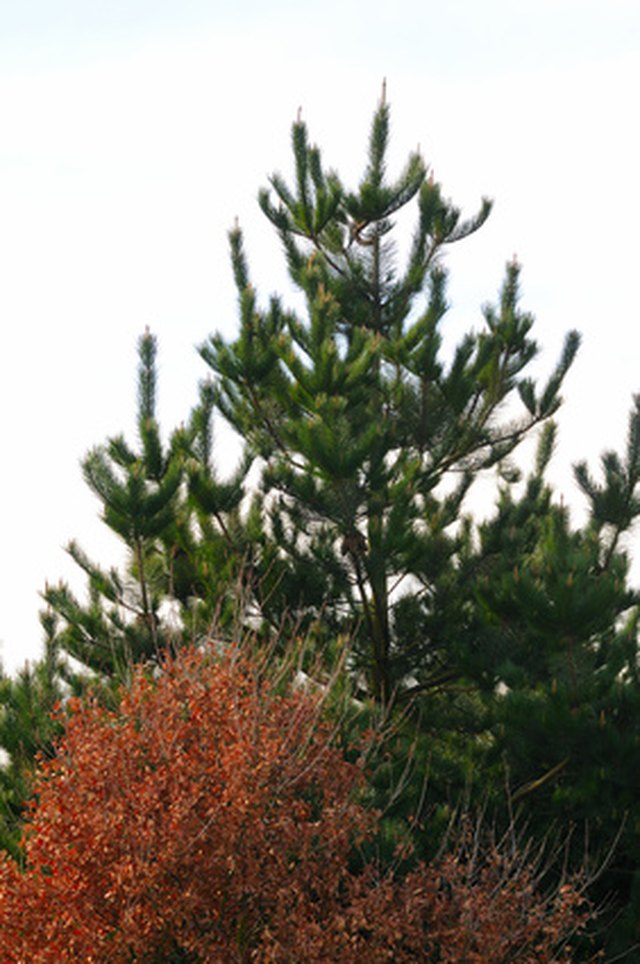
Using Miracle-Gro on trees sounds simple enough: mix, pour, stand back, and wait for your maple to turn into a suburban redwood by Tuesday. If only trees accepted motivational beverages that easily. The truth is more practical, less magical, and much better for your landscape: Miracle-Gro can be used on many trees, but only when the tree actually needs nutrients and only when the product is applied correctly.
Fertilizer is not tree medicine, tree coffee, or a leafy version of a protein shake. It is a source of nutrients. When used wisely, Miracle-Gro plant food may support greener foliage, better growth, stronger flowering, and improved recovery from mild nutrient shortages. When used carelessly, it can waste money, stress roots, contribute to fertilizer burn, or encourage fast leafy growth that the root system cannot support. In other words, Miracle-Gro is helpful in the right situation, but it is not a wand with blue crystals.
This guide explains how Miracle-Gro works on trees, when to use it, when to skip it, how to apply it around the root zone, and what mistakes to avoid. Whether you are feeding a young ornamental tree, a struggling shrub-like flowering tree, a fruit tree, or a mature shade tree that has seen more backyard drama than the family group chat, the goal is the same: feed the soil and roots intelligently.
What Is Miracle-Gro, Really?
Miracle-Gro is a well-known line of plant foods made for different gardening situations, including water-soluble fertilizers, slow-release shake-on formulas, spikes, and specialty products for flowering plants, trees, shrubs, vegetables, and houseplants. The classic Miracle-Gro Water Soluble All Purpose Plant Food is often used because it dissolves quickly in water and provides nitrogen, phosphorus, and potassium, the three major nutrients shown on fertilizer labels as N-P-K.
Nitrogen supports leafy green growth. Phosphorus is associated with root development, flowering, and energy transfer inside the plant. Potassium helps overall plant function, water regulation, and stress tolerance. Trees need all three, but not always in the same amount, and not always from a bag. Many established trees already get what they need from soil organic matter, decomposing leaves, mulch, nearby lawn fertilizer, and natural nutrient cycling.
The most important point is this: Miracle-Gro is not automatically good or bad for trees. It is a tool. A shovel can plant a tree or destroy a sprinkler line. The user matters.
Can You Use Miracle-Gro on Trees?
Yes, Miracle-Gro can be used on many trees, especially products labeled for trees and shrubs or all-purpose outdoor use. However, the label is not a suggestion written by someone trying to decorate the package. It is the rulebook. Always follow the product directions for mixing, application rate, timing, and safety.
For general all-purpose water-soluble plant food, the usual outdoor approach is to dissolve the fertilizer in water and apply it to the soil around the plant. For tree and shrub formulas, the product may be shaken onto the soil surface within the spread of the branches and then watered in. Some Miracle-Gro products are designed for acid-loving flowering trees and shrubs, while others are broader all-purpose fertilizers.
The best answer is not “use Miracle-Gro on every tree.” The better answer is “use the right Miracle-Gro product on the right tree at the right time, if the tree needs nutrients.” Your tree will not be offended by this level of thoughtfulness. Trees are quiet, but they appreciate competence.
When Miracle-Gro Makes Sense for Trees
Miracle-Gro may be useful when a young established tree is growing slowly, when leaves are pale because of a confirmed nutrient issue, when flowering trees need seasonal support, or when container-grown trees require regular feeding. Container trees are especially dependent on the gardener because nutrients wash out of potting mix more quickly than they do in open soil.
It can also make sense for ornamental trees and shrubs in poor urban soils, compacted yards, newly built landscapes, or beds where topsoil was scraped, replaced, or buried during construction. In those settings, soil may lack organic matter and available nutrients. But even then, fertilizer should not be the first guess. A soil test is the grown-up move. It tells you whether the soil is low in key nutrients, whether the pH is creating nutrient availability problems, and whether you are about to add something the tree does not need.
Miracle-Gro is most effective when the tree is actively growing and has enough water. Fertilizer encourages growth, and growth requires moisture. Feeding a thirsty tree in dry soil is like handing someone crackers in the desert and calling it dinner.
When You Should Not Use Miracle-Gro on Trees
Do not use Miracle-Gro just because a tree looks unhappy. Yellow leaves, thinning branches, leaf scorch, dieback, poor flowering, and weak growth can be caused by many problems: drought, overwatering, compacted soil, root damage, poor planting depth, disease, insects, herbicide drift, salt injury, or the classic backyard villain known as “mulch volcano.” Fertilizer only helps if nutrient shortage is part of the problem.
Newly planted trees usually do not need fast-release nitrogen fertilizer at planting time. After transplanting, a tree’s most important job is root establishment. Pushing lots of leafy top growth before roots are ready can make the tree more vulnerable to drought and heat stress. If you planted a tree recently, focus on proper watering, mulch, and keeping grass away from the trunk area.
You should also avoid fertilizing trees during severe drought, late in the growing season in cold climates, or when the soil is frozen. Late feeding can encourage tender new growth that may be damaged by winter weather. Think of it as sending your tree to bed with wet hair in January. Not ideal.
How to Apply Miracle-Gro Around Trees
1. Read the Label First
Every Miracle-Gro product has its own directions. Water-soluble formulas, shake-on fertilizers, spikes, and specialty tree-and-shrub products are not applied the same way. Before you do anything, read the package and follow the recommended rate. More fertilizer does not mean more tree. It means more salts around roots, more waste, and more risk.
2. Apply to the Root Zone, Not the Trunk
Tree roots do not sit politely at the base of the trunk waiting for you to pour blue water on their heads. The absorbing feeder roots are usually spread throughout the soil under and beyond the canopy. Apply fertilizer evenly over the soil within the drip line, which is the area beneath the outer reach of the branches, and in many cases slightly beyond it.
Avoid piling fertilizer against the trunk. Fertilizer directly on bark can irritate tissue, and wet material around the trunk can contribute to rot and pest problems. The trunk is not a straw. The root zone is the target.
3. Water Thoroughly
After applying a dry tree-and-shrub fertilizer, water the area well unless the label says otherwise. Water moves nutrients into the soil where roots can access them. If you are using a water-soluble product, you are already applying it in water, but the tree may still need deep watering if the soil is dry.
4. Keep It Even
Uneven application can create hot spots where roots receive too much fertilizer in one area and none in another. Broadcast dry products evenly. For liquid feeding, spread the solution gradually around the root zone instead of dumping it in one dramatic puddle. Gardening is not theater, even if the hose occasionally behaves like a villain.
How Often Should You Use Miracle-Gro on Trees?
Frequency depends on the product, the tree, the soil, the climate, and whether the tree is in the ground or in a container. Water-soluble fertilizers often require more frequent application because nutrients are available quickly and can move through the soil faster. Slow-release tree-and-shrub products feed more gradually and may last longer.
For in-ground landscape trees, less is usually more. Many established trees only need fertilization every few years, and some need none at all. If a tree is mature, healthy, growing normally, and surrounded by mulched or naturally fertile soil, adding fertilizer may provide little benefit. In fact, overfertilizing can encourage lush, weak growth that attracts pests or increases pruning headaches.
Young established trees may benefit from light fertilization during active growth, especially in poor soils. Fruit trees may have specific nutrient needs tied to crop production, shoot growth, and soil test results. Container trees may need regular feeding during the growing season because potting mixes have limited nutrient reserves.
Miracle-Gro for Fruit Trees
Fruit trees deserve extra care because the goal is not just leaves; it is flowers, fruit, and long-term structure. A fruit tree that gets too much nitrogen may grow lots of leafy shoots while producing fewer flowers or fruit. That is lovely if your dream is a very energetic stick collection, but disappointing if you wanted peaches.
Before using Miracle-Gro on apple, peach, citrus, fig, plum, or cherry trees, consider the tree’s age, annual shoot growth, leaf color, fruiting history, and soil test results. Young fruit trees need steady establishment. Bearing fruit trees need balanced nutrition that supports fruit quality without overstimulating vegetative growth.
For citrus and other acid-loving or container-grown fruit trees, a specialty fertilizer may be more appropriate than a general all-purpose formula. Citrus often needs micronutrients such as iron, manganese, and magnesium, especially in containers or alkaline soils. If leaves are yellow with green veins, the problem may be iron chlorosis linked to pH, not a simple lack of general fertilizer.
Miracle-Gro for Flowering Trees and Shrubs
Flowering trees such as dogwood, magnolia, crabapple, redbud, crepe myrtle, and ornamental cherry may benefit from thoughtful feeding, especially when young or growing in poor soil. However, bloom performance depends on more than fertilizer. Sunlight, pruning timing, water, cultivar, winter temperatures, and plant health all matter.
Some Miracle-Gro formulas are made specifically for flowering trees and shrubs, including acid-loving plants. These products are usually applied over the soil under the branch spread and watered in. They can help support foliage color and bloom potential when used as directed. Still, do not fertilize a flowering tree immediately before blaming it for not blooming. If you prune spring-flowering trees at the wrong time, you may remove flower buds. No fertilizer can replace the blooms you accidentally turned into compost.
Miracle-Gro for Evergreen Trees
Evergreens, including pine, spruce, arborvitae, juniper, and holly, generally need less fertilizer than many fast-growing deciduous plants. They keep foliage year-round and are often adapted to leaner soils. If an evergreen is pale, sparse, or browning, first check water, drainage, winter injury, pests, and planting depth before fertilizing.
When fertilizer is needed, apply it during the appropriate growing period and keep it off foliage and away from the trunk. Evergreens can be sensitive to salt buildup and drought stress. A gentle, soil-test-guided approach is safer than a heavy-handed feeding schedule.
Common Mistakes When Using Miracle-Gro on Trees
Using Too Much
The most common mistake is assuming that if one scoop is good, two scoops are a horticultural masterpiece. Fertilizer is measured for a reason. Overapplication can burn roots, cause leaf scorch, increase salt levels, and push excessive top growth.
Feeding a Stressed Tree Without Diagnosis
A tree with drought stress needs water. A tree planted too deep needs correction. A tree with girdling roots needs professional help. A tree with insects needs pest management. Fertilizer cannot solve every tree problem, no matter how confident the box looks on the shelf.
Fertilizing Too Close to the Trunk
Pouring fertilizer at the trunk base misses much of the active feeder-root zone. Spread the application under the canopy and near the drip line, not in a tight little moat around the trunk.
Ignoring Soil pH
Soil pH affects nutrient availability. A tree may show deficiency symptoms even when nutrients are present if the pH makes them difficult for roots to absorb. This is common with iron chlorosis in alkaline soils. Adding more general fertilizer may not fix the issue and can make the soil chemistry more crowded than a garden center on spring Saturday.
Miracle-Gro vs. Compost and Mulch
Miracle-Gro provides nutrients. Compost and mulch improve the soil environment. These are related, but not identical. Organic mulch helps conserve moisture, moderate soil temperature, reduce competition from weeds and turfgrass, and slowly add organic matter as it breaks down. Compost can improve soil structure and microbial activity when used properly.
For many trees, a wide mulch ring is more valuable than frequent fertilizer. A two- to four-inch layer of organic mulch spread over the root zone, while kept several inches away from the trunk, can dramatically improve growing conditions. It protects roots from temperature swings and mower damage, both of which are more common than most people admit.
The best tree care often combines modest fertilization, if needed, with mulch, watering, and patience. Miracle-Gro can be part of that plan, but it should not be the whole plan.
Signs Your Tree May Need Nutrients
Possible signs of nutrient deficiency include pale green or yellowing leaves, reduced shoot growth, smaller-than-normal leaves, premature fall color, sparse canopy, and weak flowering. However, these symptoms overlap with many other problems. That is why soil testing and careful observation are essential.
Look at the whole site. Is the soil compacted? Is the tree competing with lawn? Has construction happened nearby? Is water pooling around the roots? Is mulch piled against the trunk like a tiny volcano of regret? Are leaves damaged only on one side of the tree? These clues matter.
If a valuable mature tree is declining, consult a certified arborist rather than experimenting with fertilizer. Large trees are expensive, slow to replace, and very bad at sending complaint emails before they fail.
A Simple Safe Feeding Plan
Start with observation. If the tree is healthy and growing well, do nothing except maintain good mulch and watering habits. If growth is weak or foliage looks pale, get a soil test. If the soil test suggests a nutrient need, choose a fertilizer that matches the recommendation as closely as possible. If using Miracle-Gro, choose a product labeled for your tree type or situation.
Apply during active growth or during the recommended seasonal window for your region. Keep fertilizer away from the trunk. Spread it evenly through the root zone. Water it in. Then wait. Trees respond slowly. A tomato plant may perk up like it heard good gossip. A tree takes its time because it is building wood, roots, and long-term structure.
Experience Notes: What Actually Happens When You Use Miracle-Gro on Trees
In real-world yards, Miracle-Gro tends to show the most noticeable results on younger trees, container trees, and flowering shrubs or small ornamental trees growing in less-than-perfect soil. A small potted citrus tree, for example, may respond quickly to regular feeding during the growing season because its roots are trapped in a limited volume of potting mix. Leaves may look greener, new shoots may appear more consistently, and the plant may seem more energetic overall. That does not mean the fertilizer performed a miracle; it means the tree had a genuine nutrient demand and the product supplied available nutrients.
With in-ground trees, results are usually slower and less dramatic. A young dogwood in a mulched bed may show better leaf color after a careful spring feeding, especially if the soil was low in nitrogen. A newly planted maple, however, may show almost no visible benefit from fertilizer because its main task is root establishment. In fact, gardeners who feed too aggressively right after planting sometimes see lots of tender top growth followed by wilting during summer heat. The tree looks like it tried to sprint before tying its shoes.
One practical experience many homeowners discover is that watering matters more than they expected. Miracle-Gro mixed correctly and applied to dry, compacted soil will not perform well if the tree is drought-stressed. The fertilizer may dissolve, but roots under moisture stress are not in peak uptake mode. A better routine is to water deeply, maintain mulch, and feed lightly only when conditions are favorable. Trees are not houseplants with bark; they have broad root systems and need soil-wide care.
Another lesson is that “green” is not always the same as “healthy.” A tree can produce lush leaves after nitrogen feeding while still having structural problems, poor roots, or disease pressure. Heavy nitrogen can make a plant look temporarily impressive, the way a fresh haircut can make a person look organized for about six hours. Long-term tree health depends on root space, soil quality, correct planting depth, proper pruning, pest monitoring, and seasonal watering.
Gardeners also learn that different trees react differently. A fast-growing ornamental may respond visibly within weeks, while an oak or mature shade tree may appear unchanged. That does not mean the product failed. Mature trees often need fewer added nutrients, and their response may be subtle. If the canopy is full, leaves are normal size, and annual growth is acceptable, the best fertilizer may be the leaves that fall, decompose, and quietly feed the soil every year.
The most satisfying results usually come from restraint. Use Miracle-Gro as directed, avoid the trunk, feed the root zone, water well, and do not turn fertilizing into a weekly personality trait. When paired with mulch and good watering, Miracle-Gro can be a useful support tool for trees that need a nutrient boost. Used without diagnosis, it is just blue optimism in a watering can.
Conclusion: Should You Use Miracle-Gro on Trees?
Miracle-Gro can be good for trees when the product is appropriate, the tree needs nutrients, and the application follows label directions. It is especially useful for young established trees, container trees, flowering trees and shrubs, and landscapes with confirmed nutrient shortages. It is less useful for healthy mature trees, newly planted trees, drought-stressed trees, or trees suffering from non-nutrient problems.
The smartest approach is simple: test the soil, choose the right formula, apply it to the root zone, water properly, and avoid overfeeding. Miracle-Gro can help support tree growth, but the real miracle is usually consistent care. Trees thrive when gardeners stop guessing and start paying attention.