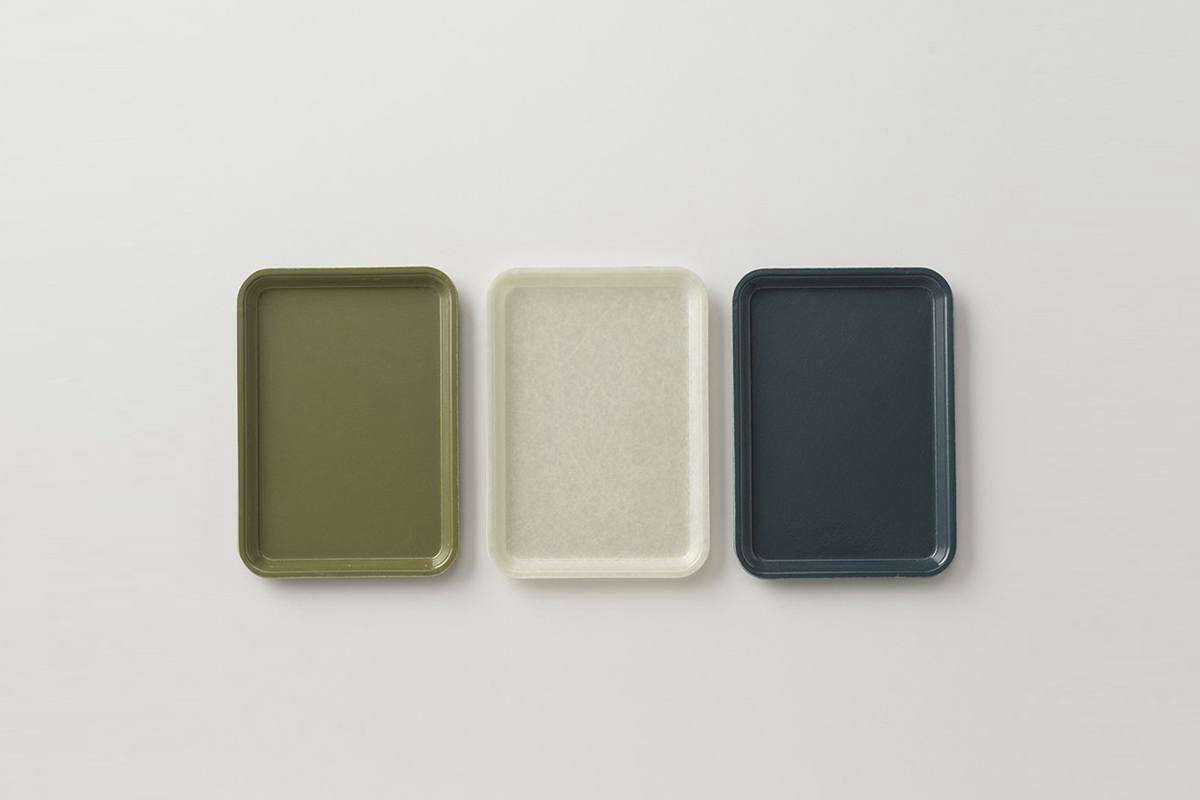
A mini compartment tray is proof that household peace sometimes arrives in a very small package. With several divided sections in one compact footprint, this simple organizer can stop earrings from forming alliances with paper clips, keep screws from wandering across the garage, or prevent strawberries from soaking a perfectly innocent cracker.
These trays appear in kitchens, craft rooms, offices, workshops, classrooms, bathrooms, and travel bags. Some are open organizers designed for drawers. Others have lids, adjustable dividers, handles, or leak-resistant seals. Food-grade versions may function as snack trays, portioned lunch containers, or divided serving dishes.
The best mini compartment tray is not necessarily the one with the most sections. It is the one whose material, dimensions, compartment layout, and cleaning requirements match the items you actually need to organize. Otherwise, you may simply acquire a beautifully divided container for storing regret.
What Is a Mini Compartment Tray?
A mini compartment tray is a compact container divided into two or more individual sections. Its purpose is to separate small items while keeping them visible and accessible within a single organized unit.
Unlike a conventional storage bin, which creates one large pile, a divided tray assigns each category its own space. Fixed compartments provide dependable separation, while removable dividers let users change the layout for objects of different sizes.
The term can describe several related products:
- Open organizer trays for drawers, counters, desks, and vanities
- Lidded storage boxes for beads, hardware, fishing tackle, or travel accessories
- Divided food trays for snacks, lunches, sauces, and portioned meals
- Stackable display trays for jewelry, coins, watches, or collectibles
- Removable-cup organizers for workshops and craft stations
This distinction matters when shopping. An open felt jewelry tray is excellent for protecting a watch but spectacularly unqualified to transport hummus.
Why Small Divided Trays Work So Well
They make categories visible
Organization becomes easier when every item has an obvious destination. A clear or open mini organizer tray lets you scan the contents immediately instead of excavating a drawer every time you need a safety pin.
Visibility also helps prevent duplicate purchases. When you can see that you already own 47 picture-hanging hooks, buying package number 48 becomes harder to justify.
They prevent mixing and tangling
Compartment walls keep small pieces apart. Necklaces are less likely to tangle, beads remain sorted by color, and nuts do not mingle with bolts of the wrong diameter. In food trays, dividers can keep dry and moist foods separated until serving time, provided the design offers suitable seals.
They use awkward spaces efficiently
Mini trays fit inside shallow drawers, medicine cabinets, toolboxes, backpacks, or narrow shelves where full-size organizers would be impractical. Several modular trays can also be arranged side by side to create a customized storage system.
They support faster routines
A tray placed near the entryway can hold keys, coins, earbuds, and a transit card. A bedside version can organize jewelry, lip balm, and medication. In the office, separate sections can corral binder clips, thumbtacks, USB drives, and other tiny objects that traditionally disappear when given half a chance.
Popular Uses for a Mini Compartment Tray
Snack and lunch organization
Food-safe divided trays are useful for serving fruit, cheese, crackers, vegetables, dips, nuts, and bite-size desserts. Small sections make variety easy without requiring a parade of separate bowls.
For packed lunches, choose a tray or box designed specifically for food contact. If it will be carried vertically, look for a secure lid and seals around individual compartments. A lid that merely covers the outside edge may prevent the lunch from escaping while still allowing yogurt to visit every other section.
Craft and hobby supplies
Beads, sequins, buttons, embroidery floss, charms, miniature model parts, and diamond-painting pieces are natural residents of a compartment tray. Transparent lids are especially useful because they reveal colors and quantities without requiring the box to be opened.
For very fine materials, inspect how closely the lid meets the divider walls. A visible gap can allow tiny beads to migrate between sections when the container is tilted.
Jewelry and personal accessories
Soft-lined trays help protect earrings, rings, cuff links, brooches, watches, and delicate chains. Felt or flocked surfaces reduce sliding and create a polished display, although they are harder to wash than plastic or metal.
Choose shallow sections for rings and earrings, longer compartments for watches, and narrow channels for chains. Frequently worn pieces should remain easy to reach rather than being buried under a decorative lid worthy of a bank vault.
Hardware and repair parts
In a workshop, a small parts organizer can separate screws, anchors, washers, electrical connectors, drill accessories, and spare fasteners. A clear lid, sturdy latch, and removable bins are valuable when the tray must travel between projects.
For portability, test whether the lid presses closely enough against the compartment walls to keep parts in place. Strong hardware trays may also include handles, stackable edges, or interlocking cases.
Desk and technology accessories
A compact divided organizer can manage memory cards, cable adapters, spare batteries, SIM tools, charging tips, stamps, and clips. Anti-slip feet are helpful on a desktop, while low-profile dimensions matter inside a drawer.
Avoid storing loose batteries where their terminals can touch metal items. Compartmentalization helps, but the tray should still be kept dry and used according to the battery manufacturer’s storage recommendations.
Travel and temporary setups
Lidded mini trays are convenient for sewing kits, jewelry, first-aid accessories, game pieces, or hobby materials. Travelers should favor rounded corners, dependable closures, and a size that fits flat inside their bag.
Open trays can also act as a temporary “landing zone” in a hotel room. Keeping rings, keys, and earbuds together makes the final room check considerably less dramatic.
How to Choose the Best Mini Compartment Tray
Measure the available space first
Measure the width, depth, and usable height of the intended drawer, shelf, or bag. Account for drawer lips, hinges, handles, and rounded interior corners. Product dimensions usually describe the outside of the tray, while the usable compartments may be noticeably smaller.
Then measure the objects going inside. A tray can fit the drawer perfectly and still fail because its compartments are one-quarter inch too short for your tools.
Choose the right compartment configuration
Equal-size sections work well for uniform items such as beads, pills in original unit-dose packaging, game tokens, or screws. Mixed-size compartments are more useful for jewelry, desk supplies, or snacks.
Adjustable dividers add flexibility, but they should lock firmly into place. Removable cups are even more convenient when supplies need to be carried to a work surface or cleaned individually.
Select a suitable material
- Polypropylene or similar plastics: Lightweight, affordable, and commonly used for washable organizers. Suitability for food, dishwashers, microwaves, or freezers depends on the specific product label.
- Clear acrylic: Attractive and easy to see through, making it popular for cosmetics and desk supplies. It may scratch or crack if dropped.
- Silicone: Flexible, quiet on hard surfaces, and useful for food or craft applications when the item is manufactured for that purpose.
- Stainless steel: Durable, odor-resistant, and easy to clean, though it is heavier and unsuitable for microwave use.
- Wood or bamboo: Warm and decorative for dry storage, but generally less appropriate for wet, oily, or highly washable applications.
- Felt or fabric: Gentle on jewelry and accessories but vulnerable to stains, moisture, and trapped dust.
Decide whether you need a lid
An open tray offers immediate access and works well inside a protected drawer. A lid is useful for stacking, transportation, dust control, and keeping curious pets away from small items.
For travel, look beyond the mere existence of a lid. Examine the latch, hinge, seal, and rigidity. A decorative cover may be sufficient for a vanity but unreliable inside a backpack doing its daily impression of a washing machine.
Check cleaning and care instructions
Food trays should have smooth, accessible corners and minimal crevices. Follow the manufacturer’s directions for dishwasher, freezer, and microwave use rather than assuming every plastic tray can withstand every appliance.
If no dishwasher guidance is supplied, hand-washing with warm, soapy water is the cautious option. Allow all parts to dry completely before closing the lid or returning the tray to a drawer.
Using a Mini Compartment Tray for Food Safely
A tray intended for crafts or hardware should not automatically be repurposed for snacks. Choose a product explicitly identified as suitable for food contact and use it only within its labeled temperature and appliance limits.
For packed perishable foods, the container is only one part of the safety system. Place it in an insulated lunch bag with adequate cold sources. USDA guidance recommends at least two cold sources for perishable bag lunches. Hot foods should travel in an appropriate insulated container rather than an ordinary divided plastic tray.
Wash the tray between uses, paying attention to lid channels, seals, and divider corners. Removable gaskets should be cleaned according to the product instructions. Replace a food tray if it becomes deeply cracked, warped, permanently odorous, or impossible to clean thoroughly.
When feeding young children, cut foods into age-appropriate shapes and supervise eating. Compartments can make food inviting, but they do not make choking hazards safe. Keep nonfood trays containing beads, buttons, screws, batteries, or other small objects out of children’s reach.
A Simple Organization Method That Lasts
- Empty the problem area. Remove everything from the drawer, shelf, or box so you can see what actually exists.
- Discard or relocate unrelated items. A tray cannot cure clutter if every compartment becomes a tiny junk drawer.
- Group objects by function. Sort similar items together before deciding how many sections are necessary.
- Assign compartments by frequency. Put frequently used objects in the easiest sections to reach.
- Label similar contents. Labels help distinguish nearly identical screws, beads, seeds, or electronic components.
- Leave some breathing room. Overfilled sections are difficult to use and tend to spill into their neighbors.
- Review the arrangement after a week. If an item repeatedly lands outside the tray, the system needs adjustment.
Common Buying Mistakes
One frequent mistake is choosing by compartment count alone. Twenty tiny cells are not more useful than six appropriately sized sections if none can hold the intended objects.
Another is overlooking interior depth. Shallow trays are excellent for visibility but can spill tall items when the drawer moves. Excessively deep sections create miniature wells that require fingertip archaeology.
Buyers also confuse “divided” with “leak-resistant.” Solid walls may separate dry foods on a table, yet sauces can cross over when the tray is carried. Check whether each section has its own seal if that feature matters.
Finally, avoid building an elaborate collection of trays before testing one. Modular systems are appealing, but buying twelve units for the wrong drawer dimensions merely transforms clutter into coordinated clutter.
Care, Cleaning, and Long-Term Maintenance
Empty nonfood trays periodically and remove dust with a soft cloth or brush. Wash compatible plastic or metal organizers according to their care labels. Felt inserts can often be vacuumed gently or spot-cleaned, but soaking may distort them.
Do not use abrasive pads on clear acrylic because scratches will quickly make it cloudy. Inspect hinges, latches, divider slots, and silicone seals for wear. A portable tray carrying sharp or heavy hardware should be retired when its closure no longer stays securely locked.
Labels should remain readable but easy to update. Removable label tape is often more practical than permanent marker when the tray’s contents change. Apparently, even screws enjoy career transitions.
Frequently Asked Questions
How many compartments should a mini tray have?
Choose the number based on your categories rather than an arbitrary maximum. Four to eight sections can handle snacks, desk supplies, or daily jewelry, while beadwork and hardware collections may require many more.
Are removable dividers better than fixed ones?
Removable dividers are more flexible, but fixed walls are often stronger and easier to clean. For liquids or foods with moisture, fixed molded sections may also provide more dependable separation.
Can every plastic compartment tray hold food?
No. Use only a tray identified by its manufacturer as suitable for food contact. Food-safe status does not automatically mean the product is microwave-, freezer-, oven-, or dishwasher-safe.
What color is most practical?
Clear trays provide the best visibility. Light colors help dark objects stand out, while dark felt presents jewelry attractively. In shared systems, different colors can identify users, projects, or supply categories.
Conclusion
A mini compartment tray turns small, easily misplaced objects into visible, usable categories. It can simplify lunches, tame craft supplies, protect jewelry, organize hardware, and rescue desk drawers from complete administrative collapse.
Successful selection comes down to five essentials: accurate measurements, appropriately sized compartments, suitable materials, a dependable lid when needed, and realistic cleaning requirements. Match those features to one specific job, test the arrangement, and expand only if the system proves useful.
Real-World Experiences With Mini Compartment Trays
The following experience-based observations combine common patterns reported by home organizers, crafters, lunch packers, travelers, and DIY users. The most noticeable benefit is rarely the tray’s appearance. It is the reduction in tiny interruptions. Finding an earring back in five seconds instead of searching the carpet for ten minutes does not feel revolutionary, but repeat that improvement throughout a week and the humble tray begins earning its drawer space.
In a home office, a six-section clear tray often works better than a highly detailed organizer. One compartment can hold binder clips, another can manage USB adapters, and the remaining sections can contain stamps, memory cards, pushpins, and spare keys. Clear walls make inventory immediate. The weakness appears when every interesting object is tossed into the nearest empty section. Within a month, the tray may contain three foreign coins, a mystery spring, and a button from a shirt nobody remembers owning. A quick weekly reset keeps the arrangement functional.
Craft users tend to appreciate secure lids more than expected. An open bead tray is pleasant while a project is active, but one accidental elbow can introduce several hundred beads to the floor at impressive speed. Lidded trays with snug divider contact perform better when supplies are stored upright or transported. Removable cups are particularly convenient because a single color or component can be moved to the worktable without carrying the entire collection.
Lunch packers often discover that visual variety makes simple food more appealing. A small tray containing berries, cheese cubes, crackers, cucumber slices, and a dip can feel more interesting than the same foods mixed in one container. However, real use quickly exposes poor seals. Juicy fruit may soften crackers, and dressing may travel with the enthusiasm of a tourist. Keeping wet ingredients in a separately sealed cup is more reliable unless the tray promises individually sealed compartments.
In a workshop, the biggest lesson is to label by specification rather than appearance. Several screws can look nearly identical until one refuses to fit. Labels such as length, gauge, or intended application save time and reduce mistakes. Users also benefit from leaving one section empty for pieces removed during an active repair. That temporary compartment prevents important fasteners from rolling under furniture and beginning a new life there.
Travel reveals different priorities. A compact organizer must have rounded edges, a secure latch, and minimal unused bulk. A tray that looks charming on a dresser may open inside a suitcase if the closure is weak. For jewelry, a soft insert and separate sections reduce tangling, but necklaces still benefit from individual fastening or small pouches. Rings and earrings usually travel well in shallow compartments because they remain visible during packing and departure checks.
Across these situations, the best experience comes from assigning one tray to one clear purpose. A mini compartment tray is most effective when it reduces decisions rather than creating more of them. If users know exactly where an object belongs, they are likely to return it. If every section becomes “miscellaneous,” the tray has not organized the clutter; it has simply installed walls between its arguments.
Note: Product designs and material limits vary. Confirm the manufacturer’s food-contact, microwave, freezer, dishwasher, weight, and age-safety instructions before use. This article synthesizes practical guidance from U.S. food-safety authorities, public-health organizations, organizing specialists, and major home-improvement and storage retailers.