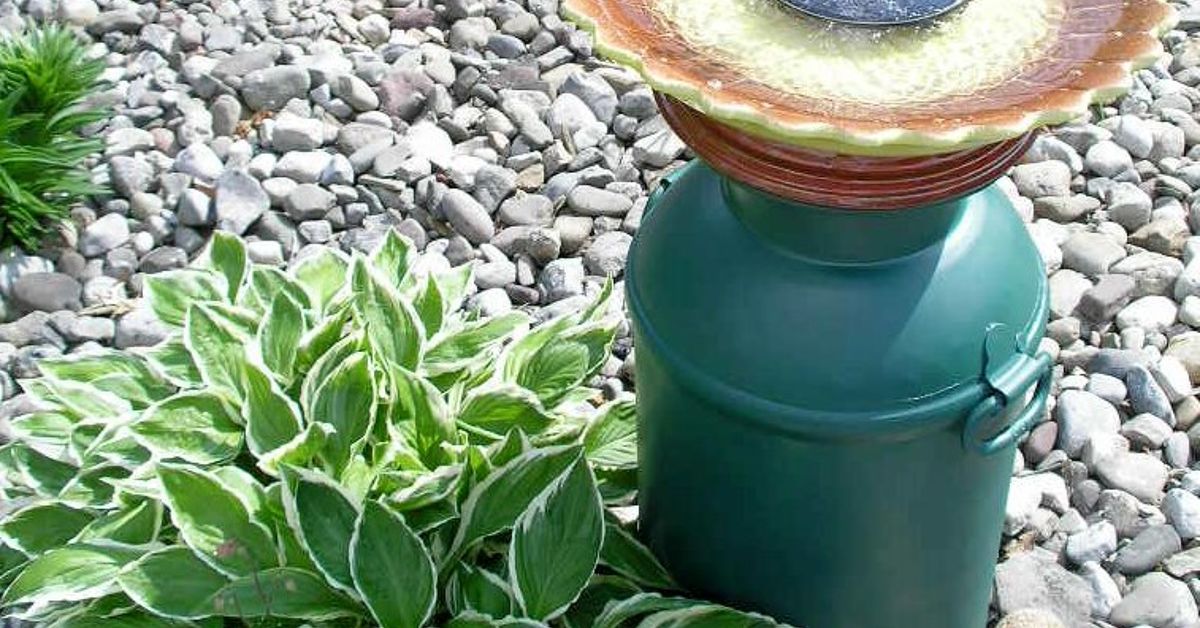
A milk can fountain is what happens when farmhouse nostalgia meets the soothing sound of running water and decides to become the star of your patio. It takes the familiar silhouette of an old dairy milk cantall, sturdy, a little weathered, and full of rural charmand turns it into a decorative water feature that feels equal parts vintage, handmade, and surprisingly elegant. If your garden has been begging for personality but your wallet has been begging for mercy, this idea lands in a very sweet spot.
At its core, a milk can fountain is a recirculating outdoor water feature built around a vintage-style or authentic old milk can. Water is pumped up through hidden tubing, spills from the top or a spout, and returns to a basin or concealed reservoir below. The effect can be dramatic, subtle, rustic, or polished depending on the materials around it. Think smooth river stones, creeping ground cover, galvanized metal, reclaimed wood, or a gravel bed that makes the whole thing look as though it has always belonged there.
That is the real magic of a milk can fountain: it looks charming without trying too hard. It can live happily in a cottage garden, on a farmhouse porch, beside a barn-style shed, or in a suburban backyard that simply wants a little more soul. It whispers “country character” without screaming “themed restaurant.” That alone deserves respect.
What Is a Milk Can Fountain, Exactly?
A milk can fountain is typically a pondless or self-contained fountain made from either a real antique milk can or a decorative reproduction. Vintage milk cans were once used to transport milk from farms to dairies, which is why they still carry such strong Americana and farmstead appeal. Today, that same shape is reused as a garden focal point because it is tall enough to create pleasing water movement, slim enough for smaller spaces, and rugged enough to look good with stone, gravel, and weathered planting beds.
Most designs fall into one of two categories. The first is the spill fountain, where water flows from the opening or from a fitted spout into a hidden basin below. The second is the overflow fountain, where water bubbles from the top and gently runs down the sides of the can. The spill style has a stronger sound and more visible motion. The overflow style feels softer, moodier, and more old-soul romanticbasically the difference between a cheerful porch conversation and a moody indie film with excellent lighting.
Because most residential fountains recirculate water, a milk can fountain usually does not require complex plumbing. That makes it appealing to DIYers and homeowners who want the sensory benefits of water without digging a full pond, hiring a crew, or developing a close personal relationship with a backhoe.
Why a Milk Can Fountain Works So Well in Outdoor Design
The best garden features do more than fill space. They create atmosphere. A milk can fountain does that beautifully because it combines movement, sound, texture, and history in one compact object. The weathered metal or painted finish adds visual character even when the fountain is turned off. Once the water starts moving, the whole piece comes alive.
Design-wise, it also plays well with others. A milk can fountain looks right at home with farmhouse landscaping, cottage gardens, prairie-style beds, country porches, rustic fences, and even modern gardens that need one warm, imperfect piece to keep everything from looking too showroom-stiff. Pair it with black mulch and clean lines for contrast, or with ornamental grasses and fieldstone for a softer rural look.
There is also a practical advantage: fountains add ambient sound. That gentle trickle can soften traffic noise, bring a sense of calm to a seating area, and make a small space feel more layered and intentional. In a larger yard, it helps create a destinationan area where people naturally pause, sit, and suddenly become the sort of person who says things like, “Listen to that water.”
Popular Milk Can Fountain Design Ideas
1. The Classic Farmhouse Spill Fountain
This is the most recognizable version. The milk can sits slightly elevated on a gravel or stone base, and water pours from the top opening or a side spout into a hidden reservoir covered with decorative rock. It is rustic, easy to style, and ideal for front-yard landscapes or patio corners.
2. The Flower-and-Fountain Combo
Some homeowners surround the fountain with seasonal flowers, herbs, or trailing plants to soften the metal. Purple petunias, white alyssum, creeping Jenny, and ornamental grasses all work well. The trick is balance: let the milk can remain the main character. This is not the time for the begonias to stage a coup.
3. The Bird-Friendly Splash Area
If you like the idea of attracting birds, create a shallow splash zone with flat stones near the water’s return area. Moving water is attractive to birds, and a shallow surface area can make the fountain more inviting. Keep that splash area shallow and easy to access, rather than creating a deep mini-moat around the feature.
4. The Solar-Accent Version
For bright locations, some milk can fountains incorporate solar-powered components or subtle solar lighting nearby. While not every setup will be fully solar, solar accents can enhance the look at night and reduce the number of visible cords in the landscape.
5. The Rust-and-Stone Cottage Look
Let the milk can wear its age proudly. A lightly rusted or distressed finish, combined with river rock, mossy edging, and informal planting, creates a fountain that feels discovered rather than installed. It is a great fit for cottage gardens and older homes where perfection would actually ruin the mood.
How to Make a Milk Can Fountain
If you want a DIY milk can fountain, the basic idea is simple: create a stable base, install a recirculating pump, route tubing up through the can, and make sure the water returns cleanly to the basin. The details matter, though, because fountains reward careful setup and punish shortcuts with splashing, pump noise, and that special kind of backyard frustration usually accompanied by muttering.
Materials You Will Usually Need
You will typically need a milk can or decorative replica, a submersible pump, flexible tubing, a watertight reservoir or hidden basin, decorative stone or gravel, sealant if needed, and access to power. If the milk can is old, check it for leaks, sharp edges, and interior debris. If the metal is flaking badly, clean it thoroughly and avoid allowing loose particles to circulate through the pump.
Basic Setup Steps
Start with the location. Choose level ground near a seating area, path, or entry point where the fountain can be seen and heard. A stable, level surface matters because water features are unforgiving when they lean even a little. A slight tilt can turn a gentle trickle into a splashy rebellion.
Build or place the reservoir. Many DIY designs use a hidden basin covered with a grate and decorative rock. This creates the pondless look and reduces visible standing water. It also keeps the design cleaner and often lowers maintenance.
Install the pump and tubing. The pump sits in the reservoir and pushes water upward through tubing concealed inside the milk can. The tubing can exit through the top or connect to a spout, depending on the design. Keep the pump fully submerged and position cords carefully so they are not pinched.
Manage the flow. Bigger is not always better. A fountain should sound pleasant, not like your garden has suffered a plumbing emergency. For short decorative features, a modest pump is usually enough. The goal is a steady flow that suits the height of the can and the look you want.
Finish with stone and styling. Cover the basin with decorative rock, add edging, and style the area with plants or reclaimed materials. This is where the project shifts from “assembled object” to “finished feature.”
Best Placement for a Milk Can Fountain
Placement can make an average fountain feel luxurious. The smartest spots are places where people will notice the sound before they fully see the fountain. Near a porch, beside a garden bench, along a walkway, or at the end of a view line from a window are all strong choices.
Try to avoid putting the fountain directly under heavy leaf drop unless you enjoy scooping soggy debris from water. Also think about sun and wind exposure. Fountains in hot, windy locations lose water faster through evaporation, which means you will need to top them up more often. A partly sheltered location often strikes the best balance between visibility and practicality.
If you want wildlife appeal, include a nearby planting area with native flowers or grasses. If you want a cleaner modern-rustic look, pair the milk can with gravel, steel edging, and a restrained plant palette. Both styles work. The difference is whether you want “storybook farmhouse” or “farmhouse with excellent boundaries.”
Maintenance Tips That Keep It Looking Good
A milk can fountain is not high drama, but it does like regular attention. The biggest maintenance tasks are checking the water level, cleaning the pump, removing debris, and protecting the setup in freezing weather.
Top off the water regularly. Warm or windy weather can lower water levels quickly. If the pump runs low on water, it can sputter, get noisy, or wear out faster. A fountain should sound relaxing, not thirsty.
Clean the pump and reservoir. Mineral deposits, algae, and small bits of debris can clog a pump over time. Cleaning schedules vary by location, but a quick monthly check is a smart habit. If the flow starts dropping, the pump usually wants attention before it wants a funeral.
Refresh the water periodically. Changing the water now and then helps keep things cleaner and fresher, especially in dusty climates or near trees.
Watch for mosquitoes. Moving water helps reduce mosquito activity compared with stagnant water, but dead zones and collected debris can still create problems. Keep the basin clean, maintain circulation, and do not let water sit motionless in forgotten pockets.
Winterize before hard freezes. In colder climates, drain the system, clean the pump, and store sensitive parts indoors or in a frost-free area. Freeze damage is one of the fastest ways to turn a charming feature into a springtime regret.
Common Milk Can Fountain Mistakes to Avoid
The first mistake is choosing style over function. Yes, the oldest, rustiest, most cinematic milk can at the antique market may look fabulous. It may also leak like a sieve and shed enough debris to offend your pump. Inspect carefully before committing.
The second mistake is ignoring electrical safety. Keep plugs dry, use outdoor-rated equipment, and make sure the cord hangs lower than the outlet to create a drip loop. That one detail is small, easy, and extremely worth doing.
The third mistake is underestimating splash. Water never reads the design plan. Test the fountain before finishing the stone and planting around it, then adjust the flow until the water returns where it is supposed to. Otherwise, you may accidentally invent the world’s most expensive puddle.
The fourth mistake is poor scaling. A tiny milk can in a huge open yard can look lost, while an oversized can on a narrow porch can feel cramped. Match the size of the fountain to the space around it so it looks intentional, not awkwardly adopted.
Should You Buy One or DIY One?
If you enjoy projects, a DIY milk can fountain is absolutely doable and often more affordable than buying a finished designer piece. It also lets you control the finish, sound level, basin style, and surrounding landscaping. That means a better chance of ending up with something unique rather than a generic outdoor accessory that also appears in your neighbor’s yard and three social posts a week.
That said, buying a ready-made fountain can save time and guesswork. Prebuilt options are helpful if you want reliable performance, easier installation, or a decorative milk can look without hunting down an authentic can. The best choice depends on whether you are chasing convenience or character. Ideally, you get both. Realistically, character sometimes comes with a Saturday afternoon and a mild argument with tubing.
Final Thoughts
A milk can fountain is one of those rare garden ideas that feels creative without becoming complicated, rustic without becoming sloppy, and nostalgic without becoming dusty. It brings together a little American agricultural history, a little DIY spirit, and a lot of atmosphere. Whether you build one from a true vintage can or buy a farmhouse-inspired version, the result can anchor an outdoor space in a way that feels personal and memorable.
If your yard needs a focal point with sound, texture, and just enough whimsy to make guests ask where you found it, a milk can fountain is a genuinely smart choice. It is practical, stylish, and full of character. In other words, it is basically the porch-swing version of a water feature.
Experience: Living With a Milk Can Fountain
The experience of having a milk can fountain in a yard is different from simply looking at one in a photo. In pictures, it reads as decor. In real life, it changes the mood of the space. The first thing most people notice is not the can itself but the sound. A soft spill of water instantly makes a porch corner feel calmer and a patio feel more finished. Even a small fountain can create the impression that the garden is more alive, more intentional, and somehow more comfortable to sit in for longer than originally planned.
Morning is usually when a milk can fountain feels most charming. The metal surface catches early light, the water sounds crisp, and the whole setup gives off a quiet, old-fashioned beauty that feels almost cinematic. Coffee tastes slightly more profound near a fountain. There is no scientific paper on that, but the vibes are compelling. In the evening, the effect shifts. The sound becomes more noticeable as the yard quiets down, and the fountain starts acting like a natural gathering point. People drift toward it without really meaning to.
There is also a tactile, seasonal quality to the experience. In spring, the fountain feels fresh and hopeful, especially when surrounded by new growth and soft green foliage. In summer, it becomes a cooling visual anchor, something that makes heat feel a little less oppressive. In fall, it pairs beautifully with pumpkins, grasses, mums, and weathered wood. A milk can fountain really thrives in autumn, when the whole farmhouse aesthetic stops being a trend and starts feeling like destiny. Even in winter, when shut down properly, it can remain a handsome sculptural object in the landscape.
One of the nicest parts of owning a milk can fountain is how flexible it is stylistically. You can dress it up with flowers, keep it spare with gravel and stone, or let it sit in a slightly wild border where it looks as though it was discovered instead of installed. It can feel quaint, elegant, rugged, or playful depending on its surroundings. That gives homeowners room to evolve the space over time without replacing the fountain itself.
Of course, the experience is not completely maintenance-free. You do have to check the water level, clean the pump occasionally, and stay ahead of leaves and debris. But most owners find that the upkeep feels manageable because the fountain gives something back every day. Unlike many outdoor projects that deliver one moment of satisfaction and then become chores, a milk can fountain keeps earning its place. It offers movement, sound, and atmosphere every time you step outside.
Perhaps that is the real appeal. A milk can fountain feels personal. It does not look like something chosen from a catalog by accident. It looks like a piece with a story, even if that story is simply that you wanted your yard to feel warmer, calmer, and a little more memorable. And when a simple object can do all that while trickling pleasantly in the background, it has absolutely earned its spot in the garden.