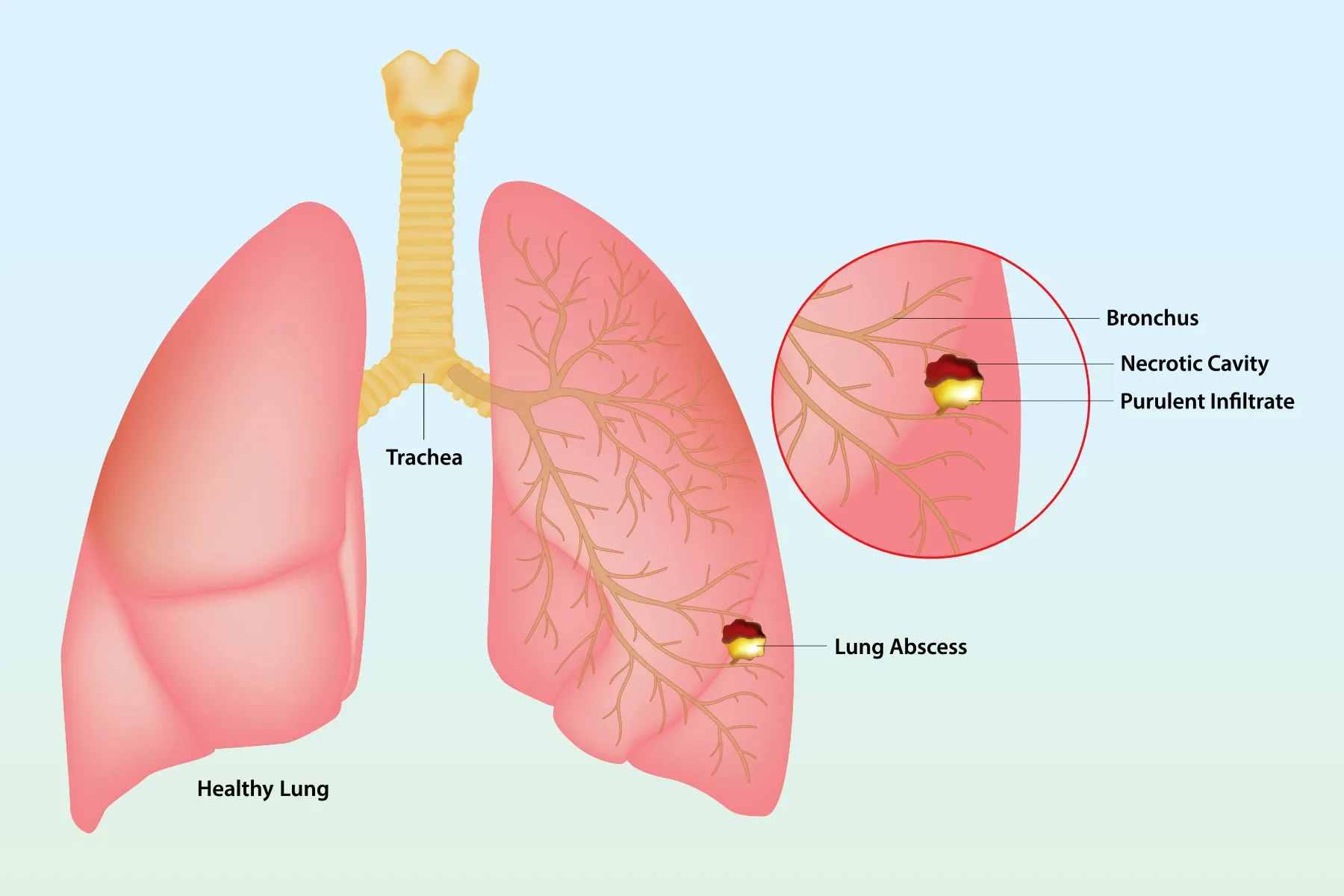
A lung abscess sounds like something your body would politely refuse to host, but unfortunately, the lungs do not get to vote. A lung abscess is a pus-filled cavity that forms inside lung tissue, usually after an infection damages part of the lung. It is not just “a bad cough” or “pneumonia with extra drama.” It can be serious, slow to heal, and occasionally complicated if treatment is delayed.
The good news is that most lung abscesses can be treated successfully, especially when diagnosed early and managed with the right antibiotics. The less-good news is that symptoms may look a lot like pneumonia, bronchitis, or other respiratory infections at first. That is why understanding the warning signs, risk factors, diagnosis process, and treatment options can help people know when to seek medical care instead of waiting for a cough to “pack its bags and leave.”
This guide explains lung abscess symptoms, causes, diagnosis, treatment, prevention, complications, and real-world patient experiences in clear, practical language.
What Is a Lung Abscess?
A lung abscess is a localized pocket of pus inside the lung. It forms when infection destroys lung tissue, creating a cavity filled with bacteria, dead tissue, immune cells, and fluid. Doctors often describe it as a necrotizing lung infection, meaning the infection causes tissue death in a specific area.
Think of healthy lung tissue like a soft, spongy air-exchange system. Oxygen enters through the airways and reaches tiny air sacs called alveoli, where oxygen moves into the blood and carbon dioxide leaves the body. When bacteria invade and damage a section of lung tissue, that area can break down and form a cavity. That cavity becomes the abscess.
Lung abscesses may be classified as primary or secondary. A primary lung abscess often develops after aspiration, which means food, saliva, stomach acid, or mouth bacteria accidentally enter the lungs. A secondary lung abscess develops because of another problem, such as a blocked airway, severe pneumonia, weakened immunity, or infection spreading from another part of the body.
Lung Abscess Symptoms
Lung abscess symptoms may appear gradually over days or weeks. In many cases, the illness feels like pneumonia that refuses to improve. Symptoms can be mild at first, then become more intense as the abscess grows or drains into the airways.
Common Symptoms
- Persistent cough
- Coughing up thick mucus, pus, or foul-smelling sputum
- Fever that may come and go
- Night sweats
- Chest pain, especially when breathing deeply or coughing
- Shortness of breath
- Fatigue and weakness
- Loss of appetite
- Unintentional weight loss
- Bad breath caused by infected material in the lungs
One of the classic clues is sputum that smells unusually bad. This can happen when anaerobic bacteria are involved. Anaerobic bacteria are germs that grow in low-oxygen environments, including parts of the mouth and gums. When these bacteria are inhaled into the lungs, they can contribute to abscess formation.
When Symptoms Become Urgent
Some symptoms deserve immediate medical attention. These include severe trouble breathing, blue lips or face, confusion, coughing up large amounts of blood, high fever that does not improve, chest pain that feels severe, or signs of dehydration. A lung abscess can sometimes lead to serious complications, so it is better to be the person who “overreacted” and got checked than the person who tried to out-stubborn a lung infection.
What Causes a Lung Abscess?
The most common cause of a lung abscess is bacterial infection. In many cases, bacteria from the mouth or throat enter the lungs through aspiration. Most people aspirate tiny amounts of material sometimes, especially during sleep, but the body usually clears it. Problems occur when a larger amount enters the lungs, when harmful bacteria are present, or when the immune system cannot fight the infection well.
Aspiration: The Most Common Pathway
Aspiration means breathing something into the lungs that should have gone into the stomach or stayed in the mouth. This may include saliva, food particles, vomit, or stomach acid. Once bacteria-rich material reaches the lungs, infection may begin. If the infection becomes severe enough to destroy tissue, a lung abscess can form.
Aspiration is more likely when swallowing is impaired, consciousness is reduced, reflux is severe, or protective cough reflexes are weak. For example, someone who has a neurological condition affecting swallowing may be at higher risk. So may someone recovering from anesthesia or another situation where normal airway protection is temporarily reduced.
Dental and Gum Disease
Oral health matters more than many people realize. Gum disease, tooth abscesses, and poor dental hygiene can increase the amount of harmful bacteria in the mouth. If those bacteria are aspirated, they may seed infection in the lungs. In this way, a dental problem can become a lung problem, proving once again that the body is not organized into separate departments with locked doors.
Pneumonia and Other Lung Infections
Severe pneumonia can sometimes progress to a lung abscess. This is more likely when infection is aggressive, treatment is delayed, or a person has other risk factors. Certain bacteria can cause tissue destruction, leading to a pus-filled cavity.
Blocked Airways
An airway blockage can trap secretions behind it, creating an ideal place for infection. Blockage may occur from a tumor, foreign object, scar tissue, or thick mucus. If bacteria multiply behind the obstruction, an abscess may develop. This is one reason doctors may investigate whether an underlying blockage exists, especially when an abscess does not respond as expected.
Weakened Immune System
People with weakened immune systems may be more vulnerable to unusual infections, including fungal infections or bacteria that would not usually cause severe disease. Immune suppression can occur because of certain medications, cancer treatment, transplant medications, advanced chronic illness, or specific immune conditions.
Risk Factors for Lung Abscess
Anyone can develop a lung abscess, but certain factors increase the risk. These include:
- Poor dental health or gum disease
- History of aspiration or swallowing problems
- Gastroesophageal reflux disease, especially when severe
- Recent pneumonia
- Blocked airway from tumor, mucus, or foreign material
- Recent chest or lung surgery
- Weakened immune system
- Chronic lung disease such as bronchiectasis or COPD
- Conditions that reduce alertness or cough reflex
Risk does not mean destiny. Having one risk factor does not guarantee a lung abscess, just as owning running shoes does not guarantee you will run a marathon. But risk factors help doctors decide what to test for, how to treat, and how to prevent recurrence.
How Doctors Diagnose a Lung Abscess
Diagnosis usually begins with symptoms, medical history, physical exam, and imaging. Because lung abscess symptoms overlap with pneumonia, tuberculosis, lung cancer, fungal infections, and other conditions, doctors may use several tools to confirm the diagnosis and identify the cause.
Medical History and Physical Exam
A clinician will ask about cough, fever, sputum, chest pain, weight loss, aspiration risk, dental health, recent infections, travel, immune status, and medications. They may listen to the lungs with a stethoscope and check oxygen levels. A history of foul-smelling sputum, persistent fever, and risk for aspiration can point toward lung abscess.
Chest X-Ray
A chest X-ray is often the first imaging test. It may show a cavity in the lung, sometimes with an air-fluid level. That air-fluid level can look like a little “horizon line” inside the cavity, suggesting fluid and gas are both present.
CT Scan
A CT scan gives a more detailed view than an X-ray. It can help confirm the size and location of the abscess, distinguish abscess from other lung conditions, detect complications, and identify possible airway obstruction. CT imaging is especially helpful when symptoms are severe, the diagnosis is uncertain, or treatment is not working as expected.
Sputum and Blood Tests
Doctors may test sputum to look for bacteria, fungi, or other organisms. Blood tests can check for signs of infection, inflammation, anemia, and organ function. Blood cultures may be ordered if there is concern that infection has entered the bloodstream.
Bronchoscopy
Bronchoscopy may be used when doctors need to look inside the airways. During this procedure, a thin flexible tube with a camera is guided into the lungs. It can help identify blockages, collect samples, remove foreign material, or evaluate bleeding. Bronchoscopy is not required for every lung abscess, but it can be important when the cause is unclear.
Lung Abscess Treatment
Treatment depends on the cause, severity, size of the abscess, organism involved, and the patient’s overall health. Most lung abscesses are treated first with antibiotics. Procedures such as drainage or surgery are usually reserved for cases that do not improve or have complications.
Antibiotics
Antibiotics are the main treatment for most lung abscesses. Because aspiration-related abscesses often involve mixed bacteria, treatment usually needs to cover anaerobic organisms and other common respiratory bacteria. Doctors may begin broad-spectrum antibiotics before test results are available, then adjust the medication based on cultures and clinical response.
Treatment often lasts longer than a typical short course for a simple infection. A lung abscess may require several weeks of antibiotics, sometimes starting with intravenous medication and later switching to oral medication once the patient improves. The exact timeline depends on symptoms, imaging, lab results, and medical judgment.
Supportive Care
Supportive care may include oxygen therapy, fluids, fever control, nutrition support, breathing exercises, and treatment of underlying conditions. Rest is important, but so is gradual movement as tolerated. The goal is to help the body recover without letting muscles and stamina disappear like snacks at a family gathering.
Drainage Procedures
If antibiotics do not work well enough, or if the abscess is large or causing complications, doctors may drain it. Drainage can sometimes be done using a tube guided by CT imaging. In selected cases, bronchoscopy may help with drainage or diagnosis. The decision depends on where the abscess is located, how close it is to the chest wall, and how safe the approach is.
Surgery
Surgery is less common today than it was before modern antibiotics, but it may still be needed in certain situations. Surgery may be considered if there is uncontrolled bleeding, persistent infection despite treatment, suspicion of cancer or obstruction, rupture into the pleural space, or severely damaged lung tissue. Procedures may range from minimally invasive approaches to removal of a diseased lung section in rare cases.
Possible Complications
Most people improve with proper treatment, but complications can occur. A lung abscess may rupture into the pleural space, leading to empyema, which is a collection of pus between the lung and chest wall. It may also cause bronchiectasis, chronic infection, bleeding, sepsis, or respiratory failure in severe cases.
Complications are more likely when treatment is delayed, the immune system is weakened, the abscess is large, or another condition such as cancer or airway obstruction is present. Follow-up imaging is often used to confirm that the abscess is shrinking and healing.
Recovery and Follow-Up
Recovery from a lung abscess can take time. Many people start feeling better after antibiotics begin working, but full healing may take weeks or longer. Fever usually improves first. Cough and fatigue may linger. Imaging changes can take longer to disappear than symptoms, so doctors may repeat chest X-rays or CT scans to monitor progress.
Patients should take antibiotics exactly as prescribed. Stopping early because symptoms improve is like leaving a movie before the plot twist: the story may not be over. Infections can return or become harder to treat when antibiotics are not completed properly.
Prevention: How to Reduce the Risk
Not every lung abscess can be prevented, but risk can be reduced. Good oral hygiene is one of the simplest steps. Brushing, flossing, dental checkups, and treatment for gum disease may lower the bacterial burden in the mouth.
People with swallowing problems should work with healthcare professionals to reduce aspiration risk. This may involve swallowing therapy, diet texture changes, posture adjustments during meals, or evaluation for reflux. Managing chronic lung disease, avoiding tobacco smoke, staying current with recommended vaccines, and treating pneumonia promptly may also help protect lung health.
Living With and Learning From Lung Abscess: Real-World Experiences
People who go through a lung abscess often describe the experience as confusing at first. The symptoms can start like an ordinary respiratory infection: a cough, low energy, maybe a fever. Many patients assume they have bronchitis, a stubborn cold, or pneumonia that simply needs more time. Then the cough deepens, the night sweats show up, and fatigue becomes the kind that makes walking across the room feel like a personal negotiation.
One common experience is frustration with how slowly recovery happens. A person may expect antibiotics to work like a light switch: take the medicine, feel normal by Tuesday, return to life by Wednesday. Lung abscess recovery rarely follows that cheerful schedule. Because the infection involves damaged tissue and a pus-filled cavity, healing can be gradual. A patient may feel noticeably better but still cough, tire easily, or need follow-up imaging weeks later. This does not always mean treatment is failing; it often means the body is cleaning up a serious mess.
Another frequent lesson is that dental health and lung health are connected. Some patients are surprised when doctors ask about gum disease, tooth infections, or recent dental issues. It can feel odd to discuss molars during a lung appointment, but bacteria from the mouth can play a role in aspiration-related lung abscess. For many people, recovery becomes the moment they finally schedule the dental visit they have been avoiding since the invention of caller ID.
Caregivers also learn that support matters. Someone recovering from a lung abscess may need help remembering medications, preparing easy meals, getting to appointments, and tracking symptoms. Simple notes can be useful: temperature, cough changes, sputum color, appetite, breathing comfort, and energy level. This information helps clinicians judge whether the treatment plan is working.
Emotionally, a lung abscess can be unsettling. Hearing that there is a cavity of infection inside the lung sounds scary, and patients may worry about cancer, surgery, or long-term damage. Clear communication with the healthcare team helps. Patients should ask what the imaging showed, what organism is suspected, how long treatment may last, what symptoms are warning signs, and when follow-up imaging is needed.
Many people come away with a deeper respect for breathing. Normally, lungs work quietly in the background, like excellent stagehands. You only notice them when something goes wrong. After a lung abscess, patients often become more serious about quitting smoking, improving oral care, treating reflux, staying hydrated, and not ignoring respiratory symptoms that persist.
The biggest practical takeaway is this: a cough that worsens, produces foul-smelling mucus, comes with fever or night sweats, or causes shortness of breath should not be brushed off. Early medical care can shorten the illness, reduce complications, and make recovery smoother. The lungs are forgiving, but they appreciate prompt attention.
Conclusion
A lung abscess is a serious infection that creates a pus-filled cavity inside the lung. It often develops after aspiration, severe pneumonia, poor oral health, airway blockage, or immune system weakness. Symptoms may include persistent cough, foul-smelling sputum, fever, night sweats, chest pain, shortness of breath, fatigue, and weight loss.
Diagnosis usually involves chest imaging, medical history, physical exam, and sometimes lab tests or bronchoscopy. Treatment most often begins with antibiotics, while drainage or surgery may be needed when antibiotics are not enough or complications develop. With timely diagnosis, proper treatment, and follow-up care, many people recover well.
The simplest message is also the most important: do not ignore a worsening respiratory infection, especially when fever, night sweats, chest pain, shortness of breath, or foul-smelling sputum enters the chat. Your lungs are essential equipment. Treat them like they came with a lifetime warranty you actually want to keep.