Note: This article is written for web publishing and is based on practical lighting hardware, home-improvement, electrical safety, and product information commonly used in the U.S. market. Always follow the manufacturer’s instructions and local electrical code when installing lighting hardware.
What Is a Wide Light Bulb Hook?
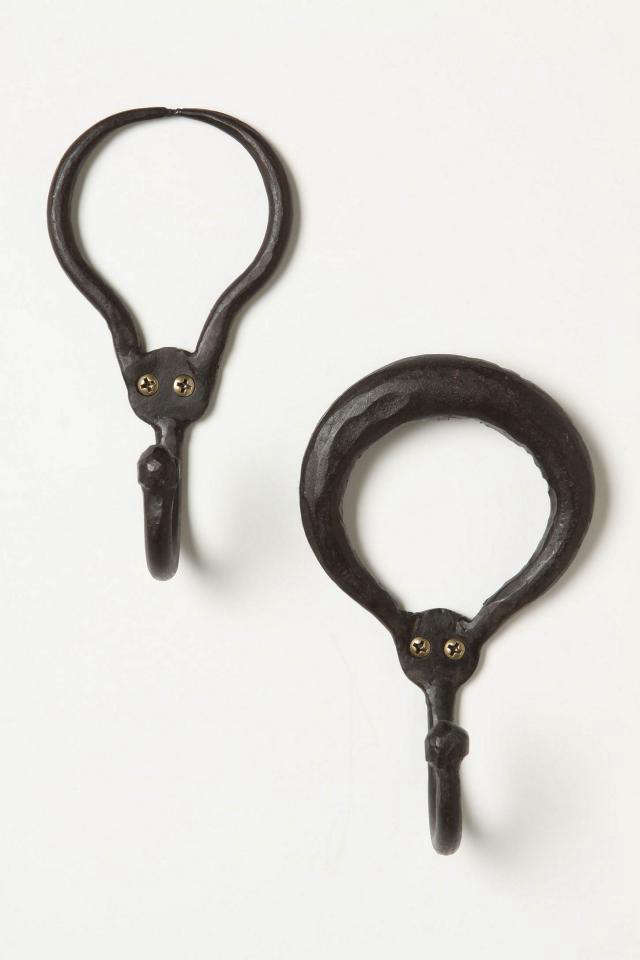
A wide light bulb hook is a lighting accessory used to hang, guide, or support a bulb cord, pendant lamp, swag light, string light, or decorative fixture. Think of it as the tiny ceiling bouncer that keeps your light from wandering around the room like it pays rent. Unlike a narrow screw hook, a wide hook usually has a broader curve or larger opening, making it friendlier to thicker cords, chains, lamp loops, and decorative hanging hardware.
The phrase “Light Bulb Hook, Wide” can refer to a few related products: a wide swag hook for pendant lights, a hook-style bulb holder, a lamp hook for hanging cords, or a wide hook used with temporary work lights and string lights. In most home settings, it is used to suspend a pendant bulb cord from a ceiling or wall so the light lands exactly where you want itover a reading chair, beside a bed, above a plant shelf, or over a small dining table that deserves a little drama.
It may be small, but it has a real job. A good wide light bulb hook helps manage weight, reduce strain on the cord, create a cleaner lighting layout, and add a decorative detail that looks intentional rather than “I ran out of ideas and used a random nail.”
Why “Wide” Matters More Than You Think
The word wide is doing important work here. A wider hook gives more room for a cord, chain, loop, or fixture ring to sit comfortably. That wider curve can reduce sharp bends in a pendant cord and make the installation look smoother. It also gives the light a more relaxed, designer-style hangespecially when paired with fabric-covered cords, vintage-style LED bulbs, ceramic sockets, or minimalist pendant kits.
A narrow hook may work for a thin chain, but a wide hook is often better when you want the cord to loop naturally. It is also helpful when you are creating a swag-light setup, where the cord travels from an outlet or ceiling canopy to a second hanging point. The wide opening lets you position the cord without pinching it, twisting it, or forcing it into an awkward angle.
Common Uses for a Wide Light Bulb Hook
Wide light bulb hooks are used in many practical and decorative ways. Homeowners use them to hang pendant bulb cords in bedrooms, kitchens, studios, rental apartments, craft rooms, garages, and covered patios. Designers use them to create casual lighting arrangements where a bare bulb or small shade becomes part of the room’s style. DIYers use them because sometimes the ceiling box is not where the table is, and apparently houses were not built around your coffee habit.
They are especially popular for swag pendant lights, plug-in hanging lamps, lantern-style fixtures, corded work lights, and string-light runs. Some hook kits include mounting hardware such as toggle bolts, threaded studs, or wood screws. Others are decorative hooks sold separately so you can match the finish to your fixturewhite, black, brass, bronze, brushed nickel, or another finish that says, “Yes, I meant to do this.”
How a Wide Light Bulb Hook Improves Lighting Layout
Lighting is not just about brightness. It is about placement. A perfectly good bulb in the wrong spot is like a spotlight on an empty stage. A wide light bulb hook lets you move the visual center of the light without rewiring the entire room. That is why these hooks are so useful for renters, small-space decorators, and anyone who wants better lighting without starting a drywall soap opera.
For example, a ceiling outlet box may sit in the center of a room, while your dining table is slightly off-center. A wide swag hook can help guide the pendant cord so the bulb hangs over the table instead. In a bedroom, you can use a hook to place a pendant bulb beside the bed as a space-saving alternative to a table lamp. In a studio, a hook can help position task lighting above a desk, easel, sewing table, or plant corner.
Decorative Flexibility
A wide hook can create several visual styles. A single loop gives a relaxed café look. Two or three hooks can create a clean geometric cord path. A hook near a wall can turn a pendant bulb into a bedside reading light. A row of hooks can guide multiple cords across a beam or ceiling line for a workshop or creative studio effect.
The trick is to make the layout look intentional. A cord dangling randomly can look unfinished. A cord routed through a well-placed wide hook looks like design. That is the difference between “industrial chic” and “my lamp is trying to escape.”
Materials: Metal, Plastic, Ceramic, and More
Most wide light bulb hooks and swag hooks are made from metal, plastic-coated metal, or sturdy molded material. Decorative hooks may come in finishes like brass, matte black, white, oil-rubbed bronze, or brushed nickel. The material matters because it affects strength, appearance, and where the hook can be used.
Metal hooks are common because they are strong and available in many finishes. They work well for pendant lights, small hanging fixtures, and chain-supported lamps. Plastic-bodied hooks may be used for lightweight decorative fixtures and often come in simple finishes. Ceramic bulb holders with hook features are sometimes used where heat resistance is important, such as certain utility or specialty lighting applications, but they still need proper wiring and installation.
If the hook is part of a lamp holder or corded fixture, check whether the entire product is listed, rated, and designed for the bulb type and environment. A hook by itself is only one part of the safety story. The socket, cord, bulb wattage, mounting point, and strain relief all matter.
Load Rating: The Number You Should Not Ignore
Every hook has a job limit. Some swag hook kits are rated for light fixtures up to a certain weight, commonly around 30 pounds per hook for many consumer kits, while other hooks may be rated lower or higher. Do not guess. Check the package, product page, or manufacturer instructions.
Here is the simple rule: the hook must support more than the actual load, and the ceiling or wall material must also be strong enough. A hook rated for 30 pounds is not magically rated for 30 pounds if it is installed into weak drywall without the correct anchor. Hardware ratings assume proper installation. Drywall alone is not a superhero. It is more like a polite cracker with paint on it.
Hook Strength Depends on Installation
A hook installed into a wood joist is usually much stronger than one installed only into drywall. Toggle bolts can help distribute weight in hollow ceilings, but they must be the correct size and installed properly. For heavier fixtures, chandeliers, ceiling fans, or hardwired luminaires, use an electrical box and mounting system specifically rated for that load. If there is any uncertainty, consult a licensed electrician.
A wide light bulb hook is excellent for cord routing and lightweight fixture support, but it should never be used as a shortcut for unsafe electrical installation. The hook supports the physical load; it does not fix bad wiring, overloaded cords, loose sockets, or mystery electrical decisions left behind by someone’s uncle in 1997.
Electrical Safety: Where the Hook Ends and Common Sense Begins
A wide light bulb hook may look simple, but lighting still involves electricity. Use the correct bulb wattage for the socket or fixture. Modern LED bulbs are often the best choice because they use less energy and produce less heat than traditional incandescent bulbs. They are also available in many shapes, color temperatures, and decorative styles, including globe bulbs, Edison-style bulbs, candelabra bulbs, and frosted bulbs.
Still, even LED bulbs need heat management. Do not cover a bulb with a shade or material that is not designed for it. Do not let fabric, paper, curtains, or plants press against the bulb. Do not hang cords where they can be pinched, walked on, pulled by pets, or tugged by children. A relaxed cord loop is charming. A stressed cord loop is a tiny electrical complaint waiting to file paperwork.
Use Proper Corded Lighting
For plug-in pendant lights and swag lamps, use a cord set designed for lighting. Do not create a permanent lighting installation from a random extension cord. Household extension cords are meant for appropriate temporary use and must have safety features such as proper wire size, strain relief, polarity, and insulation. Outdoor lighting needs products rated for outdoor use, including weather-resistant cords and fixtures.
If the fixture is hardwired, the hook should not replace the required electrical box, canopy, grounding, or fixture-support hardware. Hardwired lighting should be installed according to electrical code and manufacturer instructions. When in doubt, hire a licensed electrician. That may not sound as fun as DIY, but neither is explaining to a ceiling why it is on the floor.
How to Choose the Best Wide Light Bulb Hook
Choosing the right wide light bulb hook is not complicated, but it does require more thought than “this one is shiny.” Start with the weight of the light or corded fixture. Then consider the mounting surface, hook width, finish, hardware included, and whether the hook is intended for indoor or outdoor use.
1. Match the Hook to the Fixture Weight
Weigh or estimate the full load: socket, shade, bulb, cord, chain, and any decorative accessories. Choose a hook with a rating that comfortably exceeds that weight. For heavier items, do not rely on guesswork. Use rated hardware and a properly supported ceiling box or structural mounting point.
2. Choose the Right Width
A wide hook should have enough opening for the cord or chain to sit without being squeezed. If you are using a thick fabric cord, a decorative chain, or a looped pendant cable, a wider curve will usually look better and reduce stress on the material.
3. Pick a Finish That Looks Intentional
White hooks blend into many ceilings. Black hooks work well with industrial, modern, and farmhouse lighting. Brass adds warmth and pairs nicely with vintage-style bulbs. Brushed nickel feels clean and contemporary. The hook is visible, so treat it like part of the design rather than a guilty secret.
4. Check the Mounting Hardware
Good hook kits often include screws, toggle wings, threaded studs, or anchors. Make sure the included hardware matches your ceiling or wall type. Wood joists, plaster, drywall, beams, and masonry all require different approaches.
5. Consider the Environment
Indoor hooks are not automatically safe for outdoor use. For patios, porches, workshops, and garages, use hardware and lighting products rated for the environment. Moisture, temperature changes, dust, and vibration can all affect performance over time.
Installation Basics for a Wide Light Bulb Hook
The safest installation method depends on the hook, fixture, ceiling material, and wiring type. However, the general process usually begins with planning the light location. Hold the pendant cord where you want it to hang, mark the hook point, and make sure the cord path does not cross doors, walkways, heat sources, or moving objects.
Next, identify the ceiling material. If you can fasten the hook into a wood joist, that is often the strongest option. If the ceiling is hollow drywall or plaster, use the correct toggle or anchor system rated for the load. Drill a pilot hole if the manufacturer recommends it, then install the hook securely. After installation, gently test the hook before hanging the fixture.
Finally, hang the cord or chain with a natural curve. Avoid tight bends. Keep the cord away from sharp edges. Make sure the bulb hangs at a comfortable height. Over a table, pendant lights often sit lower because people are not walking under them. In open traffic areas, keep the bulb high enough to avoid head bumps, hair drama, and the classic “I forgot that was there” forehead incident.
Best Places to Use a Wide Light Bulb Hook
A wide light bulb hook is useful anywhere you need flexible lighting. In a living room, it can turn a plug-in pendant into a cozy reading light. In a kitchen, it can help center a light over a breakfast nook. In a home office, it can pull light closer to the desk without taking up surface space. In a garage, it can help position a work light over a bench. In a dorm or rental apartment, it can add style without major construction, provided the installation follows housing rules and safety guidelines.
Bedroom Lighting
Wide hooks work beautifully for bedside pendant lights. Instead of using a bulky nightstand lamp, hang a pendant bulb beside the bed and route the cord neatly through a hook. Pair it with a warm LED bulb and a simple shade for soft, comfortable light.
Dining and Kitchen Corners
If the ceiling box is off-center, a swag hook can help position the pendant above the table. This is one of the most common reasons people buy lamp hooks. It lets the table feel anchored, even if the original builder placed the light as though furniture was a myth.
Studios and Creative Rooms
Artists, crafters, and makers often need targeted light. A wide hook can guide a pendant bulb or work light exactly where it is needed. Just use glare control, safe bulb wattage, and secure mounting.
Design Tips: Making the Hook Look Good
The easiest way to make a wide light bulb hook look good is to repeat finishes. If your lamp socket is black, use a black hook. If your pendant chain is brass, use a brass hook. If the ceiling is white and you want the hardware to disappear, white is your friend.
Use cord color as part of the design. A black cord can create bold lines against a white ceiling. A white cord can blend in. A fabric cord can add texture. For a playful look, use a colorful cord with a simple hook and a globe bulb. For a minimalist look, use a matte hook, a clean cord, and a frosted LED bulb.
Spacing matters too. If you use multiple hooks to guide a cord, keep the route neat and balanced. Random hook placement can look messy, but planned spacing can look architectural. The goal is “modern lighting feature,” not “spider made of extension cords.”
Common Mistakes to Avoid
The first mistake is overloading the hook. The second is installing it into the wrong material. The third is using a hook that is too narrow for the cord or chain. The fourth is ignoring the bulb and socket rating. The fifth is forgetting that cords need strain relief and should not carry tension in a way the product was not designed to handle.
Also avoid hanging a bulb too close to curtains, bedding, shelves, paper decorations, or dried plants. Even efficient bulbs can produce heat, and safety should always win over aesthetics. A beautiful lighting setup is less impressive if it comes with a tiny fire hazard wearing a cute shade.
Wide Light Bulb Hook vs. Regular Screw Hook
A regular screw hook can hold lightweight items, but it may not be ideal for lighting. A wide light bulb hook or swag hook is usually shaped with lamp cords and hanging fixtures in mind. It may include better mounting hardware, a more decorative finish, and a broader curve that supports the cord more gently.
For simple décor, a regular hook may be fine. For lighting, choose a product made for lighting support or cord routing whenever possible. This is especially true if the fixture has weight, if the cord is thick, or if the hook will remain visible.
Maintenance: Yes, Even Hooks Deserve a Checkup
Once installed, inspect the hook occasionally. Make sure it has not loosened. Check that the cord is not frayed, pinched, discolored, or warm to the touch. Dust the bulb and socket area, because dust is basically glitter for people who forgot to clean. Replace bulbs with the correct type and wattage, and do not exceed the fixture rating.
If the light begins to flicker, buzz, smell unusual, or feel hot near the socket or cord, stop using it and inspect the setup. Electrical problems rarely improve through wishful thinking. They are not houseplants.
Real-World Experience: Living With a Wide Light Bulb Hook
After using wide light bulb hooks in several small-space lighting setups, one thing becomes clear: they are much more useful than they look in the package. At first glance, a hook is just a hook. It sits there, small and quiet, probably wondering why nobody appreciates it. But once you start arranging pendant bulbs, you realize the hook is what makes the whole layout work.
One of the best examples is a reading corner. A floor lamp took up too much space, and a table lamp required a table that nobody wanted. A plug-in pendant bulb with a wide ceiling hook solved the problem. The hook allowed the cord to drop beside the chair at the right height, while the plug stayed near the wall outlet. The result felt cozy, clean, and intentional. The room gained light without gaining clutter, which is basically interior design magic with a receipt.
Another practical experience comes from a small dining area. The ceiling light was centered in the room, but the table was not. This is common in apartments, where the ceiling fixture seems to have been placed by someone using a compass and a dream. A wide swag hook made it possible to shift the pendant over the table without rewiring. The cord formed a gentle arc from the ceiling canopy to the hook, and the bulb finally landed where dinner actually happened. Suddenly, the table looked styled instead of stranded.
Wide hooks also make a difference with thicker decorative cords. Thin hooks can pinch fabric-covered cords or make them bend too sharply. A wider hook gives the cord room to curve naturally. This matters visually and practically. The cord hangs better, the light feels more relaxed, and the setup looks less like an emergency solution.
In a garage workspace, a wide hook helped position a corded work light over a bench. The benefit was not beauty this time; it was usefulness. The hook kept the light in place, reduced cord mess, and made the bench easier to use for small repairs. The lesson was simple: decorative lighting and task lighting both benefit from better support.
The biggest lesson from using wide light bulb hooks is to plan before drilling. Hold the cord in place. Step back. Check the height. Look from different angles. Make sure doors, cabinets, curtains, and tall people will not collide with the bulb. A hook installed two inches in the wrong direction can be annoying forever, and ceiling holes are not exactly known for their forgiveness.
Another lesson: buy the right finish. A cheap-looking hook can make a nice pendant look unfinished. A matching hook, on the other hand, disappears into the design or becomes a small accent. Matte black with a black cord looks sharp. Brass with a warm bulb feels vintage. White on a white ceiling keeps things quiet. The hook does not need to be fancy, but it should not look like it wandered in from a junk drawer.
Finally, do not skip safety. The best-looking setup is still a bad setup if the hook is loose, the cord is strained, or the bulb is too hot for the shade. Good lighting feels effortless, but it should never be careless. A wide light bulb hook is a simple tool, yet when chosen and installed correctly, it can turn a plain bulb into a polished lighting feature. Small hardware, big glow-up.
Conclusion: Small Hook, Big Lighting Upgrade
A wide light bulb hook is one of those humble hardware pieces that quietly improves a room. It helps position pendant lights, manage cords, support lightweight fixtures, and create stylish lighting without major renovation. Whether you are decorating a bedroom, adjusting a dining light, brightening a studio, or organizing a workspace, the right wide hook can make your lighting safer, cleaner, and better looking.
The key is choosing the right hook for the load, installing it into the proper surface, using safe lighting products, and treating the hook as part of the design. Done well, it turns a cord and bulb into a lighting feature. Done poorly, it turns into a ceiling-based regret. Choose wisely, install carefully, and let the little hook do its surprisingly important job.