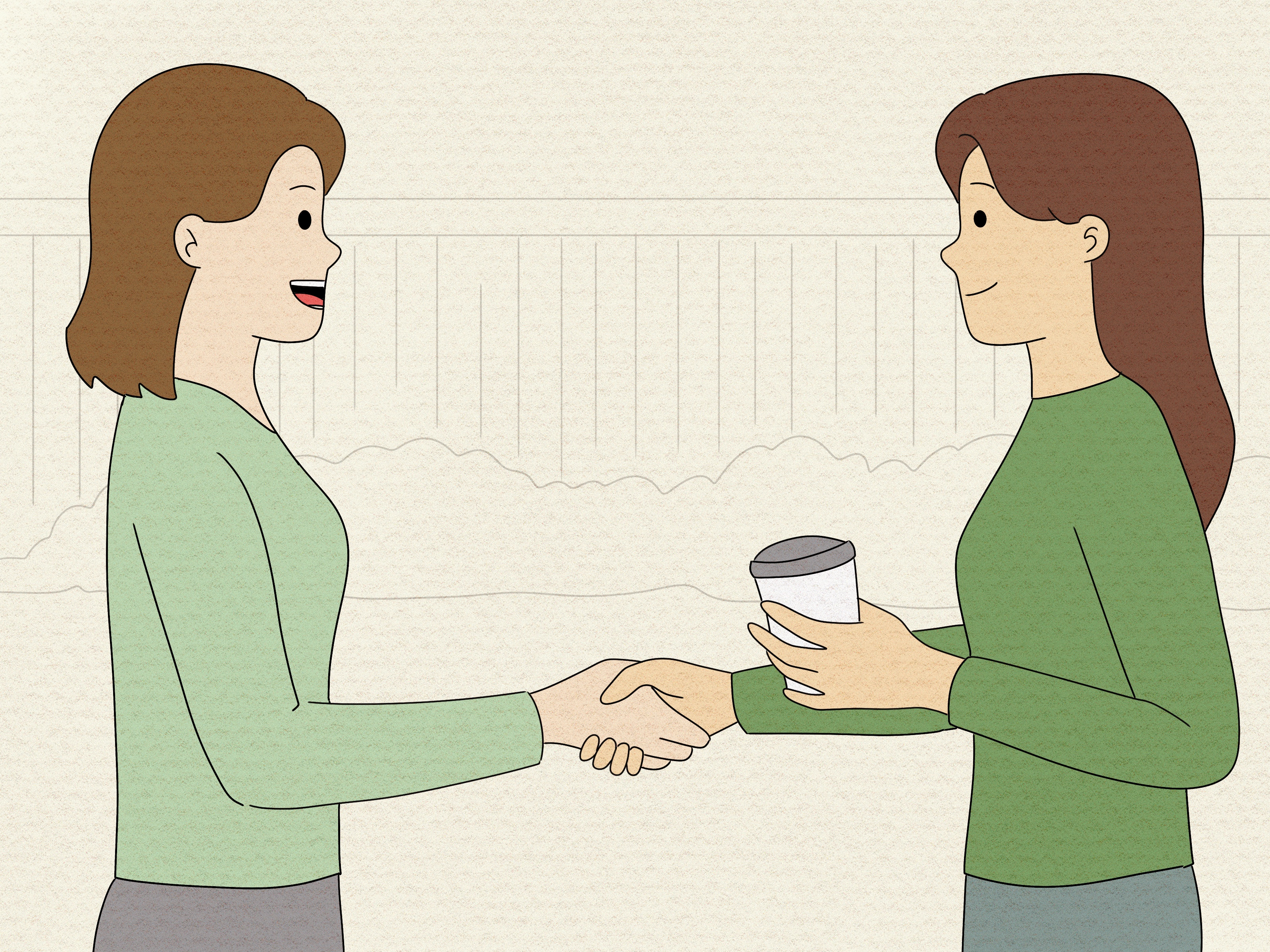
Letting go of toxic people sounds peaceful in theory, like placing a tiny emotional cactus on a windowsill and walking away. In real life, it can feel more like trying to uninstall an app that keeps sending push notifications, guilt trips, and dramatic “we need to talk” messages at 1:07 a.m.
A toxic person is not always a cartoon villain twirling a mustache. Sometimes it is a friend who drains your energy, a coworker who turns every meeting into a courtroom drama, a relative who treats boundaries like optional decorations, or a partner who makes you question your own memory. The key is not to slap labels on people for being imperfect. Everyone has bad days. The problem begins when disrespect, manipulation, criticism, blame, control, or emotional chaos becomes a pattern.
This guide breaks down 16 practical, emotionally intelligent ways to deal with toxic people, protect your peace, and move toward healthier relationships without losing your kindnessor your last nerve.
What Does “Toxic Person” Really Mean?
A toxic person is someone whose repeated behavior harms your emotional well-being, confidence, safety, or ability to function calmly. Toxic behavior can show up as constant criticism, manipulation, jealousy, lying, disrespecting boundaries, emotional outbursts, guilt-tripping, gaslighting, or creating drama and then handing you the mop.
The word “toxic” should be used carefully. It does not mean “someone who disagreed with me,” “someone who set their own boundary,” or “someone who did not text back fast enough.” Healthy relationships include conflict. Toxic relationships include repeated patterns that leave one person feeling smaller, anxious, controlled, unsafe, or chronically exhausted.
Letting Go of Toxic People: 16 Ways to Deal with Them
1. Recognize the Pattern, Not Just the Incident
One rude comment may be a bad moment. A long-running pattern of insults, blame, emotional pressure, or disrespect is a warning sign. Instead of asking, “Was that one situation bad enough?” ask, “How do I usually feel after interacting with this person?”
If you regularly feel anxious, guilty, confused, drained, or responsible for their mood, pay attention. Your nervous system may be collecting evidence before your brain is ready to admit it.
2. Stop Explaining Your Pain to Someone Who Benefits from Ignoring It
Clear communication matters, but endless explaining can become a trap. If you have already said, “That hurt me,” “Please don’t speak to me that way,” or “I need space,” and they keep doing the same thing, the issue is not your vocabulary. It is their willingness to respect you.
You do not need a 37-slide PowerPoint presentation titled “Why My Feelings Are Valid.” One calm explanation is communication. Repeating it forever is emotional customer service.
3. Set Specific Boundaries
Vague boundaries are easy to dodge. Specific boundaries are harder to twist. Instead of saying, “Please be nicer,” try: “I will not continue a conversation if you insult me.” Instead of, “Stop stressing me out,” say: “I am not available for late-night arguments.”
A boundary is not a threat. It is a clear statement of what you will do to protect your well-being. The formula is simple: “If this happens, I will do that.”
4. Expect Pushback When You Change the Rules
Toxic people often prefer the old version of youthe one who over-explained, over-apologized, rescued, absorbed, and stayed quiet. When you start setting boundaries, they may call you selfish, dramatic, cold, or “changed.”
And yes, you have changed. That is the point. Growth can look rude to people who benefited from your lack of limits.
5. Use Assertive Communication, Not Aggressive Communication
Assertiveness means standing up for yourself while respecting the other person’s humanity. Aggression attacks. Passivity disappears. Assertiveness says, “I matter too.”
Try statements like: “I am not okay with being yelled at,” “I need time to think before responding,” or “I am willing to discuss this when we can both speak respectfully.” These sentences are calm, clear, and wonderfully low in emotional confetti.
6. Do Not Debate Your Boundary Like It Is a Group Project
Some people treat your boundary as an opening offer. You say, “I can’t lend money,” and suddenly you are in a negotiation featuring guilt, tears, accusations, and a suspiciously detailed emergency.
You can be kind without being available for persuasion. Repeat yourself once if needed: “I understand this is stressful, but I am not able to help financially.” Then stop. A boundary does not become stronger because you keep decorating it with reasons.
7. Limit Access to Your Time and Energy
You do not always need a dramatic goodbye scene with rain, violins, and a meaningful glance at the horizon. Sometimes letting go means reducing contact. Shorter calls. Fewer texts. Less personal information. More space between interactions.
If someone repeatedly drains you, give them less access to the parts of you they misuse. Your energy is not a public charging station.
8. Use the “Gray Rock” Method When Necessary
With people who feed on drama, emotional reactions can become fuel. The gray rock method means becoming emotionally uninteresting: brief answers, neutral tone, minimal personal details, and no dramatic engagement.
For example, instead of defending yourself against a baiting comment, you might say, “I hear you,” “That’s noted,” or “I’ll think about it.” This method is especially useful in situations where you cannot fully avoid the person, such as shared parenting, family events, or work settings.
9. Stop Sharing Vulnerable Information with Unsafe People
Not everyone deserves backstage access to your life. If someone uses your fears, dreams, mistakes, or insecurities against you later, stop giving them new material.
This does not mean becoming cold or secretive with everyone. It means practicing emotional privacy. Share your tender thoughts with people who have proven they can hold them carefully.
10. Watch for Guilt Disguised as Love
Healthy love respects your “no.” Toxic attachment punishes it. If someone says, “After everything I’ve done for you,” “You’re abandoning me,” or “I guess I mean nothing to you,” whenever you set a limit, they may be using guilt to control your behavior.
Love should not require self-erasure. You can care about someone and still refuse to be emotionally cornered.
11. Build a Support System Outside the Toxic Dynamic
Toxic relationships often shrink your world. You may stop seeing friends, avoid talking honestly, or feel embarrassed that you are still dealing with the same situation. Isolation makes toxic patterns stronger.
Reach out to grounded people: trusted friends, family members, mentors, support groups, or a therapist. You need voices around you that remind you what respect sounds like.
12. Do Not Confuse Compassion with Permission
Someone may have trauma, stress, mental health challenges, financial problems, family wounds, or a difficult past. Compassion can help you understand behavior, but it does not require you to tolerate harm.
You can say, “I understand they are hurting,” and also say, “I will not let them keep hurting me.” Both can be true. Your empathy is a gift, not a permission slip.
13. Make a Safety Plan if Abuse Is Involved
If the toxic relationship includes threats, stalking, physical violence, sexual coercion, financial control, intimidation, or fear for your safety, treat the situation seriously. Leaving may require planning, support, and professional guidance.
In an abusive relationship, do not announce your plan if doing so could put you at risk. Consider contacting a domestic violence hotline, trusted advocate, counselor, or local support service. Safety comes before closure, politeness, or proving your point.
14. Accept That Closure May Not Come from Them
Many people stay attached because they want the toxic person to finally understand, apologize, explain, or become the version they occasionally promised to be. Closure from someone who avoids responsibility can become a very long waiting room.
Sometimes closure is not a conversation. It is a decision. It is you saying, “I know enough. I choose peace.”
15. Grieve the Relationship You Wanted
Letting go of toxic people can hurt, even when it is the right choice. You may grieve the good moments, the potential, the inside jokes, the family connection, the shared history, or the fantasy that things would finally change.
That grief does not mean you made the wrong decision. It means you are human. Missing someone is not proof they belong in your life. It is proof the relationship mattered to you.
16. Rebuild Your Identity After Letting Go
Toxic relationships can train you to monitor moods, avoid conflict, apologize automatically, and doubt your instincts. After leaving or limiting contact, you may need to rediscover your own preferences.
Ask yourself: What do I enjoy? What do I believe? What kind of people make me feel calm, respected, and free? Healing is not just removing the toxic person. It is making room for the healthier version of you.
Signs You Are Healing from a Toxic Relationship
Healing often begins quietly. You stop checking your phone with dread. You sleep better. You laugh without feeling guilty. You make small decisions without imagining someone’s reaction. You stop rehearsing arguments in the shower like you are preparing for a courtroom drama with shampoo as your legal counsel.
You may also notice discomfort. Peace can feel unfamiliar if chaos was your normal. At first, calm may seem boring. Do not mistake boredom for emptiness. Sometimes boredom is simply your nervous system finally taking off its armor.
Common Mistakes to Avoid When Dealing with Toxic People
Trying to Win the Argument
The goal is not to win every debate. The goal is to protect your mental health. Some arguments are designed to keep you engaged, not to solve anything.
Waiting Until You Feel No Guilt
You may feel guilty and still be making the right choice. Guilt often shows up when you break an old pattern, especially if you were trained to prioritize everyone else’s comfort.
Making a Public Announcement Too Soon
You do not owe everyone a detailed explanation. Sometimes the healthiest exit is quiet, steady, and private.
Expecting Instant Peace
Letting go is a process. You may feel relief one day and sadness the next. That emotional back-and-forth is normal. Healing rarely walks in a straight line; it prefers scenic routes.
Real-Life Experiences: What Letting Go Can Feel Like
Many people imagine letting go of toxic people as a single dramatic decision: block the number, delete the photos, walk into the sunset, and suddenly become a glowing person who drinks green smoothies and never overthinks. In reality, letting go often happens in small, uncomfortable steps.
One common experience is the “final straw” moment. It may not even look huge from the outside. Maybe a friend makes one more joke at your expense. Maybe a partner dismisses your feelings again. Maybe a family member turns a simple holiday dinner into an emotional obstacle course. Suddenly, something inside you says, “I cannot keep doing this.” The moment may be quiet, but it can feel like a door unlocking.
Another experience is the guilt wave. After setting a boundary, you may feel mean, selfish, or dramatic. You may replay the conversation and wonder if you were too harsh. This is especially common for people who have spent years being the peacemaker. When you are used to swallowing discomfort to keep everyone else calm, choosing yourself can feel almost illegal. It is not. It is simply new.
There is also the loneliness stage. Toxic people often take up a lot of space. They create problems, demand attention, start arguments, apologize dramatically, repeat the behavior, and somehow become the main character in your emotional schedule. When that noise fades, the silence can feel strange. You may miss the intensity, even if you do not miss the pain. This is where healthy routines matter: call a good friend, take walks, journal, clean your space, return to hobbies, and remind yourself that peace may feel unfamiliar before it feels natural.
Some people experience “memory editing.” After distance, the mind may replay only the good parts: the laughter, the thoughtful gift, the one perfect afternoon, the version of them you hoped would stay. When this happens, write down the full truth. Not to stay angry, but to stay honest. Remember the pattern, not just the highlight reel.
Finally, many people discover a surprising feeling: freedom. It may arrive slowly. You realize you no longer have to explain every choice. You can enjoy a weekend without emotional cleanup duty. You can say no and survive the discomfort. You can choose relationships where respect is not a rare seasonal event.
Letting go does not always mean you stop caring. It means you stop volunteering to be hurt. It means your peace becomes a priority instead of an afterthought. And one day, you may look back and realize the person you were afraid to lose was not the toxic personit was yourself. Letting go helped you come home.
Conclusion
Letting go of toxic people is not about becoming heartless. It is about becoming honest. Honest about what hurts you, what drains you, what you can change, and what you can no longer carry. Whether you choose firm boundaries, limited contact, emotional distance, professional support, or a complete goodbye, the goal is the same: protecting your peace and creating room for healthier relationships.
You do not need to hate someone to outgrow them. You do not need a perfect explanation to step back. You do not need permission to stop participating in patterns that damage your well-being. Sometimes the bravest thing you can say is not a speech. It is a simple, steady “no more.”
Note: This article is for educational and self-help purposes. If a relationship involves threats, violence, stalking, coercion, or fear for your safety, seek support from qualified professionals, local emergency services, or a trusted crisis resource.