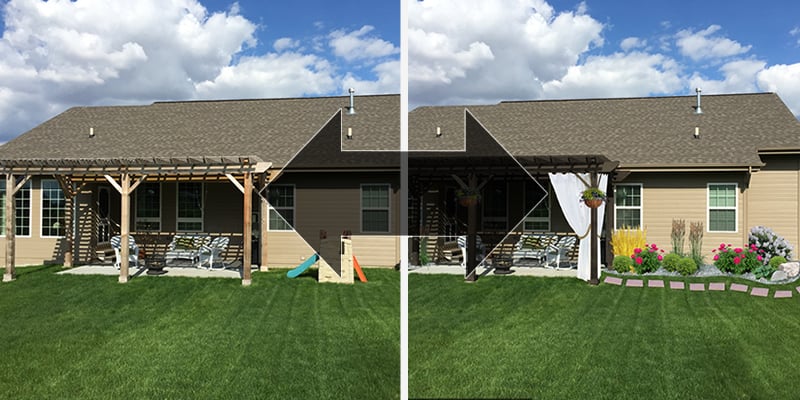
A backyard pergola has a funny way of making a yard look like it suddenly got invited to a design magazine photo shoot. One day it is just a few posts and beams standing politely in the sun. The next day, with the right lighting, furniture, plants, and shade, it becomes the outdoor room everyone mysteriously wants to “just sit in for five minutes.” Three hours later, someone is still out there with iced tea, pretending to check emails.
If your pergola currently feels unfinished, faded, empty, too hot, too plain, or like it was built and then immediately forgotten, good news: a beautiful backyard pergola makeover does not always require a full rebuild. Sometimes the biggest transformation comes from layering simple upgrades: a better seating layout, climbing vines, outdoor curtains, warm lighting, weather-smart finishes, planters, rugs, and a few comfort details that make the space feel intentional.
This guide explores practical, stylish, and realistic pergola makeover ideas for homeowners who want their backyard to feel more inviting without turning the project into a second mortgage with throw pillows. Whether you have a small patio pergola, a large freestanding structure, a deck pergola, or a weathered wooden frame begging for attention, these ideas will help you turn it into a comfortable outdoor retreat.
Start With a Clear Pergola Makeover Plan
Before buying string lights, curtains, eight planters, and a suspiciously expensive outdoor rug, step back and decide how you actually want to use the pergola. A makeover works best when the space has a purpose. Otherwise, you may end up with a beautiful seating area where nobody sits because the grill smoke blows directly into everyone’s face. Charming? Not exactly.
Choose the Main Function
Think of your pergola as an outdoor room. Will it become a dining space for weekend dinners? A quiet reading corner? A poolside lounge? A grilling station? A garden walkway? A shaded play-adjacent area for family hangouts? The answer will guide every design choice, from furniture scale to lighting brightness.
For dining, prioritize a sturdy table, comfortable chairs, overhead lighting, and enough clearance to move around. For lounging, focus on deep seating, side tables, shade, and soft textiles. For a garden pergola, climbing plants and layered flower beds may matter more than furniture. For an outdoor kitchen or grill area, ventilation, durable flooring, and task lighting become essential.
Measure Before You Decorate
Measure the pergola footprint, post spacing, ceiling height, and surrounding walkways. A 10-by-10-foot pergola can feel spacious with a loveseat and two chairs, but cramped with a sectional, coffee table, dining set, and three decorative lanterns the size of small toddlers. Keep traffic flow in mind. Leave enough room for chairs to slide back, people to walk around furniture, and plants to grow without poking guests like leafy security guards.
Refresh the Pergola Structure First
The prettiest makeover details will not save a pergola that looks tired, stained, unstable, or neglected. Start with the bones of the structure. A clean, repaired, and freshly finished pergola instantly looks more expensive, even before you add furniture.
Clean and Inspect the Frame
For wood pergolas, remove dirt, mildew, pollen, and old debris with a soft brush and mild cleaner. Check for cracks, loose fasteners, rot near the base of posts, and areas where water collects. A pergola should feel solid, not like it is auditioning for a dramatic collapse in a home improvement cautionary tale.
For vinyl, aluminum, or steel pergolas, wash surfaces with gentle soap and water. Inspect hardware, brackets, screws, and joints. Metal frames may need touch-up paint if scratches expose bare material. Vinyl may need small repair kits for chips or surface damage.
Stain, Seal, or Paint With Intention
A fresh finish can completely change the mood. Natural cedar stain creates a warm, organic look. A deep charcoal or black finish feels modern and dramatic. White paint or stain gives a classic cottage-garden effect, especially when paired with climbing roses or wisteria. Soft taupe, warm gray, and weathered brown work beautifully for transitional homes.
If you have a wood pergola, choose exterior-rated stains and sealers designed for sun and moisture exposure. Solid stains often age more gracefully than paint on outdoor wood because paint can peel over time, especially in high-sun or high-humidity climates. If your pergola is already painted, scrape loose areas, sand rough spots, prime as needed, and use a high-quality exterior coating.
Add Shade That Actually Works
Pergolas are famous for partial shade, which is design language for “some sun will still find you.” That filtered light is beautiful, but if your backyard gets intense afternoon heat, you may need more coverage.
Install a Fabric Canopy
A fabric canopy is one of the easiest ways to turn a sunny pergola into a comfortable retreat. Choose outdoor-rated, UV-resistant fabric that can handle moisture and fading. A fixed canopy gives consistent coverage, while a retractable canopy lets you choose between sun and shade depending on the weather.
For a budget-friendly pergola makeover, consider shade cloth panels or canvas-style covers. They soften the look of the structure and make the area more usable during hot afternoons. Keep fabric slightly angled if possible so rainwater does not pool overhead like a surprise backyard water balloon.
Use Outdoor Curtains for Shade and Privacy
Outdoor curtains are makeover magic. They add softness, movement, shade, privacy, and a resort-like feeling. Hang them from weather-resistant rods or cable systems along one or more sides of the pergola. Light neutral curtains create a breezy coastal feel, while deeper colors can add drama and help hide dust between cleanings.
Use tiebacks to keep curtains secure on windy days. Choose mildew-resistant, fade-resistant outdoor fabric. If your pergola is near neighbors, curtains can also block sightlines without making the space feel boxed in.
Try Bamboo, Reed, or Slatted Panels
Natural screening materials such as bamboo or reed panels can create casual shade and texture. Slatted wood panels offer a cleaner, modern look. These work especially well on the west-facing side of a pergola where low afternoon sun can be brutal. They also make a helpful backdrop for plants, benches, or an outdoor bar cart.
Bring the Pergola to Life With Plants
Plants are the difference between “nice structure” and “backyard sanctuary.” A pergola is practically begging for greenery. Give it some. It has been standing there patiently.
Train Climbing Vines
Climbing plants can create natural shade, seasonal color, fragrance, and a lush garden atmosphere. Popular pergola vines include wisteria, clematis, climbing roses, jasmine, honeysuckle, grapevines, and trumpet vine. In warmer regions, bougainvillea can add spectacular color. In cooler climates, hardy vines such as clematis or climbing roses may be better choices.
Choose plants based on your climate, sunlight, maintenance tolerance, and the strength of your pergola. Wisteria and grapevines can become heavy, so they need a sturdy structure. Clematis is lighter and excellent for posts or lattice panels. Climbing roses are romantic but require pruning and training. Jasmine offers fragrance, which is lovely unless you dislike bees visiting the party.
Add Planters Around the Base
If you do not want vines growing directly on the pergola, use large planters around the posts. Try ornamental grasses, lavender, hydrangeas, dwarf evergreens, salvia, boxwood, rosemary, or seasonal flowers. Matching planters create a polished look, while mixed containers feel relaxed and cottage-like.
For a modern backyard pergola makeover, use tall rectangular planters with grasses or upright evergreens. For a romantic style, choose terracotta pots, trailing flowers, and fragrant herbs. For a Mediterranean feel, add olive trees in containers, rosemary, lavender, and warm-toned cushions.
Create a Garden Border
A pergola looks more settled when it is connected to the landscape. Add garden beds around the structure using layered plant heights: low groundcovers in front, medium perennials in the middle, and taller shrubs or grasses behind. Mulch the beds for a finished look and easier maintenance.
Good pergola border plants include catmint, coneflowers, black-eyed Susans, hostas for shade, daylilies, sedum, fountain grass, and compact hydrangeas. The goal is to make the pergola feel like it belongs in the yard rather than like it landed from a flat-pack spaceship.
Upgrade the Lighting for Evening Magic
Lighting can turn a pergola from “daytime shade structure” into “please cancel my dinner reservation; I live here now.” The key is layering. Use more than one type of light so the space feels warm, practical, and safe.
Hang String Lights
String lights are popular for a reason: they are affordable, easy to install, and instantly charming. Zigzag them across the beams, run them along the perimeter, or drape them in gentle lines overhead. Warm white bulbs usually look more inviting than cool white bulbs, which can make your pergola feel like a very stylish parking lot.
Choose outdoor-rated string lights and secure them properly. If you need power, use outdoor-rated cords only and plug into GFCI-protected outlets. For a cleaner look, consider hiring an electrician to add a dedicated outdoor outlet or hardwired fixture.
Add Pendants or Lanterns
A pendant light over an outdoor dining table makes the pergola feel like a true room. Solar lanterns, battery-powered lanterns, or low-voltage fixtures can also work well. Choose materials designed for outdoor use, such as powder-coated metal, resin wicker, sealed wood, or weather-rated glass.
Use Path and Accent Lighting
Do not forget the area around the pergola. Path lights help guests walk safely from the house to the seating area. Uplights can highlight nearby trees or architectural posts. Small step lights are useful if the pergola sits on a deck or raised patio. Good lighting makes the whole backyard feel connected, not like the pergola is floating in a dark corner waiting to startle someone.
Choose Furniture That Fits the Space
Furniture can make or break a pergola makeover. The right pieces invite people in. The wrong ones create a crowded obstacle course with cushions.
Create a Conversation Zone
For a lounge pergola, arrange seating so people can talk comfortably. A loveseat with two lounge chairs works well for medium spaces. A compact outdoor sectional can be ideal for larger pergolas. Add a coffee table or fire table if space allows. Side tables are essential because nobody wants to hold a drink forever like they are making a toast to patio design.
Design an Outdoor Dining Room
If you love outdoor meals, place a dining table under the pergola. Choose a size that leaves at least a few feet around the edges for movement. Add seat cushions for comfort, a washable outdoor table runner, and a simple centerpiece such as a potted herb arrangement. A dining pergola pairs beautifully with overhead string lights or a pendant fixture.
Use Durable Outdoor Materials
Look for powder-coated aluminum, teak, eucalyptus, recycled plastic lumber, resin wicker, concrete, or weather-resistant steel. Outdoor cushions should have removable covers and quick-drying foam if possible. Store cushions during storms or use a deck box nearby. Even “weather-resistant” items last longer when they are not treated like they personally offended the weather.
Layer Rugs, Pillows, and Decor
Textiles make a pergola feel cozy. They also define the space visually, especially if the pergola sits on a large patio or deck.
Add an Outdoor Rug
An outdoor rug anchors furniture and adds color or pattern. Choose a rug made from weather-friendly materials such as polypropylene. For dining spaces, use a flat-weave rug that chairs can slide over easily. For lounge spaces, a larger rug that fits under the front legs of all major furniture pieces will look more intentional.
Use Pillows Without Going Pillow Crazy
Outdoor pillows are wonderful, but there is a fine line between “comfortable” and “where do humans sit?” Choose a color palette of two or three tones. Mix solids, stripes, and small patterns. Repeat colors from your garden, house trim, or planters to create a cohesive look.
Decorate the Posts and Beams
Mount small shelves for plants, hang lanterns from beams, attach lattice panels for vines, or add a simple outdoor mirror on a protected wall nearby. Keep decor weather-safe and avoid clutter. A pergola should feel relaxed, not like every garden aisle at the store moved in permanently.
Make Privacy Part of the Makeover
A beautiful pergola is even better when it does not feel like a stage for the neighbors. Privacy upgrades can be subtle, stylish, and flexible.
Use Layered Screens
Combine outdoor curtains, tall planters, lattice panels, and shrubs to create privacy without building a fortress. Slatted screens are especially useful because they block views while allowing airflow and light.
Plant Living Walls
Evergreen shrubs, ornamental grasses, bamboo in contained planters, or espaliered trees can create a green privacy wall. If you use fast-growing plants, check whether they are invasive in your area. A plant that grows quickly can be wonderful until it tries to annex the entire yard.
Add Comfort Features for Year-Round Use
A pergola makeover should not only look good in photos. It should feel good in real life, which means planning for sun, bugs, temperature, storage, and maintenance.
Include Fans or Airflow
An outdoor-rated ceiling fan can make a huge difference in warm climates. It helps move air, cool the seating area, and discourage some flying insects. Make sure the fan is rated for damp or wet locations depending on exposure.
Add Heat for Cooler Evenings
In cooler regions, a patio heater or fire feature can extend pergola season. Keep heat sources away from fabric curtains, overhead canopies, and anything flammable. Follow manufacturer clearances carefully. Cozy is good. Accidental backyard drama is not.
Plan Smart Storage
Add a weather-resistant storage bench, deck box, or cabinet for cushions, throws, candles, games, and small gardening tools. Hidden storage keeps the pergola tidy and makes it easier to use the space often.
Backyard Pergola Makeover Ideas by Style
Modern Minimalist Pergola
Use a black or dark bronze frame, clean-lined furniture, neutral cushions, concrete planters, and simple grasses. Add warm string lights or one sculptural pendant. Keep the palette restrained: charcoal, cream, tan, and green. This style works beautifully with contemporary homes and small patios.
Romantic Garden Pergola
Choose climbing roses, clematis, lavender, white curtains, vintage-style lanterns, and a weathered wood or white finish. Add a bistro table or curved bench. This look is perfect for cottage gardens and anyone who wants their backyard to feel like it might host a very tasteful tea party.
Coastal Pergola
Use white or light gray finishes, navy or sky-blue accents, striped pillows, woven textures, and airy curtains. Add potted grasses, hydrangeas, and lanterns. The coastal style should feel breezy and casual, not like a beach-themed souvenir shop exploded.
Mediterranean Pergola
Use warm wood, terracotta planters, olive trees, rosemary, lavender, stone pavers, and cream cushions. Add a dining table for long meals and soft overhead lighting. This style is relaxed, earthy, and excellent for sunny climates.
Rustic Farmhouse Pergola
Pair a stained wood frame with a farmhouse dining table, black metal accents, galvanized planters, and warm string lights. Add herbs, climbing vines, and simple cushions in checks or stripes. The result feels welcoming, useful, and never too precious.
Budget-Friendly Pergola Makeover Ideas
You do not have to rebuild the whole structure to make it beautiful. Start with high-impact, lower-cost updates. Clean the pergola thoroughly. Add a fresh stain or paint touch-up. Hang string lights. Bring in a rug. Add two large planters. Install outdoor curtains on one side. Replace worn cushions. These changes can make the space feel completely new.
If your budget is limited, focus on comfort first. A shaded, well-lit pergola with comfortable seating will get used more than a picture-perfect space with stiff chairs and no relief from the sun. Spend money where it improves daily enjoyment: shade, seating, lighting, and durability.
Common Pergola Makeover Mistakes to Avoid
One common mistake is choosing furniture that is too large. Another is adding vines without considering mature weight and maintenance. Homeowners also sometimes hang indoor lights outdoors, use non-weather-rated extension cords, or forget that fabric needs to be mildew-resistant. Safety and durability matter just as much as style.
Another mistake is ignoring the ground surface. A beautiful pergola over cracked concrete, muddy soil, or uneven pavers will still feel unfinished. Consider cleaning the patio, adding gravel, repairing deck boards, leveling pavers, or placing an outdoor rug to visually improve the floor.
Finally, avoid designing only for daytime. Evening lighting is what turns a pergola into a true gathering space. Without it, the makeover clocks out at sunset.
Real-Life Experiences and Practical Lessons From Pergola Makeovers
One of the biggest lessons from real backyard pergola makeovers is that people often underestimate how much shade they need. A pergola with open rafters may look gorgeous at 9 a.m., but by 3 p.m. in July, the seating area can feel like a decorative toaster. Homeowners who add a retractable canopy, shade cloth, or climbing vines usually find that the space becomes usable for more hours of the day. The best approach is to watch the sun pattern before making big purchases. Spend a few days noticing where the sun hits in the morning, afternoon, and evening. Your future self, not currently squinting into a salad, will be grateful.
Another common experience is that lighting changes everything. Many pergolas look ordinary during the day but become magical at night with warm string lights, lanterns, and path lighting. The trick is not to overdo brightness. Outdoor spaces usually feel better with soft, layered lighting rather than one harsh fixture. Think glow, not interrogation room. For dining, slightly brighter overhead lighting helps. For lounging, lower, warmer light creates a calmer atmosphere.
Furniture selection is another area where experience teaches quickly. A huge sectional may look luxurious online, but if it blocks traffic or makes the pergola feel crowded, it becomes annoying fast. People tend to use outdoor spaces more when furniture is easy to move, easy to clean, and arranged for conversation. A pair of chairs with a small table can sometimes be more enjoyable than a giant set that overwhelms the area.
Plants also require realistic expectations. Vines can be beautiful, but they are living design partners with their own opinions. Wisteria may need strong support and regular pruning. Climbing roses can be stunning but thorny. Jasmine may smell wonderful but needs the right climate. Container plants are often easier for beginners because they provide instant beauty and can be moved if the layout changes. For many homeowners, the winning formula is a mix: a few large planters for immediate impact and one or two carefully chosen climbing plants for long-term charm.
Maintenance is the quiet hero of every successful pergola makeover. The spaces that keep looking good are not necessarily the most expensive ones; they are the ones designed for real life. Washable cushion covers, outdoor-rated fabrics, sealed wood, durable planters, and accessible storage make the space easier to maintain. A deck box may not sound glamorous, but when it saves your cushions from a surprise storm, it deserves a small round of applause.
Finally, the most satisfying pergola makeovers usually reflect the people who use them. A family that eats outside every weekend may love a dining pergola with herbs growing nearby. Someone who reads daily may prefer a shaded chair, side table, and fan. A host may want flexible seating and dramatic lighting. A gardener may care more about vines, borders, and seasonal blooms. The best backyard pergola makeover is not the one that copies a showroom perfectly. It is the one that makes you want to step outside more often and stay a little longer.
Conclusion
A beautiful backyard pergola makeover is about more than decorating beams and posts. It is about creating an outdoor space that feels comfortable, useful, and connected to your home. Start with a solid structure, add practical shade, layer in plants, choose furniture that fits, and finish with lighting that makes evenings feel special. Whether your style is modern, rustic, coastal, romantic, or Mediterranean, the right pergola ideas can turn an ordinary backyard into a personal retreat.
The secret is balance. Mix beauty with function. Pair soft curtains with durable finishes. Combine climbing vines with easy-care planters. Use lighting for mood and safety. Most importantly, design around how you actually live. When your pergola supports your daily habits, it stops being a backyard feature and becomes your favorite room without walls.