Note: This is a narrative-style winter photography feature. Adapt every route, weather decision, and camera plan to your own location, skill level, and current conditions.
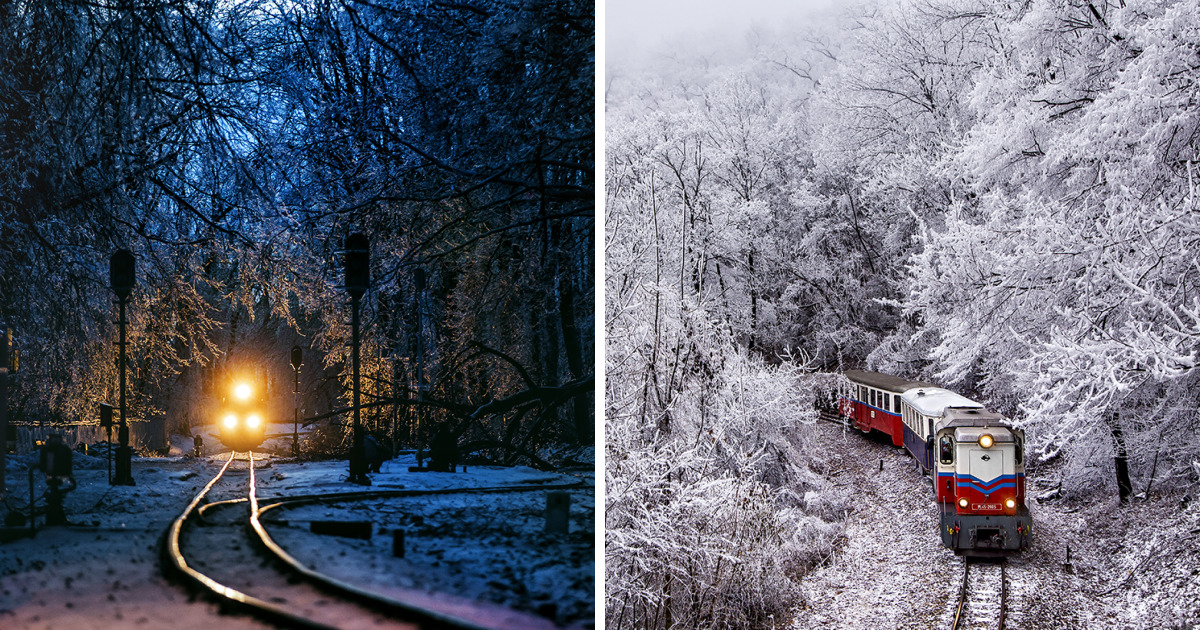
At 5:18 a.m., the woods looked less like a place for landscape photography and more like a very organized freezer aisle. The trees were coated in frost, the trail had vanished under fresh snow, and the nearby hills were hiding somewhere behind a curtain of pale blue mist.
Still, I had come for that view.
Not the tidy postcard version of winter with one decorative pinecone and a cabin that somehow has no muddy boots by the door. I wanted the real thing: frozen branches ticking in the wind, animal tracks stitched across the snow, clouds dragging their gray sleeves over the hills, and that quiet moment when the sky finally opens just enough to make the entire landscape glow.
Spending a whole day in the frozen woods to photograph a winter hill view sounds romantic until your camera battery develops the emotional resilience of a wet cracker. But winter landscape photography is not only about enduring the cold. It is about learning to slow down, read the light, notice small details, and accept that the best image may arrive five minutes before you are ready to give up and walk back to the car.
Why Winter Makes the Nearby Hills Look So Magnificent
Winter strips the landscape down to its essentials. Leaves disappear, wildflowers take a long nap, and the hills reveal their shape without summer foliage trying to steal the spotlight. Every ridgeline becomes clearer. Every cluster of trees becomes more graphic. Even a narrow footpath can turn into a leading line that pulls the eye toward a distant slope.
That is what made the frozen woods so compelling. The snow simplified everything, but it did not make the scenery boring. Quite the opposite. The white ground reflected soft light upward, illuminating the undersides of branches and making the dark trunks stand out like ink strokes on paper.
A winter landscape also changes by the minute. At sunrise, snow may look pale pink. By late morning, it can become bright and silvery. During a cloudy afternoon, the hills may disappear almost completely, leaving only silhouettes behind the mist. Then, just before sunset, the same view can explode into gold, lavender, and blue.
That unpredictability is exactly why a full day in the woods can be worth it. A quick visit gives you a snapshot. Staying longer gives you a story.
Before the Trail: The Least Glamorous Part of Winter Photography
Every beautiful winter photo begins with a slightly boring checklist. That is not a complaint. It is survival with better branding.
Before heading into the frozen woods, I checked the forecast, wind chill, trail conditions, daylight hours, and whether the route crossed steep or isolated terrain. Cold temperatures and wind can raise the risk of frostbite and hypothermia quickly, especially when clothing gets damp or exposed skin is left unprotected. Dress in adjustable layers, keep hands and feet dry, and treat changing weather as part of the trip rather than an inconvenient surprise.
A Practical Winter Photography Packing List
For a day of photographing frozen woods and nearby hills, the goal is not to carry every object you own. Your backpack should not sound like a kitchen drawer falling down the stairs. Bring only gear that earns its place.
- A weather-sealed camera or a camera protected by a rain cover
- One wide-angle lens for big scenes and one moderate zoom for distant ridgelines
- A sturdy tripod with feet that can handle snow or uneven ground
- Two or more spare camera batteries stored close to your body for warmth
- Lens cloths, microfiber towels, and a plastic bag for managing condensation
- Warm gloves that still let you use camera controls
- Water, snacks, navigation tools, a headlamp, and a basic first-aid kit
- Traction devices or snowshoes when conditions call for them
Winter hikers should also plan for shorter daylight, carry navigation and emergency essentials, and avoid relying only on a phone for direction. A headlamp with spare batteries is not dramatic until the forest turns dark earlier than expected. Then it becomes the most charming object in your backpack.
The First Hours: Walking Into a World That Felt Paused
I started before sunrise, when the snow still had that blue-gray color that makes every tree look as though it has been sketched in pencil. The air was sharp enough to wake up every thought I had ever ignored before coffee.
The path into the woods was barely visible, but a shallow line of old footprints helped guide me between the trees. Frost covered the grasses at the trail edge. Small ice crystals glittered on fallen branches. Every few minutes, the woods made a soft cracking sound as the cold shifted through the trunks overhead.
At first, I kept looking toward the hills. That was the destination, after all. But the forest quickly reminded me that winter photography works best when you stop treating the foreground like an annoying obstacle between you and the horizon.
A bent branch covered in snow became a frame for the distant ridge. A frozen puddle reflected a patch of bright sky. A row of thin birches created vertical lines that made the broad hills feel even wider. The nearby details gave the final scene depth, mood, and a reason for the viewer’s eye to stay in the image rather than sprint directly toward the background.
How to Photograph Snow Without Turning It Gray
Snow can confuse a camera’s meter because the camera often tries to turn a bright scene into a middle-gray exposure. The result can be snow that looks dull, dirty, or strangely sad for something that just fell out of the sky looking fabulous.
Instead of trusting the first preview, review your histogram and watch for blown-out highlights. If the snow looks gray, a small exposure adjustment may help. Many cameras also include a snow or snow-and-beach scene mode designed to handle bright white surfaces. White balance matters, too: sunlight may preserve a cleaner neutral look, while cloudy conditions can emphasize the cool blue tone of an overcast winter day.
Use the Hills as the Subject, Not Just the Background
When the hills finally appeared through the thinning mist, I made a mistake that many photographers make: I pointed the camera toward the view and took the obvious shot.
It was fine.
Fine is photography’s version of a lukewarm sandwich.
So I moved. I walked left until a curve in the snow created a path toward the ridge. I crouched near a frost-covered shrub to add foreground texture. I stepped back until the dark trees on either side formed a natural frame around the hills.
Landscape photography becomes more powerful when the image has layers: foreground, middle ground, and background. A frozen branch, creek edge, fence line, or set of tracks can lead the viewer toward the distant hills. Strong natural lines and a clear focal point help the image feel intentional rather than accidental.
The Middle of the Day: When the Woods Test Your Patience
By noon, the magic faded a little. The sky became flat. The light lost its color. The nearby hills looked like they had been wrapped in a giant beige sock.
This is the point where many photographers pack up too early.
Midday winter light can be difficult, but it is not useless. It is a great time to look for smaller compositions: bark patterns, shadows on snow, icicles, frozen leaves, distant birds, or the geometry of tree trunks. Instead of chasing one grand view for eight straight hours, I treated the afternoon as a scavenger hunt for texture.
I photographed wind-carved snow that looked like miniature dunes. I found a section of creek sealed under clear ice, with trapped leaves floating beneath it like tiny amber fossils. I watched sunlight break through a narrow gap in the clouds and briefly illuminate one slope of the hills while everything around it stayed dark.
That small moment taught me something important: winter photography is not always about waiting for perfection. It is about being ready when imperfect weather produces something better.
Cold Camera Problems and Tiny Solutions That Matter
Cold weather affects gear in annoying but predictable ways. Batteries drain faster. Gloves become clumsy. Breath can fog a viewfinder. Snow can melt on a warm lens and create a blurry surprise that looks like a ghost has joined the photo shoot.
I kept spare batteries in an inner pocket, used a microfiber cloth often, and avoided changing lenses in blowing snow unless absolutely necessary. When it was time to head indoors, I placed the camera in a sealed bag before bringing it into the warm air, giving condensation a chance to form outside the bag instead of on the gear.
Most importantly, I stopped rushing. Cold-weather photography rewards deliberate movements. Tripod legs do not need to be extended like you are competing in a pit-stop challenge. Lens caps can be handled with gloves on. Camera settings can be checked twice. The hills are not going anywhere, unless geology suddenly gets extremely ambitious.
Respecting the Woods While You Photograph Them
The quiet of winter can make the woods feel empty, but they are not. Wildlife still needs food, shelter, and energy, especially when snow makes every movement harder. A photograph is never worth chasing an animal, blocking its path, feeding it, or pushing it away from cover.
Keep a respectful distance, stay on appropriate routes where possible, and let wildlife decide how close the encounter becomes. In many protected areas, approaching animals closely can be unsafe, illegal, and stressful for the wildlife itself. Winter visitors should also protect fragile snow environments, avoid damaging ski tracks, pack out trash, and leave the place looking as though the camera crew never showed up.
For hill country with avalanche exposure, the rule is even simpler: a photo is not worth entering terrain you are not trained and equipped to assess. Check local avalanche forecasts, understand the terrain, and turn around when the conditions do not support safe travel.
The Moment the Nearby Hills Finally Became the Photograph
Late in the afternoon, the clouds began to separate.
It happened slowly at first. A pale stripe of sunlight appeared near the western edge of the sky. Then the snow on the hills brightened. The dark forest in front of me became a silhouette, while the distant ridges turned silver, then peach, then briefly gold.
I had been standing in the cold for hours, and suddenly none of that mattered.
The scene was not loud. There was no cinematic eagle flying across the sun. No dramatic avalanche in the distance. No mysterious cabin with smoke rising from the chimney at the exact right moment. It was just a frozen forest, a line of hills, fading winter light, and the deep stillness that makes you forget to check your phone.
That was the photograph I came for.
Not because it was technically perfect, but because it carried the entire day inside it: the blue dawn, the icy trail, the numb fingers, the waiting, the small discoveries, and the moment the winter landscape finally decided to reveal itself.
What a Full Day in the Frozen Woods Taught Me
The best winter hill view is rarely the first one you see. It may arrive after you have adjusted your composition five times, moved your tripod three feet, waited through a gray hour, and considered whether your toes have submitted a formal complaint.
That is the beauty of winter landscape photography. It asks for patience, preparation, and curiosity. It turns a simple walk through frozen woods into a lesson about light, weather, and paying attention.
So the next time snow covers your local trail and the nearby hills disappear behind the clouds, do not assume the day is lost. Pack carefully. Dress warmly. Respect the landscape. Stay longer than you planned.
The view may be waiting just beyond the next stand of trees.
Extended Field Notes: The Extra I Carried Home From the Frozen Woods
There was a point in the afternoon when I almost left.
The cold had settled into that annoying stage where it was no longer dramatic enough to feel heroic, but it was persistent enough to make every decision sound better from inside a warm car. My gloves were damp around the fingertips. My thermos was nearly empty. The sky had become a solid sheet of gray, and the hills had disappeared again as if someone had erased them with a giant eraser.
I stood beside a cluster of pines and looked at the trail behind me.
It would have been easy to call the day a loss. I had already taken dozens of images. Some were good. A few were even worth keeping. But none of them felt like the photograph. None of them carried that strange spark that makes you stop editing, lean closer to the screen, and remember exactly how the air smelled when you pressed the shutter.
So I made a deal with myself: one more hour.
Not an hour of marching through deep snow like a determined snowman with a camera. Just one more hour of paying attention. I would walk slowly. I would photograph details. I would let the hills remain hidden if that was what they wanted to do.
That decision changed the whole day.
Once I stopped chasing the big view, the woods became interesting again. I noticed the tiny tunnels beneath the snow where small animals had moved through the underbrush. I saw frost feathers growing along the edge of a fallen log. I heard a woodpecker somewhere deeper in the trees, tapping with the confidence of someone who absolutely had a schedule to keep.
I found a shallow clearing where wind had swept the snow into soft ripples. A line of young saplings bent gently under the weight of ice, each one pointing toward the hills I could not yet see. It was a simple composition, but it had direction. It had a feeling of waiting.
Then the light began to change.
At first, I thought my eyes were adjusting. A warmer tone appeared in the snow, so subtle that I nearly ignored it. But within minutes, the clouds opened in a narrow strip above the ridge. Sunlight poured through, not in a dramatic beam, but in a quiet wash of color that spread across the hills.
The entire frozen woods seemed to hold its breath.
I set up the tripod, framed the snow-covered saplings in the foreground, and let the hills fill the upper half of the image. The scene had everything I wanted: texture, depth, soft light, and just enough mystery to make the view feel discovered rather than delivered.
When I finally packed up, the temperature was dropping fast. The trail back was darker, quieter, and familiar in a way it had not been that morning. My boots were wet. My shoulders ached. My fingers felt like they had been replaced by two slightly annoyed popsicles.
But I was smiling.
Because the whole day had reminded me that remarkable winter views do not always appear on command. Sometimes they arrive only after you slow down, stop demanding perfection, and give the frozen woods enough time to tell you what they have been holding back.