Maybe you cried over a slightly disappointing sandwich. Perhaps you replayed a three-second conversation for the next three business days. Or you suddenly wondered whether everyone else secretly received an instruction manual for being human while yours was lost in shipping.
The question “Is this normal?” sounds simple, but it usually carries several questions inside it: Am I okay? Does anyone else experience this? Should I be worried? Am I overreacting? And, perhaps most importantly, do I need to do something about it?
Note: This article offers general educational information, not a diagnosis or a substitute for personalized medical or mental health care.
The Question Behind “Is This Normal?”
People ask whether something is normal when an experience feels unfamiliar, embarrassing, intense, or difficult to compare with what others are going through. The question may involve emotions, thoughts, habits, relationships, stress reactions, sleep, appetite, motivation, concentration, or physical sensations.
Sometimes the answer is reassuring: yes, many people feel nervous before an important meeting, grieve after a loss, need time alone after socializing, or occasionally say something awkward and mentally replay it later.
Other times, “normal” is not the most useful standard. A behavior can be common and still be harmful. A problem can be uncommon without being dangerous. And an experience does not need to be statistically unusual before you are allowed to ask for support.
Mental health exists on a changing spectrum rather than in two tidy boxes labeled “fine” and “not fine.” Stress, health conditions, financial problems, relationship changes, caregiving duties, trauma, sleep loss, and major transitions can all affect how a person thinks, feels, and functions.
Normal Is a Range, Not a Single Setting
Imagine a thermostat with only one approved temperature for every person, season, building, and weather condition. That would be ridiculous. One person would be wearing a parka indoors while another melted into the furniture.
Human behavior works the same way. People differ in temperament, energy, emotional sensitivity, social needs, family culture, communication style, life experience, and physical health. One person may process disappointment quietly. Another may need to talk for an hour, take a walk, reorganize a closet, and then make emergency pancakes.
Variation is part of being human. Feeling sad does not automatically mean depression. Feeling anxious does not automatically mean an anxiety disorder. Wanting solitude does not automatically mean something is wrong with your relationships. Occasional anxiety can even help people focus and respond to a challenge. The concern grows when fear becomes persistent, excessive, difficult to control, or disruptive to everyday life.
Common Does Not Always Mean Healthy
Chronic exhaustion, constant overwork, doomscrolling until 2 a.m., or using alcohol to cope may be common in certain groups. That does not make them harmless. Popularity is not a medical clearance certificate.
Uncommon Does Not Automatically Mean Abnormal
You may have an unusual hobby, an unconventional way of organizing your day, or a stronger need for quiet than your friends. If it is safe, voluntary, flexible, and not damaging your life, its uniqueness may simply be part of who you are.
A Six-Question Reality Check
Instead of asking only whether an experience is normal, examine its pattern. The following questions cannot diagnose a condition, but they can help you decide whether reassurance, observation, lifestyle changes, or professional support may be appropriate.
1. What Was Happening When It Started?
Context matters. Anxiety before a job interview has an obvious trigger. Sadness after a breakup makes sense. Irritability after several nights of poor sleep is not exactly a plot twist.
A reaction may be understandable even when it is uncomfortable. However, an understandable reaction can still become severe enough to deserve support. Grief, stress, and major life changes do not have to become emergencies before you speak with someone.
2. How Intense Is It?
There is a difference between feeling nervous and being unable to enter the building. There is a difference between wanting a quiet weekend and feeling completely unable to communicate with anyone. Ask whether the reaction seems reasonably connected to the situation or far larger than the situation would usually explain.
3. How Long Has It Lasted?
Many reactions improve as a stressful event passes or the body recovers. Persistent symptoms deserve more attention, especially when they do not improve or continue getting worse.
The National Institute of Mental Health recommends seeking professional help for severe or distressing symptoms that last two weeks or longer, including sleep or appetite changes, concentration problems, loss of interest, and difficulty completing usual tasks. Two weeks is not a magical waiting period, however. You can ask for help sooner when symptoms are intense, frightening, or disruptive.
4. Is It Interfering With Daily Life?
Function is one of the most useful clues. Can you work, study, maintain basic hygiene, pay bills, care for children, keep appointments, and communicate with people? Are you avoiding important situations because of fear? Have you stopped doing activities you normally enjoy?
Warning signs identified by major health organizations include withdrawal, major changes in sleep or eating, difficulty coping with daily responsibilities, severe mood changes, persistent hopelessness, and increasing reliance on substances.
5. Is It Flexible or Controlling?
Preferences are usually flexible. You might prefer checking that the door is locked, but you can leave after checking once. A troubling pattern may feel compulsory: you must repeat the check dozens of times or return home despite knowing the door is secure.
The issue is not simply whether you perform a particular behavior. Consider whether you can choose to stop, whether stopping creates overwhelming distress, and how much time the behavior consumes.
6. Is Anyone in Danger?
Safety outranks the debate about normality. Seek urgent help when there are thoughts, plans, or actions involving self-harm, suicide, violence, dangerous substance use, severe confusion, loss of contact with reality, or an inability to meet basic needs.
In the United States, people experiencing a mental health or suicide crisis can call or text 988 for confidential crisis support. Call 911 or go to an emergency department when there is immediate danger or a serious medical emergency.
Experiences That Often Make People Ask the Question
“I Talk to Myself. Is That Normal?”
Many people talk to themselves while solving problems, rehearsing conversations, remembering tasks, or regulating emotions. Saying, “Keys, wallet, phone,” while leaving home is not exactly a one-person Broadway show.
Pay closer attention if the experience feels outside your control, causes major distress, involves hearing a voice that seems separate from your own thoughts, or interferes with safety and functioning. A health professional can help distinguish ordinary self-talk from a symptom requiring evaluation.
“I Need Time Alone After Socializing.”
Social interaction can be energizing for some people and tiring for others. Needing quiet time does not automatically mean you dislike people or have poor social skills.
The pattern becomes more concerning when isolation is driven by intense fear, hopelessness, shame, or loss of interest, or when you withdraw from relationships you value. Persistent withdrawal is one of several signs that may warrant a mental health check-in.
“I Keep Replaying an Embarrassing Moment.”
Brains love reruns, especially episodes nobody requested. Briefly reviewing an uncomfortable interaction can help you learn from it. Repeated rumination becomes less helpful when it consumes hours, disrupts sleep, intensifies self-criticism, or prevents you from participating in future situations.
“My Mood Changes During a Stressful Week.”
Mood can change with sleep, hunger, conflict, hormones, illness, workload, and major life events. Temporary irritability or sadness during stress is common.
Large or prolonged mood changes deserve attention when they damage relationships, lead to risky decisions, involve unusually high energy with little need for sleep, or make everyday responsibilities difficult.
“I Feel Stress in My Body.”
Stress can contribute to muscle tension, headaches, digestive discomfort, a racing heart, sweating, and sleep problems. The mind and body are roommates, and neither is famous for respecting quiet hours.
Do not automatically assume a new physical symptom is “just anxiety.” Chest pain, trouble breathing, fainting, sudden weakness, severe pain, or other alarming symptoms may require prompt medical evaluation. A clinician can consider both physical and psychological explanations instead of forcing everything into one category.
How to Check What Is Happening Without Diagnosing Yourself
Track the Pattern
For one or two weeks, record what happens, when it happens, how intense it feels, how long it lasts, and what occurred beforehand. Include sleep, caffeine, medications, alcohol, meals, menstrual-cycle changes if relevant, work stress, conflict, and physical illness.
A pattern log can transform “I feel weird all the time” into useful details such as, “This happens mainly after four hours of sleep and three coffees.” That is much easier to discuss with a professional.
Compare Yourself With Yourself
Online comparisons are unreliable. You see another person’s edited highlight reel while experiencing your own uncut director’s edition, including bloopers and anxious commentary.
Ask whether this behavior is a major change from your usual baseline. Sudden changes in personality, energy, sleep, appetite, memory, or functioning may be more informative than whether a stranger online reports something similar.
Ask a Trusted Person for Observations
A supportive friend or relative may notice changes you have missed. Ask specific questions: “Have I seemed more withdrawn?” or “Have you noticed that I am struggling to finish things?” Avoid turning the conversation into a courtroom where the other person must issue a final verdict on your sanity.
Talk With a Health Professional
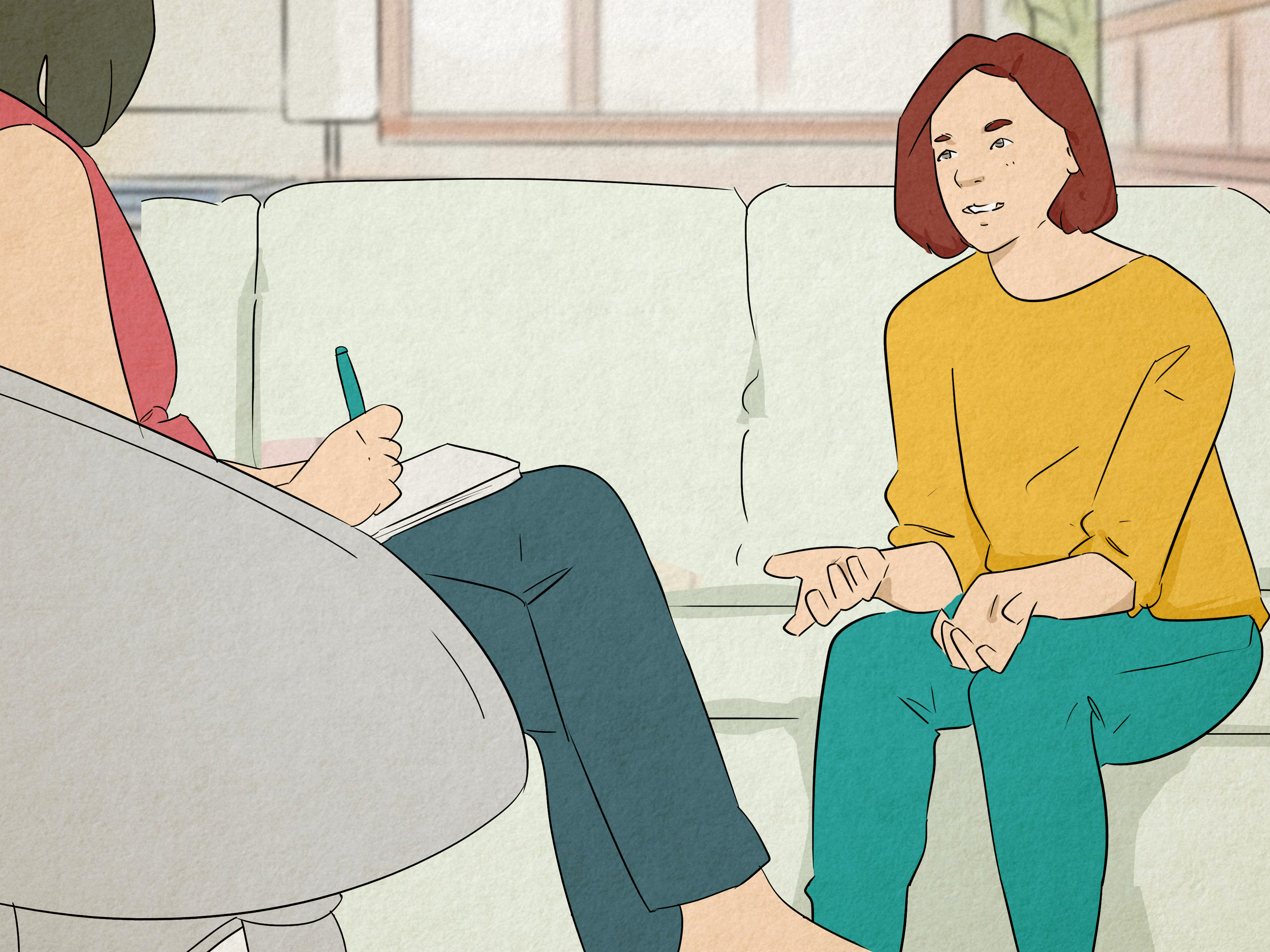
A primary care clinician can be a useful starting point because physical conditions, medications, sleep problems, substance use, and mental health concerns can produce overlapping symptoms. Before the appointment, note when the symptoms began, how often they occur, how severe they are, and how they affect daily life.
What Not to Do When You Are Worried
Do Not Use One Social Media Comment as a Diagnosis
A stranger writing “That happened to me and I was fine” cannot evaluate your health. Neither can someone who announces a complicated diagnosis after reading four sentences and looking at your profile picture.
Do Not Wait for Total Collapse
You do not have to be unable to get out of bed before counseling becomes appropriate. Therapy can help with stress, relationship problems, grief, transitions, habits, and self-understanding, not only diagnosed mental illnesses.
Do Not Shame Yourself for Having a Reaction
Calling yourself dramatic rarely makes a difficult feeling smaller. Try replacing judgment with curiosity: “What might this reaction be telling me?” That question creates room for problem-solving instead of starting an argument with your own nervous system.
Do Not Assume Every Uncomfortable Feeling Must Disappear
A healthy life still includes disappointment, grief, nervousness, frustration, embarrassment, and uncertainty. Emotional well-being means being able to recognize, process, and manage emotionsnot smiling continuously like a customer-service mascot.
Real-Life-Style Experiences: The Moments That Trigger the Question
The following are composite examples created from common situations. They are not individual medical case reports.
The Post-Meeting Replay
After a Monday staff meeting, Jordan made a joke that received two polite smiles and one expression normally seen when a computer begins installing updates without permission. For the rest of the day, Jordan replayed the moment and wondered whether everyone now considered the joke offensive, awkward, or evidence that Jordan should be banned from speaking before lunch.
By Tuesday, the embarrassment had faded. Jordan asked a trusted coworker about it and learned that almost nobody remembered the comment. The replay was uncomfortable but temporary. It did not prevent Jordan from attending future meetings or doing the job.
The useful lesson was not that embarrassment is imaginary. It was that a feeling can be real without being an accurate measurement of how much other people are thinking about you.
The Sunday Evening Stomachache
Every Sunday night, Elena developed a tight stomach and racing thoughts about Monday. At first, she assumed everyone hated Mondays and made a joke about needing a weekend after the weekend.
Over several months, the anxiety began on Saturday afternoon. She checked work messages constantly, slept poorly, and started canceling Sunday plans. Her worry was no longer a passing response to a busy schedule; it was taking over a large part of her week.
Elena documented the pattern and spoke with a clinician. She also discussed workload expectations with her supervisor. The important turning point was not receiving permission to call the feeling abnormal. It was recognizing that its duration and impact justified action.
The Friendship That Required Constant Reassurance
Marcus worried whenever a close friend did not answer quickly. He sent follow-up messages, reread old conversations, and interpreted a delayed reply as proof that the friendship was ending. Asking for occasional reassurance was understandable, but the cycle became exhausting for both people.
Marcus began pausing before sending another message and writing down alternative explanations: the friend could be working, sleeping, driving, or simply living a life that did not involve holding a phone every twelve seconds. He eventually talked with a therapist about fear of rejection and learned healthier ways to manage uncertainty.
The goal was not to become a person who never needed reassurance. It was to prevent fear from controlling his behavior and damaging the relationship he was trying so hard to protect.
The “I’m Just Tired” Explanation
For several weeks, Priya stopped cooking, exercising, and answering friends. She could still complete essential work, so she told herself nothing was seriously wrong. Everyone gets tired, she reasoned, especially adults who have discovered that laundry reproduces overnight.
Then she realized that rest was not restoring her energy and activities she normally enjoyed felt empty. She made an appointment with her primary care clinician, who reviewed her mood, sleep, medications, physical health, and recent life changes.
The experience demonstrated why “normal” should not be used as a gate that blocks care. Fatigue is common, but persistent fatigue accompanied by withdrawal and loss of interest deserves attention because several physical and mental health conditions can contribute to it.
The New Parent Who Felt Overwhelmed
After bringing a baby home, Devon expected exhaustion. What felt surprising was the constant fear of making a mistake. Devon repeatedly checked whether the baby was breathing and felt ashamed for not experiencing uninterrupted joy.
Talking with other parents provided reassurance that mixed emotions and worry can occur during a major transition. However, Devon also described the repeated checking and sleep disruption to a health professional rather than assuming all distress was simply part of parenthood.
The conversation provided support and a plan. Most importantly, Devon learned that an experience can be common among new parents and still deserve care. Common and serious are not opposites.
So, Is It Normal?
Possibly. Many strange, uncomfortable, emotional, and awkward experiences fall within the enormous range of ordinary human life. People worry, grieve, overthink, need reassurance, lose motivation temporarily, become irritated, and occasionally cry over things that seem minor in hindsight.
But the better question is often: Is this experience safe, manageable, temporary, and compatible with the life I want to live?
Look at context, intensity, duration, flexibility, functioning, and safety. When a pattern is persistent, escalating, distressing, or disruptive, speak with a qualified professional. You are not required to prove that your problem is unusual enough, painful enough, or dramatic enough before requesting help.
Sometimes the answer is, “Yes, this is a common human reaction.” Sometimes it is, “This deserves a closer look.” In both cases, asking the question is not weakness. It is awarenessand awareness is usually a much better starting point than silently wondering whether everyone else knows something you do not.