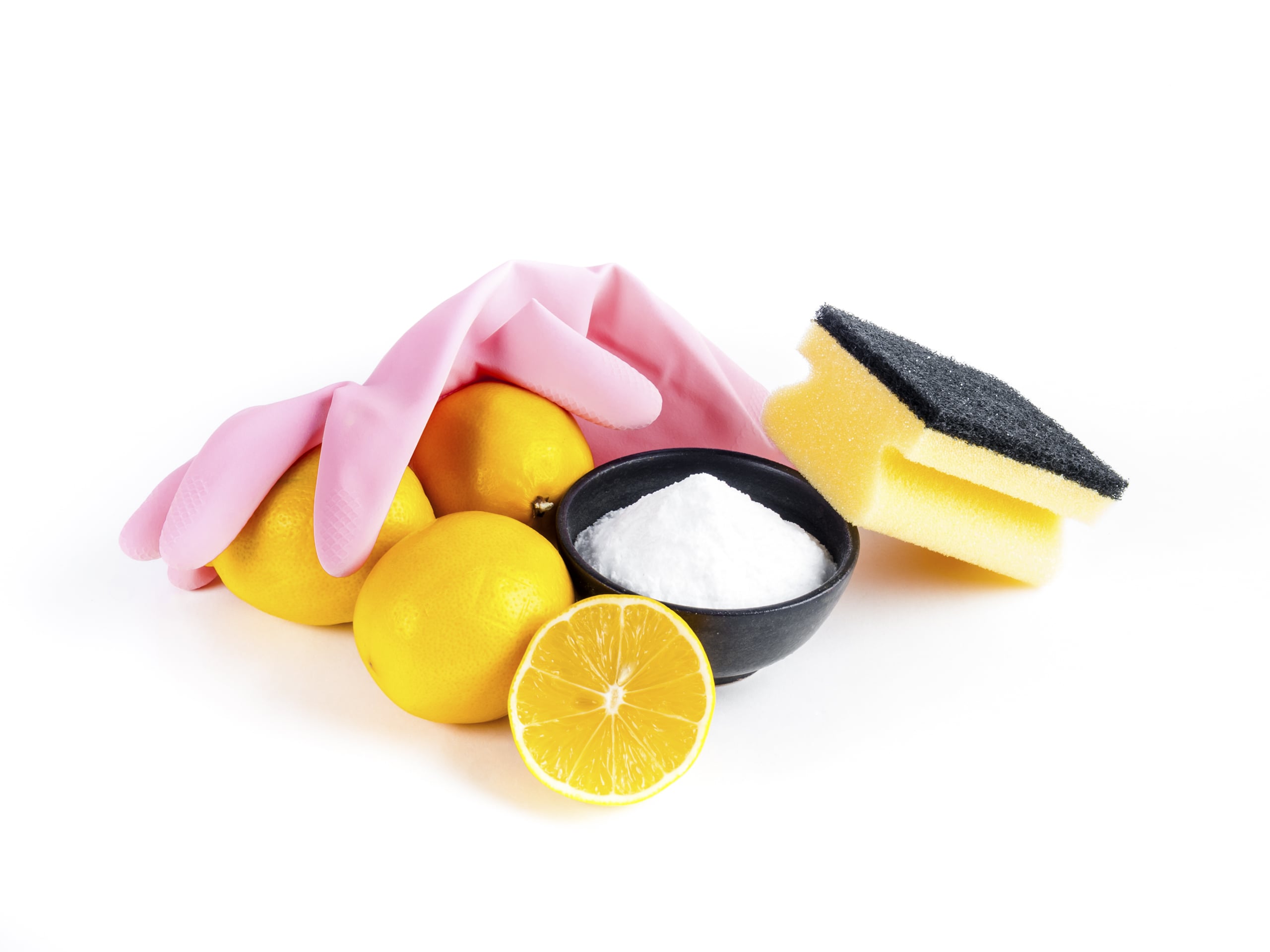
There are few smells that say “clean home” faster than lemon. It is bright, sharp, cheerful, and just bossy enough to convince your brain that the kitchen is cleaner than it was five minutes ago. Lemon essential oil brings that same fresh scent into homemade cleaning routines, with one important upgrade: it is concentrated, easy to store, and surprisingly versatile when used correctly.
But before we hand lemon essential oil a tiny cape and call it the superhero of housekeeping, let’s be honest. Lemon essential oil is not magic. It will not fold laundry, negotiate with soap scum, or disinfect your home like an EPA-registered product. What it can do is help cut light grease, freshen stale odors, lift sticky residue, brighten DIY cleaning blends, and make everyday cleaning feel less like punishment and more like a citrus-scented personality reset.
This guide explains how to use lemon essential oil to clean your home safely, where it works best, where it does not belong, and how to mix simple DIY cleaners that smell like sunshine instead of “mystery chemical aisle.”
What Is Lemon Essential Oil?
Lemon essential oil is a concentrated oil typically extracted from lemon peels. It contains aromatic compounds, especially limonene, that give citrus its familiar scent. Limonene is also used in many cleaning and degreasing products because it can help dissolve oils, waxy residue, adhesives, and greasy messes.
That concentration is exactly why lemon essential oil is usefuland why it deserves respect. A few drops go a long way. A whole bottle dumped into a spray cleaner does not make your counter “extra natural.” It makes it oily, overpowering, potentially irritating, and possibly unsafe for kids, pets, and certain surfaces.
Used properly, lemon essential oil is best for light household cleaning, odor control, sticky spots, trash-can freshening, sink maintenance, and adding a clean scent to simple homemade cleaners. Think of it as a helpful cleaning sidekick, not the entire cleaning department.
Is Lemon Essential Oil a Disinfectant?
This is the big question, so let’s clean it up first: lemon essential oil should not be treated as a reliable household disinfectant. Some lab research suggests that certain essential-oil compounds may have antimicrobial properties under controlled conditions. However, that does not mean a homemade spray with lemon oil will kill illness-causing germs on your kitchen counter, bathroom faucet, or doorknob.
Cleaning and disinfecting are not the same thing. Cleaning removes dirt, grease, crumbs, and some germs from a surface. Disinfecting uses a registered disinfectant to kill specific germs when the product is used according to label directions. If someone in your home is sick, if you are cleaning after raw meat, or if you need to sanitize high-risk surfaces, use the right disinfecting product and follow its instructions for contact time.
Lemon essential oil is wonderful for making a room smell less like last night’s fish tacos. It is not your best defense against stomach bugs. Respect the lemon. Do not overpromote the lemon.
Benefits of Cleaning With Lemon Essential Oil
1. It Helps Cut Light Grease
Lemon essential oil’s citrus compounds make it helpful for tackling light greasy residue on suitable hard surfaces. It works especially well when paired with a mild soap, such as castile soap, because soap lifts and suspends grime while the lemon oil adds degreasing power and scent.
2. It Freshens Odors
Trash cans, sink drains, shoe closets, and refrigerator-adjacent mystery smells can all benefit from lemon essential oil. It does not “delete” every odor source, but it can help freshen spaces after the actual mess has been removed. Translation: clean first, scent second. Lemon oil should not be used as a perfume for grime.
3. It Makes DIY Cleaners Smell Better
White vinegar is a useful cleaner, but it smells like a salad with unresolved emotional issues. Adding lemon essential oil to certain vinegar-based cleaning blends can soften the smell and make the experience more pleasant. Just remember that vinegar is acidic and not safe for every surface.
4. It Can Help Remove Sticky Residue
Sticker glue, label residue, and light adhesive spots often respond well to citrus oil. Apply a diluted amount, let it sit briefly, then wipe and wash the area. Always test first, because lemon oil can damage or discolor some plastics, painted surfaces, varnishes, and porous materials.
5. It Creates a “Clean House” Atmosphere
Scent matters. A fresh lemon aroma can make a space feel brighter and more inviting. This is especially useful in entryways, kitchens, bathrooms, laundry rooms, and anywhere your home is trying to smell like “wet towel with ambitions.”
Important Safety Rules Before You Start
Dilute It
Never use lemon essential oil as though it were lemon juice. It is concentrated and can irritate skin, eyes, and lungs. For most DIY cleaners, 10 to 20 drops in a 16-ounce spray bottle is plenty. More is not necessarily better. More is often just louder.
Keep It Away From Children
Essential oils should be stored out of reach of children. They can be harmful if swallowed, aspirated, or misused. Use child-resistant caps when possible and label every homemade cleaner clearly.
Be Careful Around Pets
Many pets, especially cats and birds, can be sensitive to essential oils. Do not spray lemon essential oil cleaners directly on pet bedding, bowls, toys, litter boxes, cages, or areas pets lick. Keep animals out of the room while spraying, ventilate well, and let surfaces dry before pets return. If your pet has asthma, respiratory issues, liver disease, or unusual sensitivity to scents, skip essential oils or ask your veterinarian.
Ventilate the Room
Open a window or run a fan when cleaning with scented products. A room should smell lightly fresh, not like a lemon grove exploded in self-defense.
Patch Test First
Before using lemon essential oil on any surface, test a small hidden spot. Wait a few minutes, wipe it clean, and check for discoloration, dullness, softening, or sticky residue.
Surfaces You Should Not Clean With Lemon Essential Oil
Lemon essential oil is not suitable for every surface. Avoid using it on natural stone such as marble, granite, limestone, and travertine, especially when mixed with vinegar or lemon juice. Acidic cleaners can etch stone, and oils can leave residue. Use a stone-safe cleaner instead.
Do not use lemon essential oil on unfinished wood, unsealed wood, delicate antiques, waxed furniture, leather, suede, silk, or other sensitive fabrics. Oils can stain, darken, or break down materials. Also avoid electronics, screens, touchpads, remote controls, and appliance control panels. Your laptop does not need aromatherapy.
Be cautious with plastic. Some plastics can become cloudy, sticky, or damaged by citrus oils. This is especially important for storage containers, painted plastic, acrylic, and appliance parts.
Best Supplies for Lemon Essential Oil Cleaning
You do not need a laboratory or a cleaning cart with dramatic wheels. A simple kit works beautifully:
- Lemon essential oil
- Distilled white vinegar
- Castile soap or mild dish soap
- Baking soda
- Rubbing alcohol for certain glass or quick-dry sprays
- Reusable microfiber cloths
- Glass spray bottles
- Labels and a marker
- Cleaning gloves
Glass bottles are ideal because essential oils can interact with some plastics over time. If you use plastic spray bottles, choose sturdy bottles made for cleaning solutions and replace them if they become cloudy, warped, or sticky.
How to Make a Lemon Essential Oil All-Purpose Cleaner
This everyday spray is best for sealed, non-porous surfaces that tolerate mild soap and water. Use it on many laminate counters, sealed shelves, painted walls in small spots, trash can lids, and general wipe-down tasks.
Ingredients
- 2 cups distilled water
- 1 teaspoon castile soap or mild dish soap
- 10 to 15 drops lemon essential oil
- Optional: 1 tablespoon white vinegar, only for vinegar-safe surfaces
Directions
- Add water to a clean spray bottle.
- Add the soap and lemon essential oil.
- Shake gently before each use.
- Spray lightly, wipe with a microfiber cloth, and dry the surface.
Do not add vinegar if you plan to use this cleaner on stone, hardwood, or surfaces with unknown finishes. When in doubt, leave vinegar out. Soap and water may not sound glamorous, but they have been carrying the cleaning industry on their backs for generations.
DIY Lemon Degreasing Spray for the Kitchen
Kitchen grease is sneaky. It floats, lands, and clings to cabinets like it pays rent. A lemon essential oil degreasing spray can help with light buildup around stovetops, range hoods, cabinet fronts, and backsplashesif the materials are safe for it.
Ingredients
- 1 3/4 cups warm water
- 1 tablespoon mild dish soap
- 10 drops lemon essential oil
- Optional: 1 tablespoon baking soda for extra grime control
Directions
- Mix the ingredients in a spray bottle.
- Shake until the baking soda dissolves if using it.
- Spray on greasy areas and let sit for 1 to 2 minutes.
- Wipe with a damp cloth.
- Follow with a dry cloth to prevent streaking.
Avoid spraying near open flames, hot burners, or hot oven surfaces. Essential oils are flammable in concentrated form, and kitchen safety should always beat kitchen fragrance.
Lemon Essential Oil Sink Scrub
This scrub is excellent for stainless steel sinks, porcelain sinks, and bathroom basins that need a quick refresh. It helps lift dull residue and leaves the drain area smelling fresh.
Ingredients
- 1/2 cup baking soda
- 5 drops lemon essential oil
- Enough water to make a paste
Directions
- Mix baking soda and lemon essential oil in a small bowl.
- Add water slowly until a soft paste forms.
- Apply with a damp sponge or cloth.
- Scrub gently, especially around the drain.
- Rinse thoroughly and dry.
Do not use this paste on natural stone sinks or delicate finishes. Baking soda is mildly abrasive, which is helpful until it is not.
How to Freshen a Garbage Can With Lemon Essential Oil
Garbage cans work hard and rarely receive compliments. Lemon essential oil can help keep them smelling fresher between deep cleans.
Simple Method
- Wash the inside of the can with soap and water.
- Dry it completely.
- Place 3 drops of lemon essential oil on a cotton ball or small piece of paper towel.
- Put it under the trash bag, not loose where pets or children can reach it.
Replace the cotton ball every few days. Do not overdo it. A trash can should smell neutral and clean, not like it is auditioning for a candle commercial.
Lemon Essential Oil for Sticky Residue
Sticker residue is tiny glue with a grudge. Lemon essential oil can help remove it from glass jars, metal surfaces, and some sealed hard materials.
Directions
- Remove as much paper or label as possible.
- Mix 1 teaspoon carrier oil or dish soap with 2 drops lemon essential oil.
- Apply to the sticky area.
- Wait 3 to 5 minutes.
- Rub gently with a cloth.
- Wash with warm, soapy water and rinse well.
Do not use this method on electronics, painted furniture, soft plastic, leather, or unfinished wood. Test first, especially on anything you would be upset to ruin.
Lemon Essential Oil Bathroom Spray
Bathrooms need cleaners that handle soap residue, sink splashes, and stale odors. This lemon bathroom spray is good for daily maintenance, not heavy mold removal or serious disinfection.
Ingredients
- 1 cup distilled water
- 1 cup white vinegar
- 10 drops lemon essential oil
Directions
- Combine ingredients in a glass spray bottle.
- Shake before use.
- Spray on vinegar-safe surfaces such as some tiles, glass shower doors, and sinks.
- Let sit for a few minutes.
- Wipe and rinse if needed.
Never use vinegar-based cleaners on marble, granite, limestone, travertine, or cement tile. Also never mix vinegar with bleach. That combination can create dangerous fumes, and no clean bathroom is worth a chemistry emergency.
Lemon Essential Oil Glass and Mirror Spray
For mirrors and windows, the goal is sparkle without streaks. Lemon essential oil adds scent, but use only a small amount because too much oil can smear glass.
Ingredients
- 1 1/2 cups distilled water
- 1/2 cup white vinegar
- 1 tablespoon rubbing alcohol
- 3 to 5 drops lemon essential oil
Directions
- Add all ingredients to a spray bottle.
- Shake well.
- Spray lightly on glass or onto a microfiber cloth.
- Wipe in an S-pattern.
- Buff with a dry cloth.
If your mirror looks foggy afterward, you used too much spray or too much oil. Glass is dramatic that way.
Lemon Essential Oil Floor Cleaner
For sealed tile or vinyl floors, lemon essential oil can add a fresh scent to a simple mopping solution. Avoid it on unsealed wood, waxed wood, natural stone, and floors with manufacturer warnings against oils or vinegar.
Ingredients
- 1 gallon warm water
- 1 teaspoon mild dish soap
- 8 to 10 drops lemon essential oil
Directions
- Mix in a mop bucket.
- Mop with a well-wrung mop, not a soaking one.
- Rinse if the floor feels slippery.
- Dry high-traffic areas with a clean towel.
Keep pets and kids off the floor until it is dry. Slippery floors are not a cleaning method; they are a cartoon setup.
Lemon Essential Oil Laundry Freshener
Lemon essential oil can add a light fresh scent to laundry routines, but it should not be poured directly onto clothes. Direct oil can stain fabric. Instead, use it carefully.
Safe Dryer Ball Method
- Add 1 to 2 drops of lemon essential oil to a wool dryer ball.
- Let it absorb for several minutes.
- Add the dryer ball during the last 10 minutes of drying on low or no heat.
Do not use essential oils on high heat or in overloaded dryers. Avoid this method for baby clothes, pet bedding, or clothing for people with fragrance sensitivities.
Lemon Essential Oil Air Freshening Spray
A light room spray can make your home smell clean after the actual cleaning is done. This is especially nice in entryways, bathrooms, and kitchens.
Ingredients
- 1 cup distilled water
- 1 tablespoon vodka or rubbing alcohol
- 8 drops lemon essential oil
Directions
- Combine in a spray bottle.
- Shake before every use.
- Mist lightly into the air, not directly onto furniture, pets, bedding, or floors.
Less is more. If your guests can taste lemon in the air, you have gone too far.
What Not to Mix With Lemon Essential Oil
Do not mix lemon essential oil with bleach. In general, homemade cleaning experiments should never involve bleach unless you are following the bleach product label exactly and using only approved dilutions. Bleach should not be mixed with vinegar, ammonia, rubbing alcohol, or random DIY ingredients.
Also avoid mixing too many cleaning agents into one bottle. A cleaner does not become stronger because it contains everything under your sink. It becomes unpredictable. Keep recipes simple: water plus soap, water plus vinegar, or baking soda paste. Add lemon essential oil only when the surface and situation make sense.
How Often Should You Clean With Lemon Essential Oil?
For general cleaning, use lemon essential oil once or twice a week in sprays, scrubs, or odor-control routines. For high-touch surfaces such as doorknobs, faucets, light switches, and counters, clean regularly with an appropriate cleaner. Disinfect when someone is sick, after handling raw meat, or when public-health guidance calls for it.
The best cleaning routine is not the most complicated one. It is the one you will actually do. A simple lemon-scented spray that helps you wipe the counter every night is more useful than a fancy twelve-ingredient cleaner that sits untouched like a Pinterest ghost.
Storage Tips for Homemade Lemon Oil Cleaners
Label every bottle with the ingredients and the date mixed. Store homemade cleaners in a cool, dark place away from sunlight, heat, children, and pets. Shake before use because essential oils do not truly dissolve in water. If a mixture changes color, smells strange, grows cloudy in an unusual way, or develops particles, discard it and make a fresh batch.
Small batches are better than giant bottles. Homemade cleaners do not contain the same stabilizers and preservatives as commercial products, so freshness matters.
Real-Life Experience: What Cleaning With Lemon Essential Oil Actually Feels Like
The first thing most people notice when cleaning with lemon essential oil is the mood shift. A plain soap-and-water wipe-down feels like a chore. Add a few drops of lemon essential oil, and suddenly the same counter wipe feels like you have your life togethereven if there is still a laundry basket in the hallway judging you.
In the kitchen, lemon essential oil is especially satisfying after cooking. A light lemon degreasing spray can make stovetop splatters easier to wipe, especially when the mess is fresh. The trick is not to wait three days until the grease has formed a legal partnership with the backsplash. Spray, wait a minute, wipe, and dry. The lemon scent makes the kitchen feel finished, which is helpful when dinner involved garlic, onions, oil, and a frying pan that took itself very seriously.
One of the most practical uses is removing label residue from glass jars. If you reuse jars for pantry storage, craft supplies, or iced coffee experiments, you know the pain of a label that refuses to leave. A diluted dab of lemon essential oil can soften the sticky film enough to rub it away. Afterward, washing the jar with warm, soapy water is important because the oil should not remain on food-contact surfaces.
Bathrooms are another good testing ground. A lemon-vinegar spray can help keep glass shower doors and sink fixtures looking fresher between deeper cleans, as long as the materials are vinegar-safe. The best part is psychological: a bathroom that smells lightly like lemon feels cleaner even before you admire the mirror and wonder why toothpaste behaves like modern art.
Trash cans may be the most underrated lemon oil project. Cleaning the can with soap and water is the real work, but placing a lemon-scented cotton ball under the liner afterward helps keep that freshly cleaned smell around longer. It is a small touch that makes the whole kitchen feel more maintained.
The biggest lesson from using lemon essential oil at home is restraint. Too much oil leaves surfaces streaky. Too much scent can bother sensitive noses. Too much enthusiasm can lead to using it where it does not belong, such as stone counters, pet areas, electronics, or delicate furniture. Lemon essential oil works best when it is treated like seasoning. A little brightens everything. Too much ruins the soup.
It also teaches a useful cleaning habit: match the cleaner to the mess. Grease needs soap. Mineral buildup often needs acid, if the surface can handle it. Odors need the source removed first. Germ-heavy situations need a real disinfectant. Lemon essential oil makes cleaning more pleasant, but it does not replace good judgment.
For everyday home care, lemon essential oil shines in small rituals: wiping the counter after breakfast, freshening the sink after dishes, cleaning a smelly trash can, making a quick bathroom spray, or adding a cheerful scent to a mop bucket. It is not about turning your home into a lemon orchard. It is about making basic cleaning easier to start and nicer to finish.
Conclusion
Lemon essential oil is one of the most useful essential oils for home cleaning when it is used safely and realistically. It can help freshen odors, lift light grease, support simple DIY cleaning recipes, and make routine chores feel more pleasant. The key is to dilute it, avoid sensitive surfaces, ventilate rooms, protect children and pets, and remember that cleaning and disinfecting are different jobs.
Use lemon essential oil for everyday freshness, sticky residue, sink scrubs, light degreasing, and homemade sprays. Skip it for natural stone, electronics, pet items, delicate fabrics, unfinished wood, and any situation that calls for a proven disinfectant. When you use it wisely, lemon essential oil can turn ordinary cleaning into a brighter, fresher, less grumpy routine. And honestly, any cleaner that makes wiping counters feel slightly less tragic deserves a spot in the cabinet.